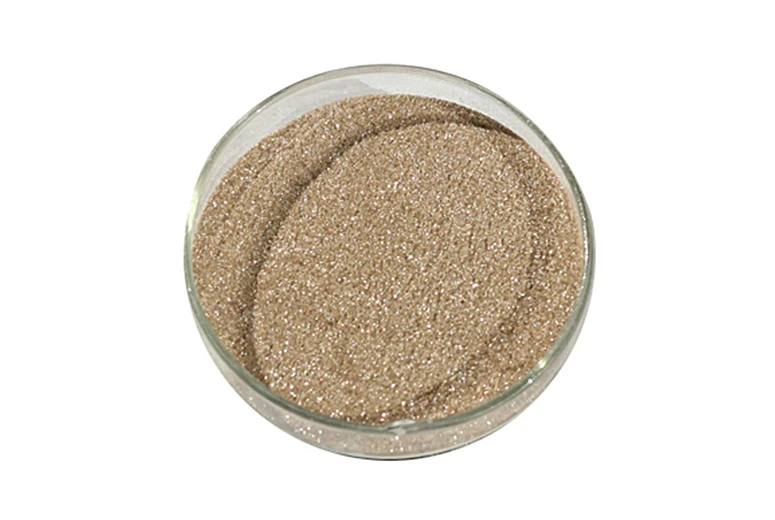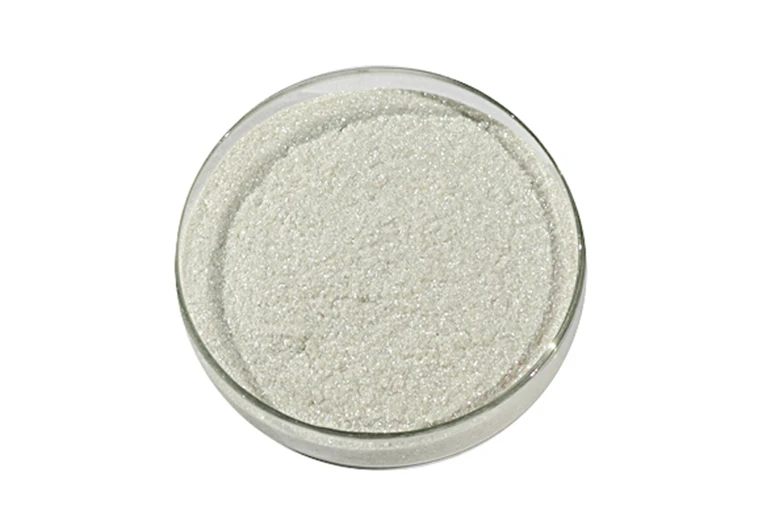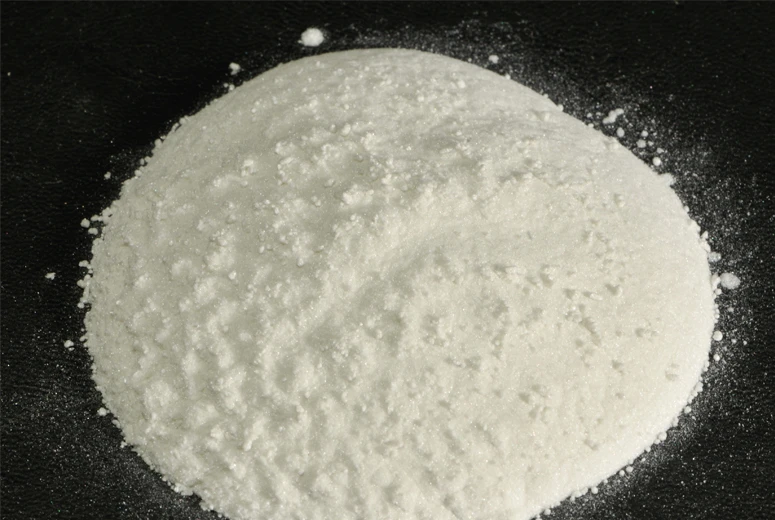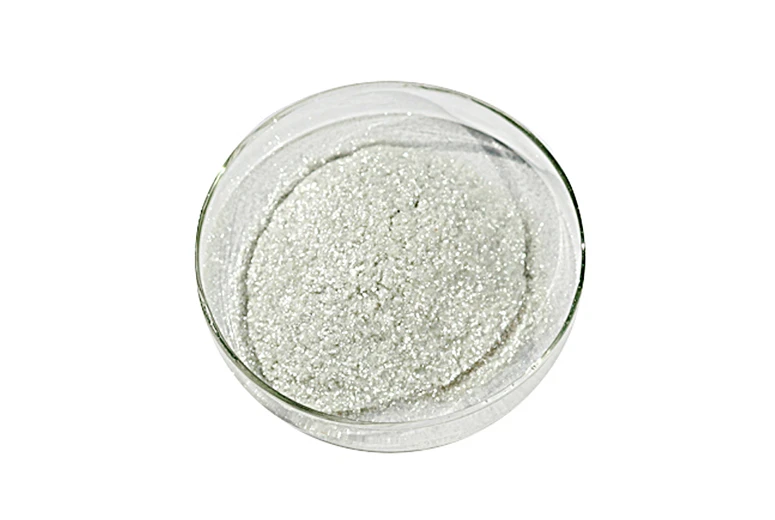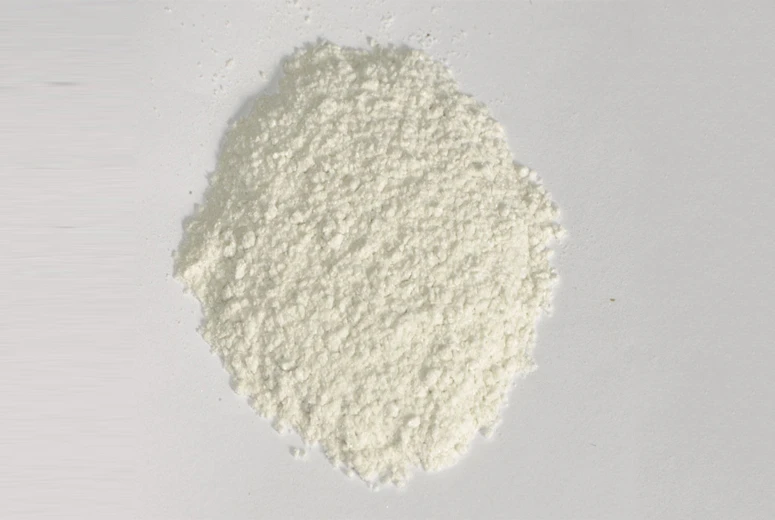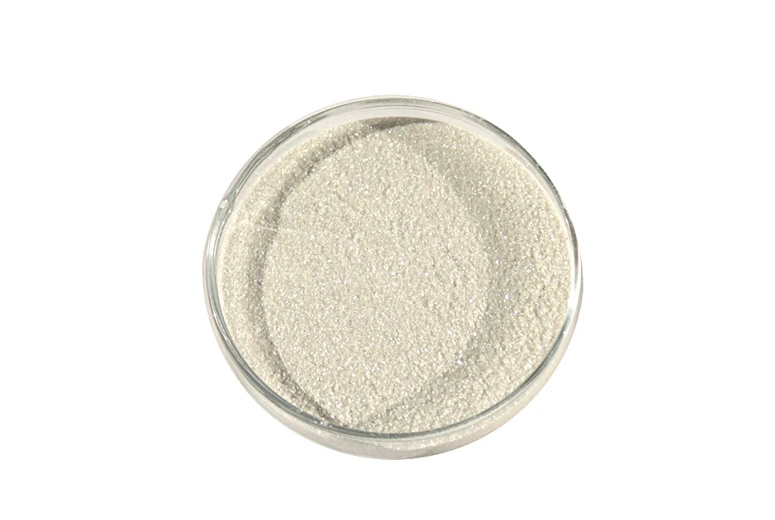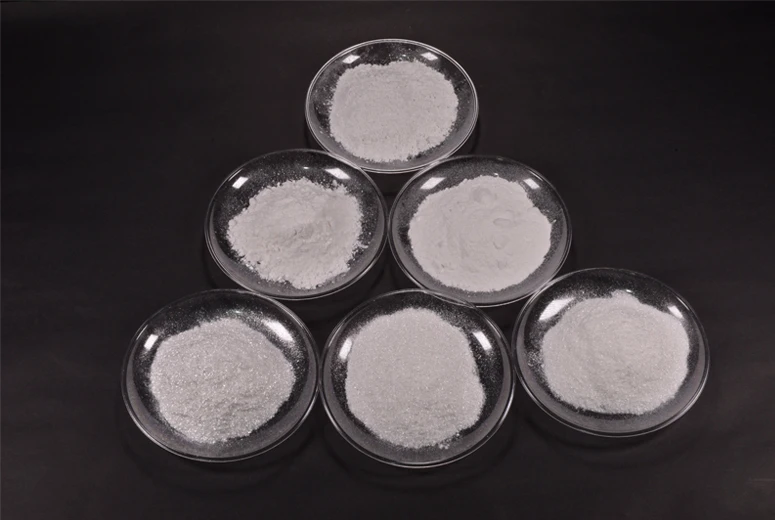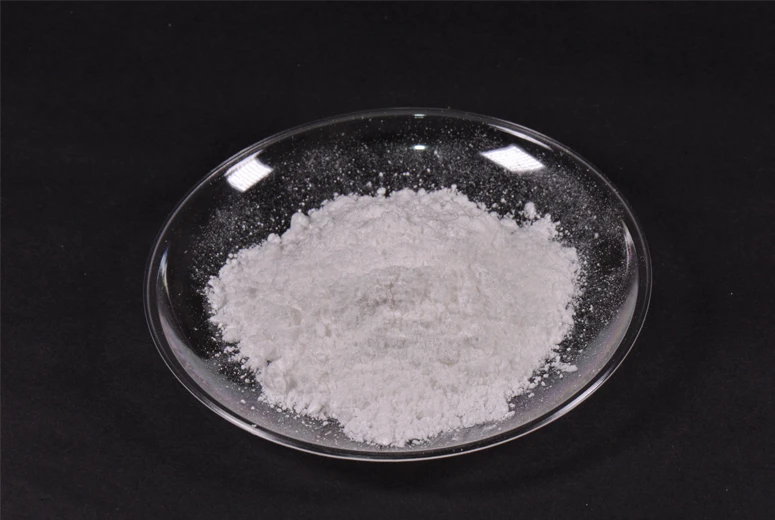

White Mica Powder – Ultra-Fine, High Purity for Resin
W-200 Muscovite: the quiet workhorse behind brighter plastics and smoother coatings
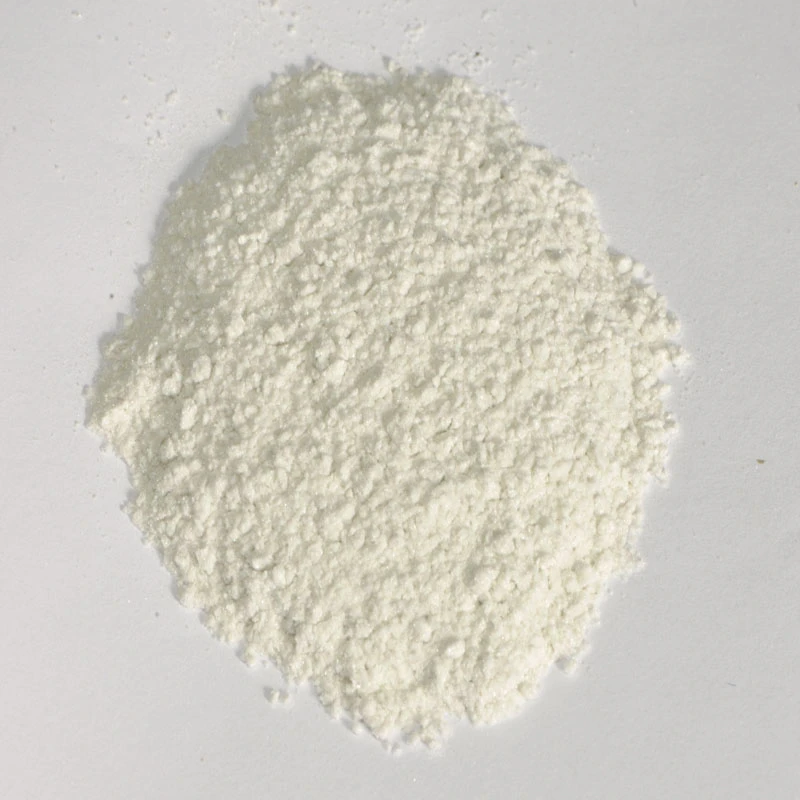
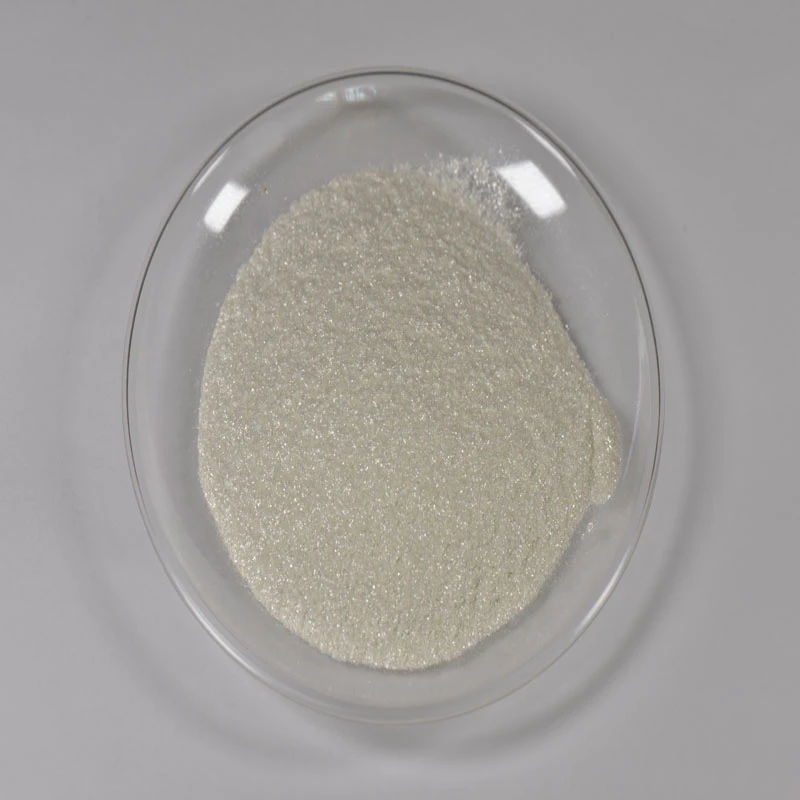
If you’ve spent any time inside a compounding plant or a powder coating shop, you already know the value of white mica powder. The W-200 Muscovite coming out of Xujiatuan, Ciyu Town, Lingshou County (Shijiazhuang, Hebei) is one I keep hearing about—wet-ground, underwater-classified, and surprisingly consistent. To be honest, what caught my eye first was how it lifts stiffness and dimensional stability in PP and PA without wrecking flow. Many customers say it also calms down die build-up. That tracks with what I’ve seen.
Quick context: W-200 is wet-ground muscovite with high purity and clean whiteness. As a modified plastic additive, it improves impact, stiffness, barrier properties (so less equipment corrosion), and rheology/melt fluidity. In fact, it’s become a staple in auto interiors, powder coatings, cable compounds, and even some industrial primers.
Technical specs that matter in real production
| Parameter | W-200 Typical | Method/Standard |
|---|---|---|
| Median particle size (D50) | ≈ 25 µm | ISO 13320 laser diffraction |
| Top cut (D97) | ≈ 75 µm | ISO 13320 |
| Whiteness (L) | ≈ 92–94 | ISO 7724 colorimetry |
| Fe2O3 | ≤ 0.5% | ICP-OES |
| Moisture | ≤ 0.5% | ASTM D2216 |
| pH (10% slurry) | 7–9 | ISO 787-9 |
| Oil absorption | ≈ 28 g/100 g | ASTM D281 |
| Aspect ratio | ≈ 50–70:1 | Microscopy (lab) |
Process flow and QA
Raw muscovite ore → wet grinding → underwater classification → magnetic de-ironing → drying → screening → optional surface modification (amino/epoxy silane, titanate, stearate) → laser diffraction and whiteness checks → packaging (25 kg bags or ≈1 t jumbo). Testing references include ISO 13320, ISO 7724, and ICP-OES for trace metals; sieve residue per ISO 565. Shelf life: around 24 months sealed, dry. In composites, service life depends on matrix; typical PP interior parts perform steadily for 5–10 years; coatings show >1,000 h salt spray potential, real-world use may vary.
Applications, results, and why formulators pick it
- Plastics (PP, PA, PVC): white mica powder lifts stiffness and dimensional stability; often a cleaner alternative to heavy calcium fillers.
- Powder/industrial coatings: plate-like particles add barrier properties, smoother laydown, and nice sheen without sparkle.
- Cable compounds and rubber: dielectric stability, reduced permeability.
Lab snapshot (internal line trials): PP (MFI ≈ 12) + 20% W-200 showed Izod impact +12% (ASTM D256), flexural modulus +18% (ISO 178), HDT +8 °C (ISO 75), and MFR shift within −5% (ISO 1133). In an epoxy primer, salt spray improved by ≈ 500 h (ASTM B117) with comparable DFT. Anecdotally, operators reported easier purging—always welcome.
Industry trends I’m watching
Automotive lightweighting and EV thermal management are nudging compounders toward high-aspect fillers that don’t kill flow. Meanwhile, powder coaters want fewer defects and better corrosion resistance without cranking pigment volume concentration. white mica powder fits both lanes—cost-effective, neutral in color, and friendly to processing.
Vendor snapshot (field-notes comparison)
| Vendor | D50 (µm) | Whiteness L | Fe2O3 | Surface treatment | Certs |
|---|---|---|---|---|---|
| HJ Mica W-200 | ≈ 25 | 92–94 | ≤ 0.5% | Silane/titanate/stearate | ISO 9001, REACH, RoHS |
| Generic A (dry-ground) | ≈ 40 | 88–90 | 0.8–1.2% | Limited | Basic QC |
| Vendor B (fine, coated) | ≈ 15 | 93–95 | ≤ 0.4% | Broader options | ISO 9001/14001 |
Customization and logistics
Cuts from ≈ 10–60 µm D50 available; treatment choices include amino- and epoxy-silanes (A-1100 type), titanates, or stearates for PP/PE. Packaging: 25 kg bags or jumbo sacks. Typical lead time 7–15 days, MOQ around 5 t. Origin, as noted: Xujiatuan, Ciyu Town, Lingshou County, Shijiazhuang, Hebei, China. white mica powder from this region has a reputation for stable color—an underrated perk in pastel masterbatch.
Mini case notes
- Auto PP interior: 15–20% W-200, shrinkage trimmed ≈ 0.2%, gloss maintained, no chalking after 2 years field use.
- Epoxy primer: barrier boost with 10–12% loading; salt spray +500 h vs. talc control at matched DFT.
- Halogen-free cable: improved dielectric strength and reduced water permeation; processing window stayed friendly.
Compliance: REACH and RoHS statements available. Typical lab data aligned to ISO 13320, ISO 7724, ASTM D256, and ASTM B117 test protocols.
References
- ISO 13320: Particle size analysis—Laser diffraction methods.
- ISO 7724: Paints and varnishes—Colorimetry.
- ASTM D256: Standard Test Methods for Determining the Izod Pendulum Impact Resistance of Plastics.
- ASTM B117: Standard Practice for Operating Salt Spray (Fog) Apparatus.
-
Ultimate Guide to Using High Quality Pearl Paint Pigment for LusterNewsApr.16,2026
-
Elevating Automotive Aesthetics with Mica Powder Car PaintNewsApr.09,2026
-
Unlock Stunning Effects with Mica Powder for Paint ApplicationsNewsApr.07,2026
-
Comprehensive Guide to Mica Dye Powder Applications and BenefitsNewsApr.04,2026
-
Unlocking the Brilliance of Mica Pigment Paint for Diverse ApplicationsNewsMar.31,2026
-
Enhancing Concrete Performance with Durable Mica Chips for Concrete ApplicationsNewsMar.28,2026