
Elevating Automotive Aesthetics with Mica Powder Car Paint
Elevating Automotive Aesthetics with Mica Powder Car Paint
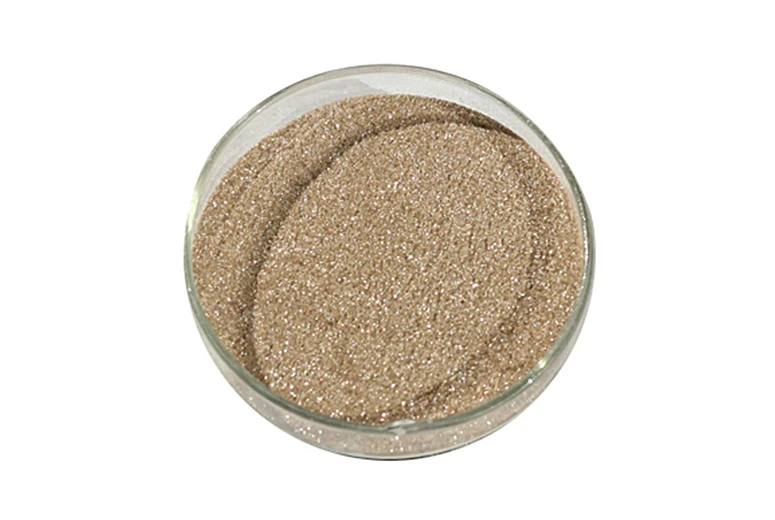
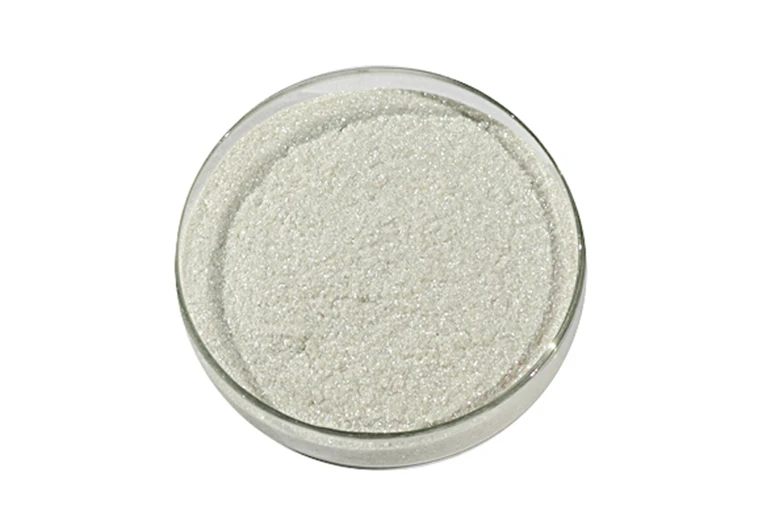
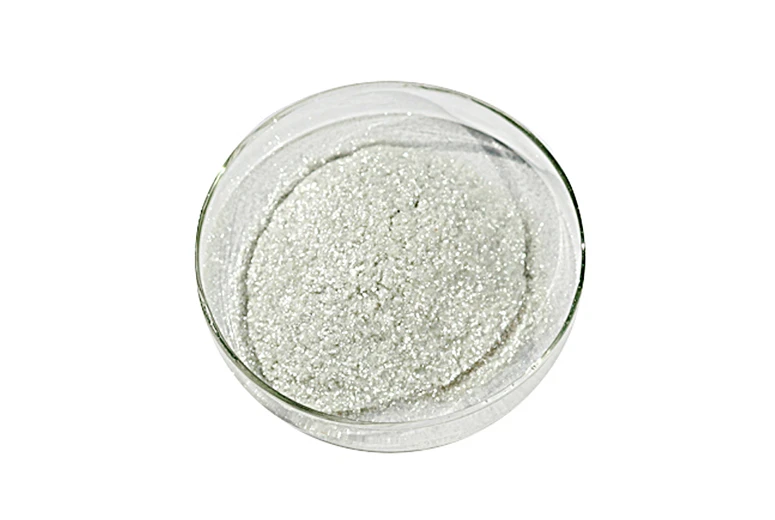
When it comes to achieving a luxurious, multi-dimensional finish on a vehicle, few solutions are as effective as mica powder car paint. Unlike standard metallic paints, mica-based coatings offer a unique pearlescent glow that shifts and dances under different lighting conditions, providing a sophisticated depth that captures the eye. Whether for high-end automotive restoration or modern industrial manufacturing, the integration of high-quality mica pigments ensures a durable and visually stunning result. In this guide, we will explore the technical advantages, application methods, and the sheer beauty that mica pigments bring to the automotive world.
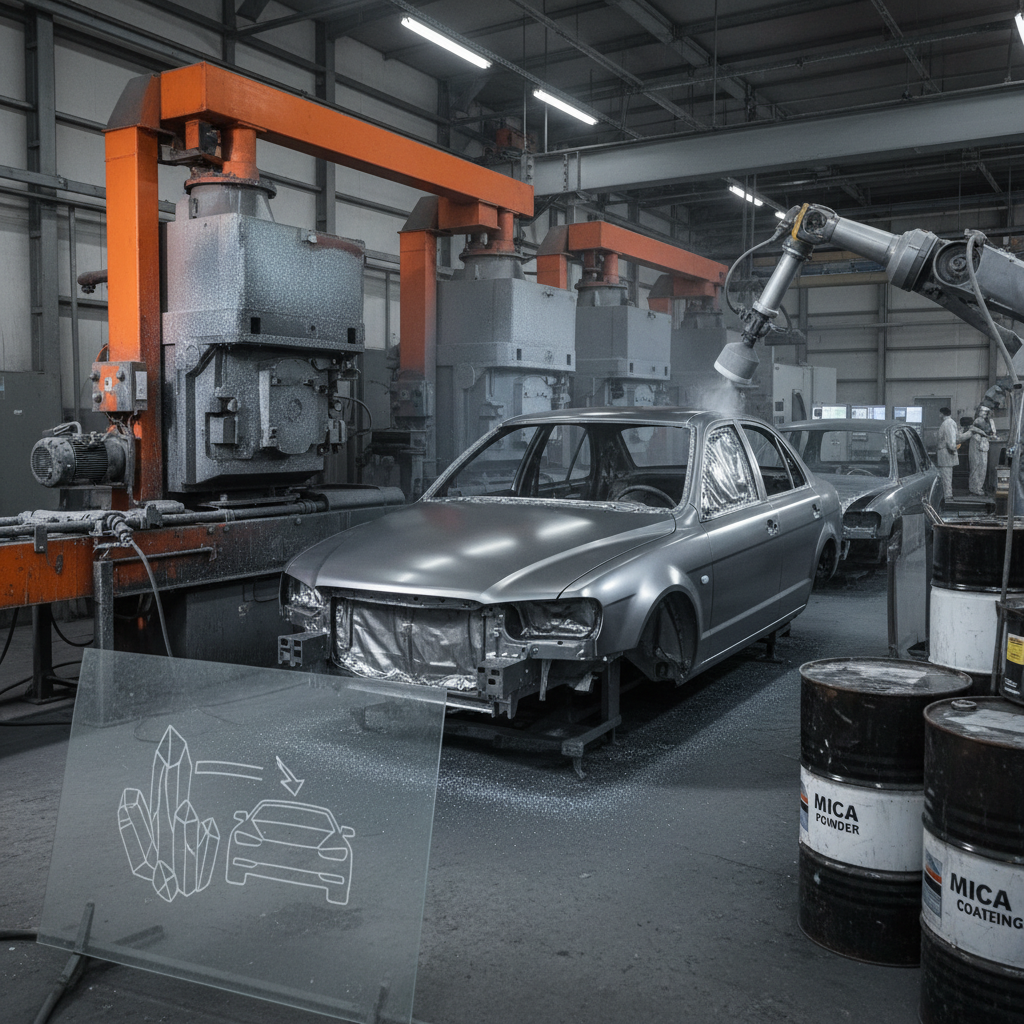
The Science Behind Mica Powder Car Paint
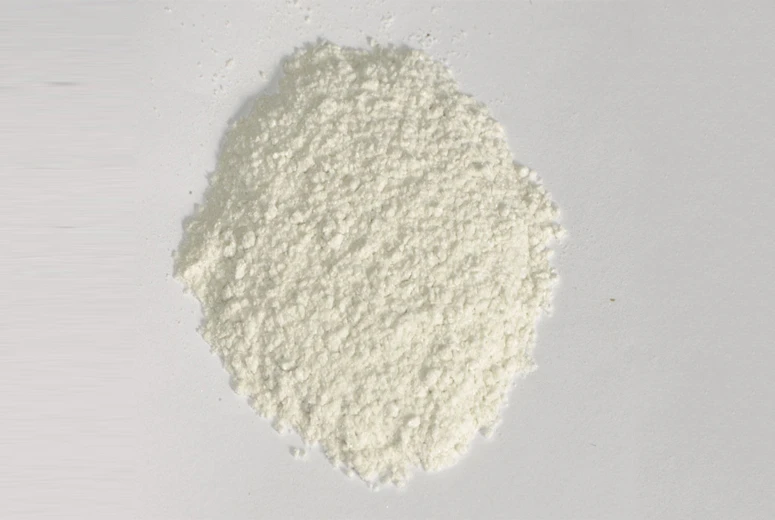
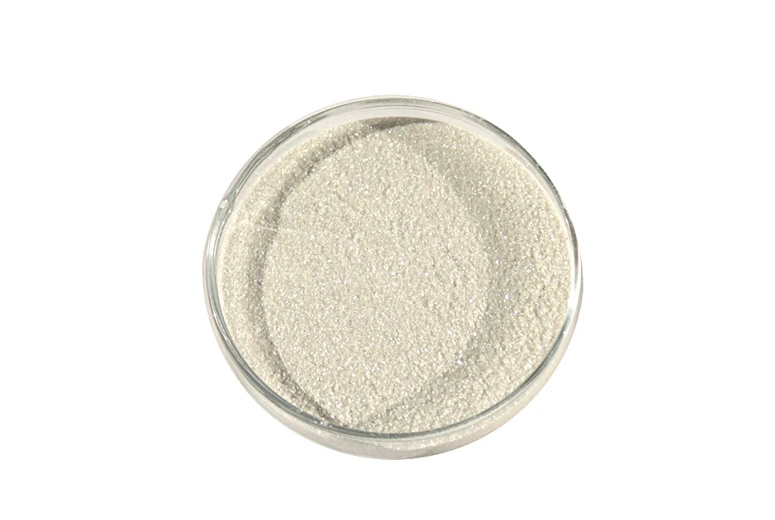
Mica is a naturally occurring mineral that, when processed into fine powder and coated with metal oxides, creates an interference effect. When applied as mica powder car paint, the flat, plate-like structure of the mica particles aligns parallel to the surface of the car. This alignment allows light to penetrate the clear coat, bounce off the mica flakes, and reflect back to the observer. The result is a shimmering, iridescent effect that is far more subtle and elegant than the "glitter" look of traditional metallic flakes. This scientific precision ensures a consistent finish that enhances the contours and aerodynamic lines of any vehicle.
Technical Insight: The "flip-flop" effect—where the color appears to change based on the viewing angle—is a direct result of the thin-film interference created by the oxide layers on the mica flakes.
Key Advantages of Using Mica in Automotive Coatings
Choosing mica powder car paint over standard pigments provides several functional and aesthetic benefits. First and foremost is the superior UV resistance; mica is naturally stable and helps protect the base color from fading under intense sunlight. Additionally, mica coatings are exceptionally good at masking minor surface imperfections, such as "orange peel" or slight sanding marks, which are often highlighted by high-gloss solid paints. This makes the finishing process more efficient for paint shops while delivering a premium, showroom-quality look that lasts for years.
Top Benefits at a Glance:
• Enhanced depth and pearlescent luster
• Better resistance to weather and UV degradation
• Ability to hide minor surface irregularities
• High versatility in color blending and customization
Mica Powder vs. Metallic Paints: A Comparison
While both offer a "sparkle," the visual impact of mica powder car paint is fundamentally different from aluminum-based metallic paints. Metallic paints rely on small aluminum flakes that reflect light sharply, often creating a "grainy" appearance. In contrast, mica creates a soft, glowing radiance. This makes mica the preferred choice for luxury vehicles where elegance is prioritized over raw flashiness. The following table highlights the critical differences between these two popular automotive finishing options.
Application Techniques for Optimal Results
To achieve the perfect finish with mica powder car paint, the application process must be meticulous. Typically, a "three-stage" painting process is employed: a base color coat, the mica mid-coat (which provides the pearl effect), and a final clear coat for protection and depth. The key is the consistency of the spray pattern; uneven application of the mica layer can lead to "mottling" or streaks. Professional painters recommend using high-quality spray equipment and ensuring the environment is dust-free to prevent contaminants from interrupting the alignment of the mica flakes.
Product Specifications: Choosing the Right Mica Grade
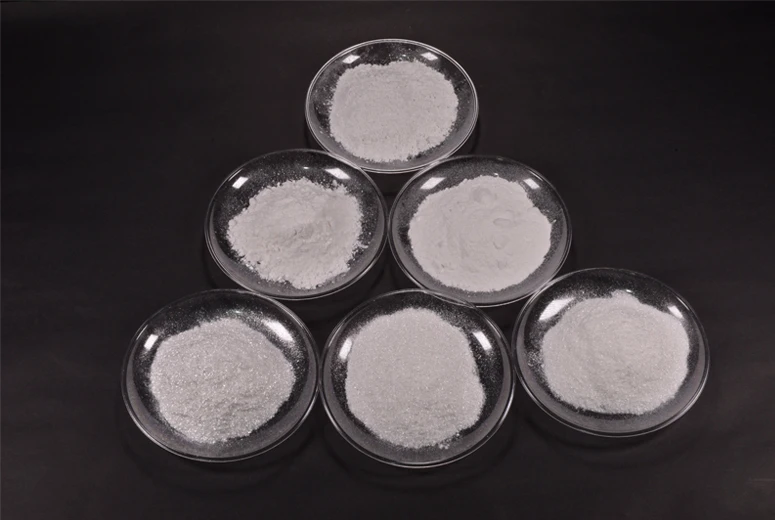
Not all mica powders are created equal. Depending on the desired effect—whether it's a subtle satin shimmer or a bold color-shifting finish—different particle sizes and coatings are required. When sourcing mica powder car paint materials, it is essential to check the technical data sheet for purity and particle distribution. Higher purity mica ensures a more consistent color and prevents clumps that could ruin a paint job. Below are the standard specifications for automotive-grade mica pigments.
Conclusion: The Future of Automotive Brilliance
Incorporating mica powder car paint is more than just a cosmetic upgrade; it is an investment in the longevity and value of a vehicle. By combining the natural resilience of mica with advanced coating technology, car owners and manufacturers can achieve a finish that is both durable and breathtaking. From the soft shimmer of a luxury sedan to the bold flip of a custom sports car, mica pigments provide the ultimate toolkit for automotive creativity. Choose quality, precision, and brilliance for your next project.
Frequently Asked Questions (FAQs)
Is mica powder car paint more expensive than standard paint?
Generally, yes. Because mica coatings often require a three-stage application process (base, pearl/mica, and clear coat) rather than a two-stage process, the labor and material costs are higher. However, the added value is significant; mica finishes increase the vehicle's aesthetic appeal and market value, while providing better protection against UV rays and masking minor surface defects more effectively than standard solid paints.
Can I apply mica powder to an existing paint job?
While it is technically possible, it is not recommended to simply spray mica over an old paint job. For the best results, the surface should be properly sanded and primed. The mica layer needs to bond correctly to the base coat to ensure the particles align flat. If applied over an unprepared surface, the finish may peel or look uneven. We recommend consulting a professional to ensure the base is smooth before adding the mica effect.
How do I maintain a mica pearl finish?
Maintaining a mica powder car paint finish is similar to maintaining a high-quality clear coat. The most important step is to protect the top clear layer. Regular waxing or the application of a high-grade ceramic coating is highly recommended. This prevents oxidation and protects the mica particles from environmental pollutants. Avoid using abrasive cleaners or automatic car washes with harsh brushes, as these can create micro-scratches that dull the pearlescent glow over time.
Does mica paint fade over time?
Mica-based paints are actually more resistant to fading than many organic pigments. Because mica is a mineral, it is naturally stable. The "pearl" effect itself does not fade; however, the surrounding base color or the clear coat can degrade if exposed to extreme UV radiation without protection. By using a high-quality UV-resistant clear coat, the shimmering effect of the mica remains vibrant for many years, making it a superior choice for cars kept in sunny climates.
-
Ultimate Guide to Using High Quality Pearl Paint Pigment for LusterNewsApr.16,2026
-
Unlock Stunning Effects with Mica Powder for Paint ApplicationsNewsApr.07,2026
-
Comprehensive Guide to Mica Dye Powder Applications and BenefitsNewsApr.04,2026
-
Unlocking the Brilliance of Mica Pigment Paint for Diverse ApplicationsNewsMar.31,2026
-
Enhancing Concrete Performance with Durable Mica Chips for Concrete ApplicationsNewsMar.28,2026