
Ultimate Guide to Using High Quality Pearl Paint Pigment for Luster
The Ultimate Guide to Pearl Paint Pigment: Adding Luster to Your Surfaces
In the world of high-end coatings and industrial design, achieving a sophisticated metallic or iridescent finish is often the key to product success. The use of pearl paint pigment allows manufacturers and artists to transform ordinary surfaces into extraordinary works of art. Whether it is for automotive refinement, high-fashion cosmetics, or architectural detailing, these pigments provide a depth of color and a shimmering effect that traditional dyes cannot replicate. By understanding the science and application of these pigments, you can significantly enhance the visual value of your final product. In this guide, we explore everything from the technical properties to the practical application of these luminous materials.

What is Pearl Paint Pigment and How Does it Work?
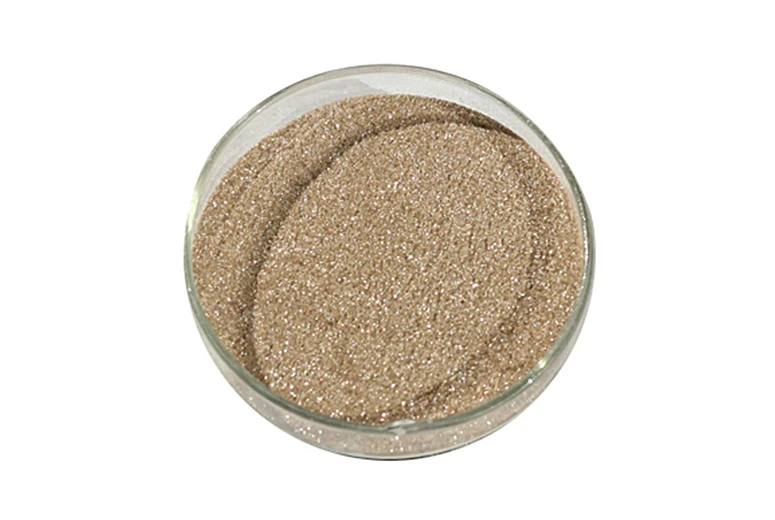
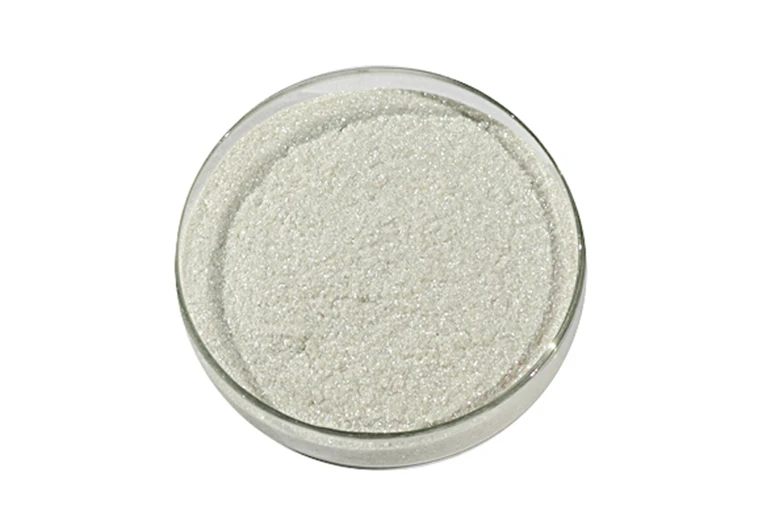
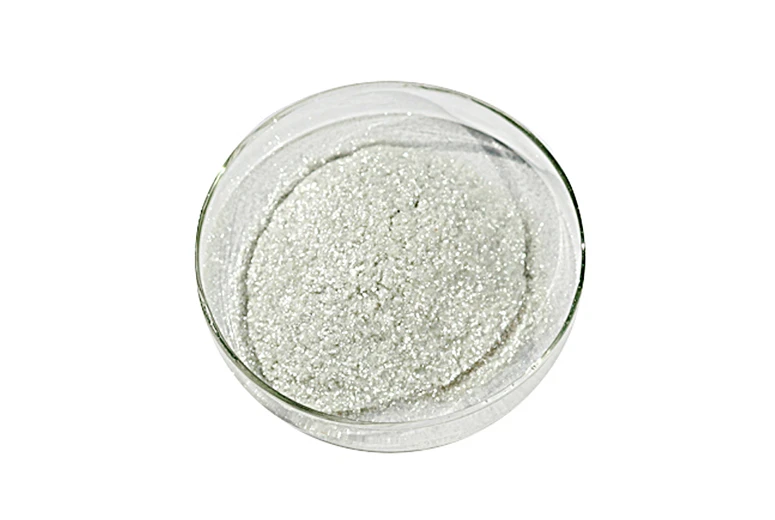
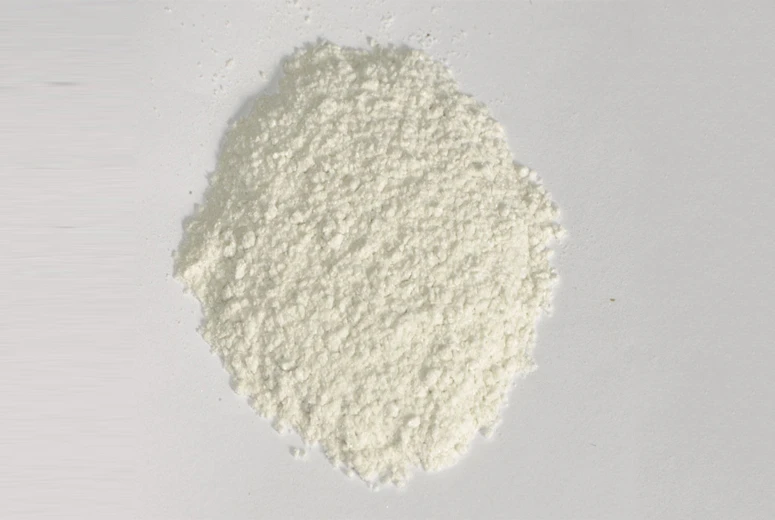
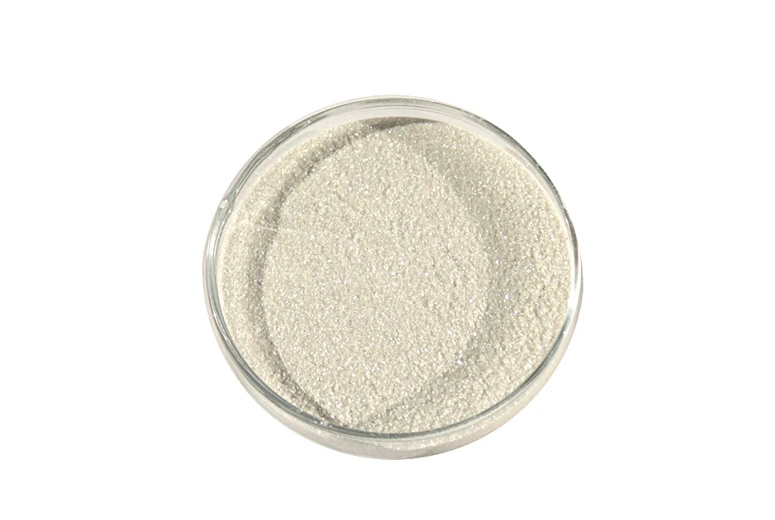
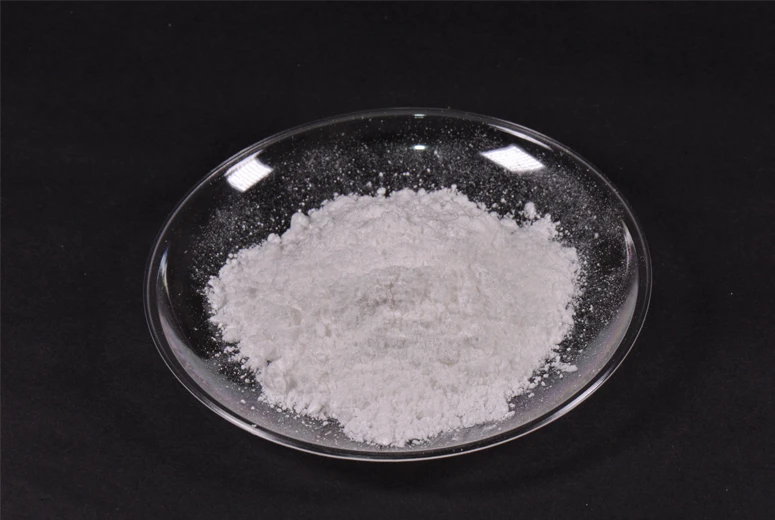
At its core, pearl paint pigment consists of tiny, plate-like particles—often made from synthetic mica or silica—coated with metal oxides such as titanium dioxide. These particles act as microscopic mirrors, reflecting light in a controlled manner to create the "pearl" effect. Unlike metallic pigments that rely on aluminum flakes for a mirror-like shine, pearl pigments create a soft, diffused glow that changes depending on the angle of light. This phenomenon, known as interference, allows the surface to exhibit different colors as the observer moves, providing a dynamic and luxury feel to any coated object.
Key Highlight: The shimmer is achieved through light interference, where the thickness of the oxide coating determines the specific color shift (e.g., gold, silver, or violet) seen on the surface.
Types of Pearl Paint Pigment for Different Applications
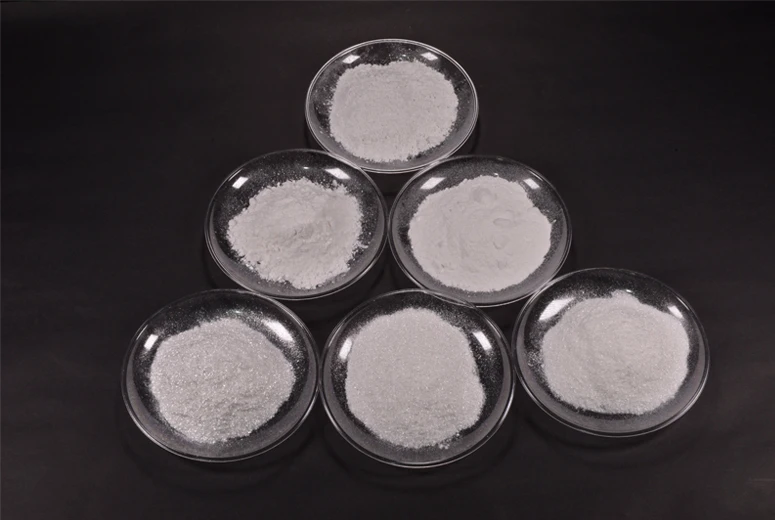
Not all pearl effects are created equal. Depending on the desired visual outcome, different grades of pearl paint pigment are used. For instance, high-transparency pigments are ideal for clear coats where a subtle, ethereal glow is needed. In contrast, high-opacity pigments are used for base coats to provide a solid, shimmering color. The choice of pigment affects the "flip" (the color change) and the "flop" (how the color looks from a steep angle). Selecting the right particle size is also critical; larger particles create a bolder, more sparkling effect, while smaller particles provide a smooth, satin-like finish.
Common Pigment Categories:
• Classic White Pearl: Timeless, elegant luster for luxury vehicles.
• Interference Colors: Subtle shifts (e.g., blue to pink) for artistic coatings.
• Metallic-Pearl Hybrids: Combining the punch of aluminum with the glow of mica.
Comparing Pearl Paint Pigment with Standard Metallic Pigments
While both create a "shiny" look, pearl paint pigment offers a more refined and multidimensional appearance than standard metallic pigments. Metallic pigments often look "grainy" up close and can suffer from "mottling" (uneven distribution). Pearl pigments, however, provide a smoother transition of light and are generally more resistant to weathering and chemical degradation. This makes them the preferred choice for high-end automotive paints and architectural finishes where a seamless, premium look is mandatory.
Key Applications of High-Quality Pearl Pigments
The versatility of pearl paint pigment extends across multiple high-value industries. In the automotive sector, pearl finishes are used for luxury vehicle paint to create a sophisticated "deep" look. In consumer electronics, these pigments are integrated into plastic housings for smartphones and laptops to provide a modern, metallic aesthetic without the weight of metal. Furthermore, the cosmetics industry relies heavily on these pigments for eyeshadows and nail polishes due to their safe, non-toxic, and visually appealing properties. From industrial coatings to artistic masterpieces, the application is limited only by the imagination.
Technical Specifications for Pearl Paint Pigment Selection
When sourcing pearl paint pigment, it is essential to look at the technical data sheet to ensure compatibility with your resin or binder. Key metrics include particle size distribution, which affects the gloss level, and the refractive index, which determines the intensity of the color shift. Most professional-grade pigments are engineered to be compatible with water-based and solvent-based systems, ensuring a stable suspension and preventing the particles from settling or clumping during the painting process.
Tips for Achieving a Flawless Pearl Finish
To get the most out of your pearl paint pigment, the application technique is just as important as the pigment quality. First, ensure the base coat is perfectly smooth, as pearl pigments highlight every imperfection on the surface. Second, avoid over-mixing, which can break the delicate plate-like particles and diminish the shimmer. Third, apply in thin, even layers to prevent "striping" or "pooling." For the most dramatic effect, a multi-stage process involving a base color, the pearl mid-coat, and a high-gloss clear coat is recommended. This layering creates the depth and luster associated with professional automotive finishes.
Conclusion: Elevating Your Design with Pearl Pigments
The integration of pearl paint pigment is more than just a color choice; it is a strategic design decision to add value, luxury, and visual interest to a product. By selecting the right particle size, ensuring proper application, and understanding the technical differences between pearl and metallic effects, you can create surfaces that captivate and inspire. Whether you are looking for a subtle elegance or a bold, iridescent statement, high-quality pearl pigments are the ultimate tool for any professional creator.
Frequently Asked Questions (FAQs)
Can pearl paint pigment be used in water-based paints?
Yes, most modern pearl pigments are designed to be compatible with both water-based and solvent-based systems. However, because pearl particles are heavier than standard pigments, it is important to use a proper dispersing agent or to stir the paint frequently during application to prevent the pigment from settling at the bottom of the container. When using water-based paints, ensure the pigment is fully hydrated and blended to avoid streaks on the final surface.
How do I prevent "striping" when applying pearl paint?
Striping occurs when the pearl particles align in one direction, creating visible lines. To prevent this, maintain a consistent spray distance and overlap each pass by approximately 50%. Additionally, avoid "wetting" the surface too much; if the paint is too thin or applied too heavily, the particles may slide and cluster. Using a high-quality airbrush or spray gun with a fine nozzle ensures a more uniform distribution of the pearl paint pigment.
Does the base color affect the appearance of the pearl pigment?
Absolutely. The base color acts as the canvas for the pearl effect. A white base will make the pearl look bright and clean, while a black base will enhance the depth and make the interference colors (like gold or blue) pop more dramatically. If you use a colored base (e.g., red), the pearl pigment will add a shimmering dimension to that specific hue. Experimenting with different base colors is the best way to achieve a unique and customized iridescent finish.
Are pearl pigments safe for cosmetic use?
Yes, provided they are specifically graded for cosmetics. Cosmetic-grade pearl pigments are manufactured under strict purity standards to ensure they are free from heavy metals and irritants. They are typically made from synthetic mica or silica and titanium dioxide, which are approved for skin contact. Always verify that your supplier provides a Certificate of Analysis (CoA) and that the pigment meets FDA or EU cosmetic regulations before using it in beauty products.
-
Elevating Automotive Aesthetics with Mica Powder Car PaintNewsApr.09,2026
-
Unlock Stunning Effects with Mica Powder for Paint ApplicationsNewsApr.07,2026
-
Comprehensive Guide to Mica Dye Powder Applications and BenefitsNewsApr.04,2026
-
Unlocking the Brilliance of Mica Pigment Paint for Diverse ApplicationsNewsMar.31,2026
-
Enhancing Concrete Performance with Durable Mica Chips for Concrete ApplicationsNewsMar.28,2026