
Unlock Stunning Effects with Mica Powder for Paint Applications
Mica Powder for Paint: A Comprehensive Guide
Looking to add shimmer, iridescence, or a unique visual effect to your paints? Mica powder for paint is the answer. This versatile additive is used across a huge range of applications, from automotive coatings to artist acrylics. This article will explore the world of mica powders, covering their types, benefits, applications, and how to choose the right one for your needs. Understanding the nuances of mica can dramatically improve the quality and aesthetic appeal of your painted products.
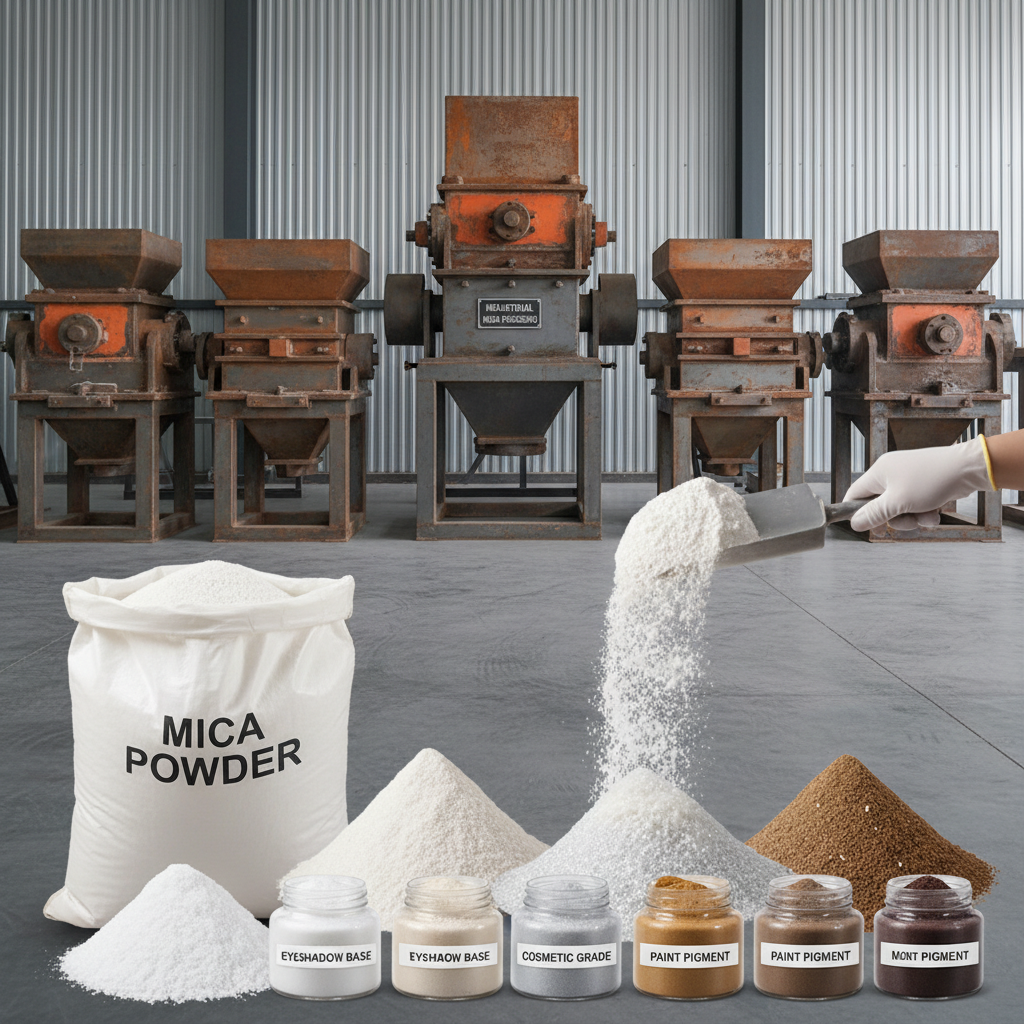
What is Mica Powder and Why Use It?
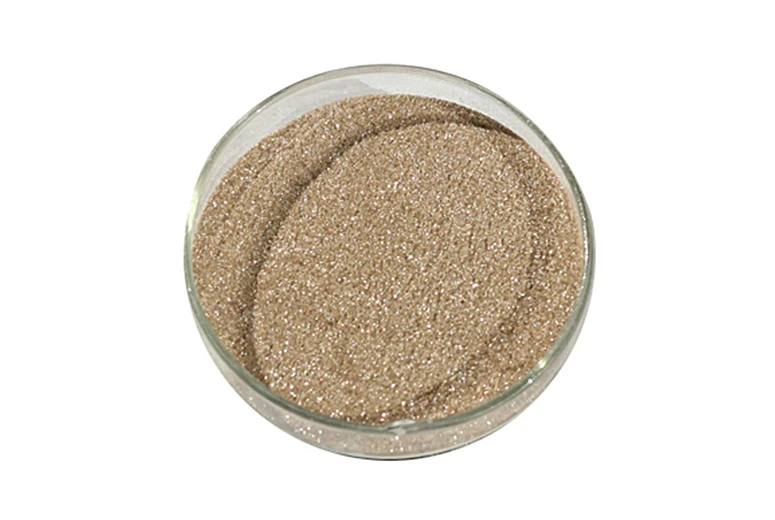
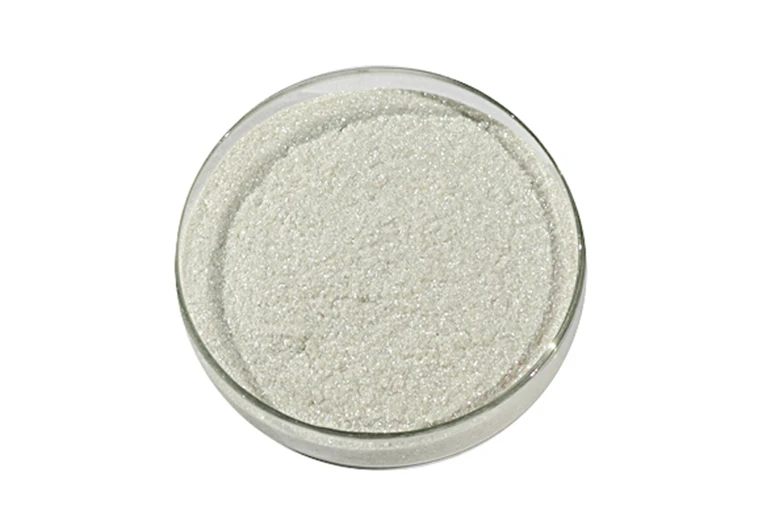
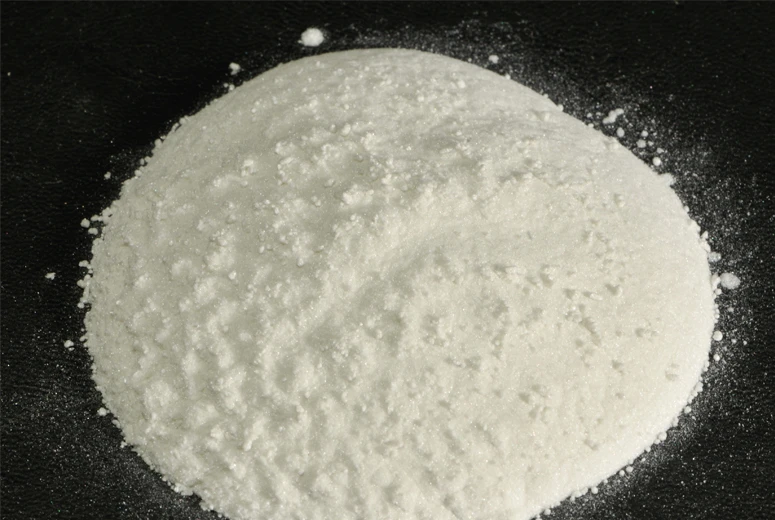
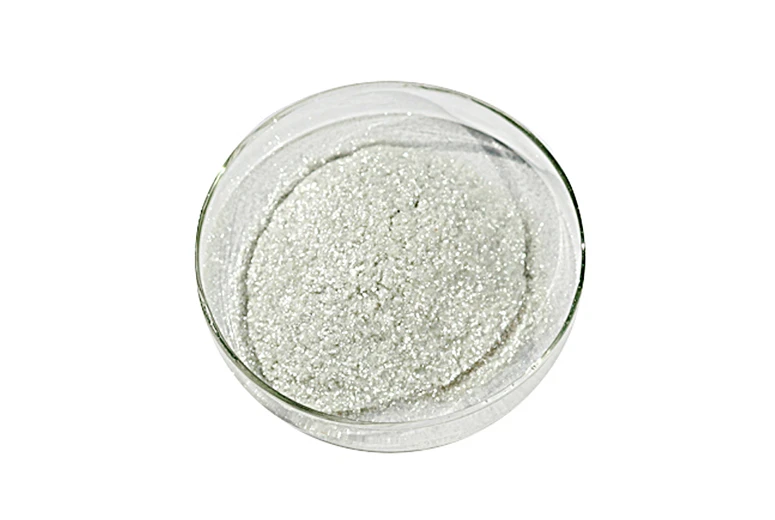
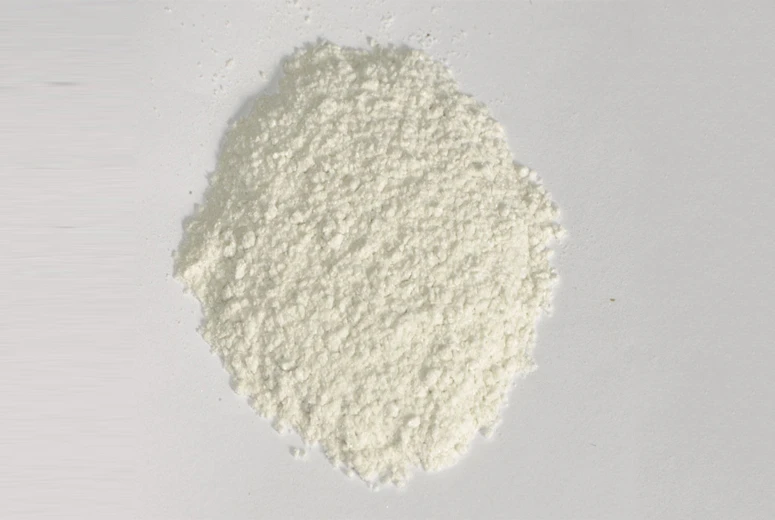
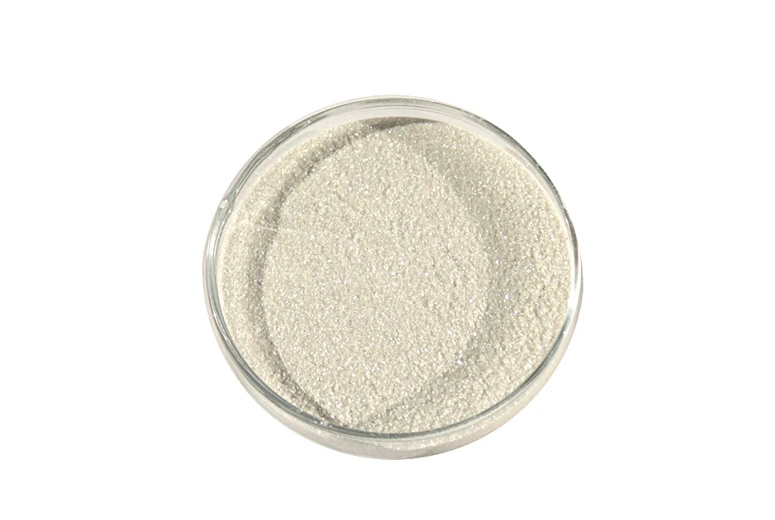
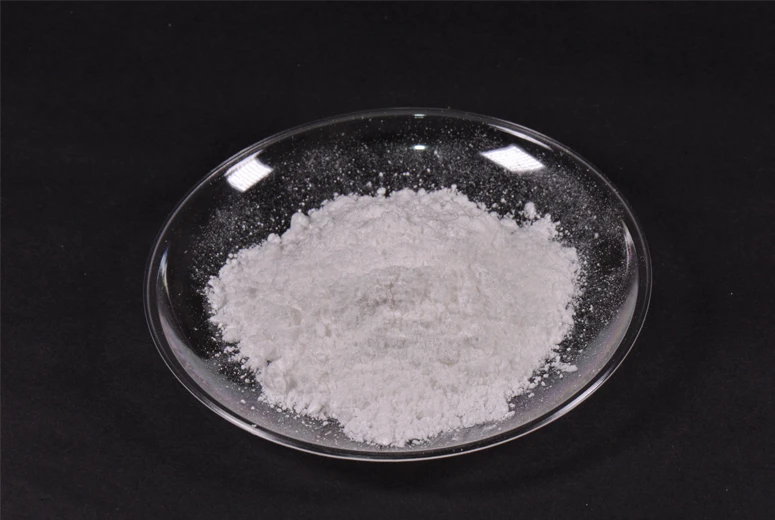
Mica is a naturally occurring mineral composed of silicate materials. It’s prized for its pearlescent luster and ability to reflect light. When ground into a fine powder, it becomes an incredibly effective pigment and additive for paints. The benefits are numerous: enhanced durability, improved adhesion, increased UV protection, and, of course, stunning visual effects. Unlike glitter, mica provides a sophisticated shimmer rather than a chunky sparkle. HJ Mica provides a comprehensive range of mica powders to suit a broad range of applications.
Key Highlights: Mica powder enhances durability, improves adhesion, provides UV protection, and delivers stunning visual effects in paints.
Types of Mica Powder for Paint
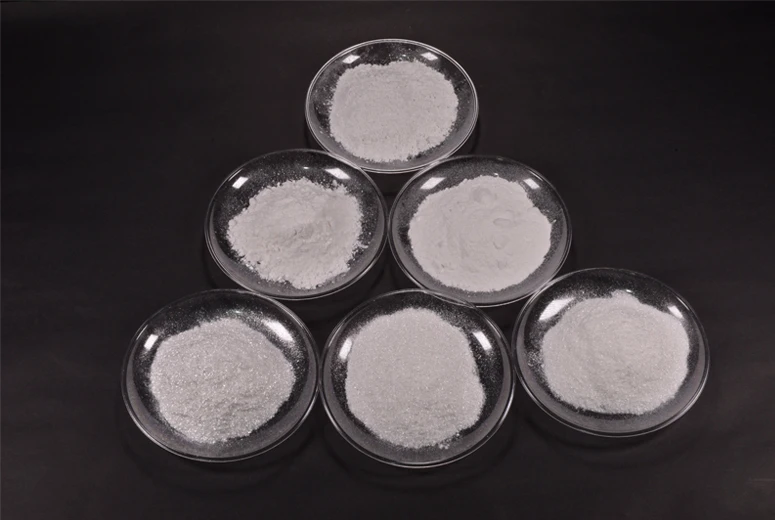
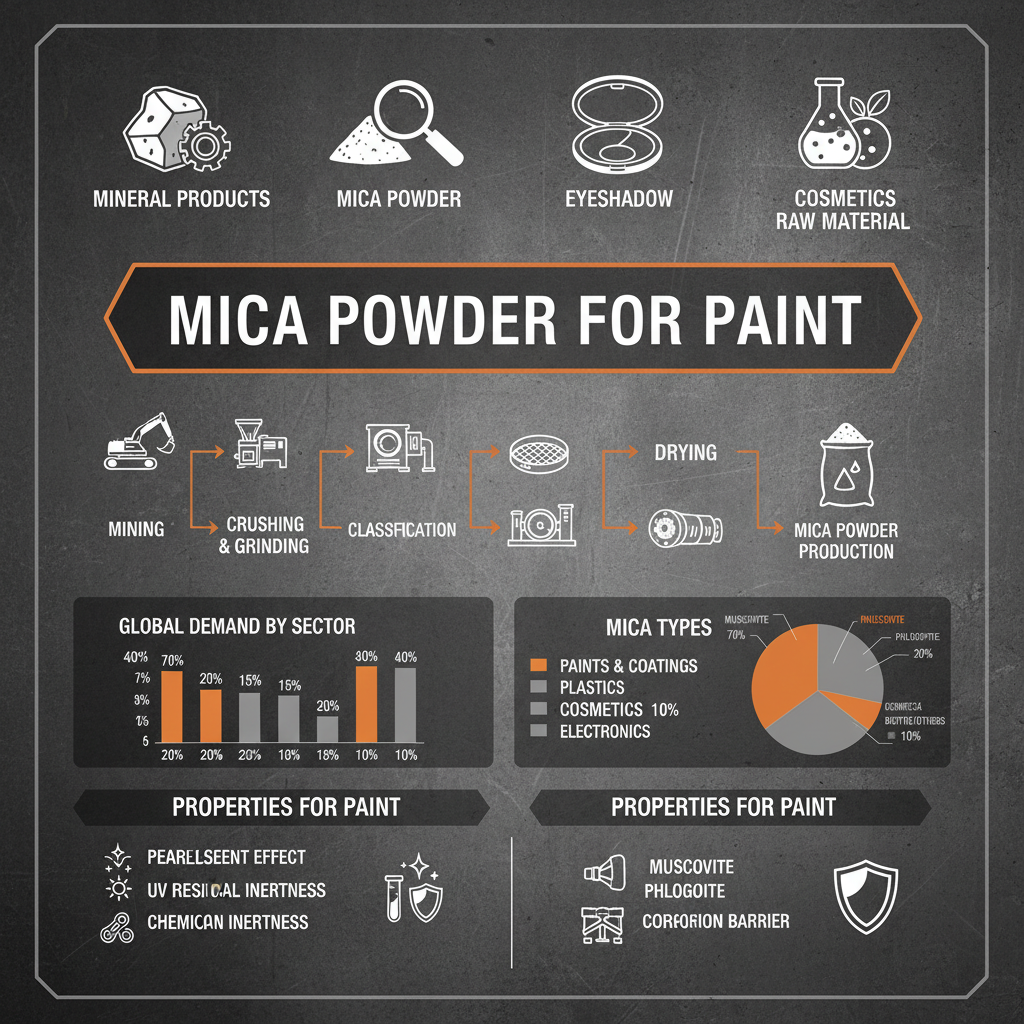
Not all mica powders are created equal! Several types cater to different aesthetic goals. The most common include: Muscovite Mica (known for its high clarity and brilliance), Fluorophlogopite Mica (superior heat resistance and color purity), and Synthetic Mica (often used where consistent particle size and specific effects are needed). Pearl Mica imparts a subtle shimmer, while Interference Mica creates a color-shifting effect. Color-coated micas offer vibrant, opaque colors with a pearlescent sheen. Understanding these distinctions is vital for achieving the desired look in your paint formulations.
Mica Powder Types:
• Muscovite Mica: High clarity and brilliance.
• Fluorophlogopite Mica: Superior heat resistance and color purity.
• Synthetic Mica: Consistent particle size and specific effects.
• Pearl Mica: Subtle shimmer.
Choosing the Right Mica Powder for Your Application
The ideal mica powder depends heavily on your intended application. For automotive paints, fluorophlogopite mica is preferred due to its excellent heat and UV resistance. Artist acrylics often utilize synthetic micas for their consistent color and predictable results. Epoxy resin applications benefit from the clarity of muscovite mica. Consider the base of your paint (water-based, solvent-based, epoxy, etc.) as some mica powders are more compatible with certain systems than others. HJ Mica’s technical team can offer guidance on selecting the perfect mica powder for your specific requirements.
Mica Powder Particle Size and Paint Performance
Particle size is a critical factor influencing the final appearance and performance of your paint. Smaller particle sizes (e.g., 5-15 microns) create a smoother, more even distribution of shimmer. Larger particles (e.g., 20-40 microns) offer a more pronounced sparkle. The choice depends on the desired effect. Furthermore, particle size impacts paint viscosity and application characteristics. HJ Mica provides detailed specifications on particle size distribution for each of its products.
Safety Considerations When Working with Mica Powder
While generally considered safe, mica powder can be an irritant if inhaled. Always wear a dust mask or respirator when handling it. Avoid contact with eyes and skin. Work in a well-ventilated area. Proper handling and safety precautions are essential to protect your health. Refer to the Material Safety Data Sheet (MSDS) for detailed safety information. HJ Mica provides comprehensive MSDS documentation for all of its products.
Conclusion: Unleash Your Creativity with Mica Powder
Incorporating mica powder for paint opens a world of creative possibilities. From subtle shimmer to dramatic color shifts, it's a powerful tool for enhancing the aesthetic appeal and performance of your painted products. By understanding the different types, applications, and safety considerations, you can harness the full potential of this remarkable mineral.
Frequently Asked Questions (FAQs)
What is the typical loading rate for mica powder in paint?
The optimal loading rate depends on the type of mica, the desired effect, and the paint's base. Generally, a loading rate of 5-20% by weight is common. However, it's best to start with a lower concentration (e.g., 5%) and gradually increase it until you achieve the desired shimmer or effect. Higher concentrations can affect the paint's viscosity and application properties. It’s always recommended to test small batches before scaling up production. HJ Mica’s technical support can provide guidance tailored to your specific formulation.
Can mica powder be used in all types of paint?
Mica powder is compatible with a wide range of paint types, including water-based acrylics, solvent-based enamels, epoxy resins, and automotive coatings. However, compatibility can vary depending on the specific paint formulation and the type of mica used. It’s important to consider the paint’s pH and solvent compatibility. Testing a small sample is always recommended to ensure proper dispersion and avoid any adverse reactions.
How do I achieve a uniform dispersion of mica powder in my paint?
Proper dispersion is crucial for achieving a consistent shimmer and avoiding clumping. Start by slowly adding the mica powder to the paint while continuously mixing. A high-shear mixer or a ball mill can help to break down agglomerates and ensure uniform distribution. Using a wetting agent or dispersing aid can also improve the dispersion process, especially for solvent-based paints. It is often best to pre-mix the mica powder with a small amount of the binder before adding it to the bulk paint.
Where can I purchase high-quality mica powder?
HJ Mica is a leading supplier of high-quality mica powders for a wide range of applications. We offer a diverse selection of colors, particle sizes, and types to meet your specific needs. Our products are rigorously tested to ensure purity, consistency, and performance. We also provide technical support and custom blending services.
-
Ultimate Guide to Using High Quality Pearl Paint Pigment for LusterNewsApr.16,2026
-
Elevating Automotive Aesthetics with Mica Powder Car PaintNewsApr.09,2026
-
Comprehensive Guide to Mica Dye Powder Applications and BenefitsNewsApr.04,2026
-
Unlocking the Brilliance of Mica Pigment Paint for Diverse ApplicationsNewsMar.31,2026
-
Enhancing Concrete Performance with Durable Mica Chips for Concrete ApplicationsNewsMar.28,2026