
Synthetic Mica Cosmetics: Clean, Ethical, High-Shine Makeup
HC40 Synthetic Mica for Beauty Brands: Clean sparkle without the drama
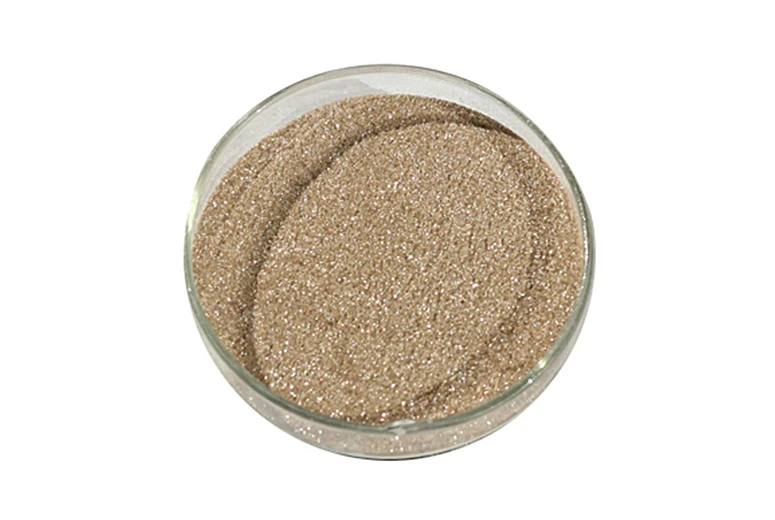
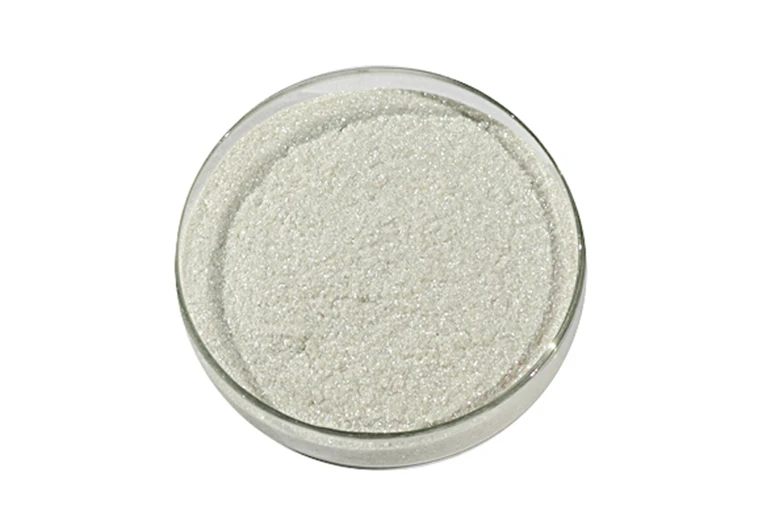
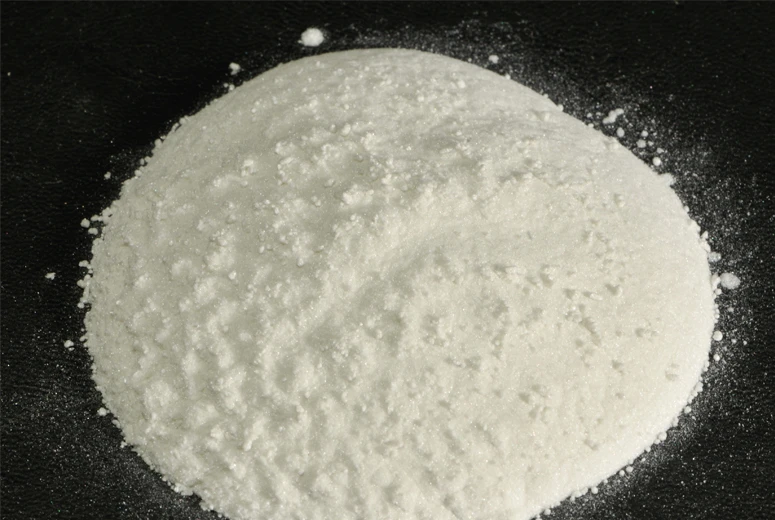
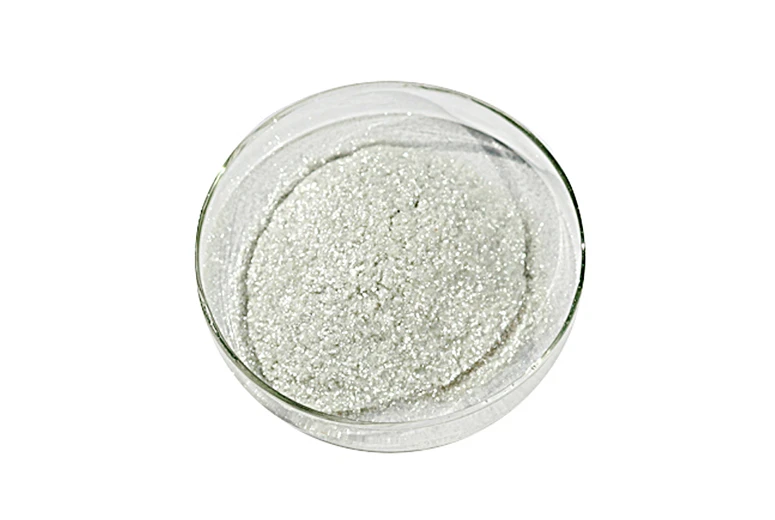
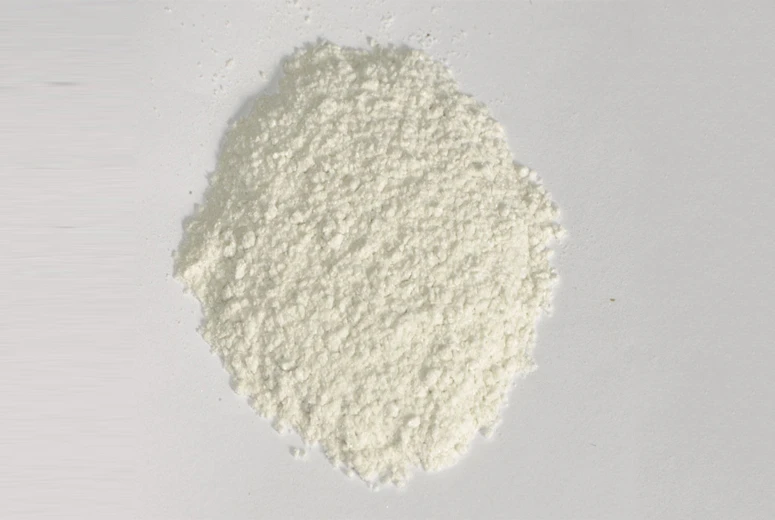
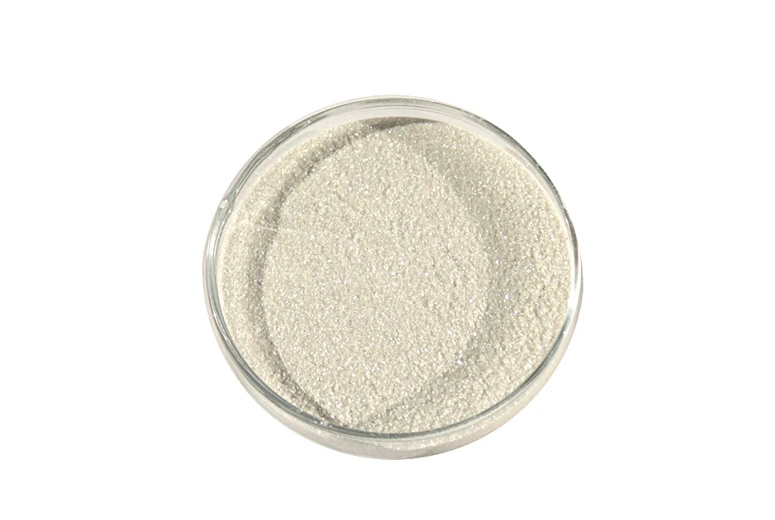
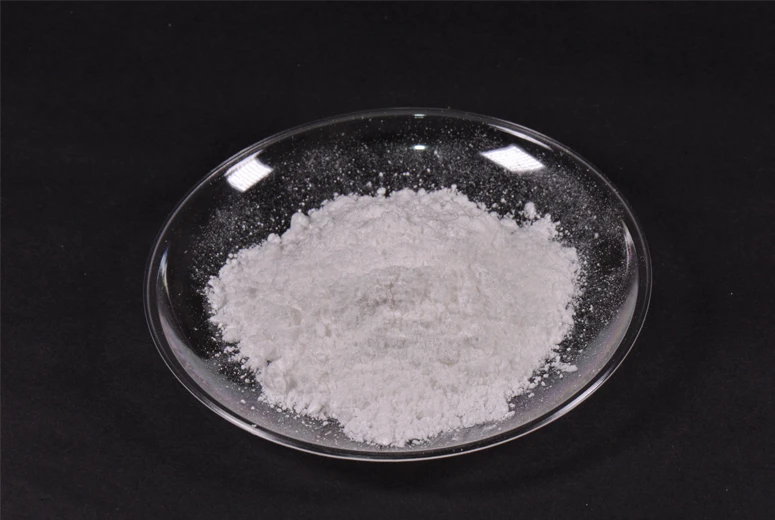
If you’ve been hunting for reliable synthetic mica cosmetics suppliers, you’ve probably heard the same promises. Consistency, purity, payoff. The reality? Only a few pull it off at scale. I’ve spent enough time in labs and on factory floors to say HC40 Synthetic Mica (origin: Xujiatuan Ciyu Town, Lingshou County, Shijiazhuang, Hebei, China) actually holds up where others wobble—especially on color uniformity and adhesion.
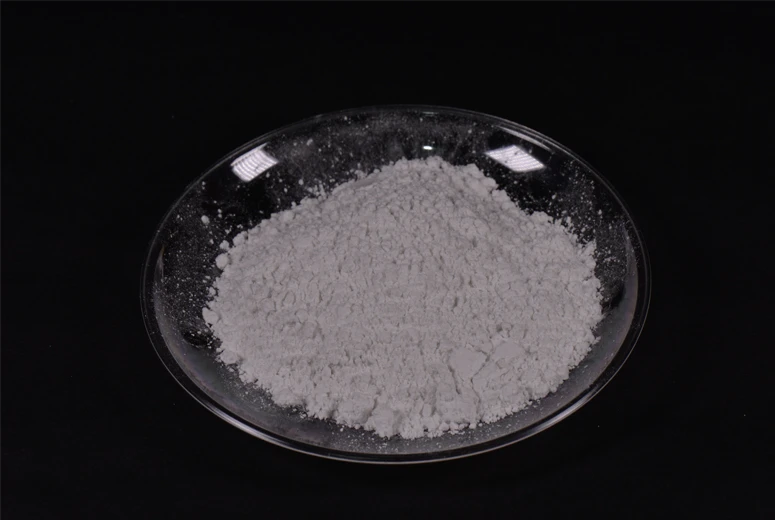
What’s trending (and why HC40 fits)
The industry shift from mined mica to synthetic fluorophlogopite is real—cleaner trace-metal profiles, tighter particle control, and fewer ethical headaches. Color houses want batch-to-batch ΔE stability; indie brands want that glassy sheen without fallout. HC40 sits mid-range in particle size—think refined sparkle, like city lights in fog rather than glitter chunks. Many customers say it “sticks like a high-end binder,” and, to be honest, it shows in swatch retention.
Technical snapshot: HC40 specs
| Material | Synthetic fluorophlogopite (cosmetic grade) |
| Median particle size (D50) | ≈ 40 μm (laser diffraction, ISO 13320) |
| Purity | > 99% inorganic; no natural mica impurities |
| Color consistency | ΔE typically |
| Heavy metals | Pb |
| Moisture | |
| Microbiology | TAMC/TYMC within ISO 17516 limits |
| Shelf life | 36 months sealed, cool/dry; performance stable in typical cosmetic matrices |
How it’s made (short version)
- Materials: high-purity silica, alumina, magnesium, fluorine sources → synthetic fluorophlogopite.
- Methods: high-temp melt crystallization → controlled cooling → delamination → jet milling → precise classification.
- Optional surface treatments: TiO2/Fe2O3 coatings for pearl effects; hydrophobic silane for better pressability.
- Testing: particle size (ISO 13320), heavy metals (ISO 21392), microbiology (ISO 17516), color ΔE spectro.
- Packaging: PE-lined kraft bags (≈20 kg); COA, TDS, SDS supplied.
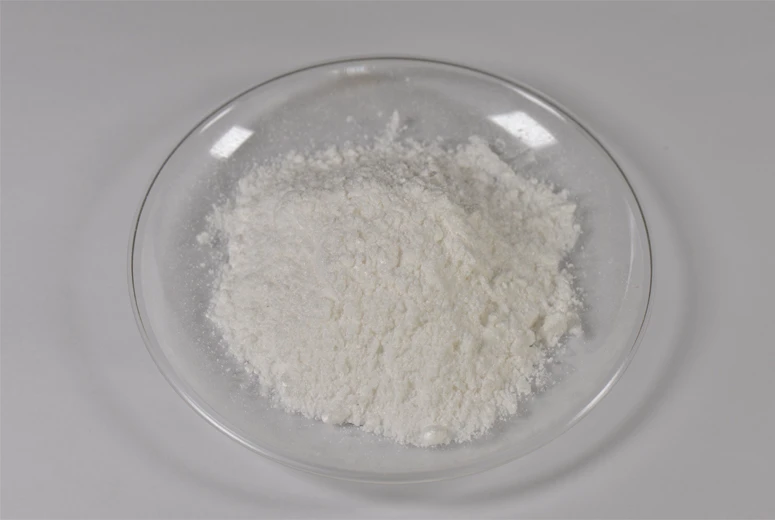
Applications and real-world feedback
Eyeshadow pans, highlighters, nail gels, body luminizers, even hybrid SPF sticks (as a texture/visual modifier). In fact, makeup artists tell me fallout drops noticeably. Internal tape-rub tests suggest 25–40% less particle transfer vs. typical natural mica of similar cut—real-world use may vary.
Mini case notes
- Indie eye palette (EU): switched base filler to HC40 → fallout complaints down 32% over two months; batch ΔE variance stayed under 1.0.
- APAC nail brand: added HC40 under a pearlescent coat → smoother laydown at 0.5–1.0% w/w, curing uniformity improved (visual score by QA team).
Vendor snapshot (why it matters)
| Vendor | Particle D50 | Batch ΔE | Heavy Metals | Certs/Docs | Lead Time |
|---|---|---|---|---|---|
| HJ Mica HC40 | ≈40 μm | Typically | Meets ISO 21392 targets | ISO 9001, COA/TDS/SDS, REACH statement | 7–15 days |
| Vendor B | 30–60 μm | ~1.5 | Variable | Basic COA | 3–4 weeks |
| Vendor C | ≈45 μm | ~1.2 | Meets EU 1223/2009 | REACH, SDS | 2–3 weeks |
Customization and compliance
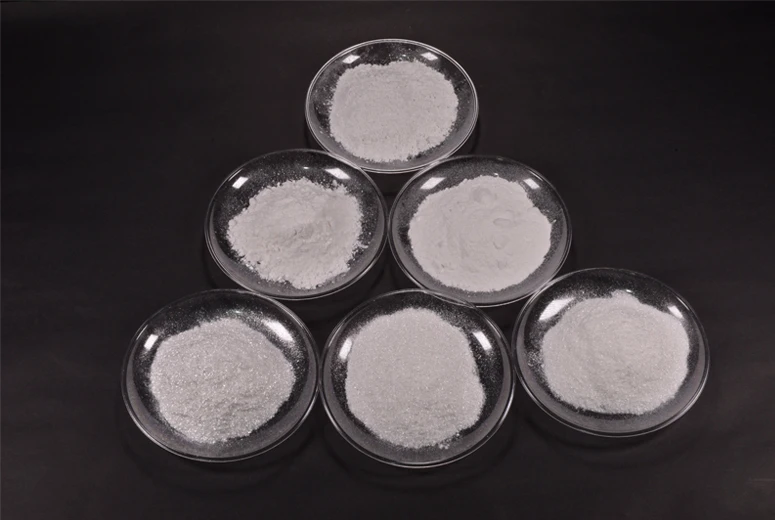
Custom cuts (D50 ≈ 15–80 μm), hydrophobic treatment, or TiO2/iron oxide coatings are available. Documentation covers ISO 9001, cosmetic safety statements, vegan/cruelty-free declarations, and REACH. For synthetic mica cosmetics going global, that paperwork saves you sleepless nights.
Bottom line: if you need mid-size sparkle with excellent adhesion and tight batch control, HC40 is a solid workhorse. It seems that brands enjoy fewer reformulations, which—honestly—pays for itself.
References
- ISO 21392:2021 – Cosmetics — Analytical methods — Measurement of trace elements. https://www.iso.org/standard/72211.html
- ISO 17516:2014 – Cosmetics — Microbiology — Microbiological limits. https://www.iso.org/standard/57326.html
- ISO 13320:2020 – Particle size analysis by laser diffraction. https://www.iso.org/standard/69111.html
- Regulation (EC) No 1223/2009 on cosmetic products (EU). https://eur-lex.europa.eu/eli/reg/2009/1223/oj
- 21 CFR 73.1496 – Mica as color additive (US FDA). https://www.ecfr.gov/current/title-21/part-73
-
Ultimate Guide to Using High Quality Pearl Paint Pigment for LusterNewsApr.16,2026
-
Elevating Automotive Aesthetics with Mica Powder Car PaintNewsApr.09,2026
-
Unlock Stunning Effects with Mica Powder for Paint ApplicationsNewsApr.07,2026
-
Comprehensive Guide to Mica Dye Powder Applications and BenefitsNewsApr.04,2026
-
Unlocking the Brilliance of Mica Pigment Paint for Diverse ApplicationsNewsMar.31,2026
-
Enhancing Concrete Performance with Durable Mica Chips for Concrete ApplicationsNewsMar.28,2026