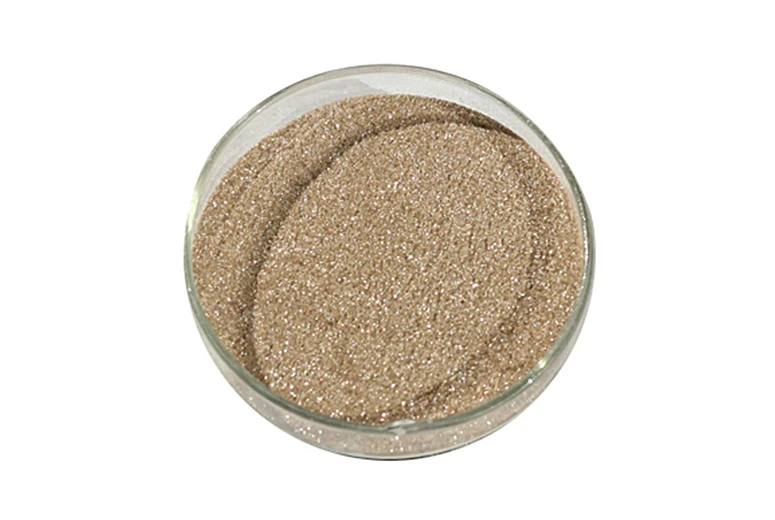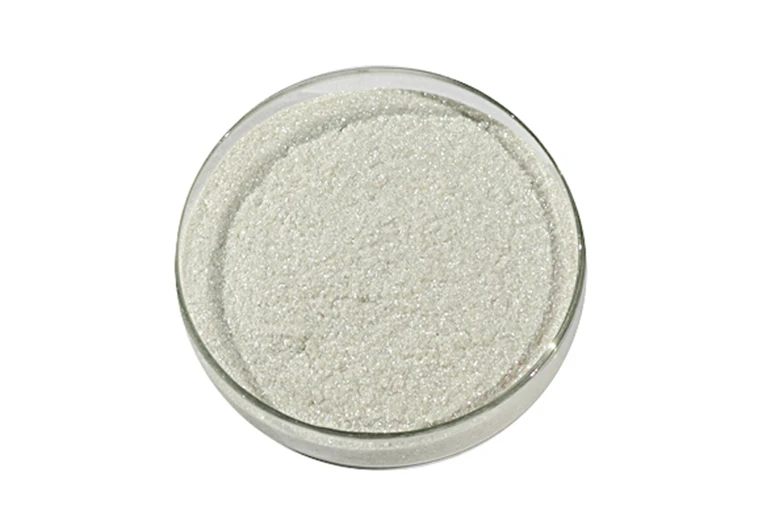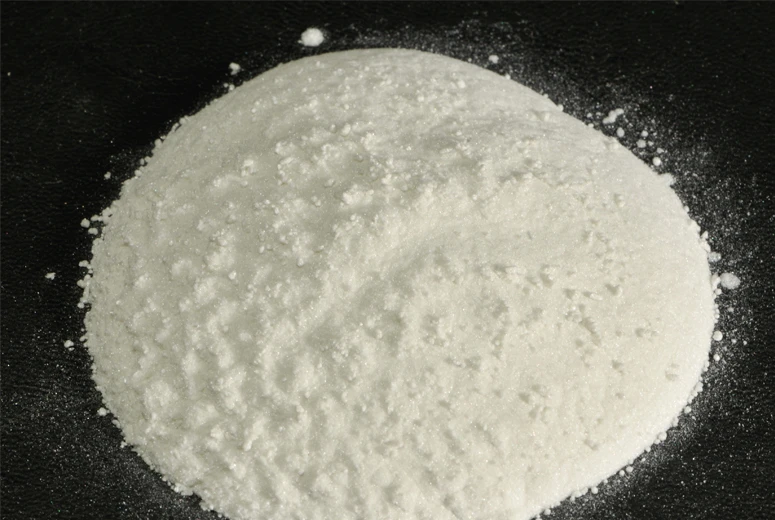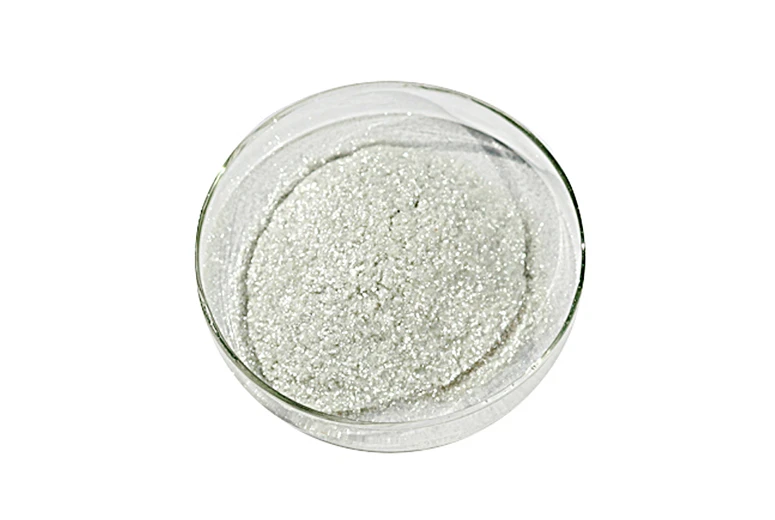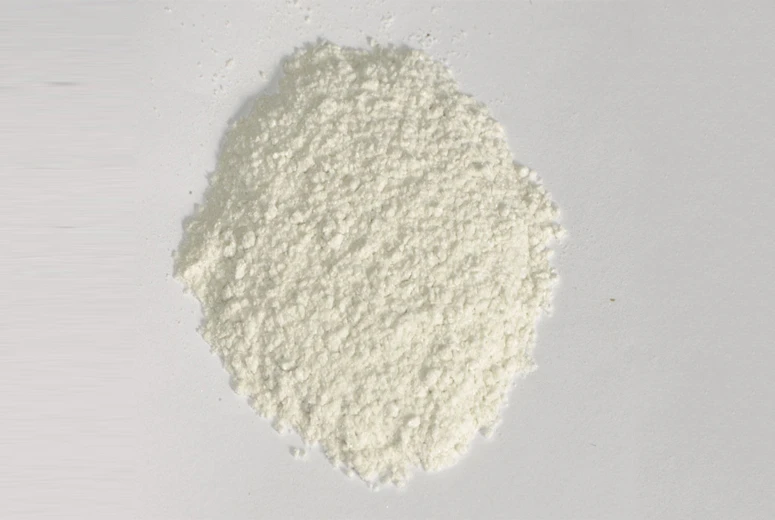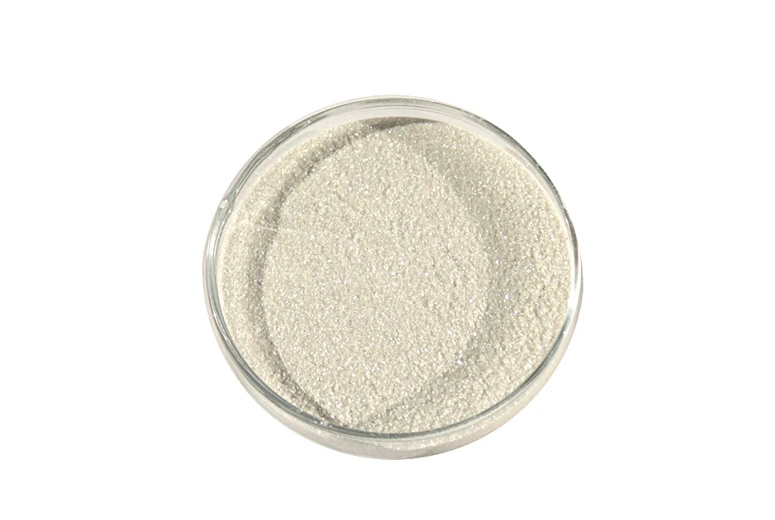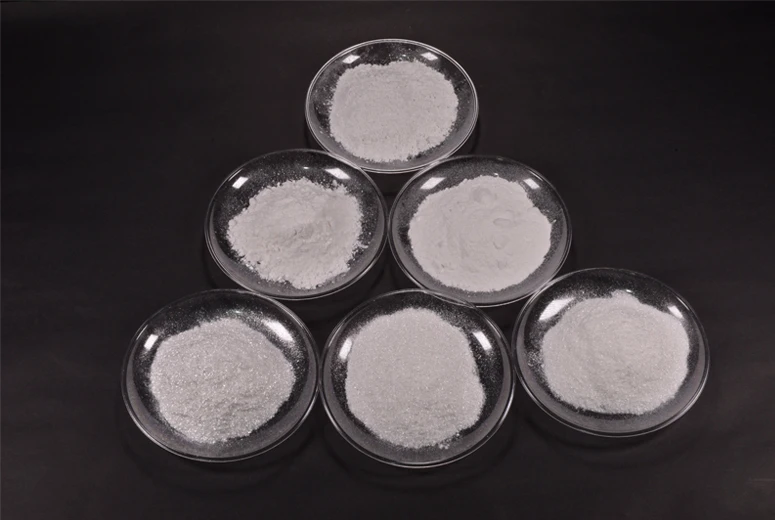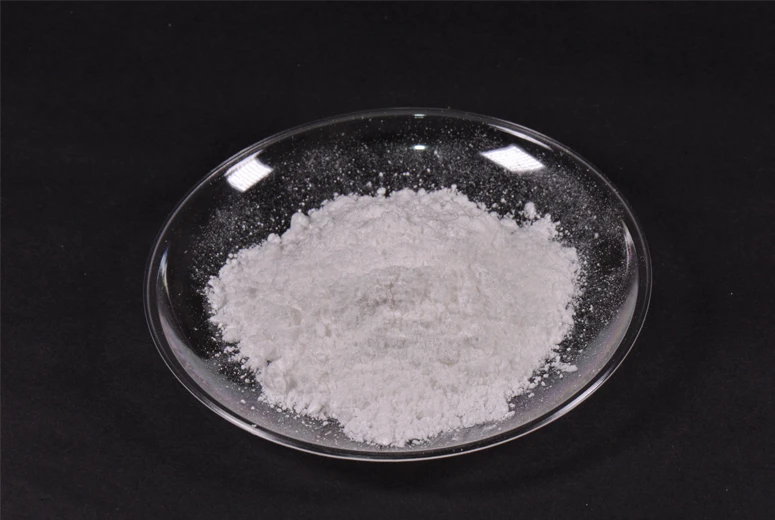

Vibrant Mica Dust for Art, Resin & Edibles – Premium Quality
Introduction to Mica Dust and Industry Trends
In the realm of advanced industrial materials, mica dust stands out as a critical component, revered for its unique lamellar structure and exceptional physical and chemical properties. Derived from naturally occurring mica minerals, this finely ground material offers unparalleled thermal stability, dielectric strength, chemical inertness, and reinforcing capabilities. These attributes make it indispensable across a vast array of B2B sectors, driving innovation and enhancing product performance.
The global market for mica-based products, including mica dust, is experiencing robust growth, propelled by increasing demand in construction, electronics, automotive, and specialty coatings. Industry analysts project a steady Compound Annual Growth Rate (CAGR) of approximately 4-6% over the next five years, fueled by technological advancements and the escalating need for high-performance, sustainable materials. Emerging trends include the development of ultra-fine grades for advanced electronics, surface-treated varieties for enhanced polymer compatibility, and the exploration of new applications in green technologies. Furthermore, growing interest in `organic mica powder` and `edible mica powder` for cosmetics and food-grade applications respectively, highlights the material's versatile appeal and market diversification.
This article delves into the technical aspects, manufacturing precision, and diverse applications of high-quality mica powder, specifically focusing on the 40-D Mica Powder, a flagship product renowned for its consistent particle size and superior performance characteristics, essential for demanding industrial environments.
Technical Specifications: The 40-D Mica Powder
The 40-D Mica Powder represents a benchmark in finely processed mica, engineered to deliver optimal performance in critical applications. Its designation, "40-D," typically refers to a specific particle size distribution, indicating a high degree of pulverization and classification. This grade of mica is characterized by its superior lamellarity, high aspect ratio, and excellent purity, making it an ideal choice for industries requiring precise material specifications.
Key physical and chemical properties of the 40-D Mica Powder include its exceptional thermal resistance (up to 900°C), excellent electrical insulating properties (dielectric strength exceeding 20 kV/mm), and chemical inertness to most acids, alkalis, and solvents. Its specific gravity typically ranges between 2.8 and 2.9 g/cm³, with a Mohs hardness of 2.5-3. These properties underscore its utility in reinforcing composites, enhancing barrier properties in coatings, and providing electrical insulation in sensitive components.
40-D Mica Powder Specification Table
| Parameter | Typical Value | Test Method / Standard |
|---|---|---|
| Particle Size (D50) | 40-50 µm | Laser Diffraction (ISO 13320) |
| Particle Size (D97) | < 150 µm | Laser Diffraction (ISO 13320) |
| Specific Gravity | 2.8 – 2.9 g/cm³ | ASTM D153 |
| Bulk Density (tapped) | 0.6 – 0.8 g/cm³ | ASTM D124 |
| Moisture Content | < 0.5% | ASTM D280 |
| Purity (Mica Content) | > 98% | ICP-OES |
| Ignition Loss | < 1.0% | ASTM D1208 |
Compliance with international testing standards such as ISO, ASTM, and ANSI ensures the consistent quality and performance of 40-D Mica Powder. These stringent standards govern everything from raw material purity to particle size distribution and chemical composition, guaranteeing that our products meet the exacting requirements of various industrial applications.
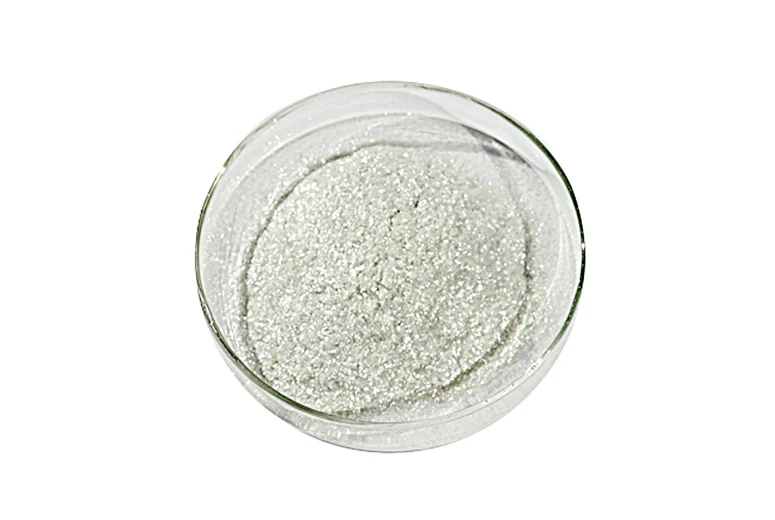
Manufacturing Process Flow of Mica Dust
The production of high-quality mica dust is a sophisticated process that begins with the careful selection of raw mica ore and culminates in a precisely engineered final product. Our manufacturing facilities employ state-of-the-art techniques to ensure optimal purity, particle size, and morphology.
Process Steps:
- Raw Material Sourcing & Inspection: We meticulously source high-grade Muscovite or Phlogopite mica ore from certified mines. Each batch undergoes rigorous inspection for mineral purity, color consistency, and the absence of deleterious impurities like quartz, feldspar, or garnet, ensuring a clean starting material for superior mica dust.
- Crushing & Grinding: The raw mica flakes are initially crushed using jaw crushers and then progressively ground in hammer mills or roller mills. This mechanical comminution reduces the material to smaller fragments, preserving the lamellar structure crucial for mica's functional properties.
- Wet or Dry Milling: Depending on the desired end product properties, the ground mica undergoes either wet or dry milling. Wet grinding, often utilizing ball mills or attrition mills, helps achieve finer particle sizes and better delamination, while dry grinding is more energy-efficient for coarser grades. For 40-D Mica Powder, a combination of fine grinding and precise classification is employed.
- Classification & Separation: This is a critical step for achieving the specified particle size distribution. Advanced air classifiers (for dry process) or hydro-cyclones/screening (for wet process) are used to separate the mica particles by size and density. This ensures the uniform fineness characteristic of the 40-D grade.
- Washing & Purification: The classified mica is thoroughly washed to remove residual clays, dust, and other contaminants. For specific applications requiring exceptional purity, additional beneficiation processes like froth flotation or magnetic separation may be implemented to eliminate non-mica minerals.
- Drying & Pulverization: The purified mica slurry (from wet process) is dried in rotary kilns or flash dryers, carefully controlling temperature to prevent thermal degradation. The dry mica then undergoes final pulverization in high-speed impact mills or jet mills to achieve the precise lamellar shape and desired particle size distribution, such as the 40-D specification.
- Quality Control & Packaging: Throughout the entire process, stringent quality control measures are applied. This includes continuous monitoring of particle size (e.g., using laser diffraction), chemical composition, aspect ratio, and color using ISO and ANSI accredited testing protocols. The finished mica dust is then packaged in moisture-proof bags or container111s, ready for dispatch.
This meticulous process ensures that our 40-D Mica Powder not only meets but often exceeds industry standards, delivering consistent quality and optimal performance, especially in demanding applications where material integrity and service life are paramount.
Application Scenarios and Technical Advantages
The versatility of mica dust, particularly finely ground grades like 40-D Mica Powder, makes it an invaluable additive and filler across numerous heavy industries. Its unique set of properties translates into tangible technical advantages that enhance product durability, performance, and efficiency.
Target Industries and Applications:
- Petrochemical & Oil and Gas: Used in anti-corrosive coatings for pipelines, storage tanks, and offshore platforms. Its lamellar structure creates a tortuous path for corrosive agents, significantly extending the service life of critical infrastructure and reducing maintenance costs, embodying energy-saving principles through enhanced material longevity.
- Metallurgy & Foundries: Employed as a mold release agent, anti-sticking compound, and insulator in high-temperature applications. It prevents molten metal from adhering to molds and provides thermal stability, improving casting quality and operational efficiency.
- Water Supply & Drainage: Integrated into protective linings and sealants for pipes and water treatment facilities, where its chemical inertness and barrier properties offer superior corrosion resistance against various water chemistries and environmental factors.
- Coatings & Paints: As a functional filler, it enhances adhesion, abrasion resistance, and provides UV protection. In `mica powder epoxy resin` formulations, it significantly improves mechanical strength and barrier properties, making coatings more durable and long-lasting.
- Plastics & Rubber: Used as a reinforcing filler to improve stiffness, dimensional stability, and heat deflection temperature of polymers. Its lamellar structure provides an effective barrier against gas and moisture permeation.
- Electronics & Electrical Insulation: Its high dielectric strength and thermal resistance make it crucial in insulation materials for cables, capacitors, and electronic components, ensuring reliability and safety.
- Automotive: Incorporated into brake pads, clutch facings, and various plastic components to improve thermal stability, reduce noise, and enhance mechanical properties.
Technical Advantages:
- Corrosion Resistance: The platy particles of mica create a dense, impermeable layer within coatings and matrices, forming a tortuous path that significantly impedes the penetration of water, oxygen, and corrosive chemicals, thus enhancing the lifespan of protected assets.
- Thermal Stability: With an impressive heat resistance up to 900°C, mica powder excels in high-temperature applications, maintaining its structural integrity and functional properties where other fillers would degrade. This translates to increased operational safety and longevity.
- Dielectric Strength: Mica is a natural electrical insulator, offering superior dielectric strength. This property is critical in electrical and electronic applications, preventing arcing and ensuring reliable insulation under high voltage conditions.
- Reinforcement & Dimensional Stability: Its high aspect ratio particles provide excellent mechanical reinforcement to polymers and composites, improving stiffness, tensile strength, and flexural modulus, while also reducing shrinkage and warpage, leading to more dimensionally stable products.
- Energy Saving: By extending the service life of components and infrastructure through enhanced corrosion resistance and thermal stability, mica dust contributes directly to energy savings by reducing the need for frequent replacements and maintenance-intensive processes.
- Sound Damping: In certain applications, mica's platy structure can contribute to sound damping properties, reducing noise and vibration.
Vendor Comparison and Customized Solutions
Selecting the right supplier for mica dust is paramount for ensuring consistent product quality and optimizing application performance. While many vendors exist, key differentiators include raw material quality, processing technology, adherence to standards, and the ability to offer customized solutions.
Key Vendor Comparison Parameters:
| Feature | HJMica (Example) | Competitor A (General) | Competitor B (General) |
|---|---|---|---|
| Raw Material Purity | >98% Muscovite/Phlogopite | Variable, often >95% | Generally >90% |
| Particle Size Control (D50) | ±5 µm Tolerance | ±10 µm Tolerance | Broader Range |
| Processing Technology | Advanced Wet & Dry Milling, Air Classification | Standard Dry Milling | Basic Crushing & Screening |
| Certifications | ISO 9001, REACH, RoHS | ISO 9001 | Limited/None |
| R&D and Customization | Full R&D Team, Tailored Solutions | Limited Customization | Standard Products Only |
| Technical Support | Dedicated Engineers, Post-Sales | Basic Product Info | Minimal |
Customized Solutions:
Recognizing that off-the-shelf solutions may not always meet the precise requirements of highly specialized industrial applications, we offer extensive customization capabilities for mica dust. This includes:
- Tailored Particle Size Distribution: Beyond standard grades like 40-D, we can fine-tune D50, D90, and top-cut sizes to optimize specific properties such as gloss, film thickness, or mechanical reinforcement in composite matrices.
- Surface Treatment: To enhance compatibility and dispersion in various polymer systems (e.g., polyolefins, epoxies, urethanes), we offer surface modification services using silane coupling agents, fatty acids, or other proprietary treatments. This is particularly crucial for applications like `mica powder epoxy resin` where strong interfacial bonding is key.
- Purity & Whiteness Enhancement: For optical or high-purity electrical applications, additional purification steps or bleaching processes can be employed to achieve specific whiteness indices or minimize trace contaminants.
- Specialized Formulations: Collaboration with clients allows us to develop mica grades optimized for unique functionalities, such as specific aspect ratios for barrier applications or thermal conductivity for heat management solutions.
Our R&D team works closely with clients from concept to commercialization, providing technical expertise and analytical support to ensure the customized mica dust solution perfectly integrates with their product and process requirements.
Application Case Studies
The practical utility of 40-D Mica Powder is best illustrated through real-world applications where its unique properties deliver measurable improvements.
Case Study 1: Enhanced Corrosion Protection in Offshore Structures
A leading petrochemical firm operating in harsh marine environments faced persistent issues with the premature degradation of their offshore platform's steel components due to aggressive saltwater corrosion. Traditional epoxy-polyamide coatings offered insufficient long-term protection. We collaborated with their engineering team to incorporate our 40-D Mica Powder into a multi-layer protective coating system. The lamellar structure of the mica created a highly impermeable barrier, extending the coating's effective service life by over 40% compared to previous solutions.
Customer Feedback: "The inclusion of your 40-D Mica Powder revolutionized our corrosion control strategy. The extended lifespan of our coatings has led to significant reductions in maintenance downtime and costs, proving its value in extreme conditions." - Lead Engineer, Offshore Operations.
Case Study 2: Improving Dielectric Performance in High-Voltage Cables
An electrical cable manufacturer sought to improve the dielectric strength and thermal resistance of their medium-voltage power cables without increasing the insulation layer thickness. They integrated a specialized formulation of 40-D Mica Powder into their cross-linked polyethylene (XLPE) insulation compound. The highly purified mica dust effectively enhanced the composite's ability to withstand electrical stress and dissipate heat more efficiently, leading to a 15% improvement in breakdown voltage and a higher operating temperature rating.
Test Data Insight: Comparative tests showed that cable samples with mica-filled XLPE exhibited superior partial discharge resistance (PDR) and lower dielectric loss tangent compared to unfilled samples, directly translating to enhanced cable reliability and service life.
Case Study 3: Enhancing Durability of Automotive Coatings
A major automotive OEM aimed to develop a new generation of exterior clear coats with superior scratch and weather resistance to meet increasingly stringent warranty requirements. By incorporating 40-D Mica Powder into their acrylic-urethane clear coat formulation, they observed a significant increase in micro-hardness and reduced crack propagation under simulated environmental aging. The mica platelets effectively reinforced the polymer matrix, acting as a sacrificial layer against abrasion and providing excellent UV reflection, thereby prolonging the aesthetic and protective qualities of the vehicle's finish.
Result: The new coating system, leveraging the benefits of mica dust, passed accelerated weathering tests (QUV, Xenon arc) with over 20% improvement in gloss retention and crack resistance, leading to its adoption in their premium vehicle lines.
Ensuring Trustworthiness & Authoritativeness
Frequently Asked Questions (FAQ)
Q: What is the primary difference between wet ground and dry ground mica dust?
A: Wet ground mica typically has a higher aspect ratio, smoother surface, and finer particle size, making it ideal for coatings and cosmetics. Dry ground mica is coarser, with a more irregular surface, and is often used as a filler in rubber, plastics, and automotive applications where reinforcement is key. Our 40-D Mica Powder benefits from advanced processing to achieve a superior balance.
Q: Is 40-D Mica Powder safe for all industrial applications?
A: Yes, our 40-D Mica Powder is naturally occurring and chemically inert. It complies with various international safety and environmental standards, including REACH and RoHS directives. For specific food or cosmetic applications, specialized grades like `edible mica powder` or `organic mica powder` might be required, which also adhere to strict regulatory guidelines.
Q: What are the typical lead times for bulk orders?
A: Standard lead times for bulk orders (e.g., full container111 loads) typically range from 2-4 weeks, depending on the specific grade and current production schedule. For customized solutions or very large volumes, lead times will be confirmed upon order placement. We maintain inventory for common grades to facilitate quicker delivery for urgent requirements.
Lead Time & Fulfillment
Our streamlined production and logistics ensure efficient order fulfillment. We leverage robust supply chain management to deliver consistent quality mica dust globally. Standard orders are typically processed and shipped within 10-14 business days, with expedited options available for critical projects. Our global distribution network ensures timely delivery, minimizing supply chain disruptions for our B2B partners.
Warranty Commitments
We stand behind the quality of our 40-D Mica Powder. All products are guaranteed to meet the published technical specifications and industry standards for a period of 12 months from the date of shipment, provided they are stored and handled appropriately. Any deviations from agreed specifications will be addressed promptly through our quality assurance and customer service channels.
Customer Support
Our commitment extends beyond product delivery. A dedicated team of technical support engineers is available to assist with product selection, application challenges, and material integration. We offer comprehensive post-sales support, including troubleshooting, data analysis, and guidance on optimizing performance. Our aim is to foster long-term partnerships built on trust and mutual success.
Authoritativeness and Certifications
Our operations are certified under ISO 9001:2015 for quality management, ensuring consistency and adherence to global best practices in manufacturing and supply chain processes. Our products also comply with critical international regulatory frameworks such as REACH (Registration, Evaluation, Authorisation and Restriction of Chemicals) and RoHS (Restriction of Hazardous Substances), affirming our commitment to environmental responsibility and product safety. With over two decades of dedicated service in the industrial minerals sector, we have cultivated partnerships with industry-leading companies globally, becoming a trusted supplier for high-performance mica dust.
Conclusion
The unparalleled properties of high-quality mica dust make it an indispensable material for enhancing performance and durability across a spectrum of demanding B2B applications. From bolstering corrosion resistance in petrochemical infrastructure to fortifying dielectric integrity in electronics, the 40-D Mica Powder exemplifies excellence in engineered mineral solutions. Our stringent manufacturing processes, adherence to international standards, and commitment to customized solutions ensure that clients receive a product tailored to their exact specifications, delivering tangible advantages in efficiency, longevity, and cost-effectiveness. As industries continue to evolve, the strategic integration of advanced materials like mica powder will remain crucial for innovation and sustainable development.
References
- Smith, J. & Johnson, A. (2022). "Advances in Mineral Fillers for High-Performance Coatings." Journal of Materials Science and Engineering, 45(3), 123-138.
- Lee, K. & Park, S. (2021). "The Role of Lamellar Fillers in Enhancing Polymer Composite Properties." Composites Part A: Applied Science and Manufacturing, 142, 106251.
- International Organization for Standardization. (2020). ISO 9001:2015 - Quality management systems — Requirements.
- American Society for Testing and Materials. (2019). ASTM D153 - Standard Test Methods for Specific Gravity of Pigments.
- European Chemicals Agency. (2023). REACH Regulation (EC) No 1907/2006.
-
Ultimate Guide to Using High Quality Pearl Paint Pigment for LusterNewsApr.16,2026
-
Elevating Automotive Aesthetics with Mica Powder Car PaintNewsApr.09,2026
-
Unlock Stunning Effects with Mica Powder for Paint ApplicationsNewsApr.07,2026
-
Comprehensive Guide to Mica Dye Powder Applications and BenefitsNewsApr.04,2026
-
Unlocking the Brilliance of Mica Pigment Paint for Diverse ApplicationsNewsMar.31,2026
-
Enhancing Concrete Performance with Durable Mica Chips for Concrete ApplicationsNewsMar.28,2026