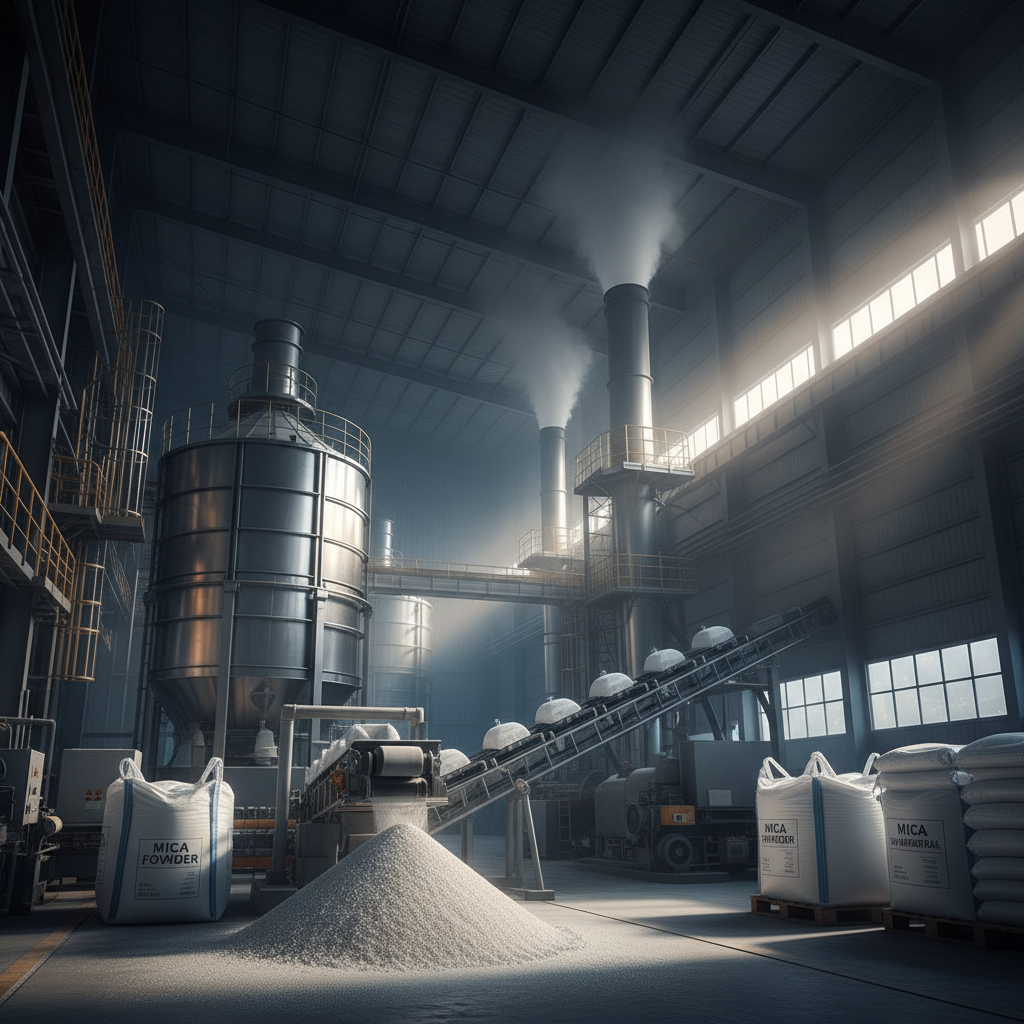
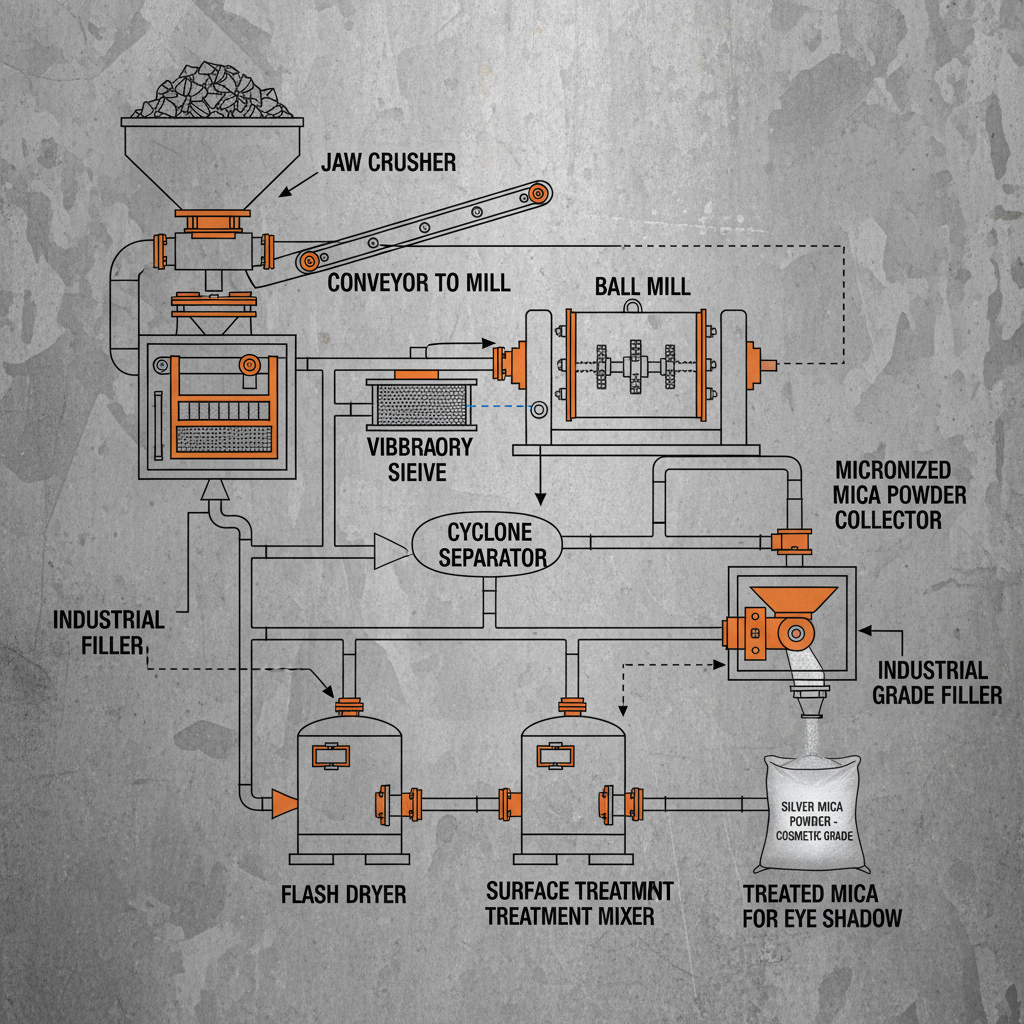
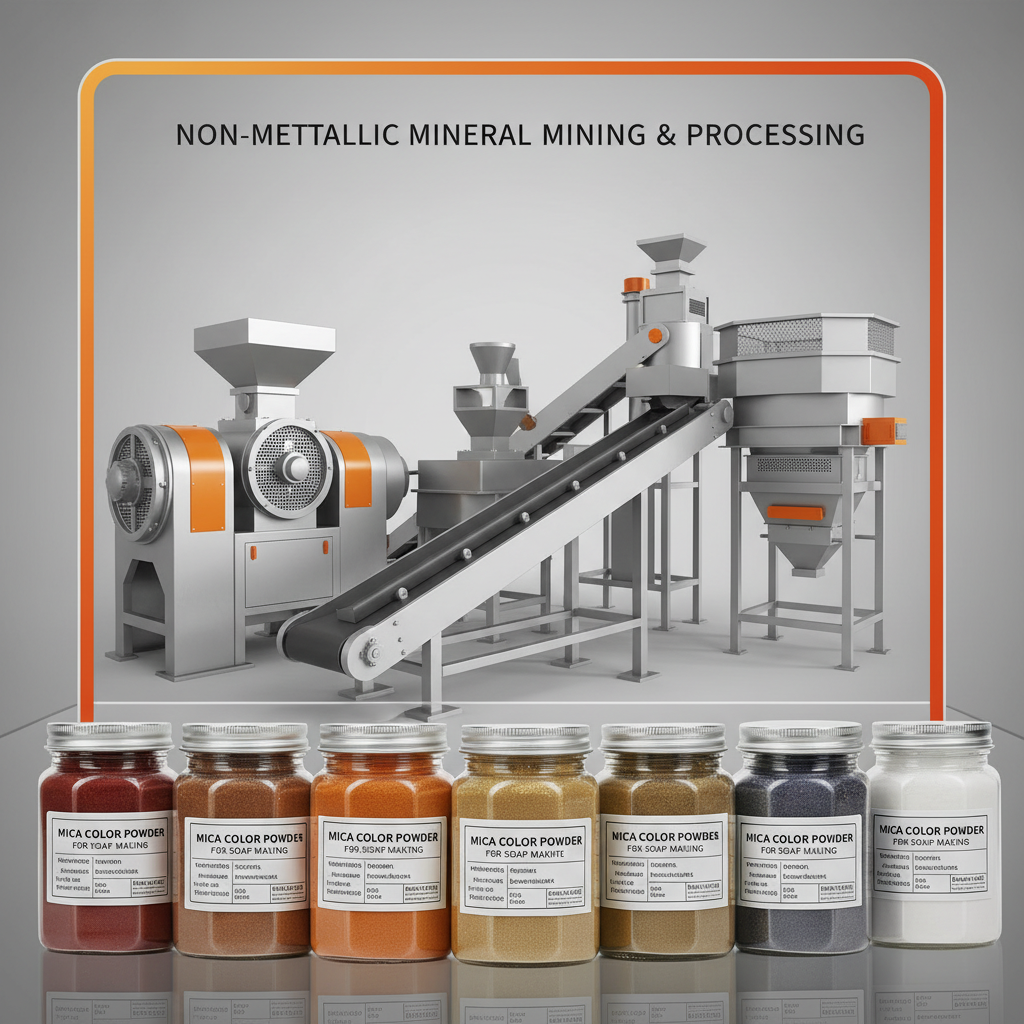
Ground mica powder – it’s more than just sparkly stuff you find in cosmetics. After years on construction sites, wrestling with materials, and talking shop with engineers, I’ve come to appreciate it as a real workhorse. It’s a naturally occurring mineral, basically sheet silicate, and when it’s ground down to a fine powder, it unlocks a surprising number of properties that make it invaluable in a whole host of applications. We're talking about improving the performance of paints, plastics, even drilling fluids, and it’s becoming increasingly important as industries demand higher performance and more sustainable materials. It's a subtle ingredient, often unseen, but critical to the final product’s success.
For decades, the construction industry has relied on materials that often come with compromises – either performance limitations, environmental concerns, or high costs. What I've seen firsthand is a growing need for additives that can address these challenges without adding complexity. Ground mica powder fits that bill perfectly. It's a natural resource, relatively inexpensive, and when incorporated properly, can significantly enhance the durability, weather resistance, and overall lifespan of construction materials. The global demand for mica is substantial – the USGS estimates millions of metric tons are consumed annually – and that's because it's a foundational element in so many things we build and manufacture.
What sets ground mica powder apart isn’t just its versatility, but its consistent performance. I’ve seen too many “miracle” additives fall flat when put to the test on a real job site. Mica, however, has a proven track record. It's been used for centuries, and modern processing techniques have only refined its properties. Whether it’s boosting the reflectivity of road markings, improving the insulating properties of roofing materials, or adding strength to polymer concrete, ground mica powder delivers reliable results, and that’s what matters most when you’re facing deadlines and demanding conditions.
The Role of Ground Mica Powder in Modern Applications
From the trenches, you quickly learn that materials science isn’t just theoretical. It's about practical results. Ground mica powder is a prime example. It’s not a flashy material, but it’s incredibly versatile. I’ve seen it used to improve the workability of concrete, enhance the UV resistance of exterior paints, and even act as a functional filler in plastics, reducing costs without sacrificing strength. It’s a go-to ingredient when you need to fine-tune a formulation for specific performance characteristics.
What I appreciate most is its ability to integrate seamlessly into existing manufacturing processes. Unlike some additives that require significant adjustments, ground mica powder can often be incorporated without major changes to equipment or procedures. That’s a huge win for efficiency and cost control, especially on large-scale projects. It's a relatively simple addition that yields tangible improvements across a wide range of products.
Global Relevance and Industry Demand for Ground Mica Powder
The demand for ground mica powder isn’t localized to one region; it’s a global phenomenon. From the booming construction markets in Asia to the sophisticated coatings industries in Europe and North America, it’s a widely used material. The UN reports a steady increase in infrastructure development worldwide, driving up demand for building materials, and that naturally translates into increased consumption of additives like mica.
What I’ve noticed is that the focus is shifting towards sustainability and responsible sourcing. Companies are under increasing pressure to minimize their environmental footprint, and ground mica powder, being a natural mineral, often presents a more eco-friendly alternative to synthetic fillers. That trend is only going to accelerate as regulations tighten and consumer awareness grows. ISO standards are also driving up the quality control, ensuring consistency and performance.
The biggest challenge right now is ensuring a stable and ethical supply chain. There’s been a lot of scrutiny around mica mining practices, particularly concerning labor conditions. That’s why responsible sourcing and transparency are so crucial. Companies need to be able to demonstrate that their mica is sourced ethically and sustainably, and that's where building strong relationships with suppliers becomes paramount.
Defining Ground Mica Powder: Composition and Properties
Let’s get down to basics. Ground mica powder isn't a single compound, but a group of silicate minerals – muscovite, phlogopite, and biotite being the most common. Think of it like a stack of incredibly thin, flexible plates. When these plates are ground down, they create a powder with a unique set of properties, including high dielectric strength, chemical inertness, and excellent thermal stability.
What really sets it apart is its lamellar structure – those flat, plate-like particles. This structure gives it a low aspect ratio, meaning the particles are much wider than they are thick. This impacts everything from how it disperses in a matrix to how it reinforces the final product. It’s this structure that allows it to act as a barrier, preventing moisture and UV radiation from penetrating materials.
Crucially, it’s chemically inert, meaning it doesn’t react with other materials. It's stable across a wide range of temperatures and pH levels, making it suitable for demanding applications. The purity of the mica powder is also critical - lower grades can contain impurities that affect performance. You need to work with suppliers who can guarantee consistent quality.
Key Properties Influencing Ground Mica Powder’s Performance
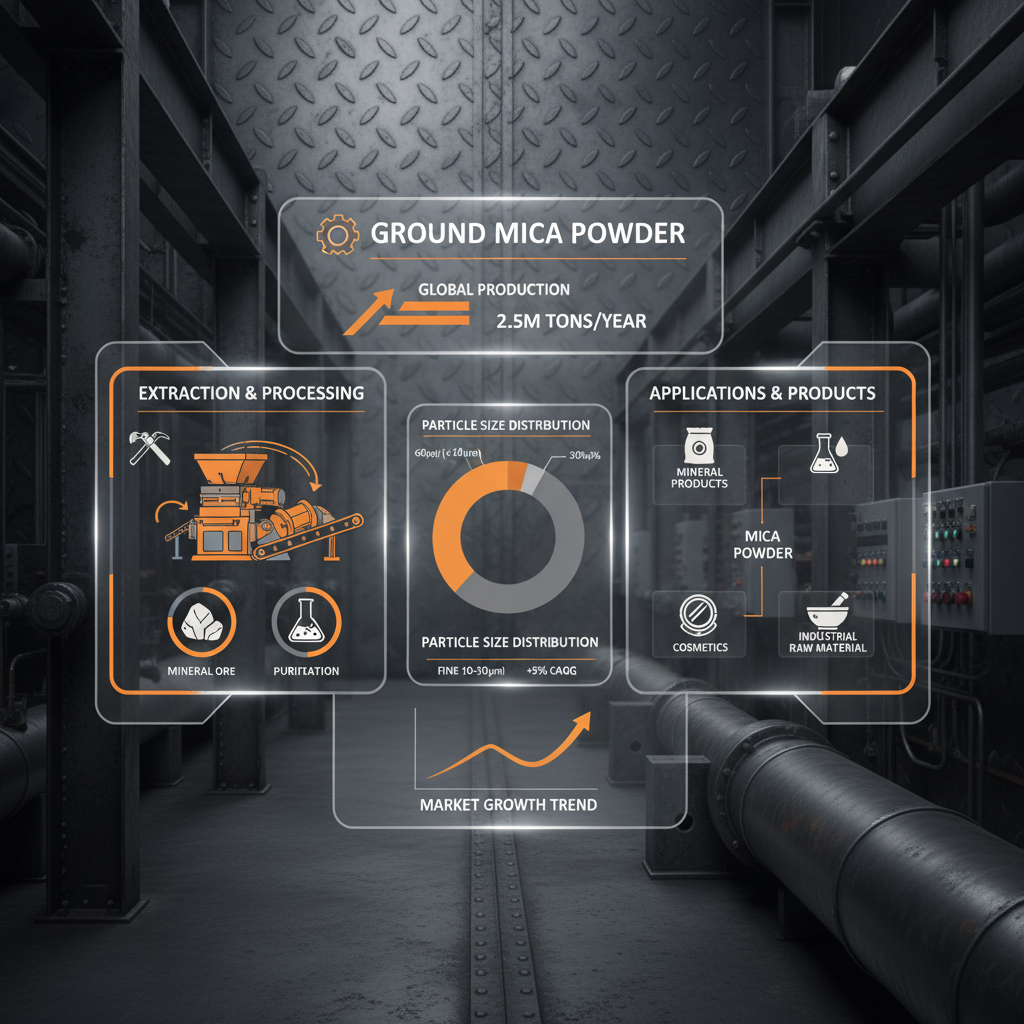
You can talk about specifications all day, but what really matters is how those specs translate into performance on the job. I’ve broken down the key properties I pay attention to: First, particle size distribution. Finer powders offer better dispersion and smoother finishes, while coarser powders can provide greater reinforcement.
Second, lamellarity - the degree to which the particles retain their plate-like structure during grinding. Higher lamellarity means better barrier properties and improved reinforcement. Third, whiteness and brightness. This is especially important in coatings and plastics where aesthetics are a factor. Finally, chemical purity – you need to know what you’re getting and ensure there are no contaminants that could compromise performance.
Ground Mica Powder Performance Factors
Diverse Applications of Ground Mica Powder Across Industries
We’ve talked about the properties, now let’s look at where it shines. In the construction sector, it’s a staple in paints, coatings, and roofing materials, improving durability and weather resistance. I’ve seen it used extensively in EIFS (Exterior Insulation and Finish Systems) to enhance crack resistance.
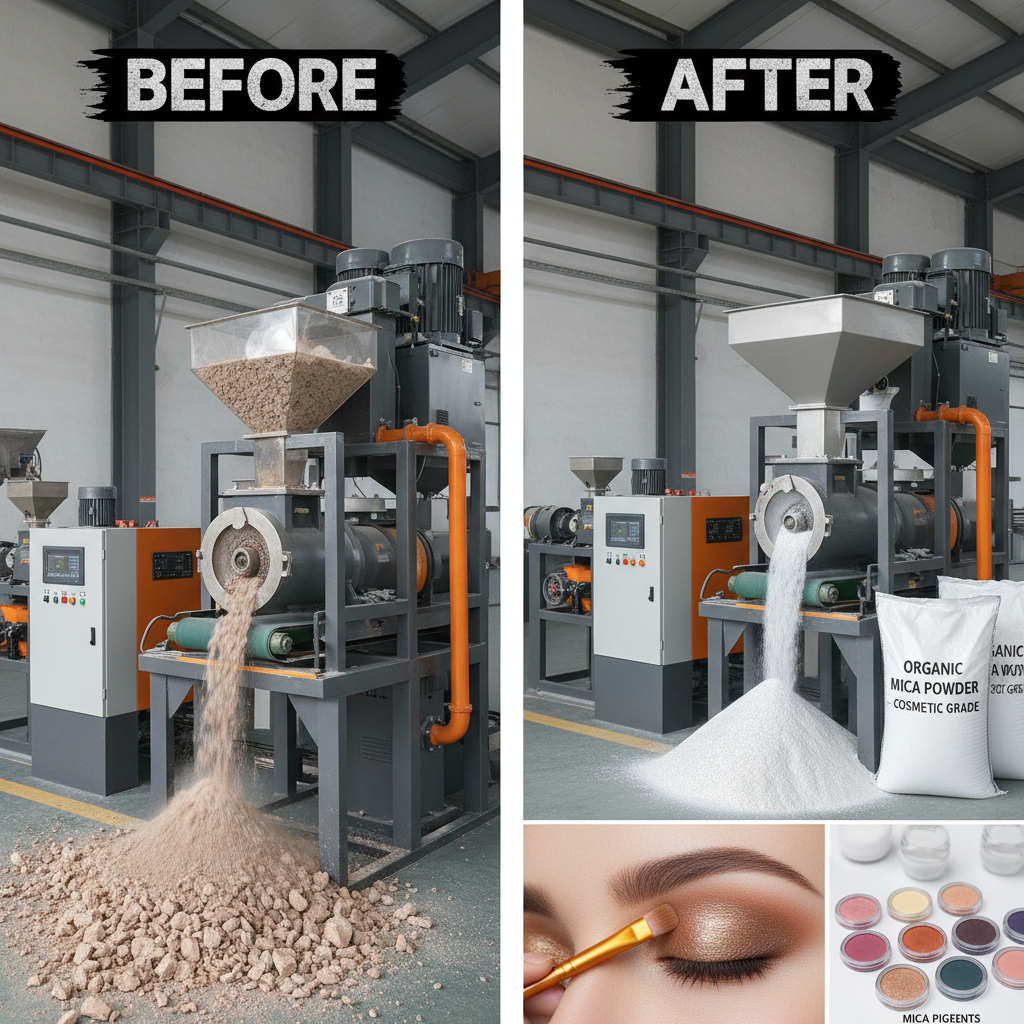
Outside of construction, it's found in plastics as a reinforcing filler, in automotive components to improve heat resistance, and even in cosmetics and personal care products for its shimmering effect. The versatility is truly remarkable. I worked on a project recently where we used it in a specialized drilling fluid to stabilize boreholes – a niche application, but a perfect example of its adaptability.
Advantages and Long-Term Value Proposition of Ground Mica Powder
The benefits go beyond just performance. Ground mica powder is relatively inexpensive compared to many other specialty additives, making it a cost-effective solution. It's also a naturally occurring mineral, meaning it’s more sustainable than synthetic alternatives. From a long-term perspective, the increased durability and lifespan of materials incorporating mica translates into reduced maintenance costs and lower lifecycle expenses.
That long-term value proposition is often overlooked. Companies tend to focus on upfront costs, but they need to consider the total cost of ownership. Investing in a quality material like mica powder can save you money in the long run. It’s about building things to last, and that’s something I believe in.
And don’t underestimate the safety aspect. Mica is non-toxic and doesn’t pose the same health risks as some other materials. That’s important for both workers on the job site and end-users of the finished product.
Future Trends and Innovations in Ground Mica Powder Technology
The future of ground mica powder is looking bright. Researchers are exploring new ways to modify the surface of mica particles to enhance their compatibility with different matrices. This could lead to even greater performance improvements and wider applications. We’re also seeing increased interest in using nano-sized mica particles to create advanced composites with unique properties.
The push for sustainability is also driving innovation. Companies are developing more environmentally friendly mining and processing techniques, and exploring the use of recycled mica sources. Digital transformation is playing a role too, with advanced analytics and machine learning being used to optimize formulations and predict performance.
I’m particularly excited about the potential of mica in energy storage applications. Its high dielectric strength and thermal stability make it a promising candidate for use in capacitors and other energy storage devices. The demand for energy storage is only going to increase as we transition to a more sustainable energy future.
Summary of Challenges and Potential Solutions Regarding Ground Mica Powder
| Challenge |
Impact on Performance |
Potential Solutions |
Implementation Cost (1-10) |
| Inconsistent Particle Size |
Reduced Dispersion & Lower Strength |
Advanced Milling & Classification |
7 |
| Ethical Sourcing Concerns |
Reputational Risk & Supply Chain Disruption |
Traceability Systems & Audited Suppliers |
6 |
| Surface Compatibility Issues |
Poor Adhesion & Reduced Reinforcement |
Surface Modification & Silane Coupling Agents |
8 |
| Moisture Absorption |
Decreased Stability & Reduced Shelf Life |
Hydrophobic Coatings & Proper Storage |
4 |
| Limited UV Resistance |
Material Degradation & Color Fading |
UV Stabilizer Additives & Protective Coatings |
5 |
| Dust Control During Handling |
Health & Safety Concerns & Production Issues |
Enclosed Systems & Dust Collection Equipment |
6 |
FAQS
Having worked with both, mica consistently outperforms talc when it comes to durability and heat resistance. Talc is softer and can break down over time, especially in harsh environments. Mica’s plate-like structure provides superior reinforcement and prevents cracking. It also has a higher dielectric strength, which is critical in electrical applications. We often use it where longevity and reliability are key.
The finer the grind, the better the dispersion, leading to a smoother finish and improved optical properties, especially in paints and coatings. However, extremely fine powders can be harder to handle due to increased dusting. We generally aim for a particle size distribution that balances these factors – fine enough for good dispersion, but not so fine that it creates handling issues. The ideal size depends on the specific application.
Compared to many synthetic fillers, ground mica powder is a much more sustainable option as it's a naturally occurring mineral. However, it’s crucial to ensure responsible sourcing practices. We prioritize suppliers who adhere to ethical mining standards and minimize their environmental impact. Looking at the full lifecycle assessment, mica often comes out ahead in terms of carbon footprint and resource depletion.
Ground mica powder is generally quite cost-effective, especially compared to high-performance synthetic alternatives. The cost varies based on particle size, purity, and quantity. While the initial material cost may be low, you also need to factor in handling and dispersion considerations. Proper dispersion is key to realizing its full performance benefits, and that may require some investment in mixing equipment.
Mica itself is inherently non-combustible. When incorporated into materials like plastics or coatings, it acts as a barrier, slowing down the spread of flames and reducing smoke generation. It doesn't prevent materials from burning altogether, but it significantly improves their fire resistance, providing valuable time for evacuation and fire suppression efforts. It’s an important safety feature in many building products.
Proper storage is essential. Mica powder is hygroscopic, meaning it readily absorbs moisture from the air. We always recommend storing it in tightly sealed containers in a dry, well-ventilated area. Avoid exposure to direct sunlight or extreme temperatures. Regularly inspect storage containers for any signs of damage or moisture ingress to prevent clumping and maintain consistent performance.
Conclusion
Ground mica powder isn’t a glamorous material, but it’s a foundational element in countless products we rely on every day. From improving the durability of our buildings to enhancing the performance of our vehicles, it consistently delivers tangible benefits – cost-effectiveness, sustainability, and reliability. I've seen firsthand how this seemingly simple mineral can solve complex problems and contribute to long-lasting, high-quality products.
Looking ahead, the future of ground mica powder is bright. Ongoing research and innovation are unlocking new applications and refining its properties. As industries continue to prioritize sustainability and performance, ground mica powder will undoubtedly play an increasingly important role. To learn more about how ground mica powder can benefit your projects, visit our website.