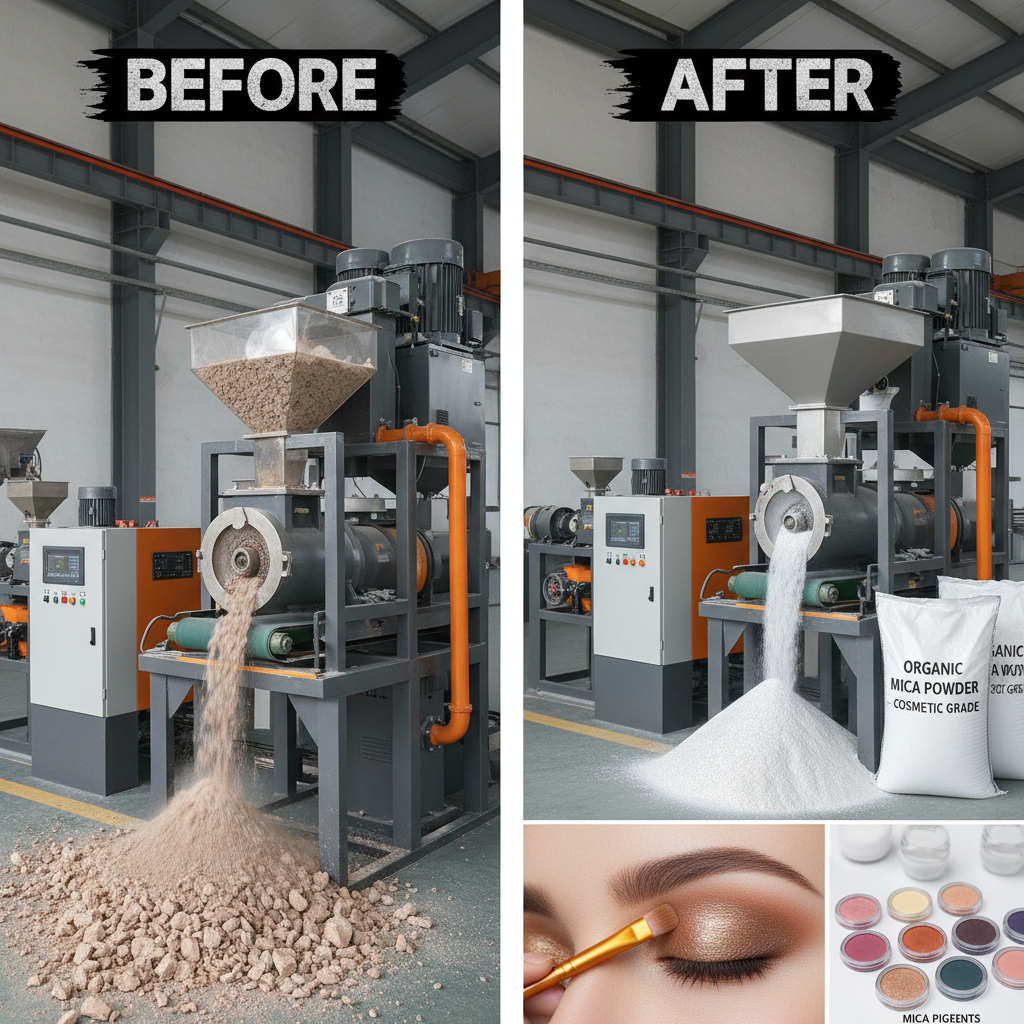
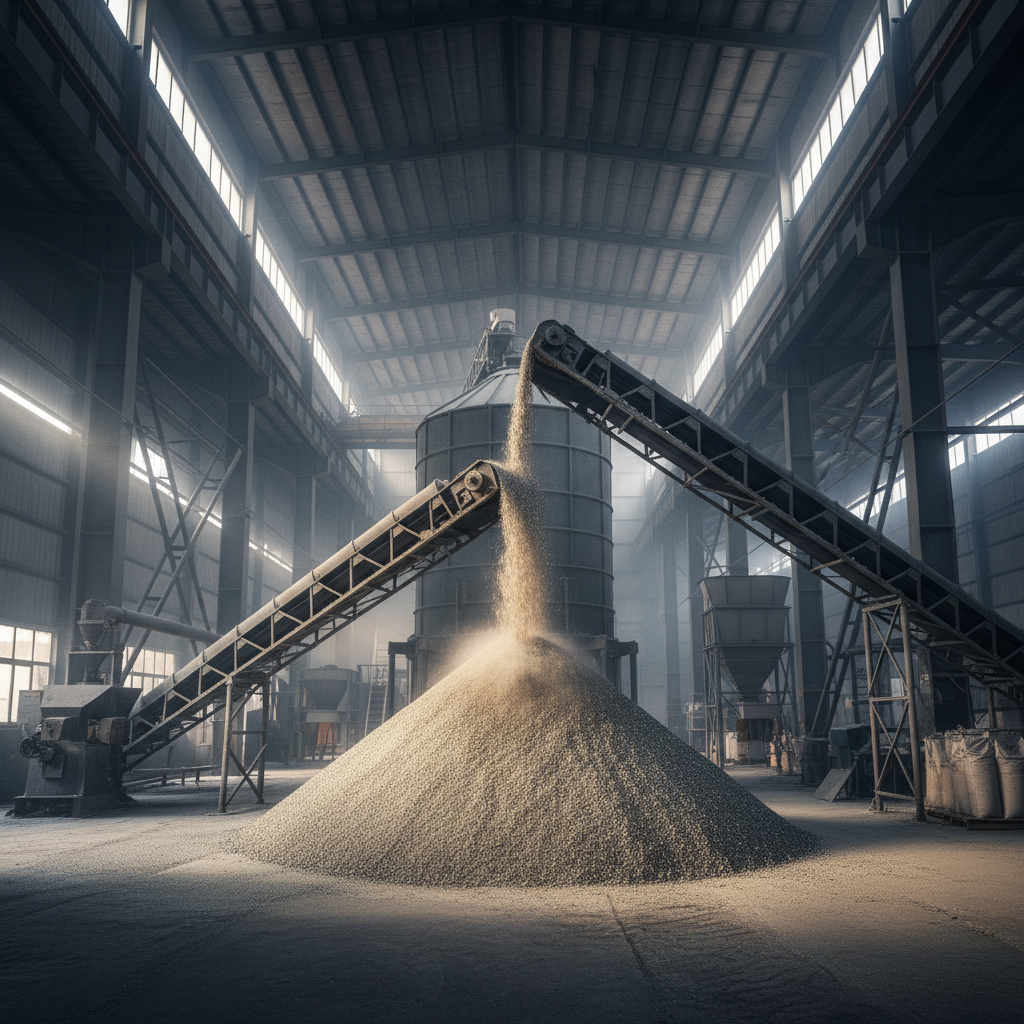
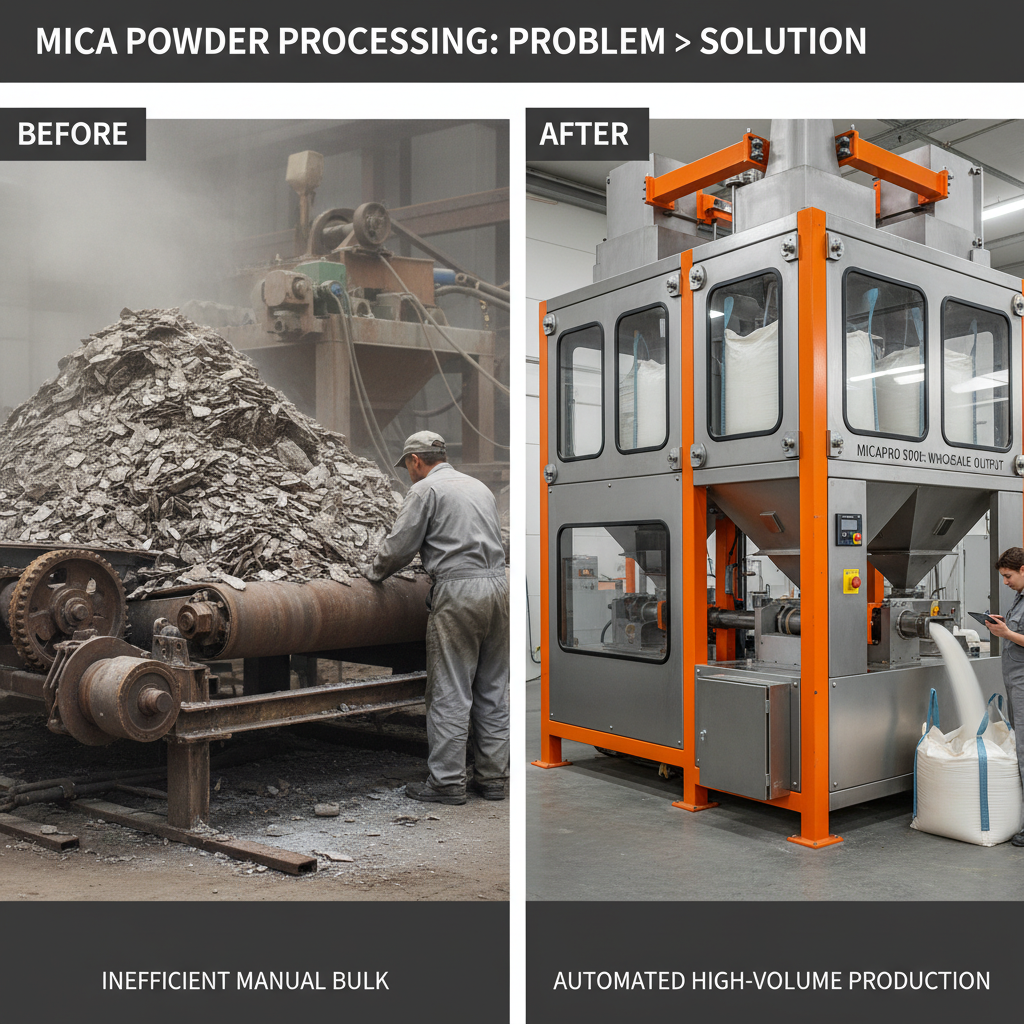
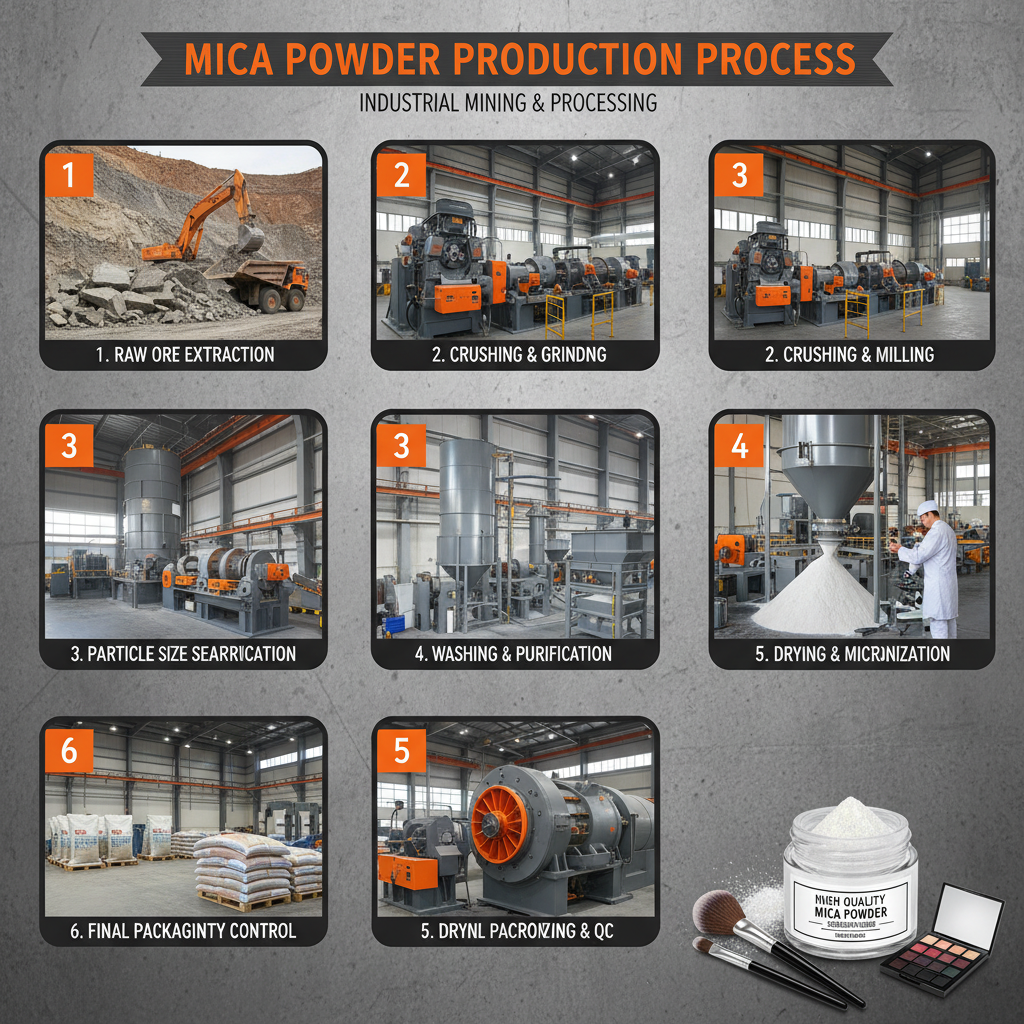
Organic mica powder, a naturally occurring mineral silicate, has quietly become an indispensable component across a surprisingly diverse range of industries. From imparting shimmer and pearlescence to cosmetics and paints, to enhancing the performance of plastics and construction materials, its versatility is undeniable. Understanding its properties, sourcing, and applications is crucial in today's market, particularly as demand rises and sustainability concerns become paramount.
The global market for mica and mica products, including organic mica powder, is substantial and growing. Estimates from industry reports project continued expansion driven by increasing consumer spending on personal care products, the boom in the automotive industry (where mica improves heat resistance in plastics), and the burgeoning construction sector. However, this growth comes with significant ethical and environmental considerations, prompting a shift towards responsibly sourced and certified organic mica powder.
This exploration of organic mica powder will delve into its characteristics, applications, benefits, and the evolving landscape surrounding its production and use. By understanding the intricacies of this fascinating mineral, we can appreciate its importance and advocate for its responsible and sustainable utilization.
Defining Organic Mica Powder
Organic mica powder isn't simply mica that’s been grown without pesticides. It refers to mica that has been mined and processed following strict guidelines to ensure environmental responsibility and ethical labor practices. This often includes certifications verifying fair wages, safe working conditions, and minimizing the impact on the surrounding ecosystem. It's a distinction increasingly important to consumers and manufacturers alike.
Its connection to modern industry is multifaceted. Beyond aesthetics, organic mica powder offers functional benefits like improved thermal stability, dielectric strength, and UV protection. This makes it essential in sectors ranging from automotive and electronics to coatings and construction, contributing to higher-performance products and more sustainable solutions.
Global Relevance and Industry Challenges
The demand for mica, including its organic form, is globally distributed, with major consumers located in North America, Europe, and Asia-Pacific. China and India are significant producers, but concerns about unethical mining practices – particularly child labor – have prompted calls for increased transparency and accountability within the supply chain. Organizations like the Responsible Mica Initiative (RMI) are working to address these issues and promote responsible sourcing.
The mica industry faces the challenge of balancing growing demand with the need for ethical and environmentally sound practices. Traditional mica mining often involves hazardous conditions and can contribute to deforestation and soil erosion. Transitioning to sustainable, certified organic mica powder sources requires investment in improved mining techniques, worker welfare, and traceability systems.
According to a 2023 report by IMARC Group, the global mica market is expected to reach \$4.5 billion by 2028, exhibiting a CAGR of 5.2% during 2023-2028. This projected growth underscores the need for a swift and comprehensive shift towards sustainable and ethical practices within the organic mica powder industry.
Understanding the Composition of organic mica powder
Organic mica powder is a naturally occurring silicate mineral composed of varying amounts of silica, alumina, and potassium. It’s chemically inert, meaning it doesn't readily react with other substances, making it safe for use in a wide range of applications. The key to its unique properties lies in its layered structure.
This layered structure allows mica to easily split into thin, flexible, and transparent flakes. These flakes are what give organic mica powder its characteristic shimmer and pearlescence. The size and shape of the flakes, as well as the purity of the mica, directly influence its performance in different applications – from creating subtle highlights in cosmetics to providing electrical insulation in electronics.
The 'organic' aspect doesn't change the chemical composition; rather, it reflects the processes used to extract and refine the mica, ensuring they adhere to sustainable and ethical standards. This includes avoiding harmful chemicals and minimizing environmental impact during the entire supply chain. organic mica powder is gaining traction due to increased consumer awareness.
Key Properties of Organic Mica Powder
One of the most crucial properties of organic mica powder is its thermal stability. It can withstand high temperatures without degrading, making it ideal for use in applications where heat resistance is critical, such as automotive plastics and fire retardant coatings. Another key property is its dielectric strength, which means it's an excellent electrical insulator.
Furthermore, organic mica powder exhibits excellent chemical inertness, meaning it doesn’t react with other materials. This makes it safe for use in cosmetic products and food packaging. Its natural luster and pearlescent effect are also highly valued, contributing to its popularity in paints, coatings, and personal care items.
Performance Metrics of organic mica powder Grades
Diverse Applications of organic mica powder Worldwide
The cosmetic industry is a major consumer of organic mica powder, utilizing it to create shimmering eyeshadows, foundations, and lipsticks. Beyond aesthetics, it provides a smooth texture and enhances light reflection. The automotive industry incorporates it into plastics to improve heat resistance, dimensional stability, and surface finish.
In the construction sector, organic mica powder is added to coatings and roofing materials to enhance durability, weather resistance, and UV protection. Its electrical insulating properties make it valuable in electronics, where it’s used in capacitors, circuit boards, and other components. Regions like Asia-Pacific and Europe are witnessing significant growth in these applications, driving demand for sustainably sourced materials.
The Benefits and Long-Term Value of organic mica powder
The tangible benefits of using organic mica powder extend beyond product performance. By choosing responsibly sourced materials, manufacturers can enhance their brand reputation and appeal to environmentally conscious consumers. The long-term cost savings associated with durable and high-performing products also contribute to its value.
From a sustainability perspective, organic mica powder offers a more ethical and environmentally friendly alternative to conventionally mined mica. It promotes fair labor practices, protects ecosystems, and reduces the environmental footprint of manufacturing processes. This commitment to social responsibility fosters trust and builds a positive brand image.
Future Trends and Sustainable Practices in organic mica powder
The future of organic mica powder is intrinsically linked to advancements in sustainable mining and processing technologies. Innovations in mineral separation techniques aim to minimize waste and reduce energy consumption. Furthermore, the development of blockchain technology is enhancing traceability within the supply chain, providing greater transparency and accountability.
The industry is also exploring the potential of circular economy principles, focusing on recycling and reusing mica-containing materials. Digital transformation and automation are playing a role in optimizing mining operations and improving worker safety. Government regulations and industry standards are increasingly emphasizing the importance of responsible sourcing and ethical labor practices.
The increasing focus on green chemistry is also driving research into alternative, bio-based materials that can complement or even replace synthetic pigments. However, organic mica powder remains a highly valued and versatile mineral with a promising future, particularly as sustainability becomes a non-negotiable aspect of global commerce.
Summary of Key Sustainable Mining Practices
| Mining Method |
Environmental Impact |
Social Responsibility |
Cost Efficiency |
| Open Pit Mining |
High – Deforestation, Soil Erosion |
Low – Risk of Labor Exploitation |
High – Lower Extraction Costs |
| Underground Mining |
Medium – Habitat Disruption |
Medium – Improved Safety Measures |
Medium – Increased Operational Costs |
| Artisanal Mining (Unregulated) |
Very High – Severe Environmental Degradation |
Very Low – High Risk of Child Labor |
Low – Inconsistent Yields |
| Certified Organic Mining |
Low – Minimal Environmental Impact |
High – Fair Wages, Safe Conditions |
Medium – Higher Initial Investment |
| Reclamation Mining |
Positive – Restores Degraded Land |
High – Community Benefit Programs |
Medium – Requires Specific Expertise |
| Innovative Processing Techniques |
Low – Reduces Waste and Emissions |
Medium – Improved Worker Safety |
Medium – Investment in New Technology |
FAQS
While both originate from the same mineral, 'organic' in this context refers to the mining and processing practices, not the chemical composition. Organic mica powder is sourced responsibly, ensuring fair labor practices, minimizing environmental impact, and adhering to certifications. Natural mica may not have these guarantees, potentially involving unethical sourcing and harmful environmental consequences. organic mica powder offers a sustainable alternative.
Sustainability is a complex issue. Organic mica powder represents a significant step towards more responsible sourcing, but achieving complete sustainability requires ongoing efforts. This includes continuous improvement in mining practices, investment in worker welfare, and a commitment to minimizing environmental impact throughout the supply chain. Look for certifications from reputable organizations to verify genuine sustainability.
Look for certifications from recognized organizations such as the Responsible Mica Initiative (RMI). These certifications indicate that the mica has been sourced according to specific ethical and environmental standards. Transparency is also key; reputable suppliers will be able to provide detailed information about their sourcing practices and supply chain traceability.
Organic mica powder is widely used in cosmetics to create shimmer and pearlescence in eyeshadows, foundations, lipsticks, and highlighters. It also enhances the texture of these products, providing a smooth and luxurious feel. Its light-reflecting properties contribute to a brighter and more radiant appearance.
Generally, organic mica powder is considered safe for most skin types, including sensitive skin, due to its inert nature. However, it’s always advisable to perform a patch test before using any new cosmetic product. Ensure the mica powder is finely milled and free from any potential irritants or contaminants.
Particle size significantly impacts the final effect. Larger particles create a more noticeable shimmer, ideal for highlighters. Smaller particles provide a subtle glow and smooth texture, perfect for foundations and eyeshadows. Manufacturers carefully control particle size to achieve the desired aesthetic and functional properties in their products.
Conclusion
In conclusion, organic mica powder is more than just a shimmering ingredient; it represents a commitment to ethical sourcing, environmental responsibility, and sustainable practices. Its versatile properties and wide range of applications make it invaluable across diverse industries. By understanding its origins, benefits, and future trends, we can promote its responsible utilization and ensure a positive impact on both people and the planet.
As consumer awareness grows and regulatory standards evolve, the demand for certified organic mica powder will undoubtedly continue to rise. Investing in sustainable sourcing, innovative processing technologies, and transparent supply chains is crucial to ensuring the long-term viability of this valuable resource. Visit our website at www.hjmica.com to learn more about our commitment to responsible mica sourcing and our range of high-quality organic mica powder products.