Look, I’ve spent the last fifteen years breathing concrete dust and tracking mud across job sites. I’ve seen materials fail, schedules slip, and budgets blow up. And a lot of those problems come down to the basics – the quality of the raw materials. That’s where high quality mica powder comes in. It’s not just a pretty shimmer for cosmetics, it's a workhorse in industries ranging from construction to automotive, and getting the right stuff can make or break a project. I’ve learned the hard way that cheaping out on materials is never a win. It might save a few bucks upfront, but the long-term costs – repairs, delays, safety concerns – always outweigh the initial savings.
We're seeing increased demand for durable, sustainable materials across the board. Contractors are under pressure to build longer-lasting structures, manufacturers are looking for ways to improve product performance, and everyone is trying to reduce their environmental footprint. High quality mica powder plays a surprisingly critical role in meeting these demands. It’s a naturally occurring mineral with exceptional properties that boost performance and longevity in a huge range of applications. It’s not glamorous work, understanding these materials, but it’s essential to getting things built right.
For me, as someone who's hands-on with materials every day, understanding mica powder isn’t about chemical formulas. It’s about seeing how it performs in the real world, how it impacts the workability of a mix, the durability of a coating, the heat resistance of a composite. It's about knowing where to source it from reputable suppliers – like HJMica – who understand the nuances of different grades and applications.
The Importance of High Quality Mica Powder in Modern Industries
You wouldn't believe how many things rely on mica powder. It's not just for cosmetics anymore. From paints and coatings to plastics and even electronics, it's a critical ingredient. The global mica market is huge – estimates put it in the billions – and that’s because it’s versatile, effective, and relatively inexpensive. But "inexpensive" doesn’t mean “cheap.” The real value comes from using high quality mica powder that meets specific industry standards.
Think about a building material like exterior paint. You need something that can withstand UV exposure, temperature fluctuations, and constant weathering. Cheap mica fillers break down, causing the paint to crack, fade, and ultimately fail. High-quality mica, though, provides excellent durability, color stability, and helps the paint resist moisture and mildew. It extends the life of the coating and reduces maintenance costs. And that’s just one example.
Understanding the Composition and Properties of Mica Powder
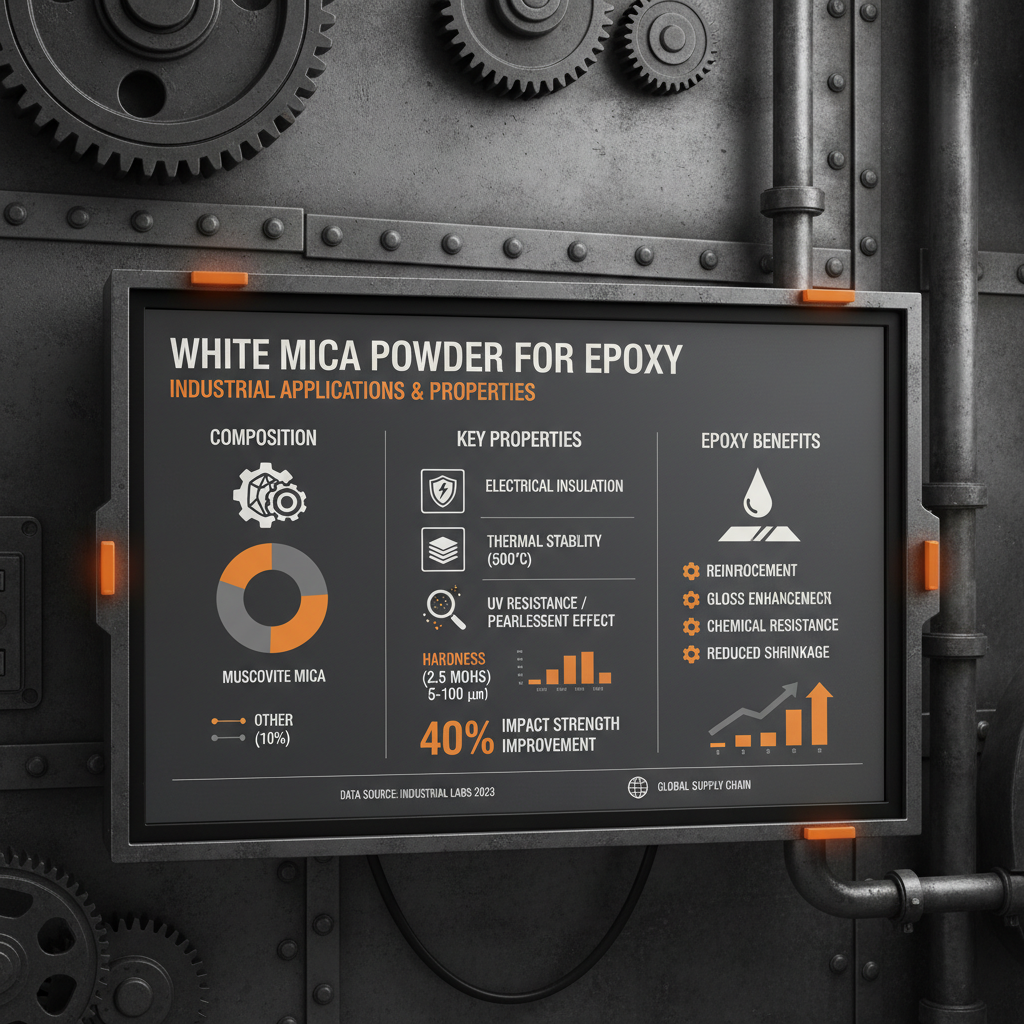
Mica isn’t a single mineral, it's a group of silicate minerals with a layered structure. Muscovite, phlogopite, and biotite are the most common types used in industrial applications. What makes them useful is that layered structure – it gives mica its flexibility, elasticity, and resistance to heat and chemicals. Think of it like tiny, shimmering flakes that can add strength and resilience to a wide range of materials.
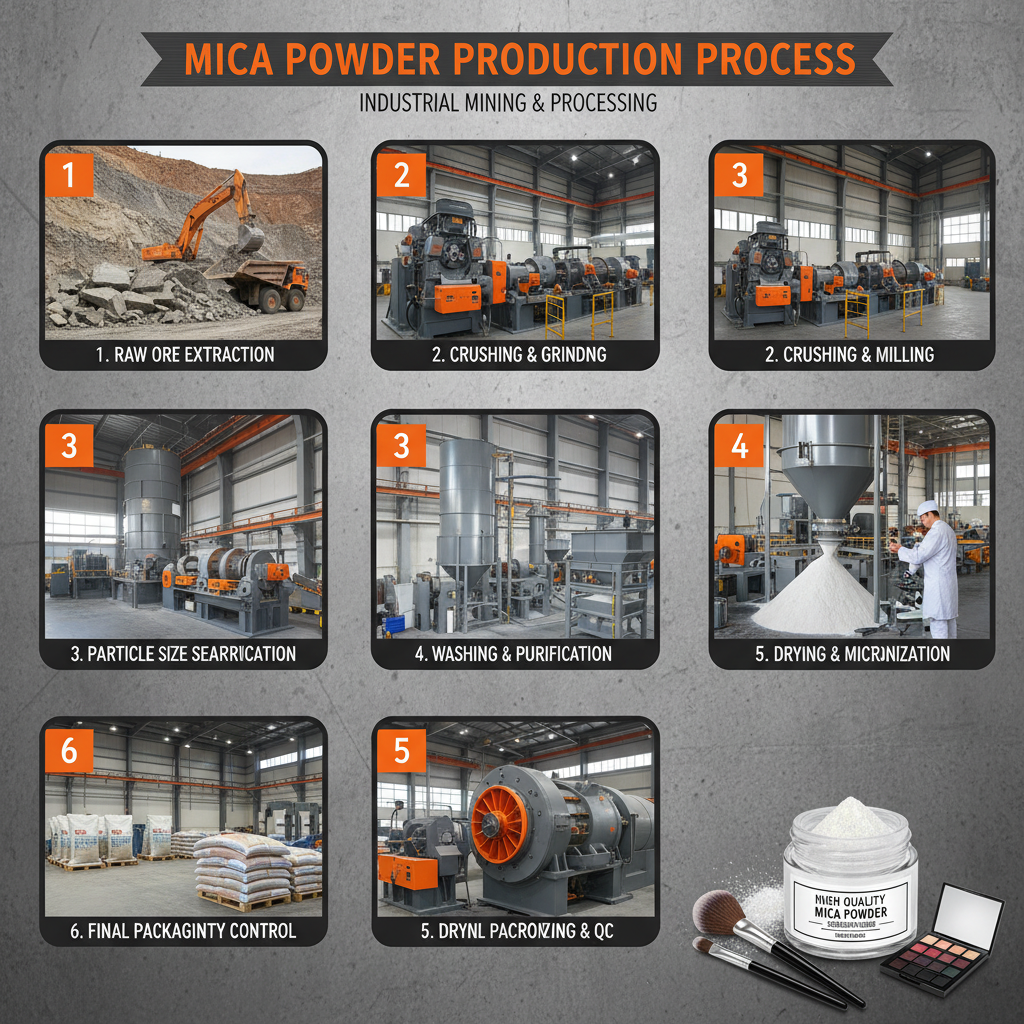
The properties we look for in high quality mica powder include particle size, shape, and purity. Smaller particle sizes generally lead to better dispersion and smoother finishes. The shape – whether it’s flaky or platy – affects its performance in different applications. And purity is critical; contaminants can weaken the material and compromise its properties. You want a consistent, reliable product, and that comes from careful sourcing and processing.
I’ve seen too many projects delayed because of inconsistent material quality. Variations in particle size or the presence of impurities can throw off mixing ratios, affect cure times, and ultimately lead to product failures. That's why a reputable supplier, who can provide detailed specifications and quality control data, is worth their weight in gold.
Key Characteristics Defining High Quality Mica Powder
Okay, let’s talk about what really separates the good stuff from the bargain bin. First, Brightness. A brighter mica powder indicates higher purity and a cleaner mineral source. This is important for applications where color is critical, like coatings and plastics. Second, Particle Size Distribution. Uniformity is key. You want a consistent particle size range for predictable performance. Large variations can lead to settling, clumping, and reduced effectiveness.
Third, Chemical Inertness. Mica shouldn't react with other ingredients in your formulation. It needs to be stable and non-corrosive. This is especially important in harsh environments or when working with sensitive materials. Fourth, Moisture Content. High moisture content can lead to clumping and reduce the effectiveness of the powder. Good quality mica should have a very low moisture content and be properly dried during processing.
Finally, Lamellar Strength. This refers to the resistance of the mica flakes to breaking or crumbling. Stronger lamellae provide better reinforcement and durability in composite materials. You’re looking for flakes that hold their shape and don't disintegrate during mixing or processing.
Applications of High Quality Mica Powder Across Sectors
Where isn’t it used? Seriously. In construction, it’s in roofing materials for UV protection, in concrete to reduce cracking, and in joint compounds for added strength and flexibility. The automotive industry uses it in brake linings for heat resistance and in paints for a durable, attractive finish. Electronics rely on it as an insulator and filler.
I’ve even seen it used in specialized applications like oil well drilling fluids – it helps to lubricate the drill bit and prevent overheating. And in the plastics industry, it’s used to improve stiffness, impact resistance, and dimensional stability. It’s not a “one size fits all” material, of course. Different grades and types of high quality mica powder are optimized for specific applications.
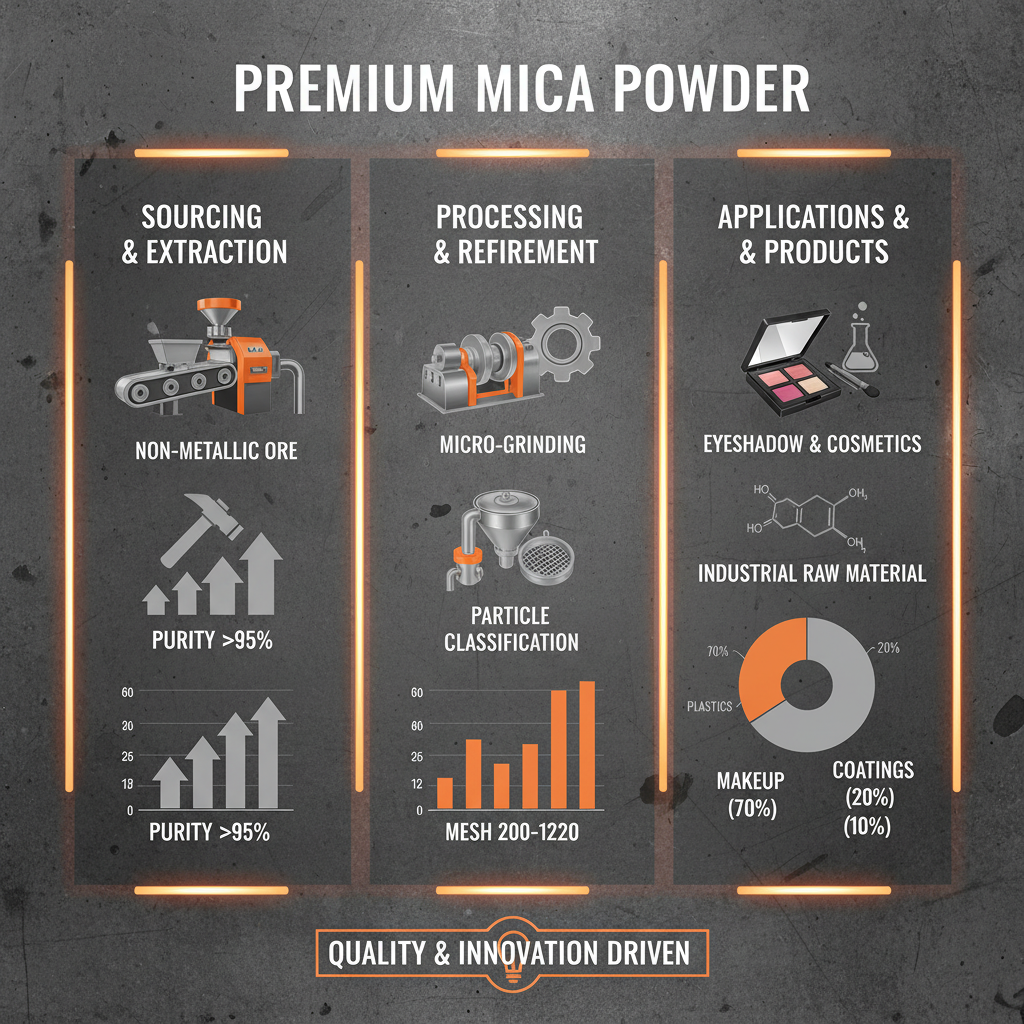
High Quality Mica Powder Application Breakdown
Advantages and Long-Term Value Proposition
Using high quality mica powder isn’t just about improving product performance. It's about reducing long-term costs and increasing sustainability. A more durable coating means less frequent repainting. Stronger plastics last longer and require less replacement. It’s about building things to last, which is good for the environment and good for business.
From a safety standpoint, mica’s thermal and electrical insulation properties contribute to safer products. In applications like electrical components, it prevents overheating and reduces the risk of fire. That peace of mind is invaluable. And, let's be honest, a well-made, durable product simply feels better. It builds trust with customers and enhances brand reputation.
Future Trends and Innovations in Mica Powder Technology
We’re seeing a lot of innovation around surface modification of mica particles – treating them to improve their compatibility with different polymers and resins. This is opening up new possibilities for creating high-performance composites with enhanced properties. There’s also a growing focus on developing more sustainable sourcing and processing methods.
I’m particularly excited about the potential of using micronized mica powder in 3D printing. It can add strength, stiffness, and thermal stability to printed parts, expanding the range of applications for this technology. The demand for lightweight, high-performance materials will only continue to grow, and mica powder is well-positioned to play a key role in meeting that demand.
Challenges and Solutions in Sourcing and Utilizing Mica Powder
Sourcing can be a challenge. You want to ensure that the mica is ethically sourced and that the mining practices are environmentally responsible. Traceability is key. Working with a reputable supplier who can verify the origin of the material is essential.
Another challenge is achieving consistent dispersion in different formulations. Mica particles tend to agglomerate, which can reduce their effectiveness. Using appropriate dispersants and mixing techniques can help overcome this issue. And, as always, proper quality control is crucial – regular testing to ensure that the powder meets the required specifications.
I always say, invest in the right materials and partner with the right suppliers. Don't try to cut corners. In the long run, it will save you time, money, and a whole lot of headaches.
Table Summarizing Mica Powder Quality Parameters
| Parameter |
Low Quality (1-3) |
Medium Quality (4-6) |
High Quality (7-10) |
| Brightness (%) |
Below 60% |
60-75% |
Above 75% |
| Particle Size Consistency |
Highly Variable |
Moderate Variation |
Very Consistent |
| Moisture Content (%) |
Above 1.0% |
0.5-1.0% |
Below 0.5% |
| Impurity Levels |
Significant |
Noticeable |
Minimal |
| Lamellar Strength (Flexibility) |
Brittle, Crumbles Easily |
Moderate Flexibility |
Highly Flexible & Durable |
| Cost per Metric Ton |
$50-$100 |
$100-$200 |
$200+ |
FAQS
Muscovite is known for its high dielectric strength and clarity, making it ideal for electrical insulation and applications where transparency is needed. Phlogopite, on the other hand, exhibits excellent thermal stability and is often preferred in high-temperature applications like brake linings and fireproofing materials. The chemical composition and crystal structure drive these differences. Choosing the right type depends entirely on your specific application requirements.
Ethical sourcing is a big concern, and rightfully so. Look for suppliers that are transparent about their sourcing practices and can provide traceability documentation. Ask about their labor standards and environmental policies. Certifications like Responsible Mica Initiative (RMI) can provide some assurance. It's not always easy, but doing your due diligence is critical to ensuring you’re supporting responsible mining operations.
Dispersion is key to maximizing performance. Start with a high-shear mixer to break up any agglomerates. Use a compatible dispersant to help wet the mica particles and prevent them from re-agglomerating. Add the mica slowly while mixing, and continue mixing for an adequate amount of time to ensure a uniform distribution. Sometimes, pre-mixing the mica with a small amount of solvent can also help.
Absolutely. Mica is inherently fire-resistant due to its layered structure, which prevents the spread of flames. When incorporated into materials like roofing, drywall, or coatings, it can significantly enhance their fire resistance properties. It acts as a barrier, slowing down the combustion process and reducing the risk of structural damage. It's not a substitute for proper fire safety measures, but it’s a valuable addition.
Mica powder is relatively stable, but it’s best stored in a dry, cool, and well-ventilated area. Keep it sealed in its original packaging to prevent moisture absorption and contamination. Avoid storing it near strong oxidizers or incompatible chemicals. Proper storage will help maintain its quality and performance over time. The biggest enemy is humidity.
Particle size drastically impacts appearance. Finer particles (smaller micron sizes) contribute to a smoother, more consistent finish and enhanced color development. Larger particles can create a textured effect or even a pearlescent sheen, depending on the application. Controlling particle size is crucial for achieving the desired aesthetic qualities in coatings, plastics, and cosmetics.
Conclusion
From the job site to the lab, it's clear that high quality mica powder is far more than just a filler. It’s a versatile material that enhances performance, durability, and sustainability across a wide range of industries. Investing in quality mica powder – and sourcing it from a reputable supplier – is a smart decision that pays dividends in the long run.
Looking ahead, innovation in mica powder technology will continue to drive new applications and improve existing ones. We'll see more emphasis on sustainable sourcing, surface modification, and integration with advanced materials. Staying informed about these developments is crucial for anyone involved in materials science, manufacturing, or construction. To learn more about our range of high-quality mica powders and how they can benefit your projects, visit our website: www.hjmica.com.