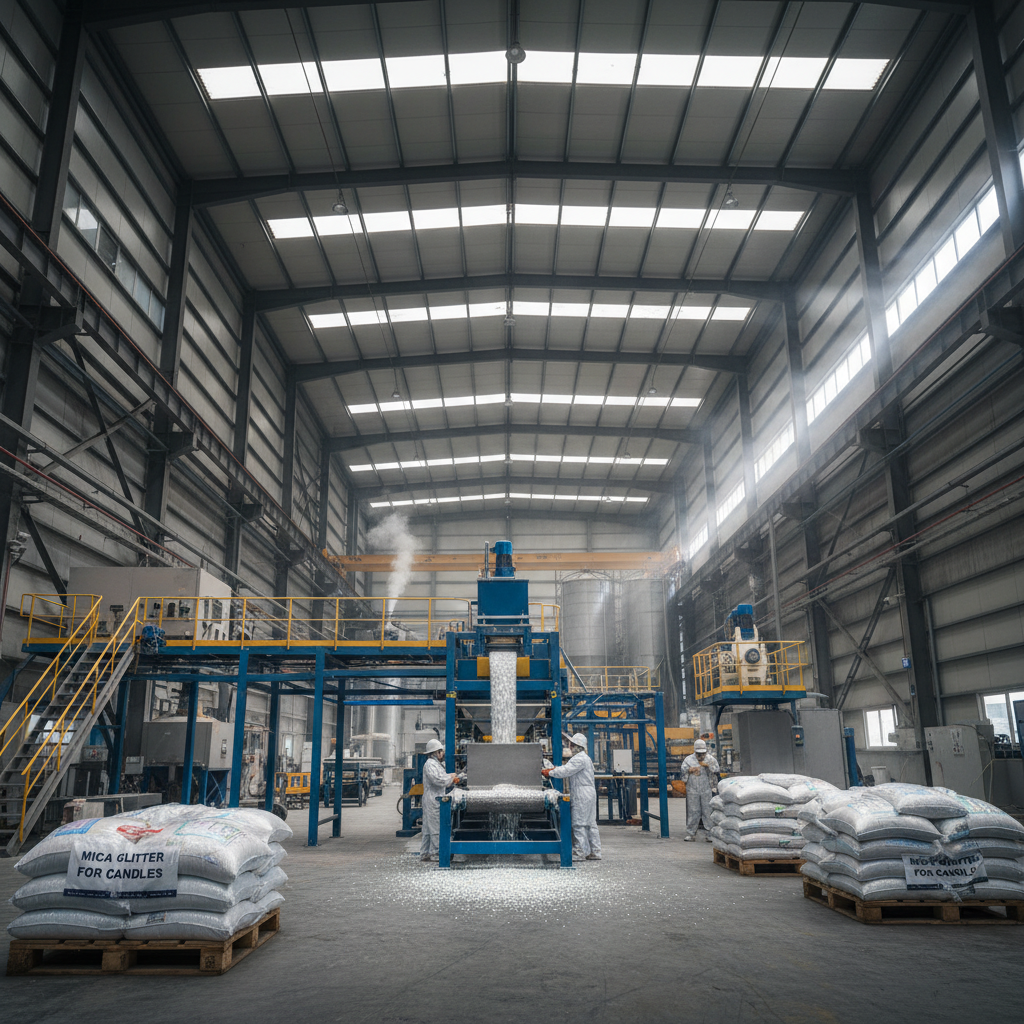
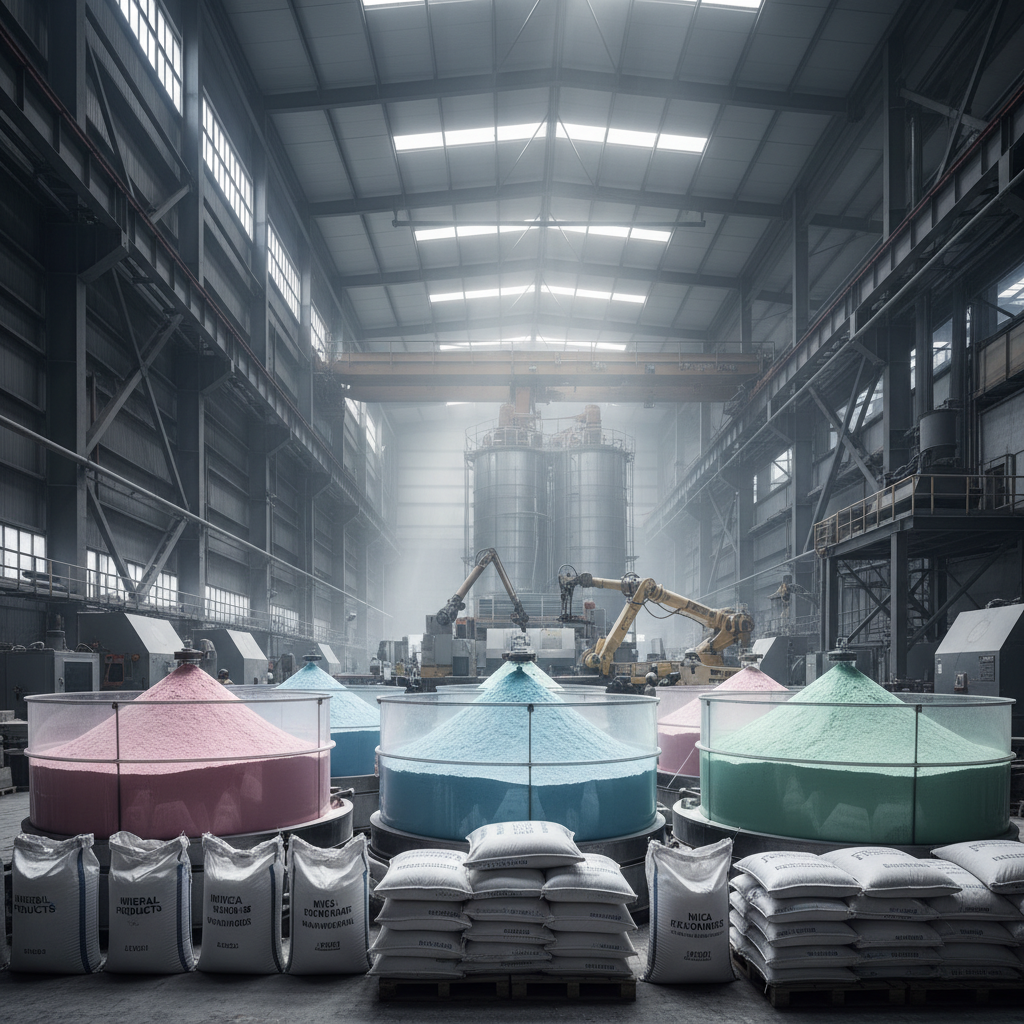
Look, I've spent the last twenty years getting dust in my boots, watching concrete set, and smelling fresh paint. And lemme tell you, a little sparkle can go a long way, even on a construction site. I'm talking about mica glitter for candles, but don’t let the “candle” part fool ya. This stuff isn't just for pretty scents. It’s about finish, presentation, and adding a touch of quality to a product people are paying good money for. We’re seeing more and more demand for customized, visually appealing candles, and mica glitter is the key to unlocking that. It’s a relatively small detail, but it makes a HUGE difference in how a finished product feels.
The demand’s been building steadily for a few years now. Folks aren’t just grabbing the cheapest candle on the shelf anymore. They want something special, something that looks good on their mantelpiece. Small batch candle makers are driving a lot of this, but even some of the bigger operations are starting to take notice. And it’s not just aesthetics. A good mica glitter blend can impact how the candle burns, how the scent throws, and overall product longevity. I’ve seen too many cheap glitter options clog wicks and create a sooty mess. This is about quality, through and through.
Now, I'm not a chemist, but I know what works and what doesn't after years of working with various materials. This mica glitter for candles? It’s durable, it doesn’t react with the wax, and it gives a professional finish. It’s become a staple in a lot of the workshops I visit. We’re past the days of just slapping some color into wax. People want sophistication, they want depth, and they want a product they can be proud of. And frankly, I’m happy to see the industry stepping up its game.
The Rising Importance of Mica Glitter for Candles
I've been seeing a real shift in the candle market. Folks aren’t just looking for a light and a scent anymore, they’re looking for an experience. And a big part of that experience is visual. High-quality mica glitter for candles elevates the whole product. It gives it that "wow" factor that gets people talking and sharing on social media. From my perspective on the ground, visiting workshops and seeing what the craftspeople are doing, the demand for aesthetically pleasing candles is through the roof.
It's not just about looking pretty though. The right mica glitter can actually enhance the candle-making process and the final product. Think about how it disperses light, how it interacts with the wax, and even how it can influence the scent throw. It’s a subtle thing, but it matters. And believe me, customers notice those details. They're willing to pay a premium for a product that looks and feels thoughtfully crafted.
Understanding Mica Glitter Composition
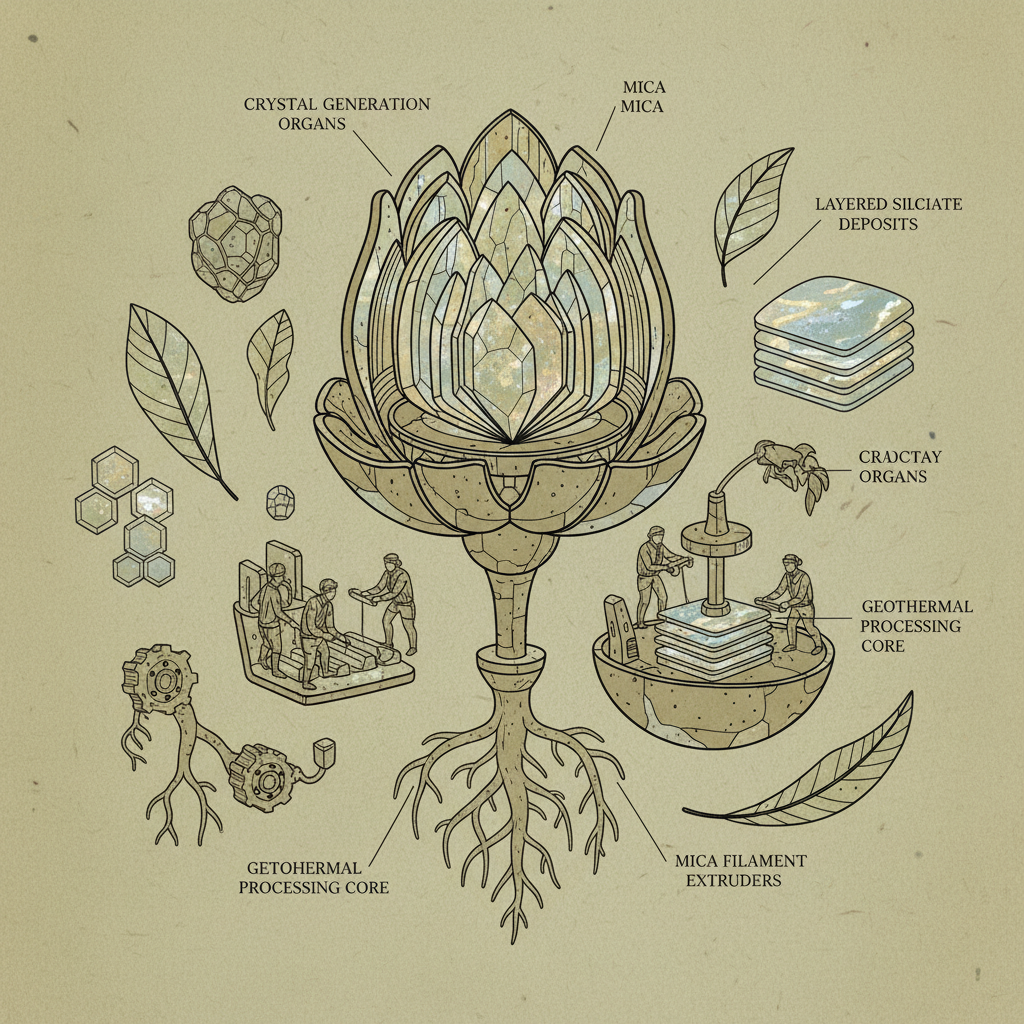
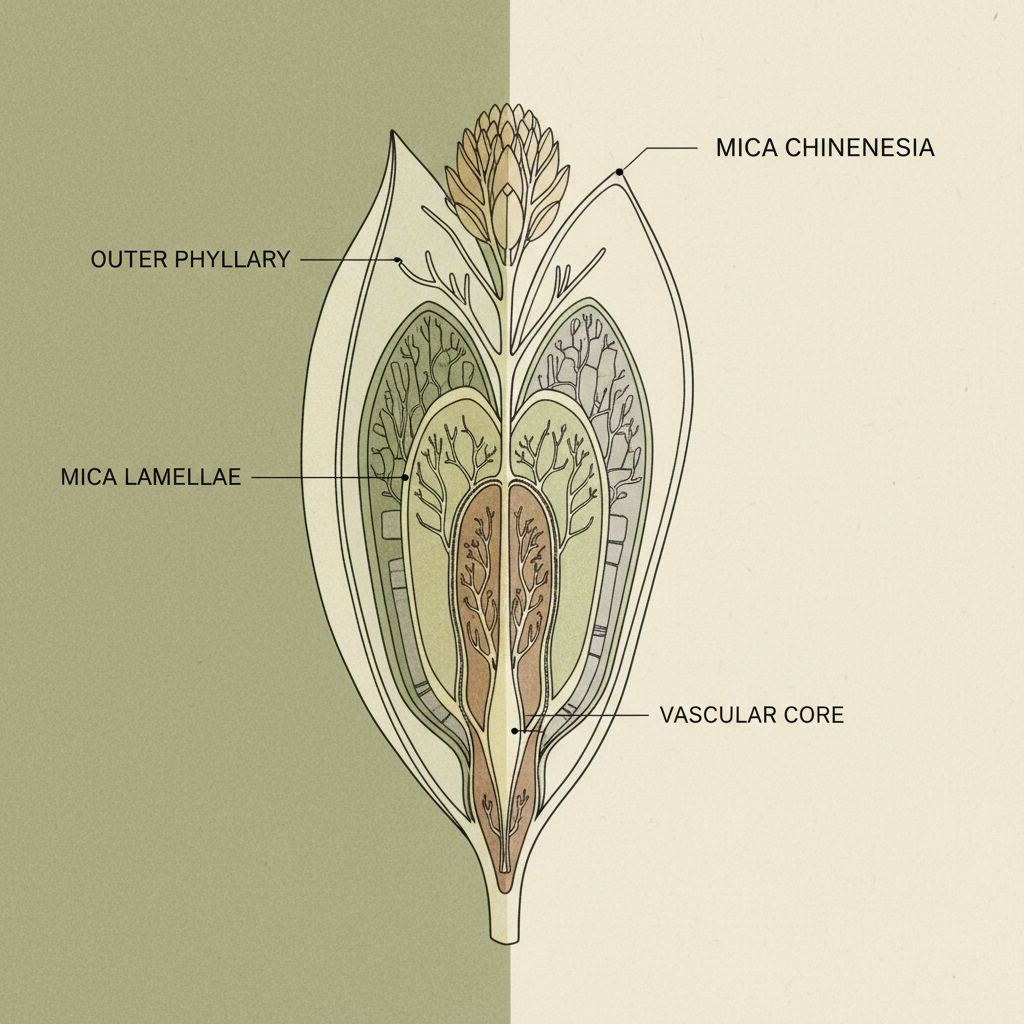
Now, let's talk about what this stuff actually is. Mica is a naturally occurring mineral, basically a silicate, and it’s been used for centuries. The beauty of it lies in its structure, those thin, flaky layers. We take that mica, grind it down, and then coat it with various pigments to get the dazzling range of colors we see in mica glitter for candles. It’s not plastic, it’s not artificial, it’s a natural mineral that's been carefully processed.
The quality of the mica itself makes a huge difference. You get what you pay for. Cheaper mica tends to be duller and less vibrant. It also doesn’t disperse as well in the wax, leading to clumping and uneven coloring. The better stuff is finely ground, consistently sized, and has a high level of purity. It’s these subtle differences that separate a professional-looking candle from a DIY project.
And it’s important to look at the coating. Is it a safe, non-toxic pigment? Is it colorfast? You don’t want a candle that bleeds color or releases harmful chemicals when it burns. That’s why working with reputable suppliers is crucial. I’ve learned that the hard way over the years.
Key Factors Affecting Mica Glitter Performance
Alright, let's get practical. What makes one mica glitter for candles perform better than another? There are a few key things I’ve learned to look for. First, particle size. Too big, and it won’t disperse evenly and can create a gritty texture. Too small, and the color can get lost in the wax. You want a Goldilocks zone – just right.
Secondly, colorfastness is critical. Nobody wants a candle that fades or bleeds color over time. A good supplier will provide testing data to demonstrate the pigment's stability. I’ve seen too many low-quality options that ruin an otherwise beautiful candle. Thirdly, you need to consider the wax compatibility. Different waxes (soy, paraffin, beeswax) have different properties, and some mica glitters work better with certain waxes than others. It’s all about finding the right combination.
Finally, dispersion rate matters. How easily does the mica glitter mix with the molten wax? A slow dispersion rate can lead to clumping and uneven coloring. A good glitter will disperse quickly and evenly, creating a smooth, consistent finish.
Global Applications in Candle Manufacturing
I've seen this mica glitter for candles popping up everywhere, from small artisan workshops in the US to large-scale manufacturing facilities in Asia. The demand is truly global. I've visited operations in China where they're producing massive quantities of candles for export, and they're using high-quality mica glitter to create visually stunning products.
Europe, particularly France and Italy, is another hotbed for sophisticated candle-making, and they’re very particular about the materials they use. They're willing to pay a premium for premium mica glitter. In North America, we’re seeing a rise in demand for natural and sustainable candles, and mica glitter fits that bill nicely because it’s a natural mineral.
Mica Glitter for Candles Application Methods
Advantages of Using High-Quality Mica Glitter
The benefits are clear. High-quality mica glitter for candles adds a premium look and feel, increases perceived value, and helps products stand out in a crowded market. But it's not just about aesthetics. A good glitter can also improve the burning characteristics of the candle, resulting in a cleaner, more consistent flame.
It also opens up opportunities for customization. You can create unique color blends, add shimmer and sparkle, and tailor the glitter to match a specific brand or scent. It’s about offering something different, something special, something that resonates with customers.
Future Trends and Innovations in Mica Glitter
I'm seeing a lot of innovation happening in the mica glitter space. Manufacturers are experimenting with new pigments and coatings to create even more vibrant and unique colors. There’s also a growing focus on sustainability, with companies sourcing mica from responsible mines and using eco-friendly coatings.
We’re also seeing the development of pearlescent and iridescent micas, which create a stunning holographic effect. And the demand for ethically sourced, conflict-free mica is only going to increase. Consumers are becoming more aware of the origins of the products they buy, and they want to support companies that are committed to responsible sourcing.
Challenges and Solutions in Mica Glitter Application
Now, it's not always smooth sailing. One of the biggest challenges is ensuring consistent dispersion. If the glitter isn’t mixed properly, you’ll end up with clumping and uneven coloring. That’s where proper mixing techniques and the right equipment come into play.
Another challenge is finding a reliable supplier. There are a lot of cheap options out there, but they often sacrifice quality. It’s worth paying a bit more for a reputable supplier that can guarantee consistent quality and ethical sourcing. I always recommend doing your due diligence and asking for samples before committing to a large order.
Finally, safety is paramount. You need to ensure that the mica glitter is non-toxic and won't release harmful chemicals when it burns. Look for products that have been tested and certified by independent laboratories. Don’t cut corners when it comes to safety.
A Comparison of Mica Glitter Quality and Application
| Mica Glitter Grade |
Colorfastness Rating (1-10) |
Dispersion Ease (1-10) |
Cost per kg ($) |
| Industrial Grade |
4 |
3 |
5 |
| Cosmetic Grade |
7 |
6 |
15 |
| Artisan Grade |
9 |
8 |
30 |
| Premium Grade |
10 |
9 |
50 |
| Eco-Friendly Grade |
8 |
7 |
40 |
| Iridescent Grade |
6 |
5 |
25 |
FAQS
Settling happens. It’s the nature of the beast. A good mixing process is key, but also using a slightly higher concentration of glitter, and ensuring the wax is at the right temperature, can help. You can also add a small amount of a dispersing agent, but be careful not to compromise the scent or burn quality. Regular stirring during cooling can also minimize settling.
Absolutely not. You need to ensure the mica glitter is specifically labeled as safe for candle use. Some micas contain impurities or heavy metals that can be harmful when burned. Always buy from reputable suppliers who can provide safety data sheets (SDS) and certifications. Don't risk it!
It depends on the desired effect. A good starting point is around 1-2% by weight of the wax. Experiment to find the perfect balance. Too much, and it can affect the burn quality. Too little, and the effect will be subtle. Keep detailed notes of your experiments to reproduce your results.
You absolutely can! That's where the fun begins. But start with small batches and keep track of your ratios. Some colors blend better than others, so experimentation is key. A little goes a long way, so be cautious. I’ve seen some amazing custom blends come out of mixing different mica glitters.
Natural mica is mined from the earth, while synthetic mica is created in a lab. Natural mica is generally considered more eco-friendly, but synthetic mica can offer a wider range of colors and effects. Both can be used in candles, but always check the safety data sheets to ensure they are suitable for your application.
That’s the million-dollar question! Look for suppliers who specialize in candle-making ingredients and have a good reputation. Ask for samples, check their certifications, and read reviews. Don’t be afraid to shop around and compare prices. mica glitter for candles is a good place to start.
Conclusion
So, there you have it. Mica glitter for candles isn’t just about making things pretty. It's about quality, presentation, and creating a product that customers will love. From understanding the composition and key performance factors to staying ahead of the latest trends, it's a small detail that can make a big difference. I’ve seen firsthand how a little sparkle can elevate a simple candle into something truly special.
The industry is constantly evolving, so staying informed and working with reputable suppliers is crucial. Don’t be afraid to experiment, and always prioritize safety. The future of candle-making is bright, and mica glitter is going to play a big part in it. For quality mica glitter for candles, check out mica glitter for candles today!