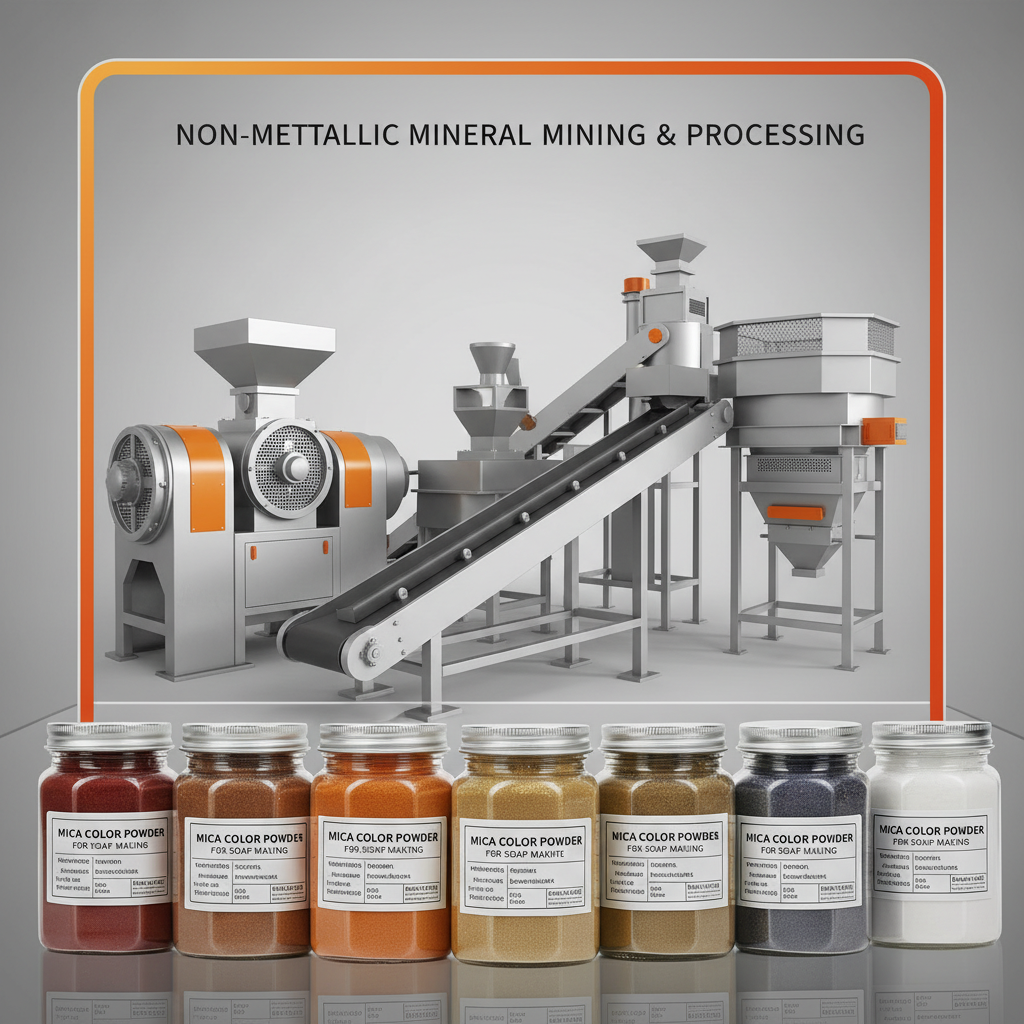
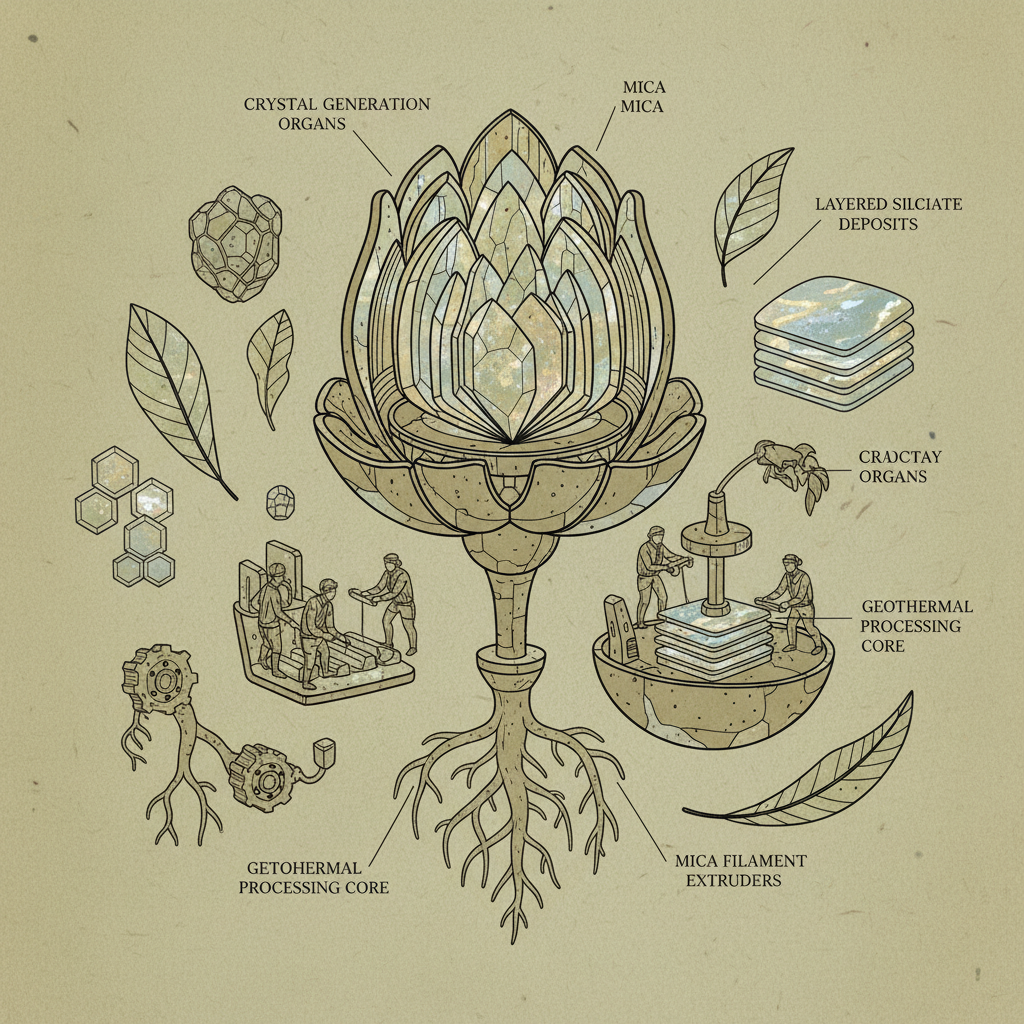
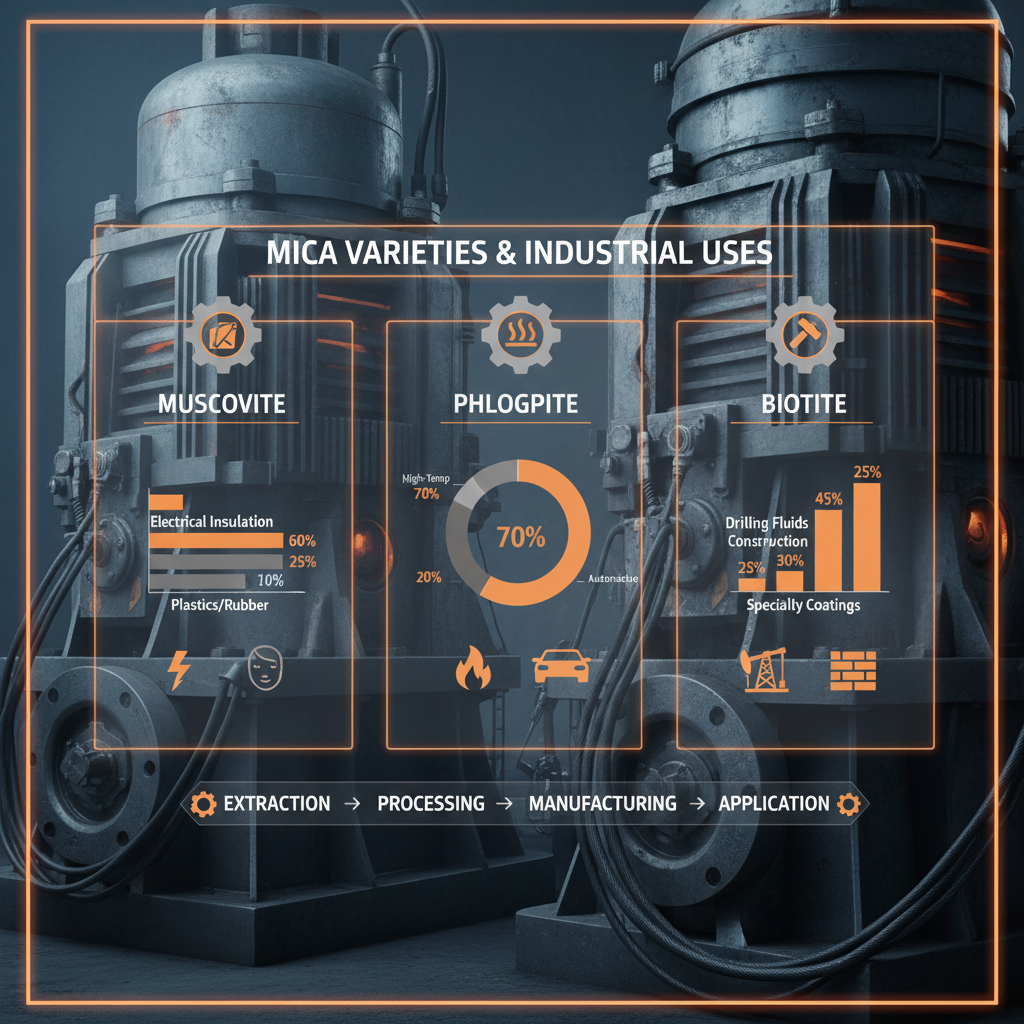
Mica color powder for soap making is a rapidly growing sector within the cosmetics and personal care industry. Driven by increasing consumer demand for natural, visually appealing, and ethically sourced ingredients, the use of mica-based colorants in soap production has become ubiquitous. This demand isn’t merely aesthetic; mica provides a silky texture and subtle shimmer highly valued in handmade and artisan soap, creating a premium product experience. Understanding the nuances of mica sourcing, processing, and application is crucial for soap makers aiming for quality, consistency, and consumer trust.
Globally, the mica industry faces challenges regarding responsible sourcing and labor practices, particularly in developing countries. However, significant advancements are being made in traceability and ethical certification, allowing soap manufacturers to ensure their mica supply chain meets stringent standards. The market is expanding beyond traditional cosmetic applications, finding use in specialized soaps targeting sensitive skin, aromatherapy, and even medicinal properties. This diversification underscores the versatility and growing importance of mica color powder for soap making.
Furthermore, the rise of DIY soap making and the flourishing online marketplace have democratized access to mica powders, empowering small businesses and individual artisans. The ability to customize colors and create unique soap designs has fueled creativity and innovation within the industry, making mica color powder for soap making a cornerstone of modern soap crafting.
The Significance of Mica Color Powder for Soap Making
The significance of mica color powder for soap making stems from its ability to enhance both the aesthetic appeal and perceived value of soap products. Beyond simply adding color, mica imparts a luxurious shimmer and a silky smooth texture that distinguishes handmade soaps from mass-produced alternatives. This tactile and visual enhancement directly contributes to a more satisfying consumer experience.
Furthermore, the versatility of mica allows soap makers to create a wide range of unique color palettes and effects, catering to diverse consumer preferences and market trends. This flexibility is particularly crucial in the artisan soap sector, where customization and individuality are highly valued. The ability to blend micas, create gradients, and achieve specific shades enables soap makers to express their creativity and build a distinct brand identity.
Defining Mica Color Powder for Soap Making
Mica color powder for soap making is a naturally occurring mineral composed of silicate materials. It’s ground into a fine powder and often coated with titanium dioxide and iron oxides to create a vast spectrum of vibrant colors. Unlike synthetic dyes, mica offers a pearlescent or shimmering effect, making it highly sought after for cosmetic applications, including soap making. The particle size and coating quality directly impact the color intensity and dispersion within the soap base.
Essentially, it's a pigment – a substance that imparts color – but with unique properties that distinguish it from others. These properties include its natural origin, light-reflecting capabilities, and generally considered to be non-toxic and gentle on the skin when used correctly. It's important to differentiate between cosmetic-grade mica and industrial-grade mica, as only cosmetic-grade is suitable for use in soap destined for human skin.
The source of mica significantly influences its quality and sustainability. Ethical sourcing, ensuring fair labor practices and minimal environmental impact, is becoming increasingly crucial for both manufacturers and consumers.
Key Properties of High-Quality Mica Color Powder for Soap Making
Several key properties define the quality of mica color powder for soap making. Firstly, Particle Size is critical; finer particles blend more seamlessly into the soap base, providing a smooth texture and even color distribution. Coarser particles can create a gritty feel and uneven coloration. Secondly, Color Intensity & Stability ensures vibrant, long-lasting color that doesn’t fade or bleed during the soap making process or over time.
Purity and Safety are paramount. Cosmetic-grade mica should be free from heavy metals and other contaminants. Reputable suppliers provide Certificates of Analysis (COAs) verifying the product’s safety and purity. Another key factor is Dispersion, indicating how easily the powder mixes with oils, water, and other soap ingredients. Poor dispersion can lead to clumping and uneven coloring. Finally, Lightfastness refers to the mica’s resistance to fading when exposed to sunlight, maintaining the soap's color integrity.
Beyond these core properties, the coating material used on the mica affects its color, shimmer, and compatibility with different soap bases. Titanium dioxide provides opacity and brightness, while iron oxides contribute to earth-toned shades. Understanding these properties allows soap makers to choose the right mica powder for their specific formulation and desired aesthetic outcome.
Application Techniques for Mica Color Powder for Soap Making
Successfully incorporating mica color powder for soap making requires understanding various application techniques. The most common method involves adding the mica directly to melted oils, ensuring thorough mixing before combining with the lye solution. This allows the mica to disperse evenly throughout the soap base. Another technique, known as “swirling,” involves adding small amounts of mica to the soap batter after pouring into the mold, creating visually striking patterns.
More advanced techniques include layering different mica colors to achieve multi-dimensional effects and using alcohol inks in combination with mica to create unique marbling patterns. The amount of mica used depends on the desired color intensity and the type of soap base. Cold process soap typically requires a higher percentage of mica than melt-and-pour soap due to the different chemical reactions involved.
Mica Color Powder for Soap Making: Application Method Effectiveness
Global Demand and Regional Trends in Mica Color Powder for Soap Making
The global demand for mica color powder for soap making is steadily increasing, driven primarily by the growth of the natural and organic cosmetics market. North America and Europe currently represent the largest consumer markets, with a growing emphasis on ethically sourced and sustainable ingredients. Asia-Pacific is experiencing particularly rapid growth, fueled by rising disposable incomes and a burgeoning demand for premium personal care products. India, as a major mica producing country, plays a crucial role in the global supply chain, though it also faces ongoing challenges related to responsible mining practices.
Regional trends reveal a preference for specific color palettes. For example, pastel shades and earthy tones are popular in European markets, while bolder, more vibrant colors are favored in Asia. The rise of social media and beauty influencers also influences consumer preferences, driving demand for innovative and visually appealing soap designs. This, in turn, increases the need for diverse and high-quality mica color powders.
Furthermore, the increasing focus on transparency and traceability is prompting soap manufacturers to seek suppliers who can demonstrate a commitment to ethical sourcing and environmental responsibility, influencing regional trade patterns and supply chain dynamics.
Advantages of Using Mica Color Powder for Soap Making
Using mica color powder for soap making offers several distinct advantages over alternative coloring agents. Firstly, its natural origin appeals to consumers seeking clean and sustainable beauty products. Secondly, mica provides a unique shimmering effect that cannot be replicated by synthetic dyes, enhancing the visual appeal of the soap. Thirdly, mica is generally considered non-toxic and gentle on the skin, making it suitable for a wide range of soap formulations, including those designed for sensitive skin.
Beyond these functional benefits, mica contributes to the overall perceived value of the soap, elevating it from a basic cleaning product to a luxurious self-care item. This allows soap makers to command a premium price point and build a strong brand identity.
Future Innovations and Sustainability in Mica Color Powder for Soap Making
The future of mica color powder for soap making is focused on innovation and sustainability. Research is underway to develop new and improved mica coatings that offer enhanced color stability, dispersion, and safety. The development of synthetic mica alternatives, created in a laboratory setting, is also gaining traction as a way to address concerns about ethical sourcing and environmental impact.
Another area of innovation is the use of biotechnology to create mica-like pigments from renewable resources. Furthermore, advancements in traceability technologies, such as blockchain, are enabling greater transparency in the mica supply chain, allowing consumers to verify the origin and ethical production of the mica used in their soaps.
Ultimately, the industry is moving towards a more circular economy model, emphasizing responsible mining practices, waste reduction, and the development of eco-friendly alternatives.
Key Factors Influencing the Sustainability of Mica Color Powder for Soap Making
| Mining Practices |
Labor Standards |
Waste Management |
Supply Chain Traceability |
| Open-pit mining vs. responsible extraction |
Fair wages and safe working conditions |
Reducing water usage and pollution |
Implementing blockchain technology |
| Land reclamation efforts after mining |
Eliminating child labor and forced labor |
Recycling mica waste products |
Certifications and auditing processes |
| Minimizing environmental disturbance |
Empowering local communities |
Developing biodegradable mica coatings |
Transparency in sourcing and production |
| Investing in sustainable mining technologies (7/10) |
Promoting ethical sourcing initiatives (8/10) |
Reducing the carbon footprint of mica production (6/10) |
Improving data collection and verification (9/10) |
| Rehabilitating damaged ecosystems (5/10) |
Supporting fair trade practices (7/10) |
Developing closed-loop mica recycling systems (4/10) |
Engaging stakeholders in sustainable practices (8/10) |
| Adopting circular economy principles (6/10) |
Investing in worker training and development (7/10) |
Utilizing renewable energy sources in mica processing (5/10) |
Leveraging digital technologies for supply chain optimization (9/10) |
FAQS
Natural mica is derived from mined minerals, offering a unique shimmer and natural origin appeal. Synthetic mica, also known as fluorphlogopite, is lab-created, ensuring consistent particle size, purity, and ethical sourcing. While synthetic mica lacks the "natural" label, it addresses concerns about responsible mining and offers enhanced performance in certain applications. Both are suitable for soap making, the choice depends on your brand values and product formulation preferences.
The amount of mica color powder needed varies depending on the type of soap base (melt-and-pour vs. cold process), the desired color intensity, and the specific mica shade. Generally, 1-5% of the total oil weight is a good starting point for cold process soap. For melt-and-pour, start with 0.5-2% and adjust as needed. Always test a small batch first to ensure the color is achieved without compromising the soap’s integrity.
Cosmetic-grade mica is generally considered safe for most skin types. However, individuals with sensitive skin may experience irritation. It's essential to use high-quality, purified mica from a reputable supplier and perform a patch test before using products containing mica extensively. Avoid micas with potential heavy metal contaminants, and consider the overall formulation of your soap, as other ingredients can contribute to skin sensitivity.
Look for suppliers who prioritize ethical sourcing and transparency. Certifications like FairMined or those from organizations like the Responsible Mica Initiative (RMI) can provide assurance. Request a Certificate of Analysis (COA) to verify the mica's purity and absence of harmful contaminants. Ask your supplier about their supply chain practices and commitment to fair labor standards.
To achieve optimal dispersion, it's best to mix the mica powder with a small amount of oil before adding it to the rest of the soap base. This creates a slurry that blends more easily. Using a stick blender can also help ensure thorough mixing, preventing clumping and ensuring even color distribution. Avoid adding mica directly to lye water, as this can cause inconsistencies.
Yes, cosmetic-grade mica is widely used in leave-on cosmetic products like lotions, creams, and foundations. However, the particle size and coating are crucial for safety and aesthetics. Nano-sized mica particles may be used for a smoother texture, but it’s important to ensure they are coated to prevent potential inhalation risks. Always follow regulatory guidelines and use concentrations appropriate for the specific product formulation.
Conclusion
In conclusion, mica color powder for soap making represents a crucial element in the modern artisan soap industry. Its ability to enhance both aesthetic appeal and product value, coupled with increasing consumer demand for natural and ethically sourced ingredients, solidifies its importance. Understanding the properties of mica, mastering application techniques, and prioritizing sustainable sourcing are key to crafting high-quality, visually stunning, and responsibly produced soaps.
Looking forward, innovation in mica production and processing will continue to drive the industry forward. Embracing advancements in synthetic mica alternatives, blockchain traceability, and circular economy principles will ensure a more sustainable and ethical future for mica color powder for soap making. Visit our website at mica color powder for soap making to explore our range of premium mica powders and learn more about our commitment to quality and sustainability.