
Understanding Synthetic Mica Pigments: Benefits, Applications & Future Trends
Why Synthetic Mica Pigments Matter in Today’s World
Whenever you catch a glimpse of shimmer in cosmetics, coating, or even the tiniest tech component, there’s a good chance synthetic mica pigments are involved. But what exactly are they, and why should industries and consumers worldwide care? Well, to put it bluntly, synthetic mica pigments are quietly redefining the standards for color, durability, and sustainability across several sectors globally — and the benefits stretch far beyond just aesthetics.
Understanding synthetic mica pigments isn’t just an academic exercise. With increasing environmental regulations and demand for high-performance materials, these pigments have become central to innovation. Whether you're working in automotive painting, personal care, plastics, or even remote field equipment, they can be a game-changer.
Global Context: The Role of Synthetic Mica Pigments in Industry
So, what's the global significance? According to ISO standards and recent sustainability reports, the demand for synthetic mica pigments has surged alongside stricter controls on mining natural mica — a resource that’s often associated with human rights concerns and supply insecurity.
Worldwide, mica mining is a billion-dollar industry, but it faces ethical and environmental scrutiny. Synthetic alternatives reduce pressure on natural deposits while improving consistency and performance of the pigments used in paints, cosmetics, and electronics. For instance, emerging economies in Asia and Europe are leading this shift, supported by government policies encouraging eco-friendly production.
Globally, manufacturers grapple with how to maintain rich visual effects without compromising on ethical sourcing. Synthetic mica pigments answer this call by offering a controllable, traceable solution — which is crucial when brands want to assure customers about product origins.
What Exactly Are Synthetic Mica Pigments?
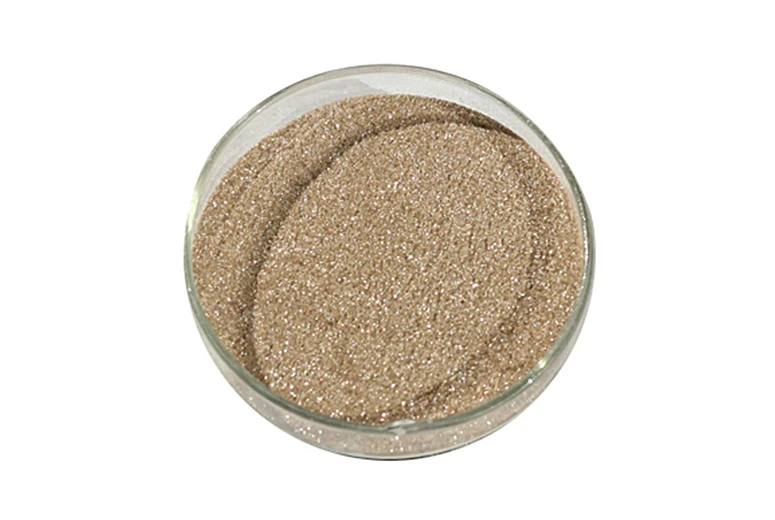
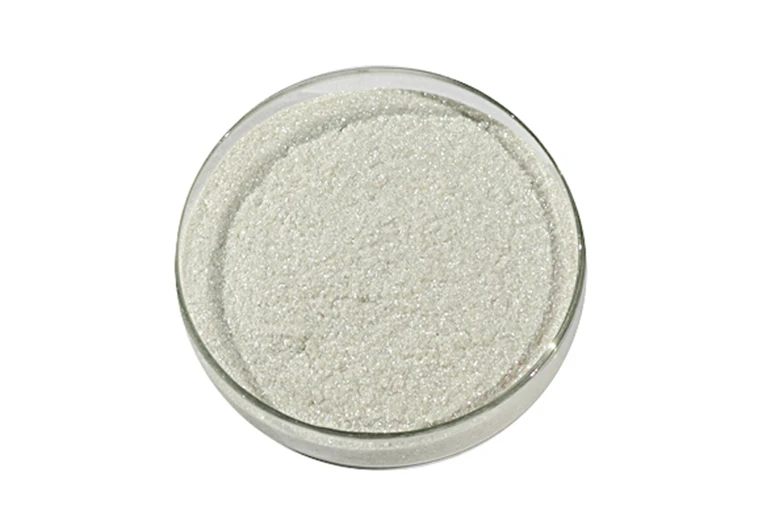
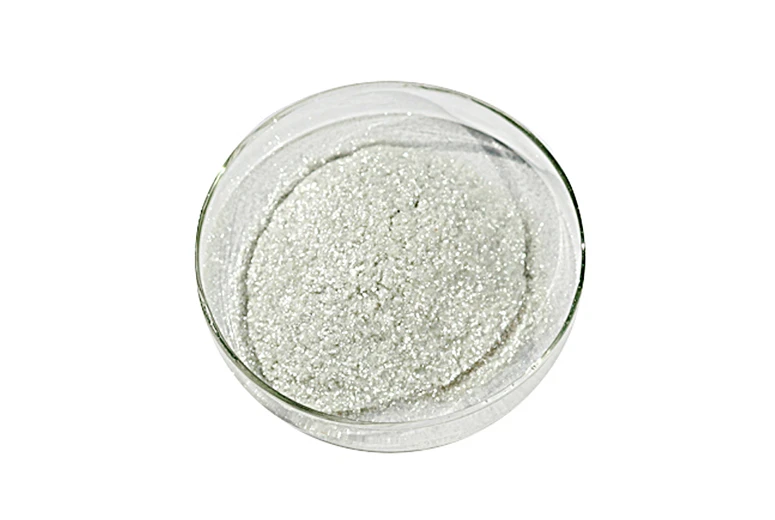
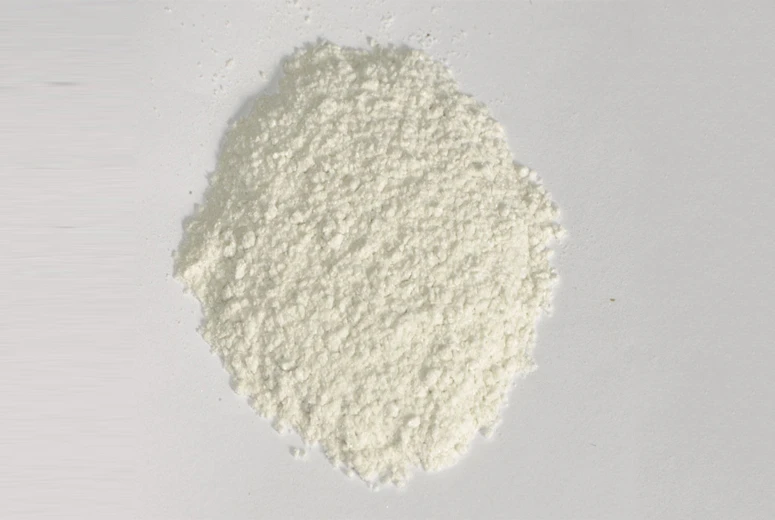
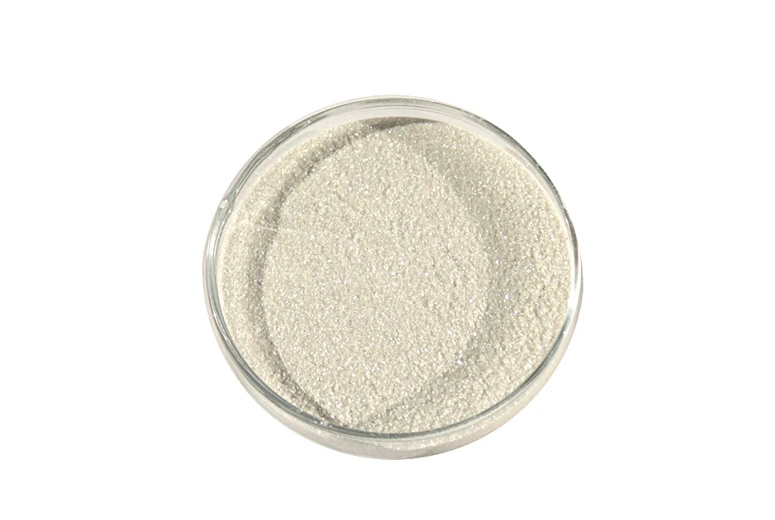
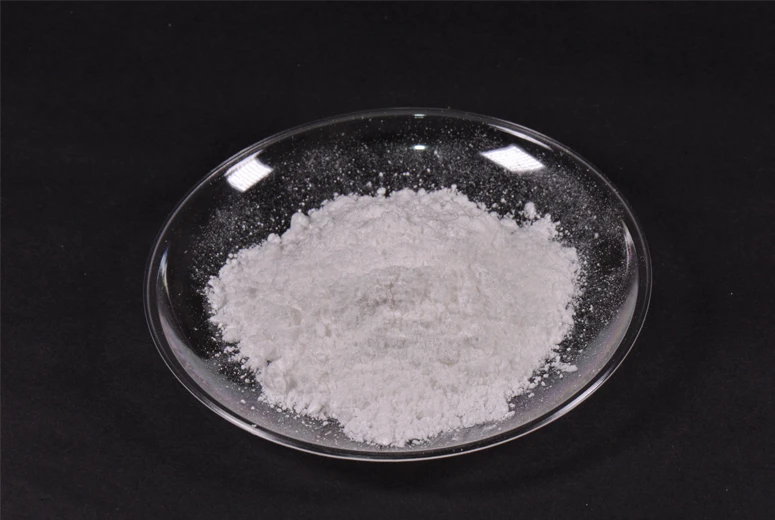
At its core, synthetic mica pigment is a manufactured mineral pigment designed to mimic the optical properties of natural mica crystals but with enhanced purity and performance. It’s made by layering synthetic mica flakes with metal oxides like titanium dioxide or iron oxide to create brilliant metallic or pearlescent effects.
Imagine the shimmering surface of a butterfly’s wing or the subtle sparkle in a high-end vehicle’s paint—synthetic mica pigments replicate that magic. But unlike mined mica, these pigments are created in controlled environments, eliminating impurities and ensuring uniformity batch after batch.
More than just pretty colors, their versatility makes them vital for industries that demand durability and safety, like cosmetics where non-toxic, hypoallergenic properties are essential, or automotive coatings requiring weather resistance.
Core Attributes of Synthetic Mica Pigments
1. Durability
One thing that’s often remarked upon is how synthetic mica pigments resist UV degradation and chemical exposure better than natural alternatives. For applications outdoors—think car exteriors or architectural paints—this means longer-lasting vibrancy.
2. Consistency & Scalability
Because they're produced industrially, manufacturers can tailor pigment sizes, shapes, and optical effects precisely. That scalability means whether a small cosmetics brand or a global automotive giant, everyone gets the exact shade and finish they need every time.
3. Environmental Impact
Synthetic mica pigments sidestep the environmental and ethical troubles tied to mining natural mica, supporting responsible material sourcing. Plus, being mineral-based they often contain fewer volatile organic compounds (VOCs) than organic pigments.
4. Cost Efficiency
Oddly enough, even with the tech and precision manufacturing involved, synthetic pigments often reduce costs over time through improved batch consistency and reduced waste. In sectors like packaging or industrial coatings, this translates directly to bottom-line savings.
5. Safety for Sensitive Applications
Because they can be manufactured free from heavy metals or other contaminants, synthetic mica pigments are preferred in skincare and children’s products, where regulatory limits are tight.
Mini takeaway:
Synthetic mica pigments combine robust performance with ethical and environmental sensibility — a rare win-win in materials science.
Real-World Applications: Where Synthetic Mica Pigments Shine
From shimmer on a lipstick to reflective layers in solar panels, synthetic mica pigments have broad global reach. Here are some highlights:
- Cosmetics: Brands worldwide use these pigments to achieve luxurious pearlescence without risking skin irritation, meeting strict FDA and EU regulations.
- Automotive Paints: High-end vehicles rely on synthetic mica pigments for vibrant, long-lasting metallic finishes while reducing environmental footprints during manufacturing.
- Electronics: Thin films containing these pigments are embedded in wearable tech or smartphone cases to create durable, eye-catching surfaces.
- Industrial Coatings & Plastics: Factories in Europe and Asia benefit from the pigment’s chemical resistance and consistent quality.
- Specialty Applications: Humanitarian kits or emergency equipment in remote regions sometimes use materials enhanced with synthetic mica pigments, helping keep critical gear visible and reliable.
Advantages That Make Synthetic Mica Pigments Worth It
The list could go on, but the key advantages focus on tangible and intangible benefits:
- Longevity: Reduced fading means products look fresh longer, saving consumers money and frustration.
- Sustainability: Keeps natural mica mining—and its linked ethical issues—down to a minimum.
- Innovation: Designers and engineers gain freedom with customizable shades and effects.
- Social impact: Brands demonstrate responsibility by choosing ethically sourced ingredients.
Product Specification Table: Synthetic Mica Pigment “Pearlescent” Series
| Property | Detail |
|---|---|
| Particle Size | 5 - 30 µm (adjustable) |
| Reflection Type | Pearlescent (soft glow) |
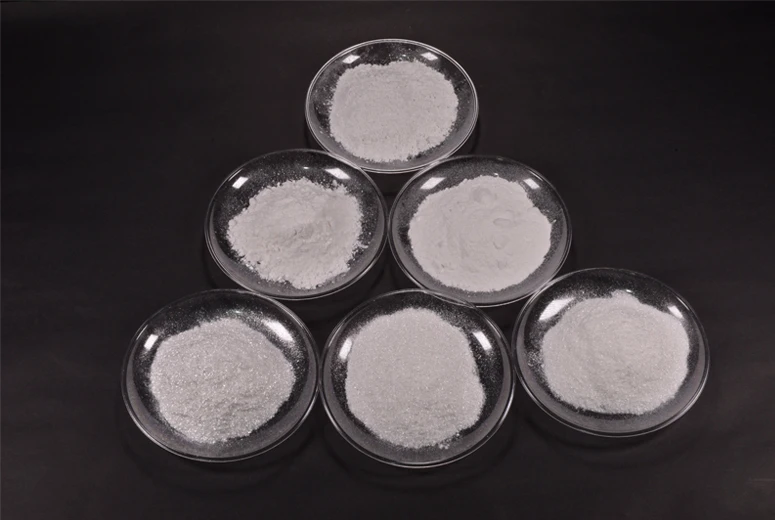
| Color Options | White, Gold, Pink, Blue, Green |
| Chemical Resistance | High (acid/base resistant) |
| Application Methods | Coatings, Plastics, Cosmetics |
| Eco-Friendly Certifications | ISO 14001 compliant manufacturing |
Vendor Comparison: Leading Synthetic Mica Pigment Producers
| Vendor | Main Strength | Geographic Reach | Price Range |
|---|---|---|---|
| CrystalShade Inc. | Ultra-pure flakes, wide color range | Global (Americas & Asia focus) | $$$ |
| MicaTech Solutions | Custom particle size & surface coatings | Europe and Middle East | $$ |
| EcoMica Labs | Focus on sustainability and green production | Asia and Australia | $$$ |
Looking Ahead: Future Trends in Synthetic Mica Pigments
Looking forward, things are pretty exciting. Researchers are combining synthetic mica pigments with nanotechnology to enhance electrical conductivity for printed electronics, subtly shifting how we think about pigments as “just color.” Also, ‘green chemistry’ approaches are reducing energy use in production, fully aligning with circular economy principles essential in modern manufacturing.
Automation and AI-driven quality control are speeding up innovation cycles, letting new pigment formulas hit markets faster. Plus, growing consumer awareness means brands will push harder for verifiable eco-certifications tied to these pigments.
Challenges & Solutions in the Synthetic Mica Pigment Landscape
Of course, it’s not all roses. Some challenges linger:
- Cost Sensitivity: Premium synthetic pigments aren’t always the cheapest upfront, which can deter smaller manufacturers.
- Technical Complexity: Achieving exact effects requires precise layering and coating processes, which demand specialist equipment.
- Market Education: Convincing traditional users to switch from natural mica remains an uphill task in certain regions.
That said, ongoing R&D efforts and collaborative industry initiatives are bridging these gaps. For instance, pilot programs demonstrating cost savings over product life cycles help make the case compelling. Also, some vendors offer tailored formulations making adoption less daunting.
FAQ: Your Questions About Synthetic Mica Pigments
1. Are synthetic mica pigments safer than natural mica in cosmetics?
Yes. Synthetic versions are produced under controlled conditions, minimizing contaminants like heavy metals, making them ideal for sensitive skin and regulatory compliance.
2. Can synthetic mica pigments withstand harsh outdoor conditions?
Absolutely. Their chemical and UV resistance makes them suitable for automotive and architectural applications exposed to sun, rain, and pollutants.
3. How do synthetic mica pigments impact production costs?
While they may have a higher initial cost, they reduce waste and ensure color consistency, potentially lowering overall manufacturing expenses.
4. Where can I source eco-certified synthetic mica pigments internationally?
Leading vendors often hold ISO 14001 or similar environmental certifications. Checking suppliers’ documentation ensures compliance and sustainability.
5. Are synthetic mica pigments customizable for specific needs?
Yes. Manufacturers can adjust flake size, color, and coating to deliver precise optical properties tailored to diverse applications.
Conclusion: Why Synthetic Mica Pigments Are the Future
Overall, synthetic mica pigments represent a remarkable blend of science, ethics, and aesthetics. Their scalability, durability, and environmental friendliness will continue to push industries forward—whether creating durable car paints or dazzling cosmetic effects.
For anyone looking to explore quality, consistency, and sustainability in pigment technology, synthetic mica pigments are worth keeping front and center.
Interested? Visit our website at https://www.hjmica.com to learn more about innovative synthetic mica pigment solutions.
References
-
Ultimate Guide to Using High Quality Pearl Paint Pigment for LusterNewsApr.16,2026
-
Elevating Automotive Aesthetics with Mica Powder Car PaintNewsApr.09,2026
-
Unlock Stunning Effects with Mica Powder for Paint ApplicationsNewsApr.07,2026
-
Comprehensive Guide to Mica Dye Powder Applications and BenefitsNewsApr.04,2026
-
Unlocking the Brilliance of Mica Pigment Paint for Diverse ApplicationsNewsMar.31,2026
-
Enhancing Concrete Performance with Durable Mica Chips for Concrete ApplicationsNewsMar.28,2026