
Synthetic Mica Eyeshadow: Sustainable Glamour for the Modern Beauty Industry
Understanding Synthetic Mica Eyeshadow: A Modern Beauty Essential
At first glance, synthetic mica eyeshadow might sound like something only a beauty insider would obsess over — but it’s more relevant and impactful than it appears. Worldwide, cosmetic industries are evolving as consumers demand safer, more sustainable, and ethically sourced products. The rise of synthetic mica eyeshadow, a glittering star in this transformation, promises brighter colors without the mining-related footprint of natural mica. Knowing why it matters globally helps brands, suppliers, and consumers navigate a more responsible beauty supply chain.
Over the next several hundred words, we'll dive into what synthetic mica eyeshadow actually is, why it’s a game changer, and how it fits in with bigger industry trends — all with a few interesting tidbits that make you think.
The Global Cosmetics Landscape & Why Synthetic Mica Eyeshadow Matters
Globally, the cosmetics market is huge—valued at over $380 billion USD in 2023 (Statista)—and eyeshadow is a staple product within it. Yet, a chronic challenge has dogged this segment: natural mica, prized for its shimmer, is often sourced under questionable conditions including child labor and environmental degradation, especially in countries like India and Madagascar (UNICEF reports have raised red flags).
This problem isn’t just an ethical wrinkle; it impacts supply chains, brand reputation, and ultimately the sustainability credentials consumers expect. The rise of synthetic mica eyeshadow addresses this head-on. It offers an ethically sound alternative, often purer and with more consistent quality, helping brands align with emerging global standards like ISO 22716 (Cosmetic Good Manufacturing Practice).
Factoid: The natural mica market lags in supply reliability, causing price swings and production delays for many cosmetic giants, which synthetic forms are steadily smoothing out.
Mini Takeaway: Synthetic mica eyeshadow is more than just a cosmetic choice — it’s a response to real social, environmental, and business demands worldwide.
What Exactly Is Synthetic Mica Eyeshadow?
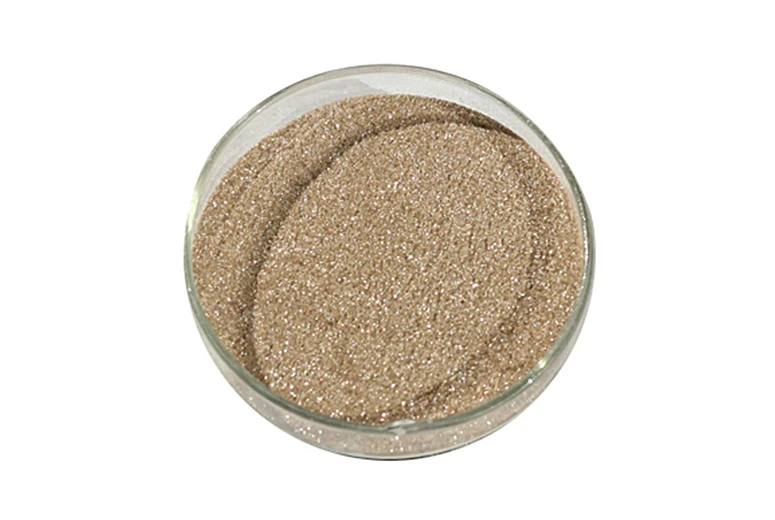
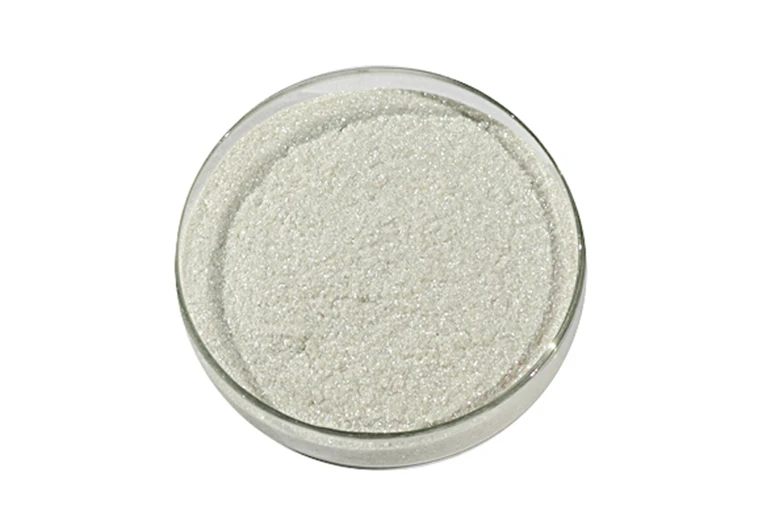
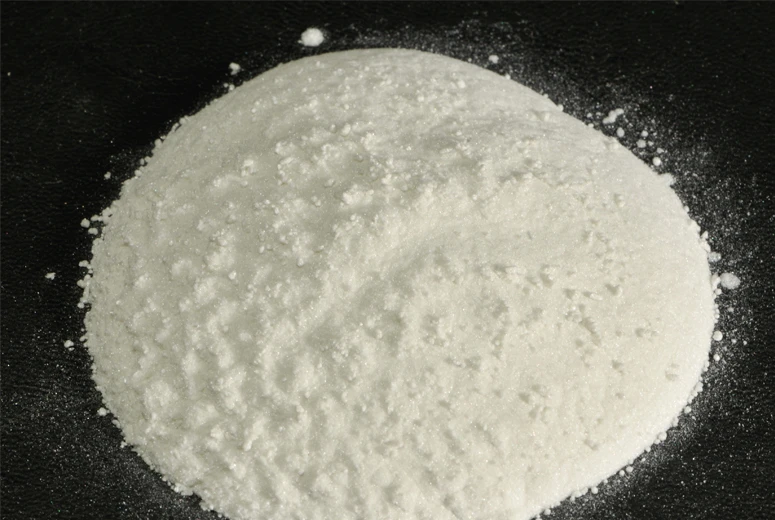
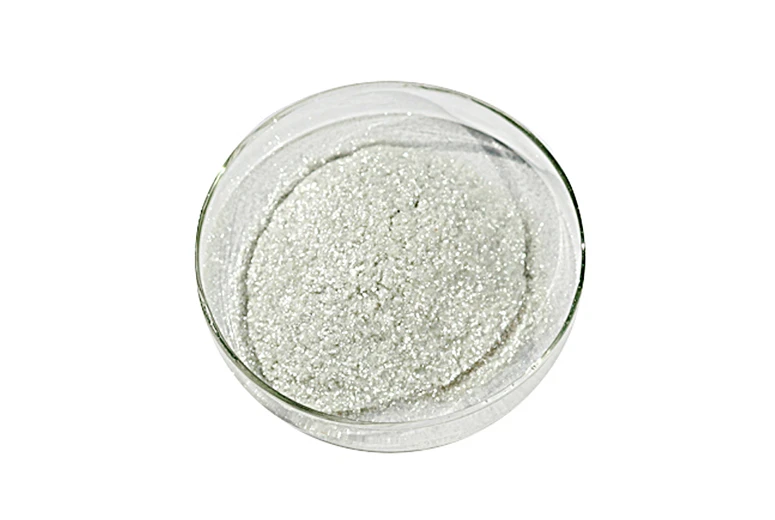
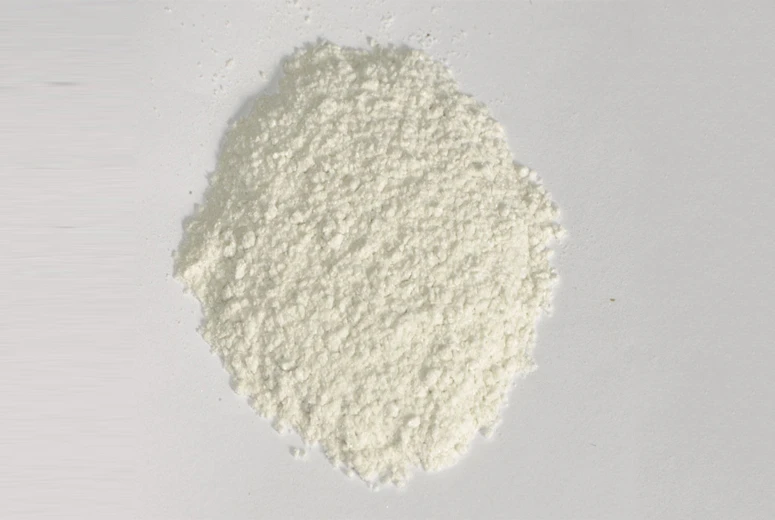
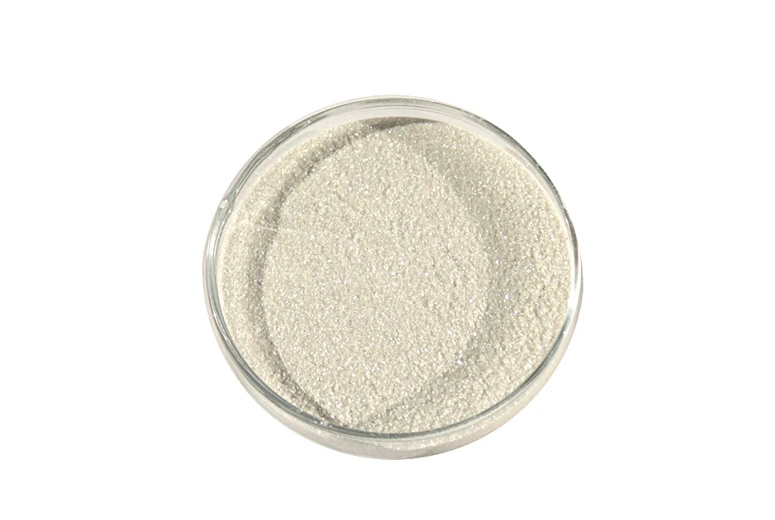
Put simply, synthetic mica eyeshadow uses lab-created mica flakes instead of those mined from the earth. Unlike natural mica, which is a mineral made of layered silicates, synthetic mica is manufactured to have similar reflective qualities but with controlled particle size, purity, and chemical composition.
This precision means better pigment adhesion, less contamination risk, and a wider range of shimmer effects for formulators.
Why does this matter? Because synthetic mica eyeshadow bridges the cosmetic industry's desire for dazzling shimmer with the imperative to avoid harmful mining practices. It also allows companies to meet growing consumer demand for cruelty-free and sustainable makeup — a niche rapidly becoming the mainstream.
Core Components & Features That Make a Difference
1. Consistent Quality & Particle Size
Synthetic mica’s major draw is uniformity. Natural mica varies in size and purity depending on the mine, but synthetic mica can be made precisely in labs. This results in smoother application and longer-lasting wear.
2. Ethical Sourcing & Sustainability
By steering clear of mined mica, synthetic options eliminate reliance on unfair labor practices and habitat disruption. Plus, the production processes strive for low waste and energy conservation — key measures in line with ISO 14001 environmental standards.
3. Customizable Shimmer and Hues
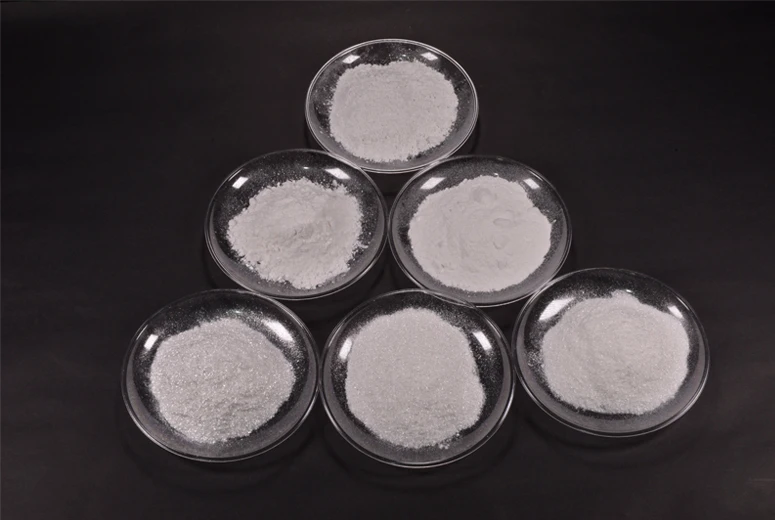
Manufacturers can tweak chemical coatings on synthetic mica to yield different colors, opacity, and sparkle intensity. This flexibility is a boon for innovation and trend responsiveness.
4. Health & Safety Compliance
Without trace contaminants often found in natural mica, synthetic mica eyeshadows generally have better allergenic profiles and lower heavy metal content, aligning with regulations like EU’s Cosmetic Regulation (EC) No 1223/2009.
5. Scalability for Mass Production
Another advantage is supply scalability. Considering the booming beauty market, synthetic mica production can be ramped up without the unpredictable setbacks natural mining faces.
| Specification | Value/Range | Notes |
|---|---|---|
| Particle Size | 3–15 microns | Optimal for smooth texture |
| Purity | ≥ 99.5% | Minimal impurities |
| Reflectance | High gloss/shimmer | Tunable through coatings |
| Heavy Metal Content | Below regulatory limits | Ensures safety compliance |
| Solubility | Insoluble | Stable in formulations |
Mini Takeaway: Synthetic mica is engineered with precision, offering a sustainable and safer alternative without compromising on cosmetic appeal.
How Synthetic Mica Eyeshadow is Changing the Game Globally
In practice, synthetic mica eyeshadow is already being adopted by major brands in North America, Europe, and Asia — especially those championing clean beauty. For instance:
- Europe: Strict cosmetic regulations push leading companies to replace natural mica sources.
- North America: Consumer awareness about ethical sourcing boosts demand for synthetic mica products.
- Asia-Pacific: Rapid urbanization and burgeoning middle class fuel growth in premium synthetic mica-based eyeshadows.
Beyond cosmetics, synthetic mica finds use in industrial coatings and electronics due to its reflective and insulating properties — showcasing its versatility.
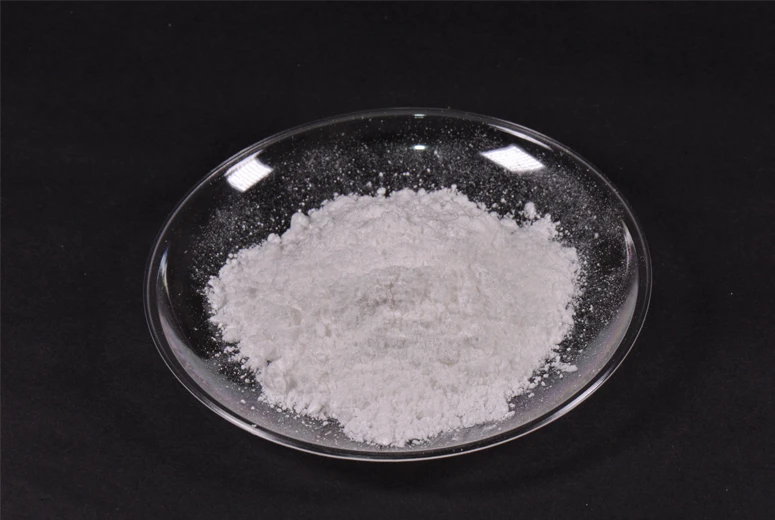
Oddly enough, in disaster relief scenarios where durable, safe cosmetics support mental well-being, powdered forms of synthetic mica help restore a sense of normalcy for displaced persons — a niche but meaningful application.
Vendor Comparison: Synthetic Mica Suppliers (2024)
| Vendor | Source Location | Sustainability Certification | Price (per kg) | Customization Options |
|---|---|---|---|---|
| HJMica Labs | Germany | ISO 14001, Fair Trade | $180 | Color & particle size tuning |
| GloMica Corp. | China | ISO 22716 | $150 | Standard colors & finishes |
| EcoSpark Mica | USA | Fair Trade Organic | $200 | Custom organic coatings |
The Advantages and Long-Term Value of Synthetic Mica Eyeshadow
Beyond the obvious environmental perks, synthetic mica eyeshadow offers several functional and emotive benefits:
- Cost predictability: Consistent production eases budgeting for brands, which can pass savings to consumers.
- Consumer trust: Transparency in sourcing builds brand loyalty in an age of savvy shoppers.
- Innovation-friendly: Lab-made mica invites ongoing R&D for novel textures, finishes, and formulations.
- Social impact: Avoiding conflict minerals supports global human rights efforts.
Frankly, there’s an intangible value in knowing your makeup isn’t part of a shady supply chain. It just feels better.
Emerging Trends and Innovations in Synthetic Mica Production
Looking ahead, several tech and policy trends are shaping synthetic mica’s journey:
- Green Chemistry: New eco-friendly synthesis methods reduce energy use and chemical waste.
- Digital Quality Control: AI-powered particle size monitoring improves batch precision.
- Circular Economy: Integrating recycled mica materials to cut down resource demand.
- Regulatory tightenings: More countries adopting strict labeling and fair trade requirements catalyze wider synthetic mica adoption.
All these factors point to a more transparent, efficient industry fueled by both tech and consumer values.
Challenges and Potential Solutions
No innovation exists in a vacuum — synthetic mica eyeshadow faces hurdles, too:
- Higher initial costs: Lab production costs can be more than natural mica mining, though economies of scale are improving this.
- Consumer skepticism: Educating customers on why synthetic mica is better remains crucial.
- Production scale limits: Some suppliers still struggle to meet huge global cosmetics demand.
Experts suggest partnering with established manufacturers and investing in supply chain transparency platforms to overcome these obstacles.
Frequently Asked Questions About Synthetic Mica Eyeshadow
- Q: Is synthetic mica eyeshadow safer than natural mica-based products?
- A: Generally yes. Synthetic mica is processed in controlled environments, minimizing impurities and heavy metals commonly found in natural mica, which reduces the risk of allergic reactions or contaminants.
- Q: Does synthetic mica affect the texture or finish of eyeshadow?
- A: Synthetic mica often provides smoother application and more consistent shimmer. Its uniform particle size helps achieve a professional finish that many makeup artists appreciate.
- Q: How can brands verify the ethical sourcing of synthetic mica?
- A: Look for suppliers with sustainability certifications like ISO 14001 or Fair Trade labels, and request documentation on manufacturing processes.
- Q: Can synthetic mica eyeshadow be used in vegan and cruelty-free products?
- A: Yes, since synthetic mica is lab-made, it contains no animal products and is typically compatible with vegan and cruelty-free certifications.
- Q: Will synthetic mica eyeshadow cost more for the end-user?
- A: Initially, synthetic mica can be pricier due to processing, but growing production volumes and efficiencies should bring costs in line with natural mica products over time.
Conclusion: Why Synthetic Mica Eyeshadow Is Worth the Spotlight
Synthetic mica eyeshadow is not just a trend, but a meaningful step forward for the cosmetics industry. It aligns beauty with responsibility and innovation with ethics. Brands adopting synthetic mica ingredients can better navigate supply chain ethicality, sustainability challenges, and consumer expectations.
If you’re a cosmetics developer or brand keen to explore reliable synthetic mica eyeshadow suppliers with proven quality and ethical standards, now’s a perfect moment to engage. The future of shimmer is brighter — and cleaner.
So, go ahead, add that sparkle — without compromise.
References:
1. Wikipedia: Mica Mineral
2. UNICEF Report on Child Labor in Mica Mining, 2023
3. ISO 22716 – Cosmetics Good Manufacturing Practices (GMP)
-
Ultimate Guide to Using High Quality Pearl Paint Pigment for LusterNewsApr.16,2026
-
Elevating Automotive Aesthetics with Mica Powder Car PaintNewsApr.09,2026
-
Unlock Stunning Effects with Mica Powder for Paint ApplicationsNewsApr.07,2026
-
Comprehensive Guide to Mica Dye Powder Applications and BenefitsNewsApr.04,2026
-
Unlocking the Brilliance of Mica Pigment Paint for Diverse ApplicationsNewsMar.31,2026
-
Enhancing Concrete Performance with Durable Mica Chips for Concrete ApplicationsNewsMar.28,2026