
Mica Synthetic: The Essential Modern Insulating Material for Industry
Mica Synthetic: Why It Matters in Today’s Industrial World
At first glance, mica might sound like just another mineral you'd stumble upon in a rock collection or a geology class. But mica synthetic? That’s a different beast — a manmade wonder that’s quietly revolutionizing industries globally. The synthetic variety of mica provides a highly consistent, durable, and versatile material that’s fueling innovation in everything from electronics to automotive manufacturing.
The world’s push toward sustainability and efficiency demands materials that can keep up — and synthetic mica fits the bill perfectly. This article will unravel what mica synthetic is, why it’s crucial in modern settings, and how it’s designed to outperform the natural material it imitates.
Setting the Scene: Mica Synthetic’s Global Relevance
When you think about raw materials today, supply-chain disruptions and ethical sourcing often dominate conversations. Natural mica mining has been under scrutiny because of environmental concerns and labor practices, notably in places like India and Madagascar, where child labor remains an issue according to UNICEF reports.
Mica synthetic, therefore, becomes a beacon of progress. According to the International Electrotechnical Commission (IEC) and material science reports, demand for synthetic mica is surging by roughly 7% annually because it sidesteps many ethical and quality challenges associated with natural mica. It offers consistent quality, fewer impurities, and scalable production — exactly what industries crave in the 21st century’s fast-paced climate.
Moreover, the electronics markets in East Asia and Europe have tightly integrated mica synthetic in their manufacturing supply chain. Precisely because the global electronics market topped $1.1 trillion in 2023 (World Bank data), materials like mica synthetic become foundational rather than optional.
What Is Mica Synthetic? A Simple Definition
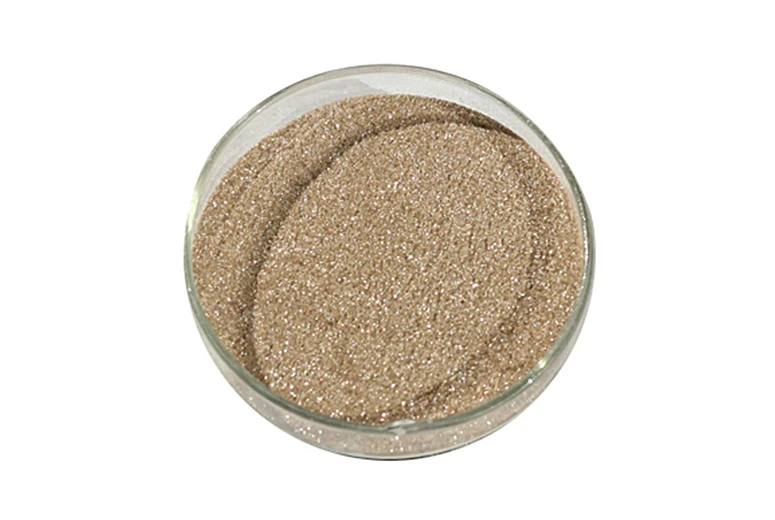
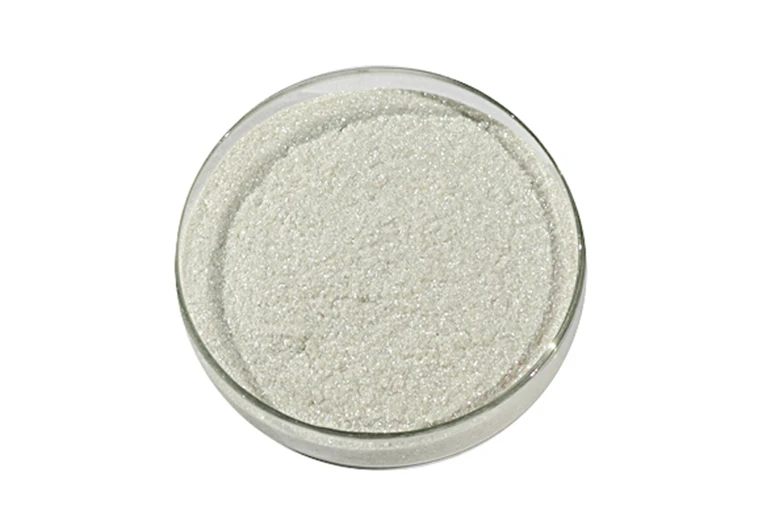
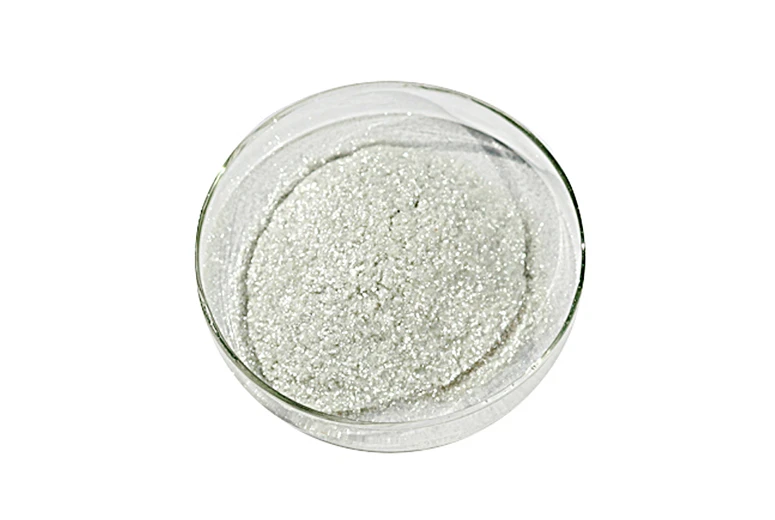
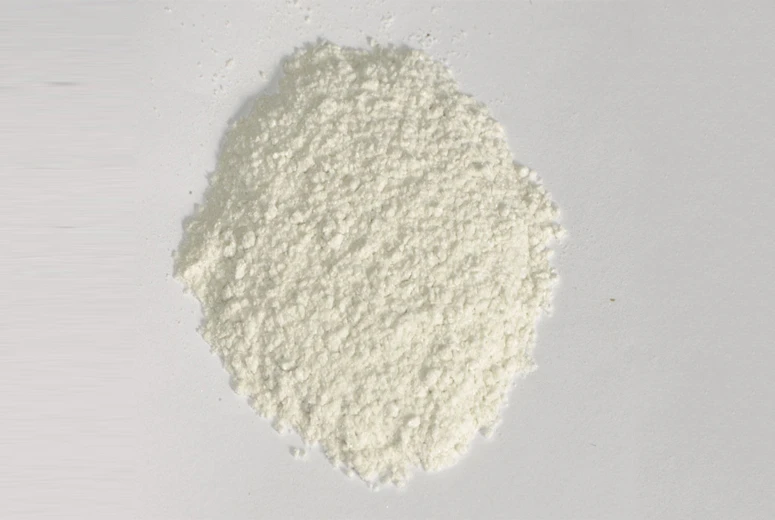
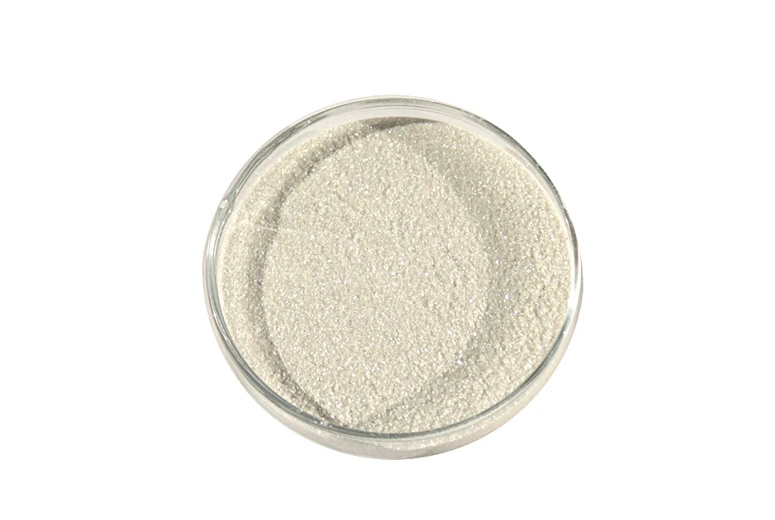
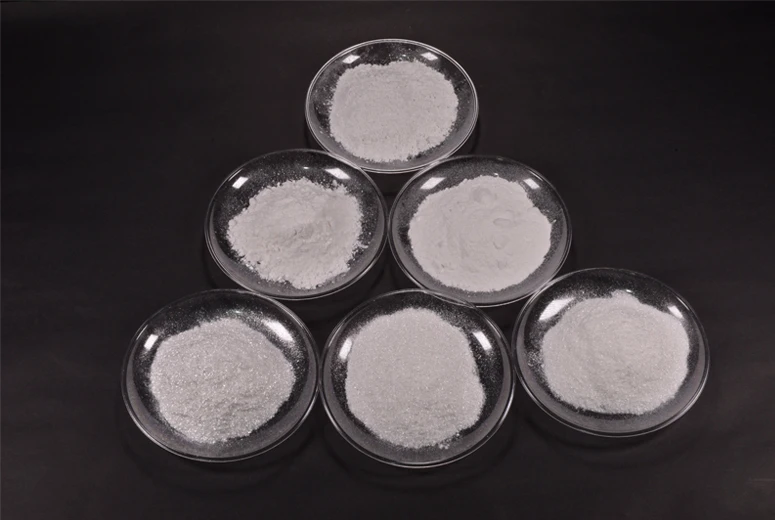
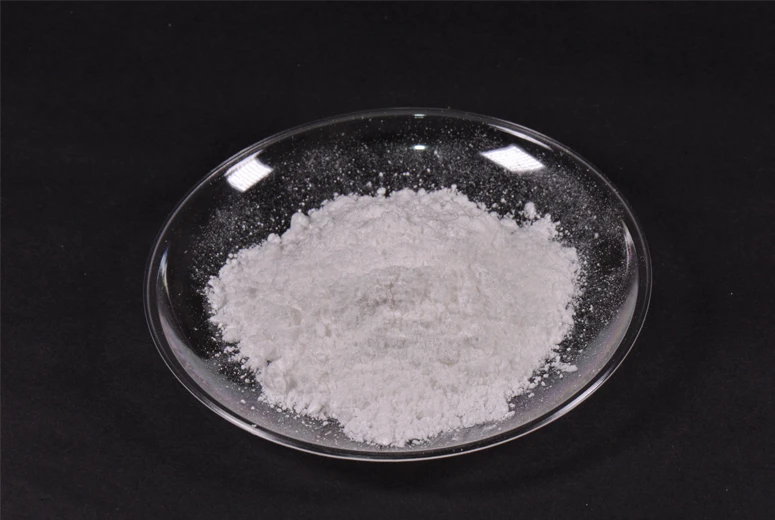
Put simply, mica synthetic is a lab-produced dielectric material designed to mimic and improve upon the natural properties of mined mica. Unlike its natural cousin, synthetic mica is engineered to have uniform thickness, fewer inclusions (those pesky tiny flaws), and superior thermal resistance.
Industries use mica synthetic primarily as an insulating mineral in capacitors, electronics, and heat shields — basically anywhere durability, heat resistance, and electrical insulation are key.
Its synthetic origin means it can be produced in controlled environments, ensuring consistency and ethics — a significant plus given global pushes toward responsible sourcing.
Core Components of Mica Synthetic Performance
1. Durability
Synthetic mica’s layered silicate composition is optimized for better mechanical strength and flexibility than natural mica. This is huge because it resists cracking or breaking under thermal cycling, a must-have in electronics and industrial applications.
2. Thermal Stability
One of the real game changers. Mica synthetic withstands temperatures beyond 900°C without degrading, making it essential in heaters, engines, and power transformers where thermal stress is the norm.
3. Electrical Insulation
Mica synthetic boasts an impressive dielectric strength, typically around 1200 V/mil, ensuring safety and performance in capacitors and circuit boards. It’s this guaranteed performance that engineers love — no guessing, no compromises.
4. Scalability & Consistency
Unlike the unpredictability of mined mica, synthetic production is scalable and highly repeatable, ensuring manufacturers get a uniform product batch after batch. This reduces rejects and streamlines quality checks.
5. Cost Efficiency over Lifecycle
Though synthetic mica starts pricier, its reliability means fewer failures or recalls, ultimately saving money long term despite the upfront tab. This is a critical factor in aerospace and automotive sectors.
Mini takeaway: Mica synthetic isn’t just a substitute — it’s an upgrade. Its carefully engineered properties match the demands of modern, high-performance industrial environments.
How Mica Synthetic Finds Real-World Application
From capacitors inside your smartphone to the insulation layers in wind turbine generators, mica synthetic is everywhere. It’s a silent workhorse in areas where heat and electricity meet.
- Electronics Industry: Mica synthetic is used extensively to create reliable capacitors and insulators in high-frequency circuits, especially in advanced semiconductor fabrication regions like Taiwan and South Korea.
- Automotive Sector: Electric vehicles (EVs) rely on mica synthetic for heat shielding and electrical insulation components, notably in battery packs and motor controllers.
- Industrial Machinery: In factories across Europe and North America, synthetic mica is baked into power transformers and motors to ensure high efficiency and fault resistance.
- Renewable Energy: Wind and solar power infrastructure integrates mica synthetic for thermal and electrical resilience in harsh environments.
- Humanitarian Engineering: In rapidly deployed housing and electronics for disaster relief, mica synthetic offers durability and reliability where natural mica supply would be too uncertain.
Product Specification: Key Properties of Mica Synthetic
| Property | Typical Value | Unit | Remarks |
|---|---|---|---|
| Dielectric Strength | 1200 | V/mil | Consistent electric insulation |
| Maximum Operating Temperature | 900+ | °C | Thermal resistance |
| Tensile Strength | >40 | MPa | Enhanced mechanical robustness |
| Thickness Range | 25–250 | Microns | Varies by application |
| Moisture Absorption | % | Minimal water uptake |
Comparing Leading Mica Synthetic Suppliers
| Vendor | Production Capacity (tons/year) | Quality Certifications | Key Markets | Price Range (USD/kg) |
|---|---|---|---|---|
| H.J. Mica | 3000 | ISO 9001, RoHS | Electronics, Automotives | 15–22 |
| SynthMica Corp. | 4500 | ISO 14001, UL | Industrial, Renewable Energy | 18–25 |
| ElectroMica Ltd. | 2000 | ISO 9001 | Consumer Electronics | 14–20 |
Why Invest in Mica Synthetic? The Advantages and Long-Term Value
Investing in synthetic mica isn’t just about ticking an ethical or quality checkbox. It’s about protecting long-term reliability and advancing sustainable manufacturing. Many engineers I’ve spoken to highlight the peace of mind from using a material whose specs won’t wildly vary from batch to batch — the kind of reassurance that budgets and deadlines appreciate (and frankly, demand).
- Cost-Effectiveness: Reducing product defects saves money — plus, less waste means lower environmental footprints.
- Ethical & Sustainable: Synthetic production sidesteps controversial mining issues, which is increasingly vital for corporate social responsibility.
- Enhanced Safety & Performance: Mica synthetic enables devices and machinery to run hotter, longer, and safer.
- Social Impact: By shifting away from mined mica, companies indirectly support child-labor-free supply chains — a worthy cause beyond business.
Looking Ahead: Innovations and Future Trends
Things aren’t standing still in synthetic mica production. Advances in nanostructuring are pushing performance to even greater thermal and electrical limits. Some companies are experimenting with hybrid composite materials that blend mica synthetic with graphene or ceramic fillers — which sounds like science fiction but is closer than you’d think.
Moreover, tighter environmental regulations are encouraging manufacturers to refine production techniques to reduce emissions and energy consumption. The rise of smart electronics and the Internet of Things (IoT) means mica synthetic’s precision and reliability will become even more critical.
Challenges in Mica Synthetic Adoption and How to Overcome Them
Despite these advantages, synthetic mica isn’t perfect. Production costs can be steep, especially for ultra-thin varieties. Some smaller manufacturers wrestle with scaling up without sacrificing quality. Plus, traditional industries with historic ties to natural mica sometimes resist change — understandable when old habits run deep.
However, innovative solutions are emerging. Bulk purchase agreements, collaborative R&D, and supply chain transparency tools help ease adoption. Plus, digital testing methods allow for quality control before costly assembly errors occur.
FAQ: Common Questions About Mica Synthetic
What advantages does mica synthetic offer over natural mica in electronics?
Synthetic mica provides uniform thickness and fewer impurities, which translates to better dielectric strength and thermal stability. This consistency reduces device failure rates and enhances performance, vital for precision electronics.
Is mica synthetic environmentally friendly?
Yes, producing mica synthetic in controlled settings reduces harmful mining practices and environmental degradation often associated with natural mica extraction. While energy use in production exists, modern factories aim to minimize their carbon footprint.
How long does mica synthetic last under industrial conditions?
Typically, synthetic mica maintains its properties for decades, with excellent resistance to thermal cycling and moisture. This longevity makes it ideal for use in transformers, capacitors, and other long-term equipment.
Can mica synthetic be tailored for specific industrial needs?
Absolutely. Manufacturers can adjust layer thickness, chemical composition, and purity to meet various requirements, from ultra-thin sheets for microelectronics to thicker profiles for heavy-duty insulation.
Where can I source high-quality mica synthetic reliably?
Leading suppliers like H.J. Mica specialize in synthetic mica tailored for electronics and automotive needs, guaranteed under ISO certifications and extensive quality testing.
Wrapping Up: The Long View on Mica Synthetic
Mica synthetic isn’t just a substitute for natural mica; it’s the future of advanced insulating materials. Providing consistent quality, superior performance, and ethical peace of mind, it fits neatly into evolving global standards demanding safer, more sustainable, and more efficient materials.
If your business or project relies on durable dielectric materials, exploring synthetic mica is more than a smart move — it might just be essential. For more detailed product specs, vendor options, and industry insights, visit https://www.hjmica.com and take the next step toward innovation.
References
-
Ultimate Guide to Using High Quality Pearl Paint Pigment for LusterNewsApr.16,2026
-
Elevating Automotive Aesthetics with Mica Powder Car PaintNewsApr.09,2026
-
Unlock Stunning Effects with Mica Powder for Paint ApplicationsNewsApr.07,2026
-
Comprehensive Guide to Mica Dye Powder Applications and BenefitsNewsApr.04,2026
-
Unlocking the Brilliance of Mica Pigment Paint for Diverse ApplicationsNewsMar.31,2026
-
Enhancing Concrete Performance with Durable Mica Chips for Concrete ApplicationsNewsMar.28,2026