
Synthetic Mica in Makeup: Quality, Specs, and Vendor Insights
The Role of Synthetic Mica in Modern Makeup
Having spent quite a few years in the industrial equipment sector, I’ve seen materials come and go, but one ingredient that’s quietly taken center stage in cosmetics formulas is synthetic mica. It’s fascinating how something often associated with tough, abrasive industrial tasks has found a cozy spot in the world of beauty products. I guess it’s a reminder that innovation often comes from blending unlikely fields.
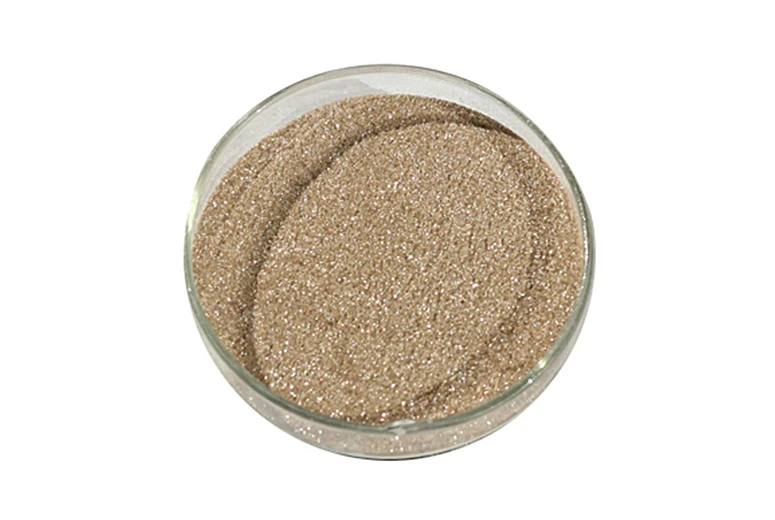
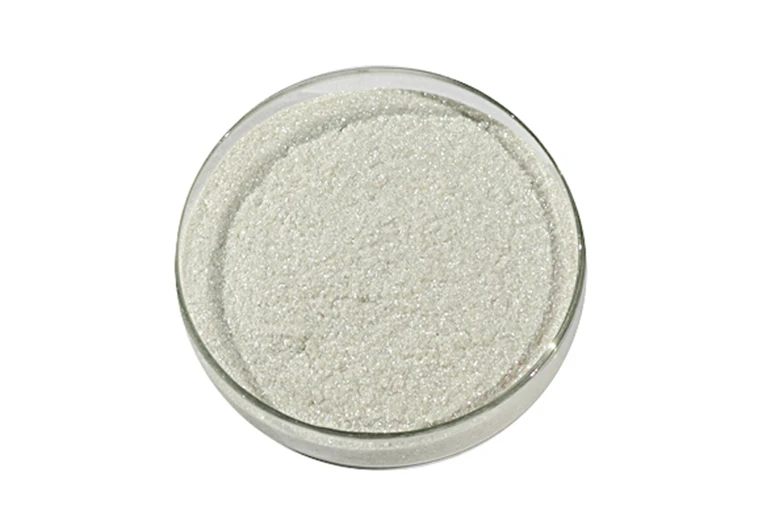
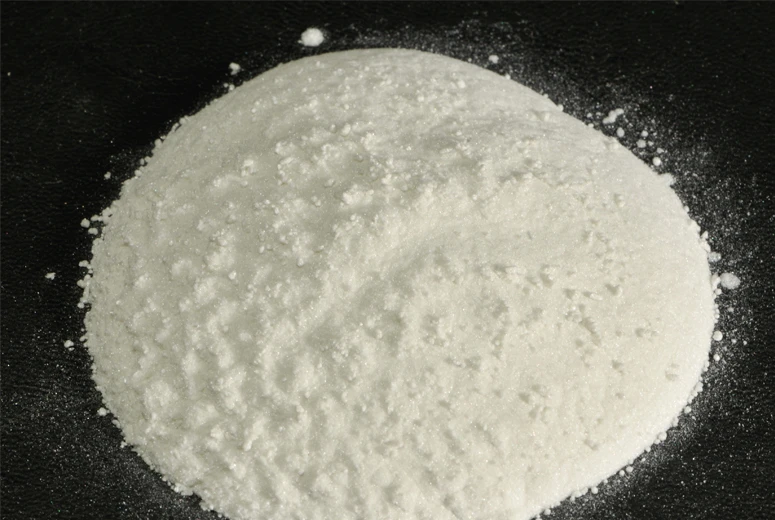
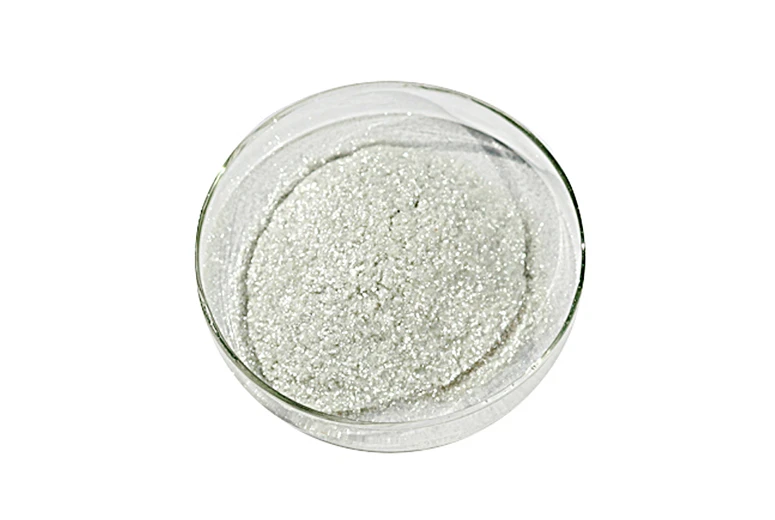
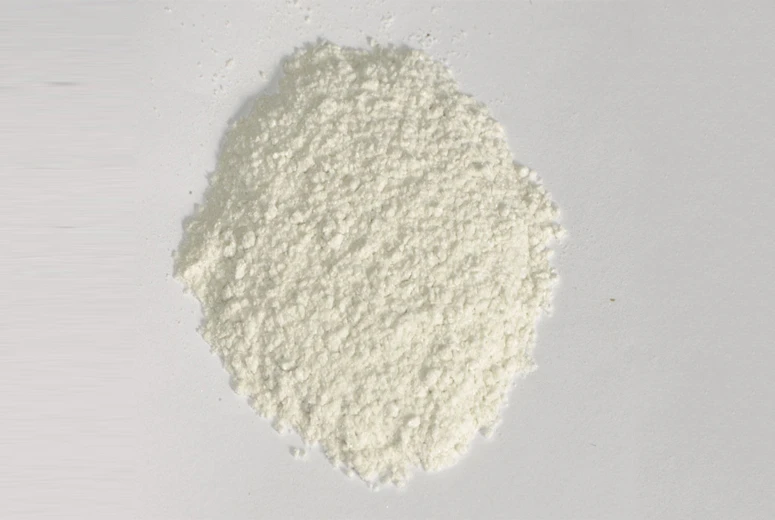
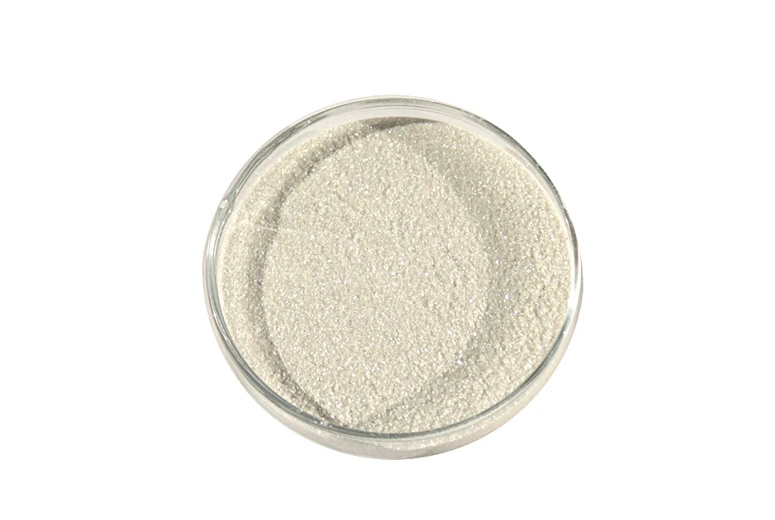
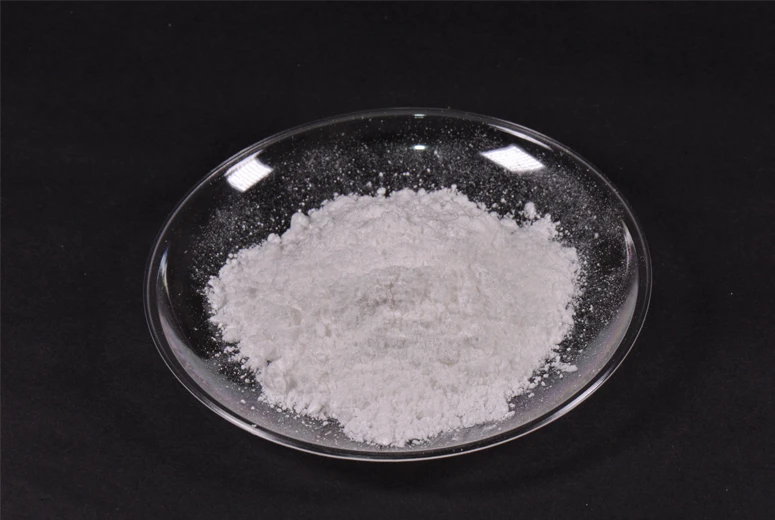
In makeup, mica’s shimmer, smoothness, and light-reflecting properties are gold standards. Naturally sourced mica, though, carries some baggage—impurities, inconsistent particle sizes, and ethical harvesting concerns that frankly make formulators twitch. That’s where synthetic mica really shines. The control over purity and particle shape is a game-changer, allowing brands to tailor a product’s finish, from subtle satin glows to full-on sparkle without surprises.
Oddly enough, synthetic mica is pretty similar to what I’ve handled in industrial coatings – just purified and scaled for skin safety. Of course, the testing process is far more stringent in the beauty world, with allergen and microbiological screenings. But those core benefits remain: consistent particle size distribution, strong adhesion to skin, and the ability to suspend pigments evenly.
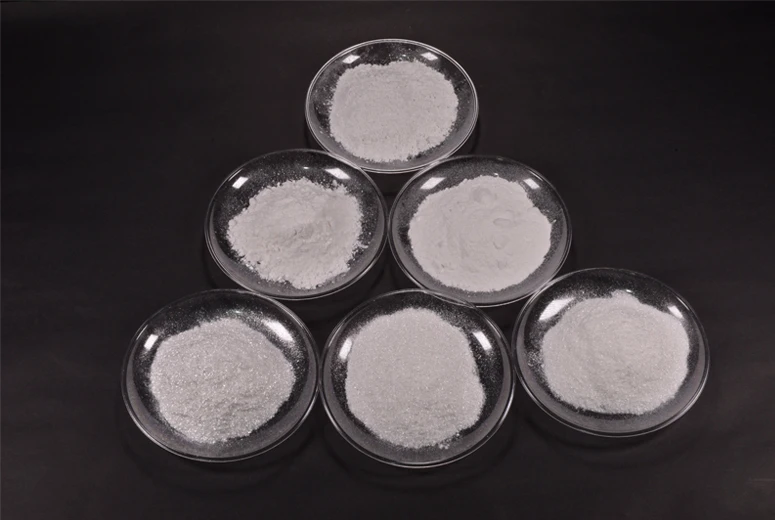
You might wonder about practical specs. Here’s a quick rundown I pulled together from some trusted suppliers. Notice the variance in particle size and brightness - that can really affect how the light hits your makeup:
| Specification | Range / Value | Notes |
|---|---|---|
| Particle Size (μm) | 3 – 30 | Smaller for smooth texture, larger for sparkle |
| Brightness (L\) Value | 90 – 98 | Higher is more reflective and pure |
| Chemical Purity (%) | >99.9 | Ensures hypoallergenic properties |
| Moisture Content (%) | Reduces clumping during processing | |
| Source | Synthetic | Controlled lab manufacture |
One thing I noticed while working alongside formulators is the customization options with synthetic mica. You can tweak the particle shape—flake-like for more shimmer or spheroidal for better dispersion. This adaptability means brands can deliver exactly the right kind of finish, whether it’s a matte highlighter or a sparkling eyeshadow.
Since we’re talking suppliers, I thought a quick comparison table might help you get a sense of the market landscape. There’s quite a diversity in offerings, pricing, and certifications—which, honestly, matter if you’re developing a product aimed at more discerning consumers:
| Vendor | Particle Size Range (μm) | Certifications | Price Tier | Customizable Grades |
|---|---|---|---|---|
| HJ Mica | 3 - 30 | ISO 9001, GMP, FDA approved | Mid-range | Yes |
| Vendor B | 5 - 20 | ISO 14001, Vegan certified | Premium | Limited |
| Vendor C | 2 - 15 | GMP only | Budget | No |
Speaking from experience, the switch to synthetic mica was a noticeable improvement in product reliability. I recall one client who was struggling with batch-to-batch inconsistency—some lipstick shades would turn out more glittery, others dull. After switching to synthetic mica, those issues practically vanished. It’s sort of like switching from variable, weather-dependent materials to something engineered in a clean room.
Of course, synthetic mica doesn't come without challenges. The production cost is higher than natural mica, and some consumers do prefer “natural ingredients” on principle. Yet, from a performance and safety standpoint, it’s hard to beat. You get a cleaner, more stable ingredient — and in the beauty industry, stability often translates to stickiness in the marketplace.
So, if you or your company are looking into incorporating synthetic mica into your makeup formulations, I’d say it’s worth at least a conversation with suppliers. The ability to tailor and test your mica before full-scale production means fewer headaches down the road. And frankly, smooth finishes and consistent shimmer are what keep consumers coming back.
After all, sometimes it’s the invisible ingredients that make the biggest difference.
— Jack R., industry insider with 15+ years in industrial and cosmetic material sourcing
References
- H.J. Mica product literature and specs, 2024.
- Cosmetic Industry Material Trends - Journal of Materials Science, 2023.
- Interviews with senior cosmetic formulators, 2022–23.
-
Ultimate Guide to Using High Quality Pearl Paint Pigment for LusterNewsApr.16,2026
-
Elevating Automotive Aesthetics with Mica Powder Car PaintNewsApr.09,2026
-
Unlock Stunning Effects with Mica Powder for Paint ApplicationsNewsApr.07,2026
-
Comprehensive Guide to Mica Dye Powder Applications and BenefitsNewsApr.04,2026
-
Unlocking the Brilliance of Mica Pigment Paint for Diverse ApplicationsNewsMar.31,2026
-
Enhancing Concrete Performance with Durable Mica Chips for Concrete ApplicationsNewsMar.28,2026