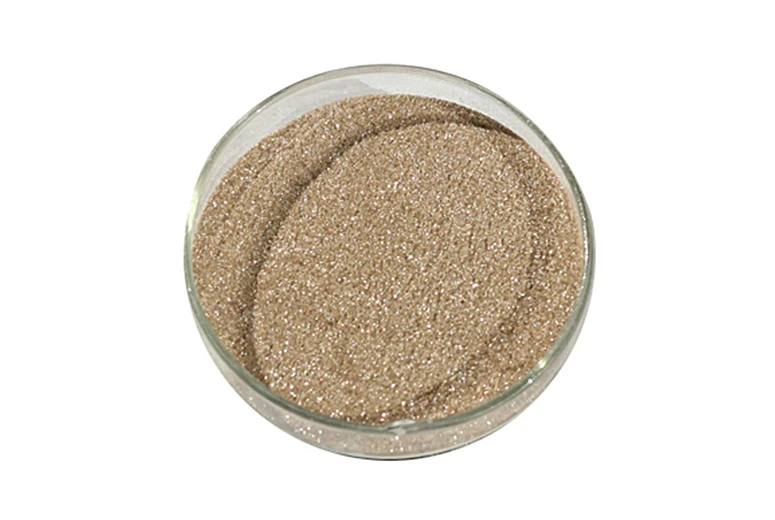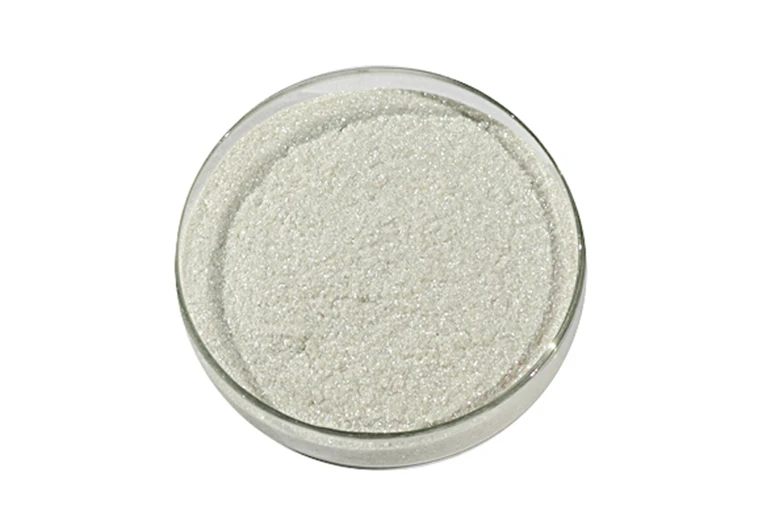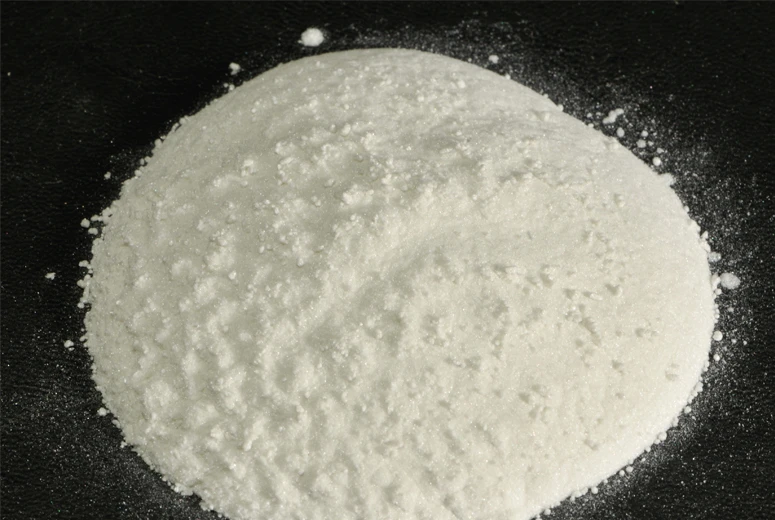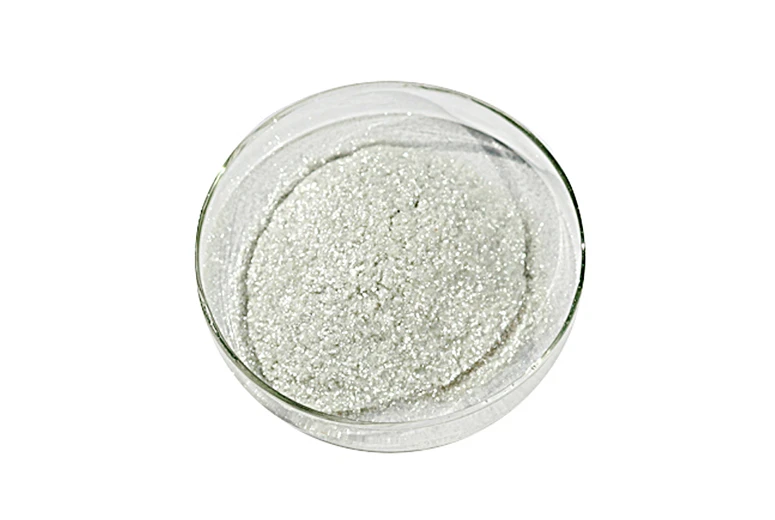

Synthetic Mica Cosmetics: Quality & Innovation Insights from Industry Experts
Synthetic Mica Cosmetics: A Veteran’s Take on an Industrial Favorite
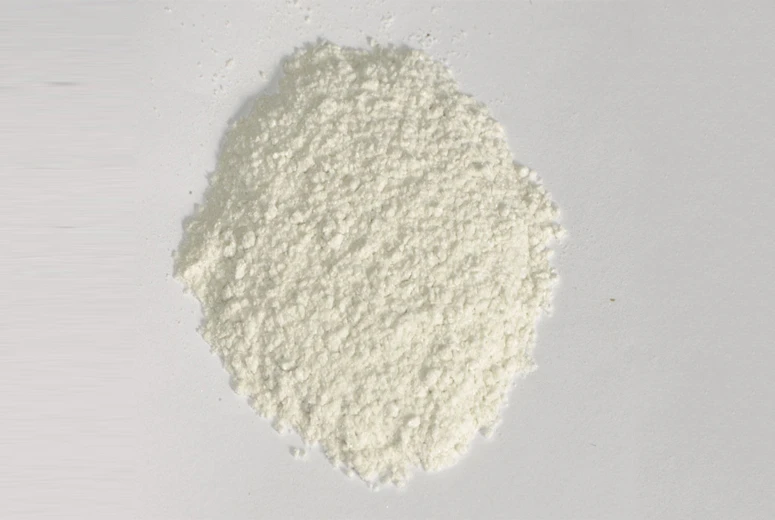
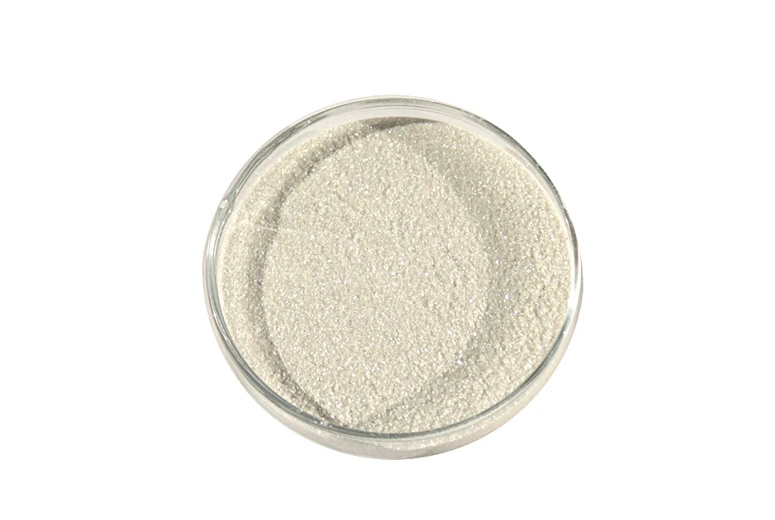
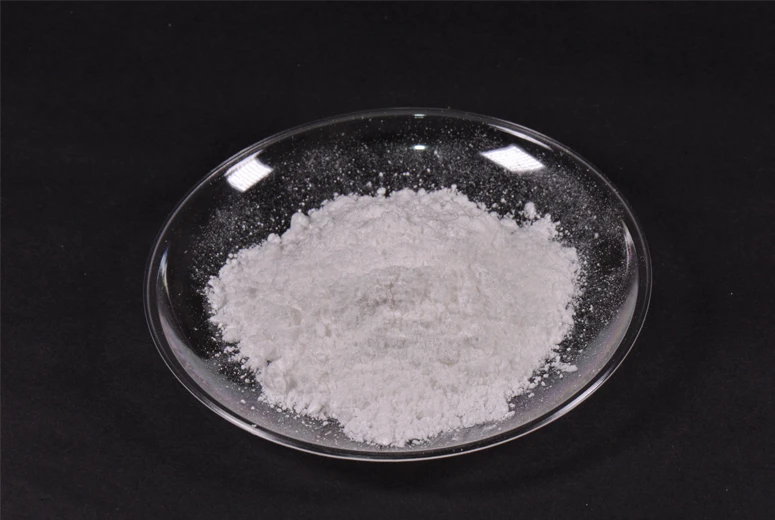
Having spent years in the industrial materials sector, I can tell you the story of synthetic mica cosmetics is more than just glitter and shimmer. It’s a fascinating blend of chemistry, precision, and evolving consumer demand. I remember back when natural mica was the default—mined painstakingly and sometimes unpredictably—and how synthetic mica started gaining ground as a game-changer in cosmetics manufacturing.
Oddly enough, synthetic mica’s rise isn’t just about aesthetics. Frankly, it often comes down to quality control and safety. Natural mica, while beloved for centuries, carries impurities and variability that are tough for formulators to handle consistently. Synthetic mica, produced under controlled conditions, offers purity and tailored particle sizes that deliver uniform sparkle and texture—but without the risk of heavy metals or environmental damage.
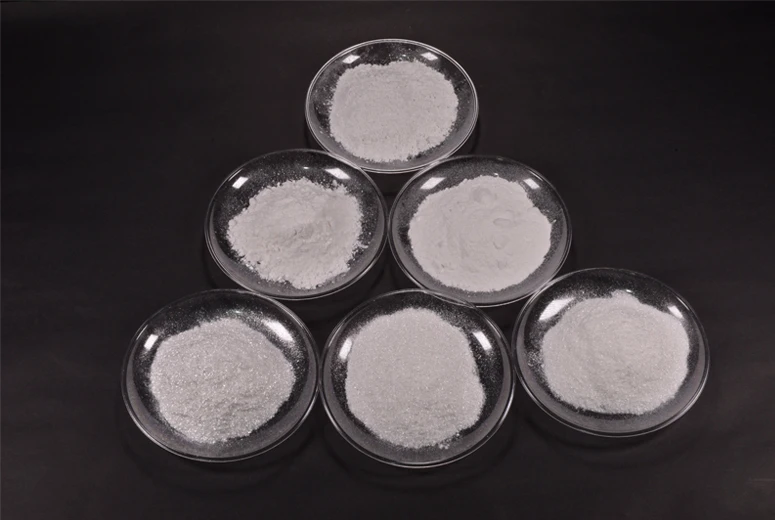
From my experience dealing with suppliers and clients, the demand for synthetic mica in cosmetics has exploded. Many brands want not only that perfect reflective finish but also vegan and ethically sourced ingredients—criteria this material ticks comfortably. Plus, the ability to customize the particle size and surface treatment means manufacturers can fine-tune shimmer intensity, opacity, and skin-feel, which is huge for product differentiation.
Key Specifications of Synthetic Mica for Cosmetics
| Property | Range / Value | Notes |
|---|---|---|
| Particle Size | 5–50 μm | Customizable for different effects |
| Color | White or coated shades | Includes pearl and metallic finishes |
| Purity | >99.5% | Meets cosmetic-grade standards |
| Heavy Metal Content | Below regulatory limits | Safe for skin application |
| Moisture Content | <0.5% | Prevents clumping and ensures flow |
One of my memorable encounters involved a mid-sized cosmetics brand experimenting with synthetic mica from a few multiple vendors. They wanted subtle shimmer for a delicate skin-care line, as well as striking sparkle in a limited-edition makeup palette. It turned out the choice of vendor made a surprisingly big difference. I suppose it’s like any raw material—nuance matters, especially in cosmetics.
Comparing Top Synthetic Mica Vendors
| Vendor | Particle Size Range | Customization | Pricing (Estimate) | Lead Time |
|---|---|---|---|---|
| HJ Mica | 5-50 μm | High (size & coating) | Mid-range | 2-3 weeks |
| Vendor B | 10-40 μm | Moderate | Low-end | 4-6 weeks |
| Vendor C | 5-60 μm | Limited | High-end | 1-2 weeks |
In real terms, selecting the right vendor involves balancing cost, lead times, and the degree of product customization. HJ Mica stood out for their flexibility and relatively quick turnaround, qualities I noticed many formulators appreciate.
Oh, and a quick anecdote: a friend in product development once told me how a batch’s mica particle size adjustment from 10 μm to 15 μm completely transformed the way glitter sat on the skin—much softer, less flaky. It’s details like that which prove the industry isn’t just about sparkle, but real science and careful engineering.
All in all, synthetic mica cosmetics have come a long way, blending industrial rigor with beauty industry creativity. It’s a niche I find endlessly interesting—and I hope if you’ve stumbled here, you can see why this humble mineral substitute carries so much industrial and aesthetic weight.
A small takeaway: not all mica is created equal; synthetic varieties open doors to safety, sustainability, and style you can control.
References:
- Industry reports on synthetic mica trends, 2023
- Cosmetics regulatory guidelines for mineral ingredients
- Vendor technical datasheets and independent consumer feedback
-
Ultimate Guide to Using High Quality Pearl Paint Pigment for LusterNewsApr.16,2026
-
Elevating Automotive Aesthetics with Mica Powder Car PaintNewsApr.09,2026
-
Unlock Stunning Effects with Mica Powder for Paint ApplicationsNewsApr.07,2026
-
Comprehensive Guide to Mica Dye Powder Applications and BenefitsNewsApr.04,2026
-
Unlocking the Brilliance of Mica Pigment Paint for Diverse ApplicationsNewsMar.31,2026
-
Enhancing Concrete Performance with Durable Mica Chips for Concrete ApplicationsNewsMar.28,2026