
Synthetic Mica Eyeshadow: Industrial Quality Meets Cosmetic Elegance
Synthetic Mica Eyeshadow: A Behind-the-Scenes Look from the Industrial Floor
Having spent more than a decade working closely with industrial minerals — from mica sheets in electronics to specialty powders in cosmetics — I find it oddly satisfying to watch the same mineral transform into something quite glamorous. In particular, synthetic mica eyeshadow combines the precision of industrial production with the delicate art of makeup formulation.
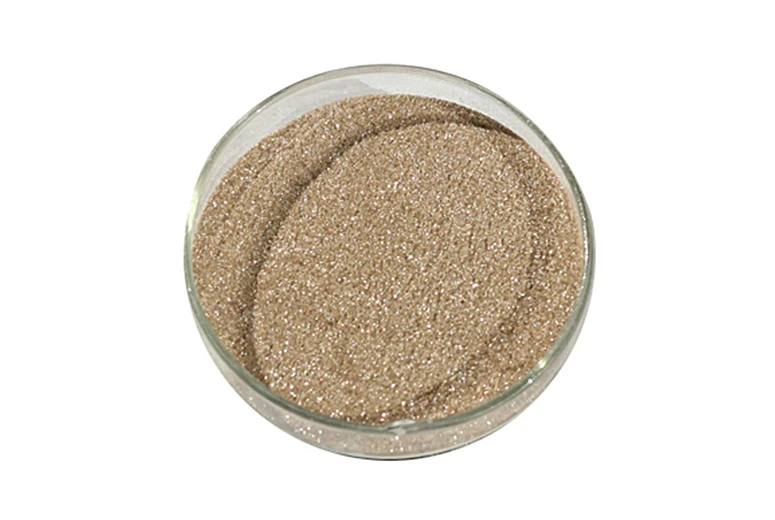
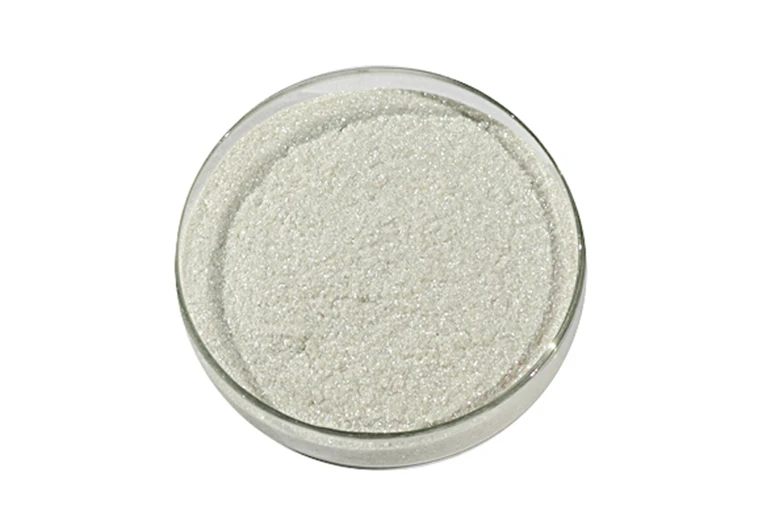
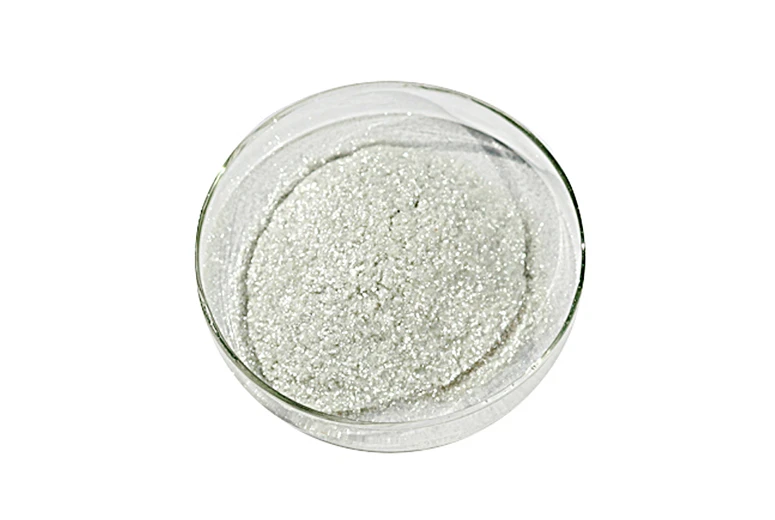
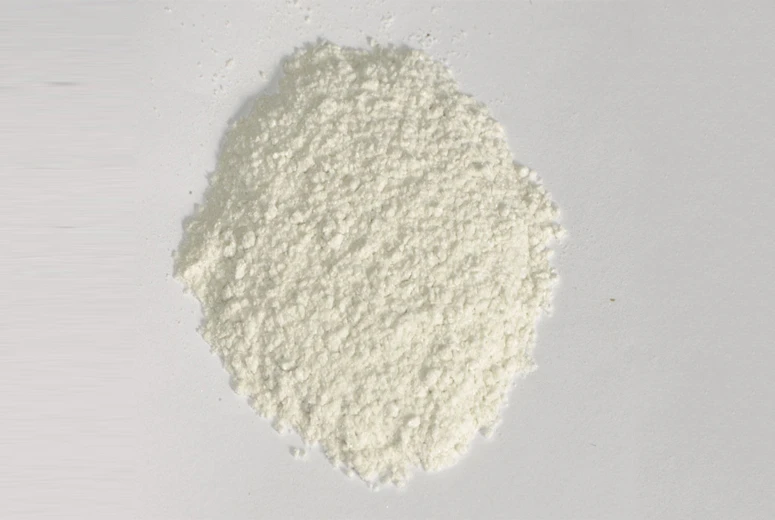
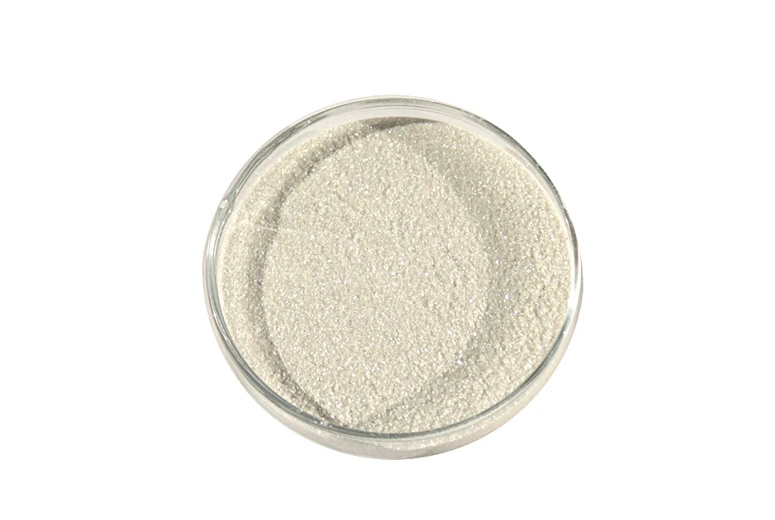
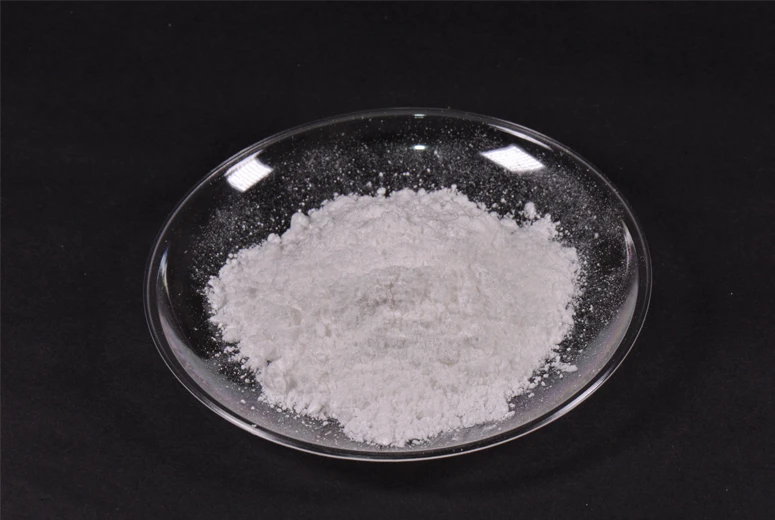
For the uninitiated, mica is a naturally occurring silicate mineral prized for its sparkling, reflective qualities. Synthetic mica, however, shifts this story a bit: it’s engineered under controlled settings to offer consistent particle size, refractive index, and color purity—factors that frankly make all the difference at scale.
From the factory floor, synthetic mica eyeshadow feels like an intersection of science and beauty. Manufacturers often prefer it due to its uniformity and purity—less grit, fewer impurities—meaning the final product shimmers smoothly on skin without irritation. Plus, synthetic mica reliably avoids some ethical and supply-chain challenges linked to natural mica, which is something brands increasingly care about.
Oddly enough, many industrial engineers I’ve chatted with say the product development of mica pigments involves close collaboration with cosmetic chemists — it's not just about mining or synthesis but also how the mica behaves in creams, powders, and gels under diverse conditions. You could say it’s where industrial texture meets human touch.
Product Specifications of Synthetic Mica for Eyeshadow
| Specification | Typical Range / Value | Notes |
|---|---|---|
| Particle Size (D50) | 5-20 µm | Ensures smooth skin feel and reflectivity |
| Refractive Index | ~1.60 | Critical for shimmer and brightness |
| Purity | >99.5% | Minimal heavy metals and contaminants |
| Moisture Content | Prevents clumping in powders | |
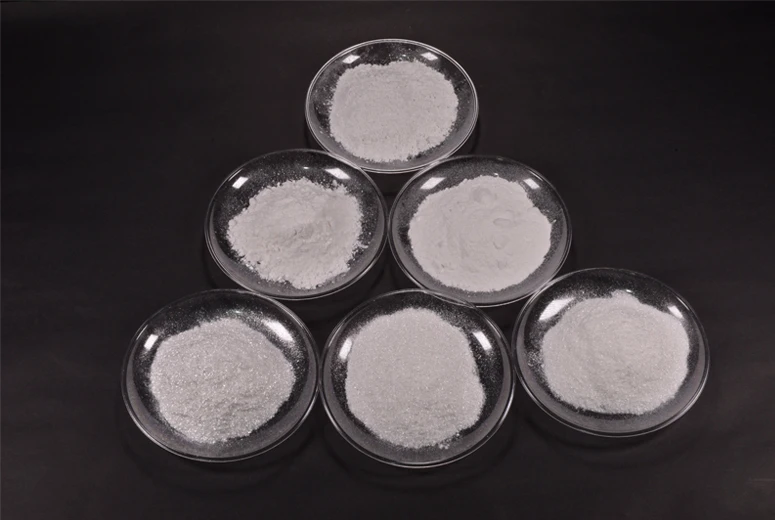
| Color Range | White to pastel shades | Custom coloring is common |
How Synthetic Mica Vendors Stack Up
| Vendor | Key Strength | Customization | Sustainability Focus | Typical MOQ |
|---|---|---|---|---|
| HJ Mica | Consistent high purity & particle control | Wide range with fast turnaround | Yes, eco-conscious synth process | 500 kg |
| Global Mineral Co. | Large scale capacity | Standard range colors only | Limited | 1000 kg |
| CrystalTech | Innovative coating technology | Custom shimmer & texture | Moderate improvements ongoing | 300 kg |
In real terms, using synthetic mica in eyeshadow means formulators get control they just can’t with variable natural mica. That one batch that didn’t blend right? Less of a headache. I recall working with a boutique cosmetics brand who switched to synthetic mica after repeated complaints about inconsistent sparkle and irritation — suddenly, their customer reviews improved, and so did repeat orders. It feels rewarding when you connect the dots between raw mineral specs and glowing feedback.
One subtle but important point: the particle size and surface treatment matter a lot for wear resistance and feel. Synthetic mica manufacturers often optimize these parameters for specific uses, meaning you aren’t just buying “mica” but a finely tuned ingredient that can make or break a blush, highlighter, or eyeshadow.
So, if you’re hunting for that slightly ethereal shimmer with less toxicity risk and steadier supply, synthetic mica deserves a closer look. And the good news? Vendors like HJ Mica make it easier than ever to tap into this technology with flexible, quality-driven solutions that still honor the charm of natural mica.
All in all, synthetic mica eyeshadow is a great example of how industry expertise—mineral science, manufacturing precision, cosmetic formulation—must blend seamlessly to deliver products you can trust and admire. I suppose it's a microcosm of the industrial equipment sector's wider challenge and promise: precision, innovation, and a dash of beauty.
References:
- Cosmetic Ingredient Review Expert Panel: Safety of Mica in Cosmetics
- Industry reports on synthetic mica supply chains and sustainability
- Technical datasheets from leading synthetic mica vendors, including HJ Mica
-
Ultimate Guide to Using High Quality Pearl Paint Pigment for LusterNewsApr.16,2026
-
Elevating Automotive Aesthetics with Mica Powder Car PaintNewsApr.09,2026
-
Unlock Stunning Effects with Mica Powder for Paint ApplicationsNewsApr.07,2026
-
Comprehensive Guide to Mica Dye Powder Applications and BenefitsNewsApr.04,2026
-
Unlocking the Brilliance of Mica Pigment Paint for Diverse ApplicationsNewsMar.31,2026
-
Enhancing Concrete Performance with Durable Mica Chips for Concrete ApplicationsNewsMar.28,2026