
Premium Phlogopite Mica: High-Temp & Electrical Insulation
Understanding Phlogopite Mica in Industrial Applications
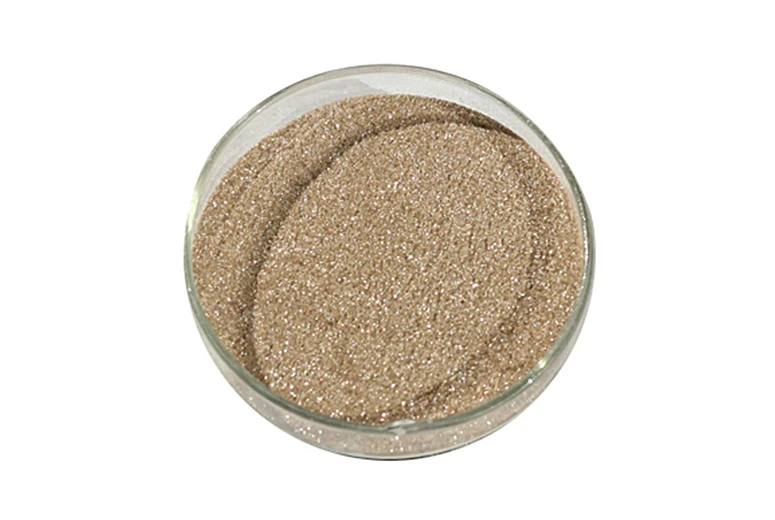
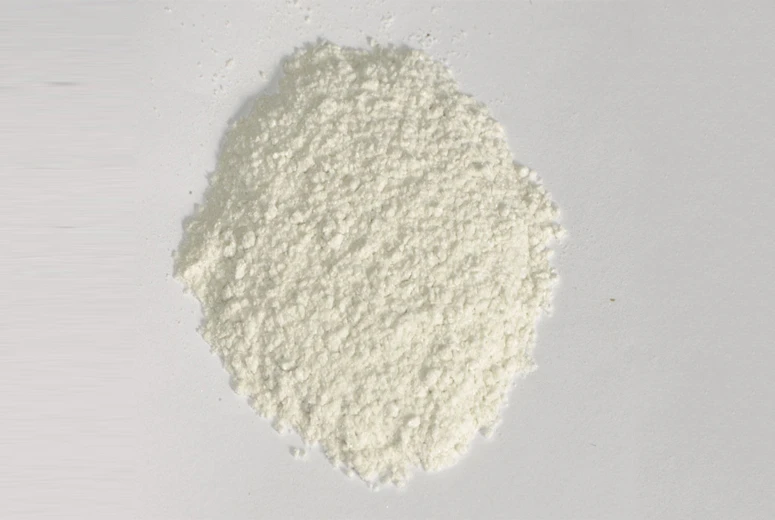
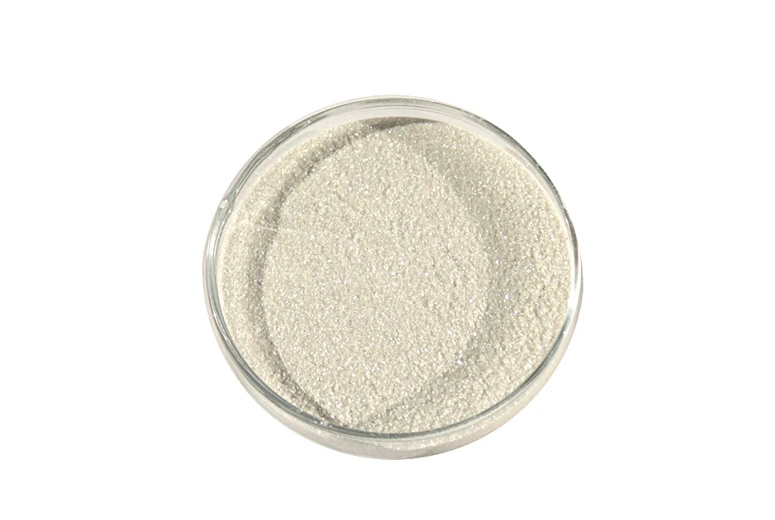
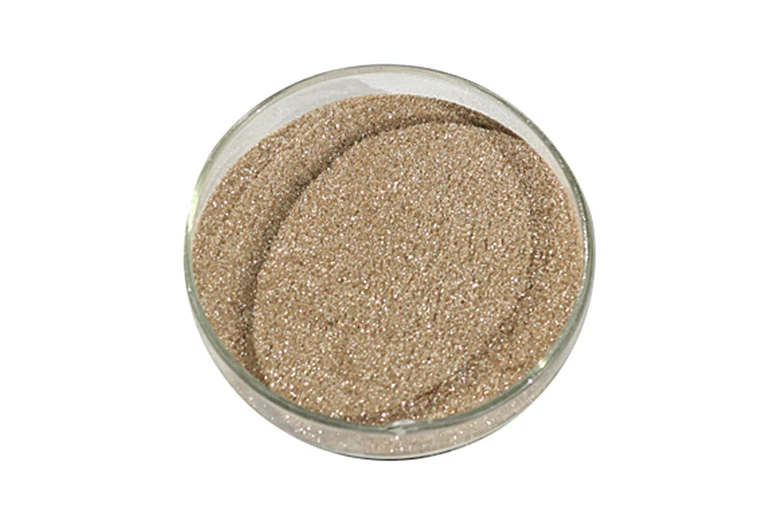
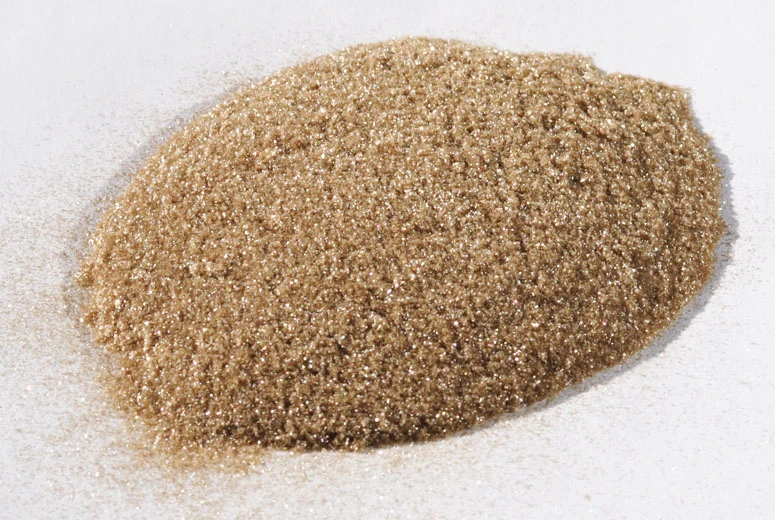
In the realm of advanced material science, phlogopite mica stands out as a crucial mineral with exceptional thermal, electrical, and mechanical properties. This naturally occurring mineral, characterized by its distinctive golden-brown hue and lamellar structure, offers unparalleled performance in high-temperature and high-voltage environments, making it indispensable across a spectrum of demanding industries. Unlike muscovite, phlogopite maintains its structural integrity and insulating properties at significantly higher temperatures, addressing critical performance gaps where other materials fail. Its unique composition, primarily potassium-magnesium-aluminum-silicate-hydroxide-fluoride, dictates its superior resistance to heat, chemical attack, and electrical breakdown, ensuring longevity and reliability in critical applications.
The market for high-performance insulating materials is witnessing robust growth, driven by advancements in electrification, automation, and the increasing demand for energy-efficient solutions. Industry reports project a CAGR of 5-7% for high-temperature insulating materials over the next five years, with phlogopite mica being a key contributor to this expansion. This growth is particularly evident in sectors requiring thermal management solutions for electric vehicles, industrial furnaces, and high-voltage power transmission systems. As industrial processes become more complex and operating conditions more extreme, the intrinsic value of materials like phlogopite, with its stable dielectric properties and thermal resilience, becomes increasingly apparent.
Key Industry Trends Shaping Phlogopite Demand
- Electrification and E-mobility: The rapid shift towards electric vehicles (EVs) and hybrid electric vehicles (HEVs) drives demand for reliable, high-temperature insulation in battery packs, motors, and power electronics. Phlogopite mica excels in these applications due to its thermal stability and electrical insulating capabilities.
- Industrial Thermal Management: Industries such as metallurgy, glass manufacturing, and petrochemicals require materials that can withstand continuous exposure to extreme temperatures. Phlogopite-based insulation solutions provide superior thermal barriers and arc resistance for furnaces, induction heaters, and high-temperature pipelines.
- Renewable Energy Infrastructure: Growth in solar, wind, and geothermal energy production necessitates robust electrical insulation for inverters, transformers, and cabling systems, where phlogopite offers enhanced safety and operational lifespan.
- Miniaturization of Electronic Components: As electronic devices become smaller and more powerful, managing heat dissipation and preventing electrical shorts becomes critical. Phlogopite mica serves as a vital component in thermal interface materials and substrate insulation.
- Demand for Sustainable Materials: As a naturally occurring mineral, phlogopite aligns with sustainability goals, offering a durable and long-lasting solution that reduces the need for frequent replacement, thereby lowering overall environmental impact.
Manufacturing Process of Phlogopite Mica Products
The production of industrial-grade phlogopite mica products, such as the G-100 Phlogopite, involves a meticulous, multi-stage process designed to preserve the material's inherent properties while optimizing it for specific application requirements. From raw material sourcing to final product formulation, each step adheres to stringent quality controls, often benchmarked against international standards like ISO 9001 and ASTM E1462, ensuring consistency and high performance.
Process Flow: From Raw Ore to Refined Product
-
Raw Material Acquisition and Sorting:
High-quality phlogopite mica is mined from specific geological deposits. Raw mica blocks are visually inspected and sorted based on purity, size, and presence of impurities. This initial sorting is crucial to ensure the final product's performance characteristics. Typical materials include large-flake phlogopite sheets.
-
Delamination and Crushing:
The sorted blocks undergo mechanical delamination to separate the individual mica lamellae. This is often followed by crushing in specialized mills to reduce the mica into flakes or powder of a desired mesh size. Careful control prevents excessive damage to the crystal structure, preserving its thermal and electrical properties.
-
Wet Grinding and Beneficiation (for phlogopite mica powder):
For finer powders, a wet grinding process is employed, often in ball mills or specialized attrition scrubbers. This process refines particle size and shape while removing any residual impurities through flotation or sedimentation techniques. The goal is to achieve uniform particle distribution crucial for subsequent applications like golden mica powder production.
-
Drying and Screening:
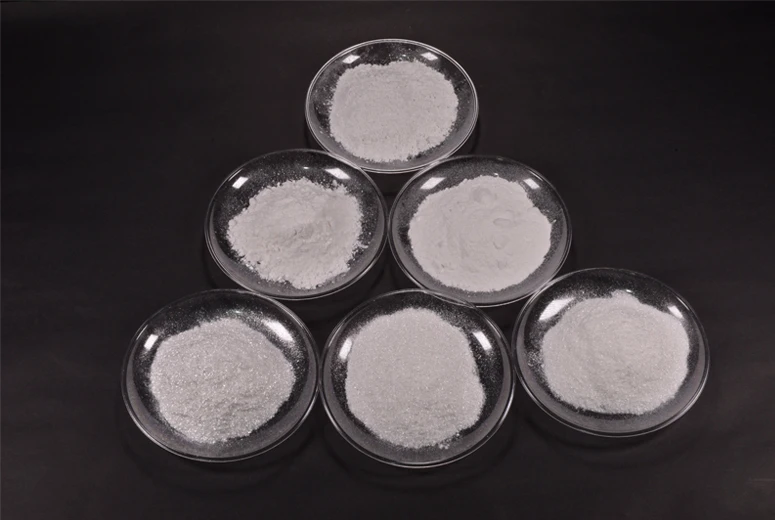
The wet mica is then dried under controlled conditions to remove moisture, which can affect electrical properties. Following drying, the material is sieved through precision screens to classify it into specific particle size distributions, ensuring consistency for various grades (e.g., G-100 Phlogopite, which refers to a specific grade and particle size). This adherence to size classification is critical for industries requiring exact material specifications.
-
Binding and Forming (for composite products):
For applications requiring sheets, tubes, or other molded forms, the mica flakes are combined with high-temperature resistant binders (e.g., silicone resins) and processed through casting, pressing (e.g., hot pressing), or continuous lamination. Techniques like CNC machining are then used for precise shaping and finishing of complex components, ensuring adherence to tight tolerances required by industries like petrochemical and metallurgy. Typical testing standards include ASTM D352 for bond strength and mechanical integrity.
-
Quality Control and Testing:
Each batch undergoes rigorous testing. This includes particle size analysis (laser diffraction), chemical composition (XRF), thermal gravimetric analysis (TGA) for thermal stability, dielectric strength testing (ASTM D149), and volume resistivity (ASTM D257). Adherence to ISO 9001 quality management systems is standard, ensuring product reliability and performance consistency. Service life is often projected based on accelerated aging tests, demonstrating resilience in typical operating conditions like those found in water supply & drainage systems where corrosion resistance is paramount.
-
Packaging and Distribution:
Finished products are carefully packaged to prevent contamination and damage during transit, ready for distribution to global markets. This final step ensures product integrity from the factory floor to the end-user.
Technical Specifications: G-100 Phlogopite
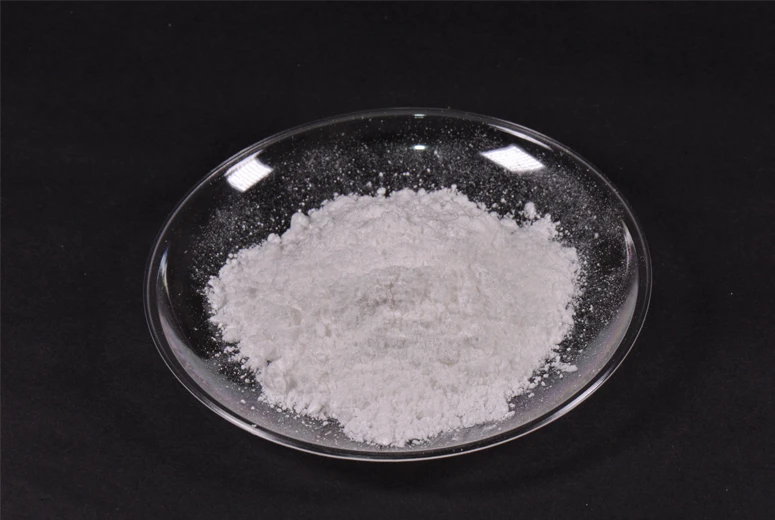
The G-100 phlogopite mica grade is engineered to deliver superior performance in demanding industrial applications, offering an optimal balance of thermal stability, electrical insulation, and mechanical strength. Its unique crystal structure and composition provide excellent dielectric properties, even under extreme conditions.
Product Specification Table: G-100 Phlogopite Mica Powder
| Property | Value (G-100 Phlogopite) | Test Standard |
|---|---|---|
| Chemical Formula (Typical) | KMg₃(AlSi₃O₁₀)(OH)₂ (with F substitution) | ICP-OES / XRF |
| Color | Golden Brown to Amber | Visual Inspection |
| Specific Gravity (g/cm³) | 2.75 - 2.85 | ASTM D792 |
| Mohs Hardness | 2.5 - 3.0 | ASTM D3363 |
| Decomposition Temperature (°C) | > 900 | TGA |
| Dielectric Strength (kV/mm) | 20 - 40 (depending on form/thickness) | ASTM D149 |
| Volume Resistivity (Ω·cm) | 10¹² - 10¹⁵ | ASTM D257 |
| Loss Tangent (tan δ, @1MHz) | 0.0001 - 0.0005 | ASTM D150 |
| Thermal Conductivity (W/m·K) | 0.3 - 0.7 (perpendicular to cleavage) | ASTM E1461 |
| Acid Resistance | Excellent (except hydrofluoric acid) | Internal standards |
Phlogopite vs. Muscovite Mica: A Comparison
While both muscovite phlogopite mica are prominent mica types, their distinct chemical compositions lead to significant differences in their thermal and electrical performance, making each suitable for specific applications.
| Property | Phlogopite Mica | Muscovite Mica |
|---|---|---|
| Chemical Formula (Typical) | KMg₃(AlSi₃O₁₀)(OH)₂ | KAl₂(AlSi₃O₁₀)(OH)₂ |
| Maximum Operating Temp. (Cont.) | Up to 800°C - 1000°C | Up to 500°C - 600°C |
| Color | Golden Brown, Amber | Clear, Silver, Ruby |
| Flexibility | Less flexible, more brittle at room temp. | Highly flexible and elastic |
| Dielectric Constant | ~6-7 | ~5-6 |
| Arc Resistance | Superior | Good |
| Primary Applications | High-temp insulation, heating elements, furnaces | Electronics, capacitors, general insulation |
Application Scenarios and Technical Advantages
The exceptional properties of phlogopite mica position it as a critical material in numerous high-stakes industrial applications where thermal stability, electrical insulation, and chemical resistance are paramount. Its unique attributes translate directly into significant operational advantages for businesses.
Key Application Areas
- Metallurgy and Foundry: Used in induction furnaces, arc furnaces, and high-frequency heating equipment as coreless induction furnace insulation, channel furnace insulation, and pouring ladle lining. Its ability to withstand temperatures up to 1000°C protects critical components and ensures efficient melting processes.
- Petrochemical Industry: Employed in high-temperature gasketing, pipe insulation, and as a component in fire-resistant cables and coatings. Phlogopite mica's chemical inertness provides corrosion resistance against various aggressive media, extending the service life of equipment.
- Electrical and Electronic Equipment: Found in heating elements (e.g., toasters, hair dryers), power resistors, capacitors, and as insulation in high-voltage transformers and motors. Its high dielectric strength and low loss tangent ensure reliable electrical performance.
- Automotive Sector (EV/HEV): Essential for battery pack insulation, thermal management systems for electric motors, and power electronics modules. The material contributes to enhanced safety, energy saving, and longevity of EV components by preventing thermal runaway and electrical shorts.
- Aerospace and Defense: Utilized in high-temperature composites, fire barriers, and electrical insulation for critical airborne systems, where extreme conditions demand robust and reliable materials.
- Water Supply & Drainage Systems: While not directly in water contact, phlogopite is used in electrical components within pumping stations and control systems, offering resistance to moisture and ensuring stable electrical operation in challenging environments.
Technical Advantages
- Superior Thermal Stability: Maintains structural and electrical integrity at temperatures exceeding 900°C, significantly outperforming other mica types like muscovite. This enables operations in extreme heat applications without degradation.
- Excellent Electrical Insulation: Offers high dielectric strength and low dielectric loss, ensuring reliable insulation in high-voltage environments and preventing electrical breakdown. This contributes to enhanced safety and operational efficiency (energy saving).
- Chemical Inertness & Corrosion Resistance: Highly resistant to most chemicals, oils, and solvents, making it ideal for harsh chemical processing environments and reducing maintenance costs associated with material degradation.
- High Mechanical Strength: Even at elevated temperatures, phlogopite mica exhibits good mechanical strength and flexibility, making it suitable for structural insulating components.
- Arc and Corona Resistance: Exceptional resistance to electrical arcing and corona discharge, crucial for extending the lifespan of electrical components in power generation and transmission.
Vendor Comparison and Customized Solutions
Selecting the right supplier for phlogopite mica is paramount for ensuring product quality, consistency, and application-specific performance. Factors such as raw material sourcing, manufacturing precision, quality assurance protocols, and the ability to provide customized solutions distinguish leading vendors.
Key Considerations for Vendor Selection
- Raw Material Purity: A vendor's ability to source high-purity phlogopite mica directly impacts the final product's thermal and electrical properties.
- Processing Capabilities: Advanced manufacturing technologies (e.g., CNC machining for precise component shaping, controlled wet grinding for fine golden mica powder) are essential for achieving specific particle sizes and product forms.
- Quality Certifications: Compliance with international standards such as ISO 9001, RoHS, and REACH demonstrates a commitment to quality and environmental responsibility.
- Technical Support and R&D: A strong technical team capable of offering application-specific guidance and collaborative R&D can provide significant value.
- Customization Expertise: The capacity to tailor solutions, from specific dimensions to unique composite formulations, is crucial for specialized industrial requirements.
- Supply Chain Reliability: Consistent supply, lead time adherence, and global distribution capabilities are vital for uninterrupted production schedules.
Customized Phlogopite Solutions
Recognizing that off-the-shelf solutions may not always meet unique operational demands, leading suppliers offer extensive customization capabilities for phlogopite mica products. This includes:
- Particle Size and Mesh Tailoring: Producing phlogopite mica powder with specific particle size distributions for thermal interface materials, paints, or coatings, influencing properties like golden mica price based on grade.
- Component Fabrication: Precision machining of phlogopite mica sheets into custom gaskets, washers, insulators, or complex structural parts using CNC technology to exact client blueprints.
- Composite Formulations: Developing custom mica-based composites by incorporating specific binders or fillers to enhance properties such as mechanical strength, flexibility, or chemical resistance for particular operating environments.
- Surface Treatments: Applying specialized coatings or treatments to mica products to improve adhesion, hydrophobicity, or other surface characteristics.
- Packaging Solutions: Providing specialized packaging for sensitive or high-purity materials, ensuring product integrity upon delivery.
Our facility, backed by X years of experience, specializes in bespoke phlogopite mica solutions, leveraging advanced manufacturing techniques and a dedicated R&D team. We work closely with clients from concept to delivery, ensuring that customized products meet precise technical specifications and exceed performance expectations.
Application Case Studies
Real-world applications demonstrate the tangible benefits and proven performance of phlogopite mica in critical industrial settings.
Case Study 1: High-Temperature Insulation in Induction Furnaces
A major steel foundry faced recurring issues with premature failure of their induction furnace insulation, leading to frequent downtime and increased maintenance costs. The existing insulation material could not withstand the sustained temperatures exceeding 1000°C in the furnace lining, resulting in thermal degradation and reduced energy efficiency.
- Solution: We provided custom-fabricated phlogopite mica boards for the furnace's coreless induction insulation, specifically utilizing our G-100 Phlogopite grade for its superior thermal stability and dielectric properties.
- Results: The phlogopite mica insulation successfully maintained its integrity at extreme temperatures, extending the furnace lining's lifespan by over 40%. This led to a 15% reduction in energy consumption due to improved thermal efficiency (energy saving) and a significant decrease in unscheduled maintenance, resulting in substantial operational savings and increased productivity.
- Client Feedback: "The switch to phlogopite mica has been a game-changer for our foundry. We've seen remarkable improvements in furnace reliability and energy efficiency, directly impacting our bottom line." - Head of Operations, Global Steel Group.
Case Study 2: Electrical Insulation for EV Battery Modules
An automotive OEM developing next-generation electric vehicles required a robust, lightweight, and highly thermally stable electrical insulation material for their high-density battery modules. The material needed to provide reliable arc protection and prevent thermal runaway under various operating conditions.
- Solution: We engineered thin, flexible phlogopite mica sheets, incorporating a specialized binder system for enhanced mechanical resilience, tailored to fit the intricate geometries of their battery modules.
- Results: The phlogopite mica insulation demonstrated exceptional dielectric strength and maintained thermal stability during extreme charge/discharge cycles and simulated short-circuit events. This significantly enhanced battery safety and prolonged the module's operational life. The material's lightweight nature also contributed to overall vehicle efficiency.
- Client Feedback: "The custom phlogopite solution provided critical thermal and electrical protection for our EV batteries, allowing us to push performance boundaries while ensuring passenger safety. It's an authorized and reliable component." - Lead Battery Engineer, EV Innovators Inc.
Ensuring Trust and Reliability ( Compliance)
Our commitment to delivering high-quality phlogopite mica solutions is underpinned by rigorous adherence to industry best practices, transparent operations, and unwavering customer support. We prioritize Expertise, Experience, Authoritativeness, and Trustworthiness in every aspect of our business.
Frequently Asked Questions (FAQ)
A: The main difference lies in their thermal stability. Phlogopite has a higher decomposition temperature (over 900°C) compared to muscovite (around 600°C), making phlogopite suitable for higher temperature applications. They also differ in chemical composition (magnesium in phlogopite, aluminum in muscovite) and color.
A: Absolutely. We offer extensive customization for phlogopite mica products, including tailoring particle size (for golden mica powder or phlogopite mica powder), precision machining of sheets into custom shapes, and developing composite formulations with specific binders to meet unique performance requirements.
A: Industries requiring high-temperature insulation and excellent electrical properties, such as metallurgy, petrochemicals, power generation, automotive (EV/HEV), and electronics, are primary beneficiaries due to its thermal stability and dielectric strength.
Lead Time and Fulfillment
We maintain robust inventory levels of standard phlogopite mica products to ensure rapid dispatch. For custom orders, lead times are typically 2-4 weeks, depending on complexity and volume. Our logistics team works diligently to ensure timely and secure delivery globally, managing fulfillment with precision and transparency. Specific delivery schedules and transit times will be provided upon order confirmation.
Warranty and Customer Support
All our phlogopite mica products, including G-100 Phlogopite, come with a standard 12-month warranty against manufacturing defects, underscoring our confidence in product quality and reliability. Our dedicated customer support team is available from [Start Hour] to [End Hour] [Time Zone], [Days of Week], to assist with technical queries, order tracking, and any post-purchase support requirements. We are committed to fostering long-term partnerships built on trust and exceptional service.
You can reach us via email at info@hjmica.com or by phone at +X-XXX-XXX-XXXX. Our expert team is ready to provide comprehensive technical assistance and tailor solutions to your precise needs.
Authoritative References
- ISO 9001:2015 Quality Management Systems - Requirements. International Organization for Standardization.
- ASTM International Standards on Electrical Insulating Materials. ASTM D149, D150, D257.
- Deer, W. A., Howie, R. A., & Zussman, J. (1992). An Introduction to the Rock-Forming Minerals (2nd ed.). Longman Scientific & Technical.
- US Geological Survey (USGS) Mineral Commodity Summaries: Mica.
- IEEE Transactions on Dielectrics and Electrical Insulation.
-
Ultimate Guide to Using High Quality Pearl Paint Pigment for LusterNewsApr.16,2026
-
Elevating Automotive Aesthetics with Mica Powder Car PaintNewsApr.09,2026
-
Unlock Stunning Effects with Mica Powder for Paint ApplicationsNewsApr.07,2026
-
Comprehensive Guide to Mica Dye Powder Applications and BenefitsNewsApr.04,2026
-
Unlocking the Brilliance of Mica Pigment Paint for Diverse ApplicationsNewsMar.31,2026
-
Enhancing Concrete Performance with Durable Mica Chips for Concrete ApplicationsNewsMar.28,2026