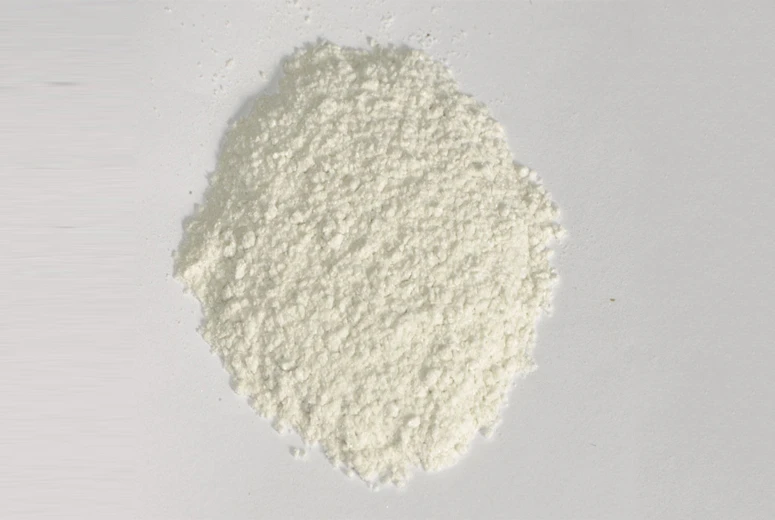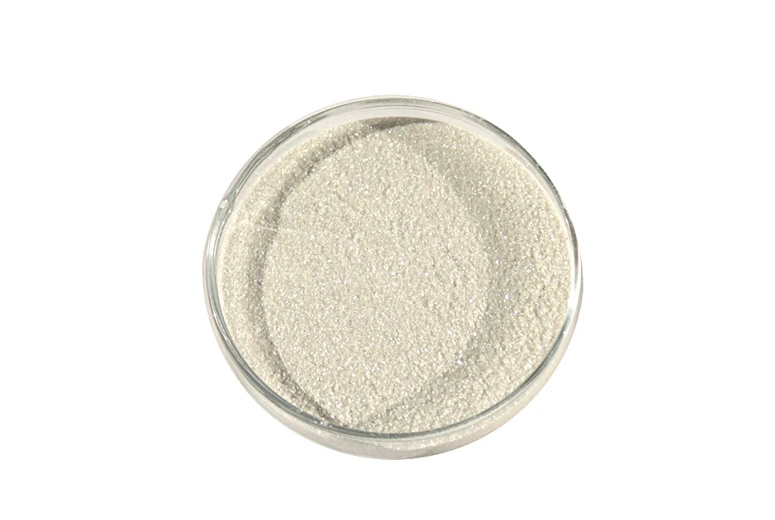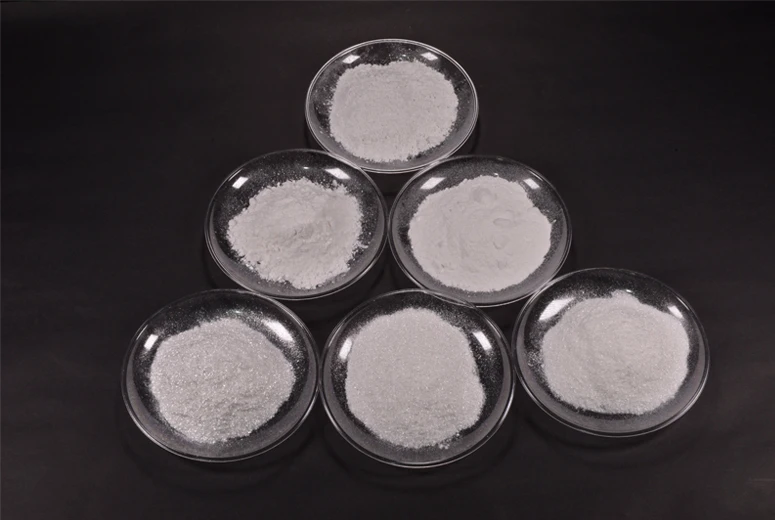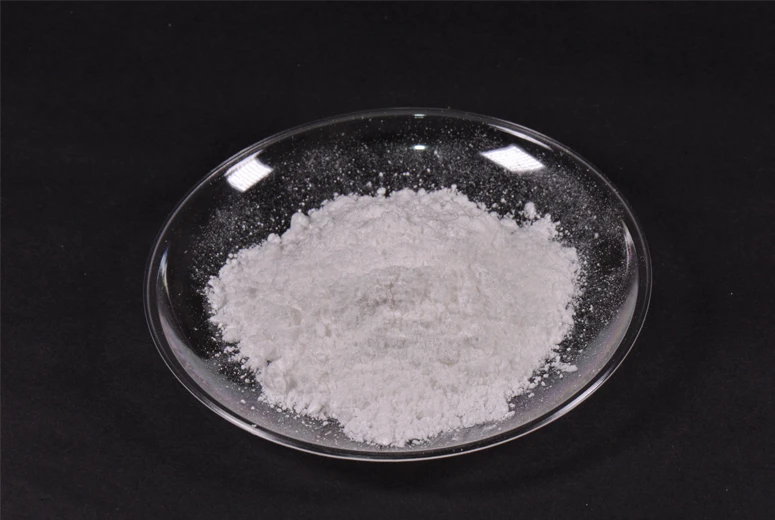

High Purity -15 Synthetic Mica Powder for Advanced Applications
Introduction to Advanced Mica Solutions
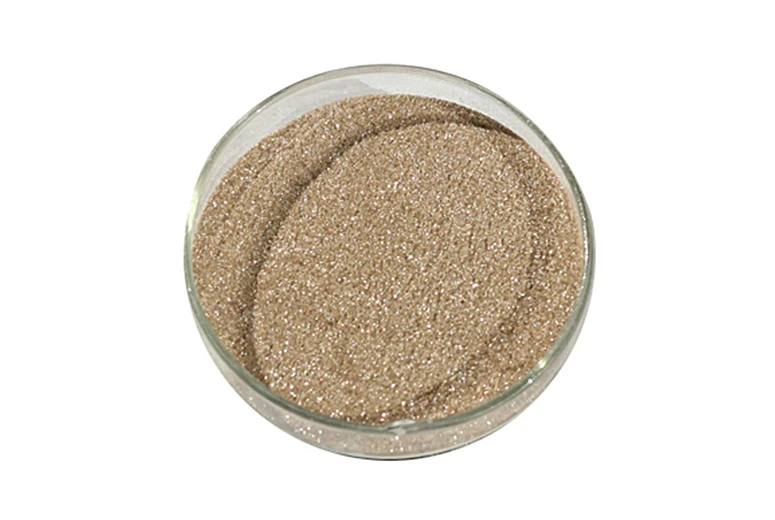
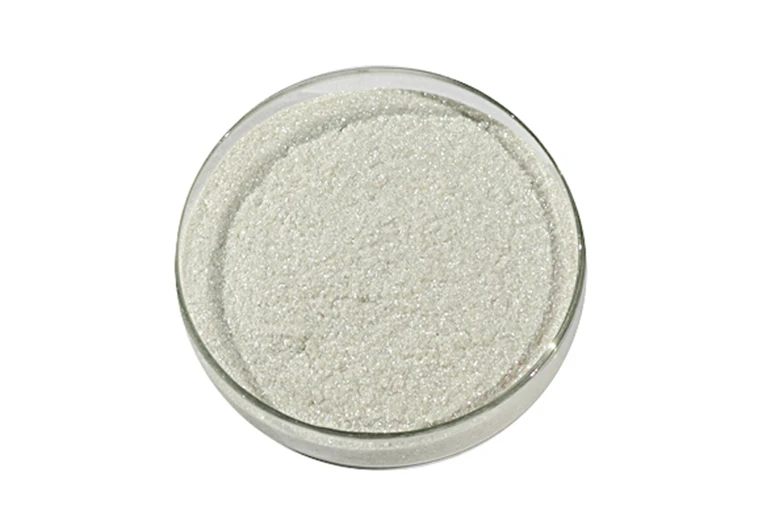
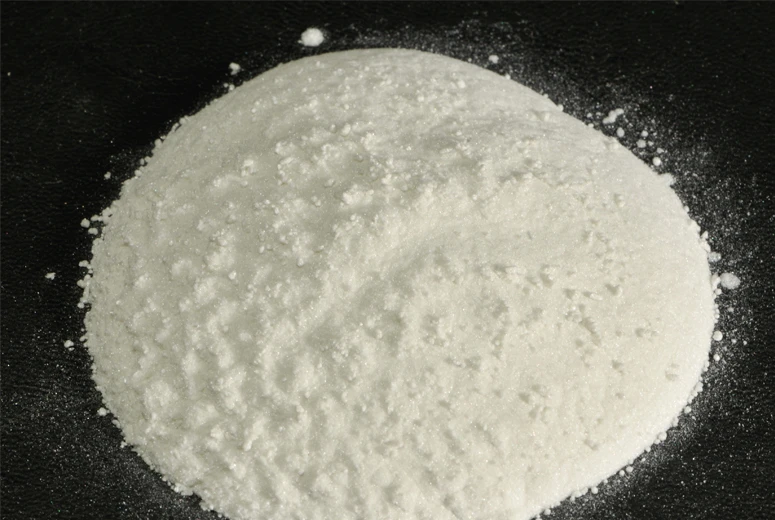
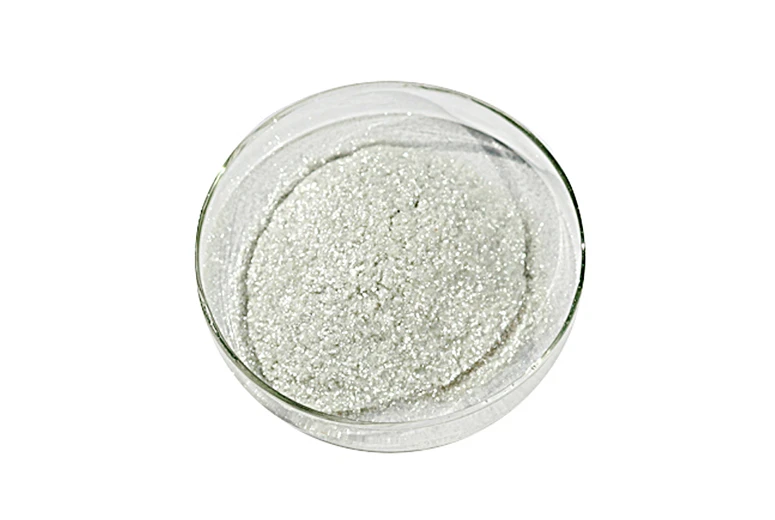
In the realm of advanced materials, synthetic mica stands as a cornerstone for high-performance applications across diverse industries. Distinguished by its purity, thermal stability, and consistent properties, synthetic mica offers significant advantages over its natural counterpart. HJMica, a leader in specialized mineral solutions, proudly presents its -15 Synthetic Mica Powder – a meticulously engineered material designed to meet the rigorous demands of modern industrial processes. This product, characterized by its fine particle size distribution with a median particle size typically below 15 micrometers, ensures superior integration and performance in applications requiring high dielectric strength, thermal resistance, and chemical inertness.
Our focus on precision manufacturing and stringent quality control ensures that this advanced material consistently delivers the exceptional characteristics essential for critical components and sophisticated formulations, driving innovation and reliability for our B2B partners.
Current Industry Trends and Market Drivers
The demand for high-performance, sustainable, and reliable materials is surging across key industrial sectors. Several critical trends are driving the adoption of synthetic mica:
- Miniaturization and High-Density Electronics: The continuous drive towards smaller, more powerful electronic devices necessitates insulating materials with exceptional dielectric properties, thermal management capabilities, and mechanical strength. Synthetic mica, with its uniform structure and purity, is ideal for these applications.
- Sustainable and Green Manufacturing: Increasing environmental regulations and corporate sustainability initiatives are pushing industries towards materials free from heavy metals, asbestos, and other harmful contaminants often associated with some natural mineral sources. Synthetic mica offers a consistent, pure, and environmentally responsible alternative.
- Enhanced Thermal Management: Industries such as automotive, aerospace, and energy require materials capable of withstanding extreme temperatures while maintaining structural integrity and performance. The inherent thermal stability of synthetic mica is a significant advantage.
- Advanced Coatings and Composites: The development of next-generation coatings and polymer composites demands fillers and reinforcements that provide improved barrier properties, flame retardancy, dimensional stability, and surface aesthetics.
- Electric Vehicle (EV) Revolution: The rapid expansion of the EV market creates a robust demand for lightweight, high-temperature resistant, and excellent electrical insulating materials for battery packs, motor insulation, and power electronics.
These trends collectively underscore the increasing strategic importance of advanced materials like -15 Synthetic Mica Powder in enabling technological progress and meeting stringent performance benchmarks.
Manufacturing Process Flow of -15 Synthetic Mica Powder
The production of -15 Synthetic Mica Powder involves a highly controlled, multi-stage synthesis and processing method to ensure unparalleled purity, consistency, and particle size distribution. Unlike the often variable composition of natural mica, synthetic fluorphlogopite mica is created under precise laboratory conditions.
Key Process Steps:
- Raw Material Selection & Preparation: High-purity precursors such as silicon dioxide (SiO₂), magnesium oxide (MgO), aluminum oxide (Al₂O₃), and various fluoride compounds are meticulously sourced and weighed. These materials undergo stringent quality checks to ensure minimal impurities, critical for the final product's performance.
- High-Temperature Fusion & Crystallization (Casting/Forging Analogue): The precisely measured raw materials are mixed and then subjected to extremely high temperatures, typically ranging from 1400°C to 1600°C, in specialized electric furnaces. This melting process creates a homogenous liquid melt. As the melt is slowly and carefully cooled, it undergoes a controlled crystallization phase, forming large, high-quality synthetic fluorphlogopite mica crystals. This step is analogous to casting or forging in metals, where material structure is formed under specific thermal conditions.
- Coarse Crushing & Initial Grinding: Once the mica ingots are formed and cooled, they are mechanically crushed into smaller pieces. These pieces then undergo initial grinding using robust mills, reducing them to a coarser powder.
- Precision Micro-Grinding (CNC Machining Analogue): The coarsely ground mica is then fed into advanced micro-grinding equipment, such as jet mills or ball mills. This stage is crucial for achieving the desired fine particle size and aspect ratio. This high-precision milling is akin to CNC machining, where material is removed with extreme accuracy to achieve exact specifications, ensuring the median particle size is meticulously controlled for the "-15" designation.
- Classification & Sieving: To guarantee the stringent particle size specification, the powder undergoes multiple stages of air classification and sieving. This separates particles based on size and density, ensuring that the final -15 Synthetic Mica Powder product has a tightly controlled particle size distribution, free from oversized particles.
- Purification & Surface Treatment (Optional): The powder may undergo washing and drying processes to remove any residual contaminants. For specific applications, surface treatments can be applied to enhance compatibility with various polymer matrices or resins.
- Quality Control & Packaging: Throughout the entire process, rigorous quality control checks are performed using advanced analytical techniques such as laser diffraction for particle size, X-ray diffraction (XRD) for crystal structure, and SEM for morphology. Adherence to standards like ISO 9001 and ASTM E20 ensures product consistency. The final product is packaged in moisture-resistant container111s to maintain its integrity.
Testing Standards & Advantages:
Our -15 Synthetic Mica Powder products conform to international testing standards, including ISO 9001 for quality management, ASTM E20 for particle size analysis, and specific industry standards relevant to target applications (e.g., IEC standards for electrical insulation). The synthetic nature of the material ensures a consistently long service life due to its inherent resistance to degradation, making it superior for demanding environments.
In target industries such as petrochemical (for corrosion-resistant coatings), metallurgy (as a mold release agent or refractory component), and advanced materials (for high-temperature composites), the advantages are clear: enhanced thermal stability (up to 1200°C), superior dielectric strength, exceptional chemical inertness, and improved energy efficiency through reduced material degradation and enhanced insulation properties.
Technical Specifications and Parameters
The precise engineering of -15 Synthetic Mica Powder ensures a set of technical parameters that deliver consistent, high-performance results. Below is a detailed table outlining typical specifications for our standard grade, underscoring its suitability for critical applications.
Typical Product Specifications: -15 Synthetic Mica Powder
| Parameter | Value/Range | Test Method |
|---|---|---|
| Particle Size (D50) | 3-8 µm | Laser Diffraction (ISO 13320) |
| Particle Size (D90) | < 15 µm | Laser Diffraction (ISO 13320) |
| Purity (as Fluorophlogopite) | > 99.5% | XRD / ICP-OES |
| Aspect Ratio (Average) | 30:1 - 60:1 | SEM Image Analysis |
| Thermal Decomposition Temp. | ~1200 °C | TGA (ASTM E1131) |
| Dielectric Strength | > 20 kV/mm | ASTM D149 (on pressed sheet) |
| Specific Gravity | 2.80 - 2.90 g/cm³ | ASTM D792 |
| Mohs Hardness | 2.5 - 3.0 | Standard Mohs Scale |
| pH Value (10% slurry) | 8.0 - 9.5 | ASTM E70 |
These parameters highlight the material's suitability for applications requiring exceptional thermal stability, electrical insulation, and mechanical reinforcement, making it a versatile choice for engineers and product developers.
Versatile Application Scenarios
The unique properties of -15 Synthetic Mica Powder enable its deployment across a broad spectrum of high-demand applications, providing critical functional enhancements:
- Electronics and Electrical Insulation: Used in capacitors, high-frequency substrates, insulation sheets, and specialized cables due to its high dielectric strength, low dielectric loss, and excellent thermal stability. It's crucial for devices operating in demanding environments.
- High-Temperature Coatings: Incorporated into anti-corrosion paints, fire-retardant coatings, and industrial protective coatings for aerospace, automotive, and petrochemical industries. Its platy structure provides enhanced barrier properties and heat resistance.
- Plastics and Polymer Composites: Acts as a reinforcing filler, improving dimensional stability, flexural modulus, heat deflection temperature (HDT), and reducing warpage in engineering plastics such as PA, PBT, PP, and epoxy resins. It also provides excellent gas barrier properties.
- Cosmetics and Personal Care: Due to its high purity, smooth texture, and non-toxic nature, it is used as a filler in cosmetics (foundations, powders) to impart a silky feel, transparency, and sometimes a subtle pearlescent effect, offering a safer alternative to natural mica often with heavy metal traces.
- Automotive Components: Utilized in under-hood parts, brake pads, and various interior/exterior components requiring high heat resistance, chemical inertness, and enhanced mechanical properties.
- Aerospace and Defense: Critical for thermal barrier coatings, lightweight composites, and high-temperature sealing materials, where performance under extreme conditions is paramount.
- Refractory Materials: Employed in high-temperature refractories, crucibles, and insulation boards for its exceptional heat resistance and stability.
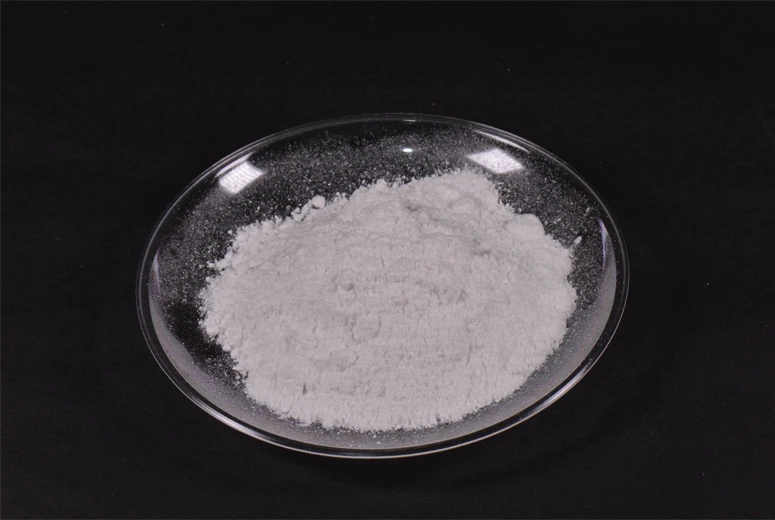
Visual representation of industrial application potential.
These diverse applications underscore the versatility and critical importance of fine synthetic mica powders in pushing the boundaries of material science and engineering.
Technical Advantages Over Natural Mica and Other Fillers
While natural mica has historically been used as a functional filler, -15 Synthetic Mica Powder offers a range of superior technical advantages that make it the preferred choice for demanding applications:
- Exceptional Purity and Consistency: Synthetic mica is manufactured from highly purified raw materials under controlled conditions, virtually eliminating impurities such as heavy metals (Pb, As, Hg), asbestos, and crystalline silica, which can be present in natural mica. This ensures consistent performance and compliance with stringent regulations (e.g., FDA, RoHS).
- Superior Thermal Stability: With a decomposition temperature of approximately 1200°C, synthetic mica significantly outperforms natural muscovite mica (~600°C-700°C) and phlogopite mica (~900°C). This makes it indispensable for high-temperature applications.
- Excellent Electrical Insulation: Synthetic mica exhibits higher dielectric strength and lower dielectric loss, particularly at high frequencies, due to its uniform crystal structure and absence of conductive impurities. This is critical for advanced electronics.
- Chemical Inertness: It possesses superior resistance to acids, alkalis, and various organic solvents, making it highly stable in corrosive chemical environments where natural mica might degrade.
- High Aspect Ratio and Mechanical Reinforcement: The controlled crystallization process yields high aspect ratio flakes, which, when incorporated into polymers or coatings, provide excellent mechanical reinforcement, improved stiffness, reduced shrinkage, and enhanced barrier properties.
- Optical Clarity and Color Stability: Synthetic mica is transparent and maintains its color integrity at high temperatures, offering advantages in applications where aesthetics or specific optical properties are required. Natural mica can often have undesirable color tints due to mineral impurities.
- Reproducibility: The synthetic manufacturing process allows for precise control over particle size, morphology, and chemical composition, guaranteeing lot-to-lot consistency that is difficult to achieve with naturally mined minerals.
Comparison: Synthetic vs. Natural Mica
| Feature | HJMica Synthetic Mica Powder | Typical Natural Mica (Muscovite) |
|---|---|---|
| Purity | > 99.5%, virtually no heavy metals/asbestos | Variable, potential for impurities |
| Thermal Stability | ~1200 °C | ~600-700 °C |
| Dielectric Strength | Excellent, consistent | Good, but can vary with impurities |
| Chemical Resistance | Superior (acids, alkalis) | Moderate |
| Consistency (Lot-to-Lot) | High, precisely engineered | Variable, inherent natural fluctuations |
| Environmental Profile | Clean, free from natural contaminants | Potential for heavy metals, asbestos; environmental concerns with mining |
Vendor Comparison and HJMica's Differentiation
Choosing the right supplier for critical materials like synthetic mica powder is paramount. While several vendors exist, HJMica distinguishes itself through a combination of technical expertise, quality assurance, and customer-centric service. We emphasize:
- Unwavering Purity and Consistency: Our advanced manufacturing facilities and rigorous QC protocols ensure that every batch of -15 Synthetic Mica Powder meets the highest standards for purity, particle size distribution, and aspect ratio. This minimizes variations that can impact end-product performance.
- Certifications and Compliance: HJMica is ISO 9001 certified, demonstrating our commitment to quality management. Our products adhere to international safety and environmental standards, including RoHS, REACH, and specific industry regulations, offering peace of mind to our global partners.
- R&D and Technical Support: Our dedicated R&D team continuously works on optimizing material properties and developing new grades. We offer extensive technical support, assisting clients with material selection, application optimization, and troubleshooting to achieve optimal results.
- Global Logistics and Supply Chain Reliability: With established logistics networks, we ensure reliable and timely delivery of our products worldwide, mitigating supply chain risks for our clients.
- Customization Capabilities: Understanding that standard solutions may not always suffice, HJMica offers customized product formulations tailored to unique application requirements, including specific particle size distributions or surface treatments.
Why Partner with HJMica?
HJMica has accumulated over two decades of experience in high-performance mineral solutions, serving a portfolio of global leaders in electronics, automotive, and industrial sectors. Our commitment to innovation, quality, and partnership makes us a reliable and authoritative source for advanced materials.
Customized Solutions for Specialized Applications
At HJMica, we recognize that off-the-shelf solutions may not always perfectly align with the nuanced requirements of cutting-edge applications. Our expertise in material science and advanced manufacturing enables us to provide highly customized -15 Synthetic Mica Powder solutions tailored to specific client needs.
Our Customization Capabilities Include:
- Tailored Particle Size Distribution: We can engineer specific D50, D90, or maximum particle size cut-offs to optimize dispersion, surface finish, or rheological properties for unique polymer matrices or coating systems.
- Surface Modifications: Application-specific surface treatments (e.g., silane coupling agents, organic coatings) can be applied to enhance compatibility with various resins (epoxy, polyester, polyimide, etc.), improving adhesion, dispersion, and overall composite performance.
- Purity and Trace Element Control: For ultra-sensitive electronic or medical applications, we can provide grades with even lower trace element impurity levels, beyond standard specifications.
- Formulation Blends: Collaborating with our clients, we can develop custom blends that combine -15 Synthetic Mica Powder with other functional fillers to achieve multi-functional properties, such as enhanced thermal conductivity alongside electrical insulation.
- Packaging Solutions: From bulk bags to specialized moisture-controlled container111s, we offer flexible packaging options to suit manufacturing processes and logistics requirements.
Our technical team works closely with clients through consultation, sample development, and rigorous testing to ensure the customized solution meets precise performance criteria and seamlessly integrates into existing production lines.
Real-World Application Case Studies
The efficacy of -15 Synthetic Mica Powder is best demonstrated through its successful deployment in challenging industrial applications:
Case Study 1: Enhancing Fire Retardancy and Barrier Properties in Protective Coatings
A leading manufacturer of industrial protective coatings for chemical processing plants faced challenges in developing a high-performance coating that offered superior fire retardancy and barrier protection against corrosive chemicals, while also enduring high operating temperatures. Traditional fillers were either too porous, lacked thermal stability, or compromised adhesion.
By incorporating -15 Synthetic Mica Powder into their epoxy-based coating formulation, the client achieved remarkable improvements. The high aspect ratio mica platelets formed a tortuous path, significantly reducing the permeability of oxygen and corrosive agents, and enhancing the coating's fire-retardant properties by forming a stable char layer at elevated temperatures. The coating's adhesion and resistance to chemical attack improved by over 30% in accelerated tests, extending service life and reducing maintenance costs.
Case Study 2: Improving Dielectric Performance in High-Frequency Circuit Boards
A manufacturer of advanced telecommunications equipment sought to develop smaller, more powerful circuit boards operating at higher frequencies, demanding superior dielectric materials. Conventional organic dielectrics suffered from high dielectric loss and poor thermal stability at the required operating temperatures, leading to performance degradation and reliability issues.
HJMica provided a customized grade of -15 Synthetic Mica Powder with tightly controlled particle size and surface treatment. When integrated into the polymer matrix of the circuit board, the synthetic mica significantly reduced the dielectric constant and loss tangent, enabling more efficient signal transmission. Its exceptional thermal stability also allowed the boards to operate reliably at higher temperatures without material degradation. This resulted in a 15% improvement in signal integrity and a 20% increase in thermal operating range, directly contributing to the development of next-generation 5G network components.
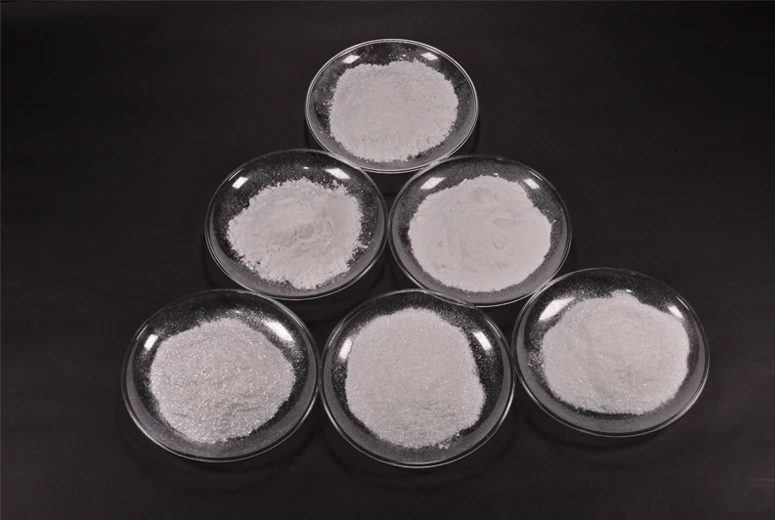
Illustrating material performance in composite applications.
Case Study 3: Lightweighting and Thermal Stability in Automotive Composites
An automotive OEM required a lightweight composite material for under-hood components that could withstand continuous exposure to high temperatures and automotive fluids, while maintaining dimensional stability. Traditional glass fiber composites were too heavy and sometimes struggled with warpage under thermal cycling.
By replacing a portion of the glass fiber with -15 Synthetic Mica Powder in their polypropylene composite, the OEM achieved a 10% weight reduction in the component without compromising mechanical strength. The synthetic mica provided excellent thermal stability, significantly improving the heat deflection temperature (HDT) and reducing thermal expansion, leading to better dimensional stability and reduced part warpage during manufacturing and in-service use. This solution contributed to improved fuel efficiency and component longevity for their new vehicle platform.
Frequently Asked Questions (FAQ)
Q: What is the primary difference between synthetic mica and natural mica?
A: Synthetic mica is man-made in controlled environments from high-purity raw materials, ensuring superior purity, consistency, and thermal stability (up to 1200°C) compared to natural mica, which is mined and can contain impurities like heavy metals, asbestos, and crystalline silica, and has lower thermal resistance.
Q: Is -15 Synthetic Mica Powder safe for cosmetic applications?
A: Yes, our synthetic mica is manufactured to be extremely pure, free from heavy metals and asbestos, making it an excellent and safe choice for cosmetic and personal care products. Its fine particle size and smooth texture are ideal for various formulations.
Q: How does synthetic mica contribute to fire retardancy?
A: When incorporated into polymer matrices or coatings, the platy structure of synthetic mica creates a dense, char-forming barrier at elevated temperatures. This barrier slows down heat transfer and the diffusion of combustible gases, enhancing the material's fire-retardant properties.
Q: What is the typical lead time for an order?
A: Standard orders typically have a lead time of 2-4 weeks, depending on volume and current stock levels. For customized solutions or large-volume orders, specific lead times will be provided during the quotation process. We maintain robust inventory management to expedite critical deliveries.
Q: Do you offer technical support for application development?
A: Absolutely. Our team of material scientists and engineers provides comprehensive technical support, from initial product selection and formulation guidance to troubleshooting and performance optimization. We are committed to fostering long-term partnerships through expert assistance.
Lead Time, Warranty, and Customer Support
HJMica is committed to operational excellence and client satisfaction, providing not just high-quality materials but also comprehensive support throughout the customer journey.
Lead Time and Fulfillment:
Our streamlined production processes and efficient global logistics network ensure timely delivery. For standard -15 Synthetic Mica Powder products, typical lead times range from 14 to 28 days for international shipments, depending on destination and volume. Expedited shipping options are available upon request for urgent requirements. We work closely with clients to forecast demand and manage inventory, ensuring a consistent and reliable supply chain.
Warranty Commitments:
HJMica warrants that our -15 Synthetic Mica Powder products will meet the specified technical parameters and quality standards as agreed upon with the client. We uphold rigorous quality control at every stage of manufacturing and provide comprehensive Certificates of Analysis (CoA) with each shipment. Any product failing to meet these specifications will be subject to our standard return and replacement policy, ensuring client trust and satisfaction.
Dedicated Customer Support:
Our commitment extends beyond product delivery. HJMica offers dedicated after-sales support, including direct access to our technical specialists for any application-related queries or challenges. We provide continuous product guidance, troubleshooting assistance, and collaborate on R&D initiatives to help our partners innovate and optimize their products. Our goal is to build long-term, successful partnerships based on mutual trust and technical excellence.
Authoritative References and Citations
The information presented herein is supported by extensive research in material science and industry standards. For further authoritative insights, consider the following references:
- ISO 9001:2015 - Quality management systems — Requirements. International Organization for Standardization.
- ASTM International Standards on Powder Technology. Annual Book of ASTM Standards, Volume 14.02.
- Guo, Z. X. (2000). Advanced Processing and Manufacturing Technologies for High-Performance Ceramics and Composites. Materials Science and Engineering R: Reports, 29(1-2), 1-135.
- Xu, X., & Liu, S. (2013). Recent advances in synthetic mica and its applications. Journal of Materials Chemistry A, 1(45), 14068-14078.
- IEC Standards for Electrical Insulating Materials: General definitions, classification and test methods. International Electrotechnical Commission.
-
Ultimate Guide to Using High Quality Pearl Paint Pigment for LusterNewsApr.16,2026
-
Elevating Automotive Aesthetics with Mica Powder Car PaintNewsApr.09,2026
-
Unlock Stunning Effects with Mica Powder for Paint ApplicationsNewsApr.07,2026
-
Comprehensive Guide to Mica Dye Powder Applications and BenefitsNewsApr.04,2026
-
Unlocking the Brilliance of Mica Pigment Paint for Diverse ApplicationsNewsMar.31,2026
-
Enhancing Concrete Performance with Durable Mica Chips for Concrete ApplicationsNewsMar.28,2026