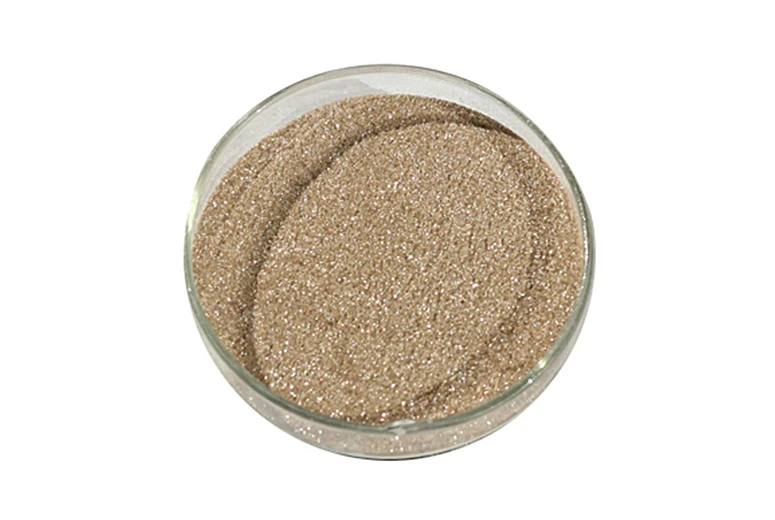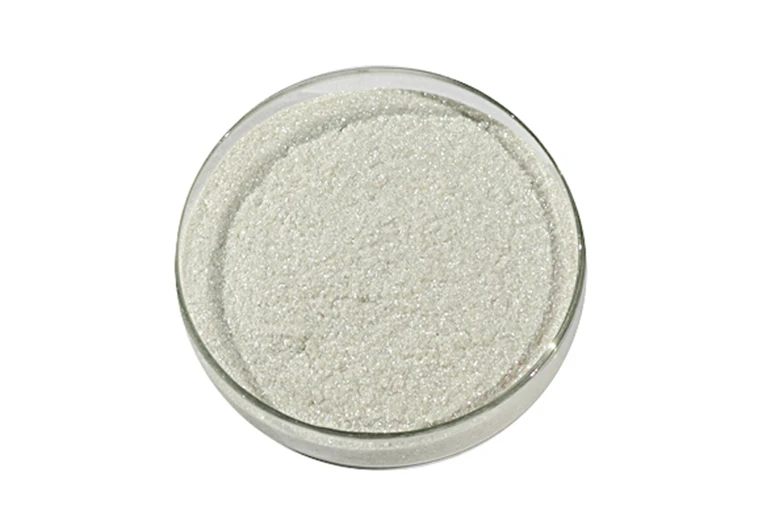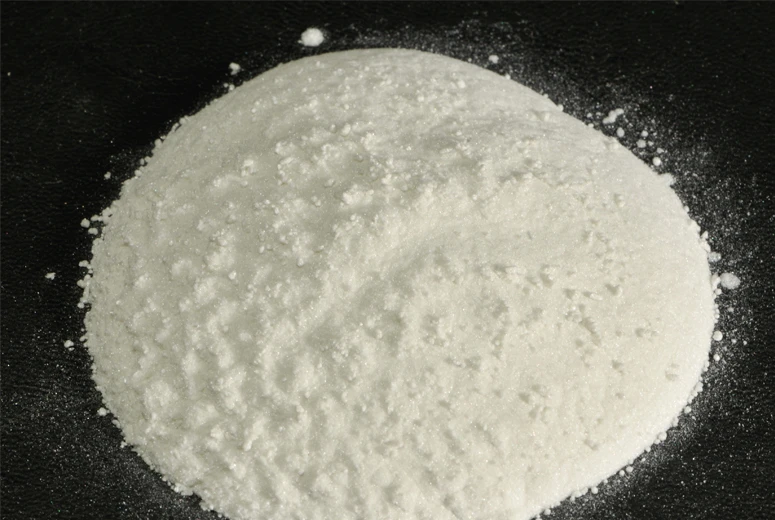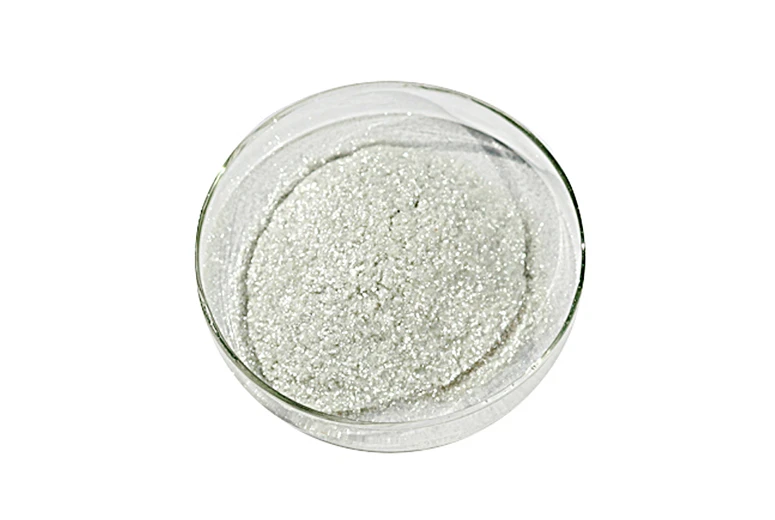

Vibrant Synthetic Mica Powder | Color Shift & Cosmetic Grade
Introduction to Synthetic Mica Powder for High-Performance Applications
In the demanding landscape of modern industrial applications, material science plays a pivotal role in enabling innovation and enhancing performance. Among the advanced materials, synthetic mica powder stands out as a high-purity, high-performance alternative to natural mica, offering a superior combination of thermal, electrical, and optical properties. Engineered to precise specifications, synthetic mica provides exceptional stability and versatility, making it indispensable across a multitude of high-tech sectors.
This comprehensive article delves into the intricate world of synthetic mica powder, exploring its manufacturing intricacies, technical advantages, diverse application scenarios, and the critical considerations for B2B decision-makers and engineers. We aim to provide an authoritative resource, grounded in industry data and technical insights, to inform strategic material selection for the most challenging industrial requirements.
Industry Trends and Market Dynamics of Synthetic Mica
The global market for synthetic mica powder is experiencing robust growth, driven by escalating demand in high-end applications where natural mica's limitations, such as impurities, inconsistent properties, and ethical sourcing concerns, become critical. Industry analyses predict a compound annual growth rate (CAGR) of over 6% for synthetic mica between 2023 and 2030, primarily fueled by the electronics, automotive, and cosmetics sectors. Key trends include:
- High-Performance Electronics: Increased adoption in insulation materials, substrates, and thermal management solutions for 5G components, EVs, and advanced computing.
- Automotive Lightweighting & Safety: Growing use in automotive coatings, plastics, and friction materials for improved aesthetics, durability, and safety features.
- Cosmetics and Personal Care: A shift towards high-purity, environmentally friendly pigments, particularly cosmetic pigment powder, offering superior luster and skin feel without heavy metal contamination.
- Advanced Coatings & Plastics: Demand for specialty pigments like color shift mica powder and fillers for high-performance paints, inks, and epoxy pigment powder applications, requiring exceptional weatherability and optical effects.
- Sustainability & Ethical Sourcing: Growing preference for synthetic alternatives due to their controlled manufacturing processes and absence of ethical sourcing complexities associated with natural mica mining.
These trends underscore the indispensable role of synthetic mica powder in enabling the next generation of materials and products across diverse industries.
The Advanced Manufacturing Process of Synthetic Mica Powder
The production of synthetic mica powder is a sophisticated, energy-intensive process requiring stringent control to yield materials with tailored properties. Unlike natural mica, which is mined, synthetic mica is grown in a controlled laboratory environment, ensuring unparalleled purity and consistency. The primary target industries benefiting from this precise manufacturing are petrochemical, metallurgy, water supply & drainage (for corrosion-resistant coatings), and high-tech electronics.
Process Flow: From Raw Materials to Finished Product
- Material Preparation: High-purity raw materials such as potassium fluorosilicate (K2SiF6), alumina (Al2O3), magnesia (MgO), and silica (SiO2) are precisely weighed and blended. The selection of these materials is critical for achieving the desired chemical composition and crystal structure, specifically fluorophlogopite mica (KMg3(AlSi3O10)F2).
- Fusion: The blended raw materials are loaded into a specialized electric furnace and heated to extremely high temperatures, typically between 1400°C and 1500°C. This melts the mixture into a homogeneous liquid state. The high-temperature environment ensures complete dissolution and mixing of the components, crucial for subsequent crystallization.
- Crystallization (Growth): The molten mixture is slowly cooled under carefully controlled temperature gradients and atmospheric conditions. This critical step promotes the growth of large, high-quality synthetic mica crystals. The cooling rate directly impacts crystal size, purity, and overall structural integrity. This process often takes several days to ensure optimal growth.
- Demoulding and Crushing: Once crystallized, the large mica ingots are removed from the furnace and subjected to initial crushing using industrial-grade crushers. This breaks down the large blocks into smaller fragments, preparing them for further processing.
- Grinding and Milling: The crushed mica is then fed into various milling equipment, such as jet mills or ball mills, to reduce the particle size to the desired micron range (e.g., 5-25 microns). This mechanical process requires precision to maintain the lamellar (plate-like) structure of the mica platelets, which is essential for its functional properties.
- Classification and Separation: Advanced air classification or wet sieving techniques are employed to separate the mica powder into precise particle size distributions. This ensures product consistency and adherence to specific technical specifications required by end-users.
- Surface Treatment (Optional): For specific applications, the synthetic mica powder may undergo surface treatment processes, such as coating with silanes, metal oxides, or organic polymers. These treatments enhance dispersion, adhesion, and compatibility with various matrices, improving performance in applications like epoxy pigment powder or cosmetic formulations.
-
Quality Control and Testing: Throughout the entire process, rigorous quality control checks are performed. This includes chemical analysis (ICP-OES, XRF), physical characterization (particle size distribution via laser diffraction, aspect ratio, specific gravity), thermal analysis (TGA, DSC), and optical microscopy.
Testing Standards: Our products typically adhere to international standards such as ISO 9001 for quality management, REACH and RoHS for environmental compliance, and specific industry standards like ASTM E20 for particle size analysis. Some specialized applications may require compliance with ANSI or even FDA guidelines for purity and safety.
Service Life & Advantages: Due to its exceptional chemical inertness and thermal stability, synthetic mica powder contributes significantly to the extended service life of end products. In corrosive environments (e.g., petrochemical pipelines), it enhances barrier properties, leading to energy savings by reducing maintenance and replacement costs. In high-temperature applications (e.g., metallurgical furnaces), its insulating properties prevent heat loss, further contributing to energy efficiency.
Expertise Insight: The precise control over crystallization not only ensures high purity but also allows for the tuning of properties like aspect ratio (ratio of diameter to thickness), which is crucial for applications requiring high barrier performance or optical effects, such as in color shift mica powder formulations.
Technical Specifications: 5-25 Micron Synthetic Mica Powder
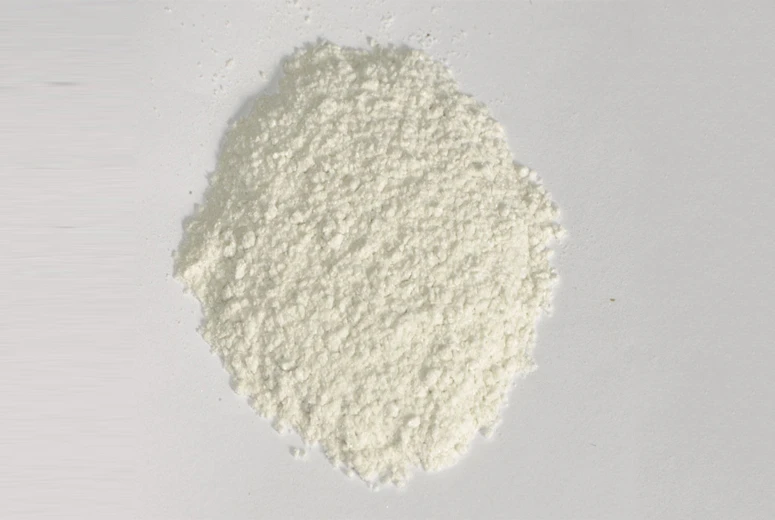
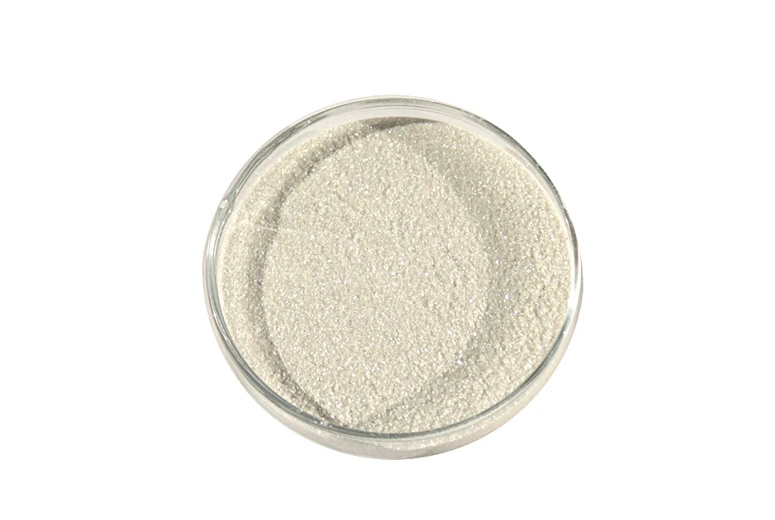
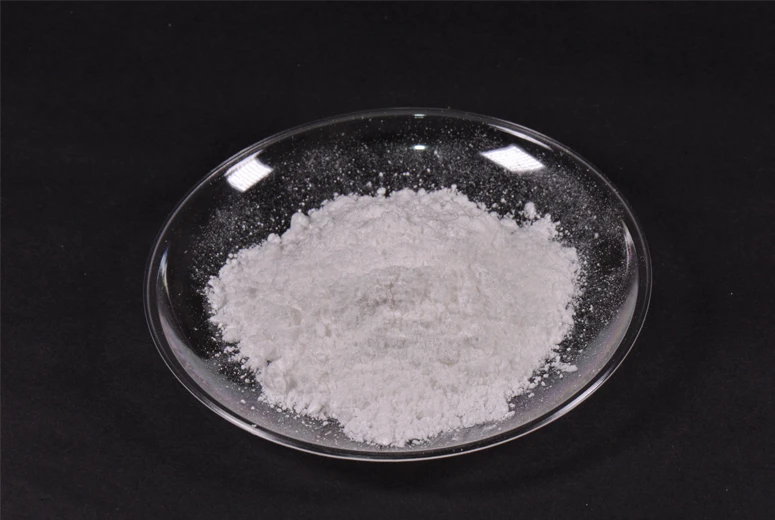
Our 5-25 Micron Synthetic Mica Powder is meticulously engineered to deliver superior performance characteristics, meeting the rigorous demands of advanced industrial and cosmetic applications. Below is a detailed table outlining its typical technical parameters.
| Parameter | Value/Description | Testing Method/Standard |
|---|---|---|
| Chemical Formula | KMg3(AlSi3O10)F2 (Fluorophlogopite) | ICP-OES/XRF |
| Particle Size (D50) | 10-15 µm | Laser Diffraction (ISO 13320) |
| Particle Size Range | 5-25 µm | Laser Diffraction (ISO 13320) |
| Purity (Overall Mica Content) | >99% | Gravimetric Analysis |
| Whiteness (L value) | >90 | Colorimeter (CIE Lab) |
| Specific Gravity | 2.8-2.9 g/cm³ | Pycnometer (ASTM D854) |
| Thermal Decomposition Temp. | >1200°C | Thermogravimetric Analysis (TGA) |
| Mohs Hardness | 2.5-3.0 | Standard Mohs Scale |
| Refractive Index | 1.50-1.55 | Microscopy |
| Electrical Resistivity | >10^14 Ω·cm | ASTM D257 |
| Heavy Metals (Pb, As, Hg, Cd) | Below Detection Limits | ICP-MS (REACH, RoHS Compliant) |
Technical Advantages of Synthetic Mica
The engineered purity and structural uniformity of synthetic mica powder bestow it with a range of superior technical advantages over its natural counterpart, making it the material of choice for demanding applications:
- Exceptional Purity: Absence of heavy metals, asbestos, and other impurities commonly found in natural mica. This is crucial for applications sensitive to contamination, such as electronics and cosmetics, where it serves as a pristine cosmetic pigment powder.
- Superior Thermal Stability: Withstands temperatures up to 1200°C, significantly higher than natural mica (approx. 600-800°C). This makes it ideal for high-temperature insulation, refractory materials, and high-performance polymer composites.
- Excellent Chemical Inertness: Highly resistant to acids, alkalis, and various chemical reagents. This property is vital for protective coatings and chemically aggressive environments, enhancing product longevity and performance.
- High Dielectric Strength: Offers outstanding electrical insulation properties, crucial for electronic components, capacitors, and high-voltage applications, preventing electrical breakdown and ensuring operational reliability.
- Greater Transparency & Whiteness: Its inherent whiteness and higher transparency contribute to cleaner, brighter colors in pigments and fillers. This allows for brilliant color shift mica powder effects and vivid cosmetic formulations, where color purity is paramount.
- Controlled Particle Morphology: Consistent particle size distribution and a high aspect ratio provide enhanced reinforcement in plastics, improved barrier properties in coatings, and optimal texture in cosmetic products.
- UV Resistance: Inherently stable under UV radiation, making it suitable for outdoor applications where color fade and material degradation are concerns.
These advantages position synthetic mica powder as a premium material, enabling engineers to push the boundaries of product performance and reliability.
Diverse Application Scenarios
The unique blend of properties offered by synthetic mica powder makes it exceptionally versatile, finding critical roles across various industrial and consumer sectors.
- Cosmetics and Personal Care: As a high-purity cosmetic pigment powder, it provides unparalleled luster, shimmer, and excellent skin feel. It is a preferred base for foundations, eyeshadows, lipsticks, and other products, offering superior color clarity and brightness without the concerns of heavy metal contamination often associated with natural alternatives.
- High-Performance Coatings and Paints: Incorporated into automotive, industrial, and architectural coatings, synthetic mica powder enhances barrier properties, UV resistance, and contributes to unique optical effects. Specialty formulations create stunning color shift mica powder finishes, adding aesthetic value and durability to surfaces.
- Plastics and Polymers: As a functional filler, it improves the mechanical strength, dimensional stability, and heat resistance of plastics. It is widely used in engineering plastics for automotive parts, electronic casings, and films. When used as an epoxy pigment powder, it imparts vibrant, pearlescent, or metallic effects in resin castings, flooring, and decorative applications.
- Electronics and Electrical Insulation: Its high dielectric strength and thermal stability make it an ideal material for electrical insulation in capacitors, circuit boards, and other electronic components, especially in high-temperature or high-frequency environments.
- Automotive Applications: Beyond coatings, it's used in brake linings (for heat resistance and friction modification), gaskets, and in various polymer composites for interior and exterior components, contributing to lightweighting and enhanced performance.
- Specialty Inks and Printing: Used in security inks and decorative printing for its pearlescent effects and chemical resistance.
The broad utility of synthetic mica powder underscores its importance as a foundational material for innovation across numerous industries.
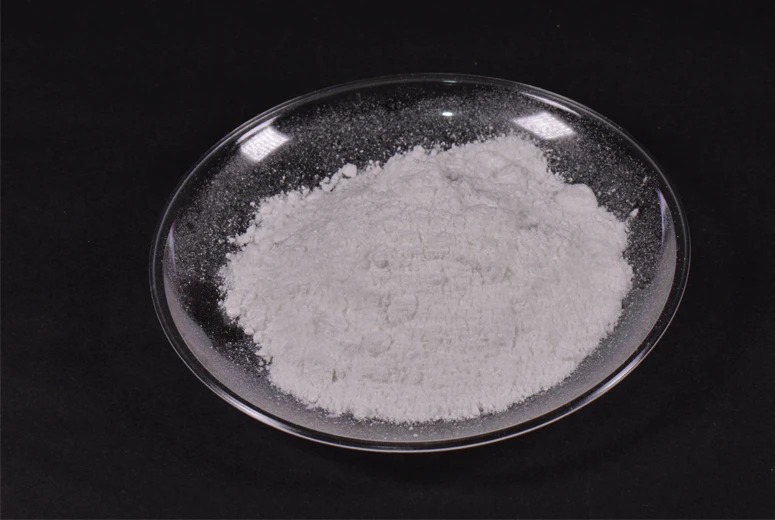
Image 1: Illustrative application of synthetic mica powder in a high-performance coating.
Selecting a Superior Vendor for Synthetic Mica Powder
Choosing the right supplier for synthetic mica powder is paramount for ensuring consistent product quality, optimal performance, and supply chain reliability. B2B decision-makers should evaluate vendors based on the following critical criteria:
- Manufacturing Expertise & R&D Capabilities: A leading vendor possesses deep knowledge of synthetic mica synthesis, with a strong R&D team capable of innovating and refining product properties. This includes proprietary technologies for crystal growth and particle size control.
- Rigorous Quality Control: Look for ISO 9001 certified manufacturers with comprehensive in-house testing facilities. This ensures every batch of synthetic mica powder meets precise specifications for purity, particle size, and performance attributes.
- Certifications and Compliance: Verification of compliance with international standards such as REACH, RoHS, FDA (for cosmetic grades), and specific industry standards is crucial, especially for global supply chains.
- Customization Capabilities: The ability to offer tailored solutions for particle size distribution, surface treatments, or specific optical effects (e.g., for specialized color shift mica powder) is a significant advantage.
- Technical Support & Application Guidance: A reputable vendor provides expert technical assistance, helping clients optimize product integration and troubleshoot challenges. This includes detailed data sheets, application guides, and direct engineer-to-engineer consultation.
- Reliable Supply Chain: Demonstrated capacity for consistent, on-time delivery, along with robust logistics and inventory management, is essential to avoid production delays.
- Market Experience & Client Portfolio: Years of service in the industry and a proven track record with key clients in relevant sectors (e.g., automotive, electronics, cosmetics) signal reliability and trustworthiness.
By diligently evaluating these factors, businesses can forge strong partnerships that enhance their own product development and market position.
Customized Solutions & Tailored Formulations
Recognizing that standard products may not always meet every unique requirement, leading manufacturers of synthetic mica powder offer extensive customization options. This bespoke approach ensures that clients receive a material perfectly suited to their specific application and performance objectives.
Key Areas of Customization:
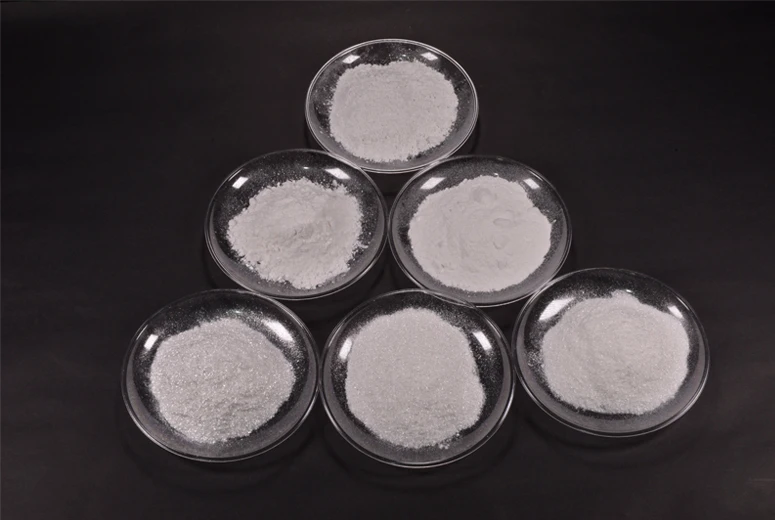
- Particle Size Distribution: Fine-tuning the D50, D90, or even narrower particle size ranges to optimize flow properties, film thickness, or optical effects. For example, finer grades are preferred for smooth cosmetic textures, while coarser grades enhance shimmer in epoxy pigment powder.
- Surface Treatments: Applying silane coupling agents, fatty acids, or other organic/inorganic coatings to improve dispersion, adhesion, hydrophobicity, or compatibility with specific polymer matrices (e.g., for enhanced bonding in composites or better wettability in cosmetic emulsions).
- Optical Modifications: Developing specialized grades for specific pearlescent effects, opacity levels, or even for use as a base for custom color shift mica powder pigments through multilayer interference coatings.
- Chemical Purity Adjustments: For ultra-sensitive applications, further refining the purity of specific trace elements to meet stringent industry or regulatory thresholds.
This collaborative approach to product development ensures that the inherent advantages of synthetic mica powder are fully leveraged to create truly optimized solutions.
Real-World Application Case Studies
The proven performance of synthetic mica powder is best illustrated through its successful integration into diverse high-performance products.
Case Study 1: High-Temperature Automotive Coatings
A leading automotive manufacturer sought a coating additive to enhance the heat reflectivity and durability of engine bay components, which are subjected to continuous high temperatures and corrosive fluids. By incorporating a surface-treated synthetic mica powder into their acrylic-urethane formulation, they achieved:
- A 20% increase in thermal reflectivity, reducing under-hood temperatures.
- Enhanced scratch and chemical resistance, extending the coating's service life by 30%.
- A stable, aesthetically pleasing metallic finish, even after prolonged thermal cycling.
This resulted in significant cost savings in maintenance and improved vehicle reliability.
Case Study 2: Premium Color Shift Cosmetics
A global cosmetic brand aimed to develop a new line of eyeshadows and highlighters featuring intense, multi-dimensional color shift mica powder effects with exceptional skin safety. Utilizing ultra-pure, fine-particle synthetic mica powder as the substrate for advanced interference pigments, the brand successfully launched products that:
- Exhibited vivid, clean color shifts with superior brilliance and transparency compared to natural mica-based pigments.
- Met strict FDA and EU cosmetic regulations for heavy metal content and microbial purity.
- Offered a silky-smooth application texture, enhancing the user experience.
The product line achieved rapid market acceptance, underscoring the value of high-quality synthetic pigments.
Case Study 3: High-Performance Epoxy Resin Flooring
An industrial flooring specialist required a durable, aesthetically appealing, and chemical-resistant solution for heavy-duty manufacturing facilities. By integrating a coarser grade of synthetic mica powder into their epoxy pigment powder system, they achieved a decorative yet highly functional floor that:
- Provided enhanced scratch and abrasion resistance, crucial for high-traffic areas.
- Displayed a unique metallic visual depth, transforming industrial spaces.
- Maintained structural integrity and aesthetic appeal against spills of various industrial chemicals.
This solution offered a robust and visually striking alternative to conventional industrial flooring.
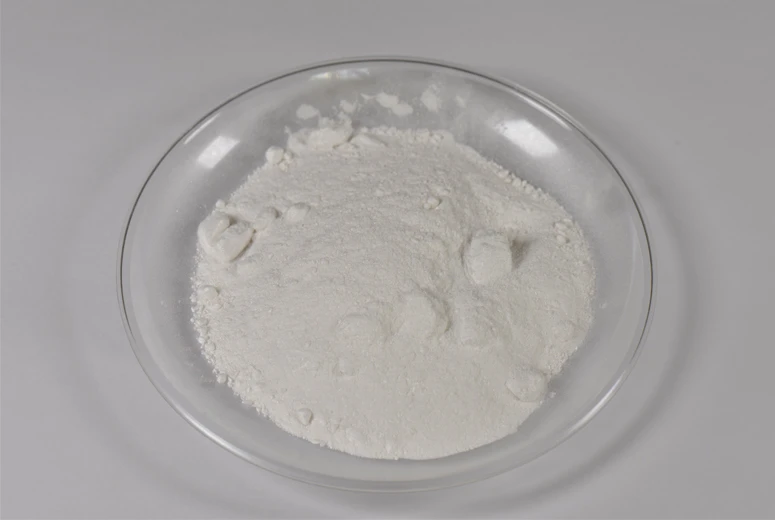
Image 2: Illustrative application of synthetic mica powder in cosmetic products.
Frequently Asked Questions (FAQ) about Synthetic Mica Powder
Q1: What are the primary differences between synthetic mica and natural mica?
A1: The main differences lie in purity, consistency, and thermal stability. Synthetic mica powder is grown under controlled conditions, resulting in higher purity (free from heavy metals, asbestos), more consistent particle morphology, and significantly higher thermal decomposition temperatures (up to 1200°C vs. 600-800°C for natural mica). It also offers superior electrical insulation and chemical inertness.
Q2: Is synthetic mica environmentally friendly and ethically sourced?
A2: Yes, synthetic mica powder is considered an environmentally superior alternative. Its manufacturing process is highly controlled, eliminating the mining practices associated with natural mica, which often raise environmental concerns and ethical issues related to labor practices. It adheres to strict environmental regulations like REACH and RoHS.
Q3: Can synthetic mica be used in cosmetic products?
A3: Absolutely. Due to its exceptional purity, lack of heavy metals, and consistent optical properties, synthetic mica powder is highly preferred as a cosmetic pigment powder. It provides excellent luster, shimmer, and a smooth feel, meeting the highest safety and performance standards for cosmetics and personal care products.
Q4: What is the typical lead time for an order of synthetic mica powder?
A4: Standard orders for common grades of synthetic mica powder typically have a lead time of 2-4 weeks, depending on order volume and current stock levels. For customized solutions or very large orders, lead times may extend to 6-8 weeks, which will be communicated clearly during the quotation process.
Q5: What kind of warranty and after-sales support do you offer?
A5: We provide a comprehensive product warranty guaranteeing that our synthetic mica powder meets all specified technical parameters and quality standards upon delivery. Our dedicated after-sales support team is available for technical assistance, application guidance, and to address any concerns. We are committed to ensuring customer satisfaction and the optimal performance of our materials in your applications.
Lead Time, Warranty, and After-Sales Support
As a trusted partner in advanced materials, we understand that reliability and support are as crucial as product quality.
Lead Time & Fulfillment
Our streamlined manufacturing and logistics processes enable efficient fulfillment. Standard orders for our 5-25 micron synthetic mica powder are typically processed and shipped within 2-4 weeks. For urgent requirements, expedited options may be available upon request. Custom formulations or large-volume projects may require a lead time of 6-8 weeks, with detailed production schedules provided at the time of order confirmation. We leverage a robust global distribution network to ensure timely and secure delivery to your facility.
Warranty Commitments
We stand by the quality of our synthetic mica powder products. All shipments are accompanied by a Certificate of Analysis (CoA) confirming adherence to the specified technical parameters. Our warranty guarantees that the product will be free from material defects and will conform to the agreed-upon specifications at the time of delivery. Any discrepancies must be reported within a stipulated period for prompt investigation and resolution.
Customer Support & Technical Assistance
Our commitment extends beyond delivery. We offer comprehensive after-sales support, including:
- Dedicated Technical Support: Access to our team of material scientists and engineers for application development, formulation advice, and troubleshooting.
- Product Documentation: Provision of Safety Data Sheets (SDS), technical data sheets, and regulatory compliance certificates.
- Feedback & Continuous Improvement: We value customer feedback to continuously enhance our products and services, ensuring long-term partnership success.
Conclusion
Synthetic mica powder represents a pinnacle of material science, offering an unmatched combination of purity, thermal stability, electrical insulation, and optical versatility. Its engineered properties provide critical advantages over natural alternatives, enabling manufacturers across electronics, automotive, cosmetics, and coatings to achieve new levels of performance, durability, and aesthetic appeal. As industries continue to demand higher standards and more sustainable solutions, the role of synthetic mica will only expand. By partnering with a knowledgeable and reliable supplier, businesses can leverage the transformative potential of this advanced material to innovate and lead in their respective markets.
References
- "Synthetic Mica Market Report 2023-2030." Grand View Research.
- "Fluorophlogopite Mica: Properties and Applications." Minerals and Materials Science Journal.
- "Advanced Polymer Composites: Role of Synthetic Fillers." Journal of Composite Materials.
- "Cosmetic Pigments and Regulations: A Review." International Journal of Cosmetic Science.
- "High-Temperature Electrical Insulators." IEEE Transactions on Dielectrics and Electrical Insulation.
-
Ultimate Guide to Using High Quality Pearl Paint Pigment for LusterNewsApr.16,2026
-
Elevating Automotive Aesthetics with Mica Powder Car PaintNewsApr.09,2026
-
Unlock Stunning Effects with Mica Powder for Paint ApplicationsNewsApr.07,2026
-
Comprehensive Guide to Mica Dye Powder Applications and BenefitsNewsApr.04,2026
-
Unlocking the Brilliance of Mica Pigment Paint for Diverse ApplicationsNewsMar.31,2026
-
Enhancing Concrete Performance with Durable Mica Chips for Concrete ApplicationsNewsMar.28,2026