
Is Mica Harmful to the Skin? A Comprehensive Look at Safety & Usage in Cosmetics
Is Mica Harmful to the Skin? Understanding the Concerns and Facts
If you’ve ever browsed through cosmetic ingredient lists or even skincare product labels, you might have come across “mica.” It’s one of those mineral ingredients that glow in everything from shimmering eyeshadows to foundation primers. But, if you paused and wondered, is mica harmful to the skin? — you’re not alone. This question has popped up more and more globally as people become more conscious of what they're putting on their skin. Understanding mica's effects isn’t just skincare trivia; it has real-world impacts on health, safety, and even ethics behind the products we use daily.
Why does this matter globally?
Mica mining and usage spans many industries worldwide — from cosmetics, electronics, to even construction materials. According to the United Nations International Labour Organization, over 20,000 people are employed in mica mining alone, primarily in India, Madagascar, and Brazil. But mica isn’t just about harvesting; it’s about ensuring safe usage. The question “is mica harmful to the skin” touches on both consumer safety and broader social concerns like ethical sourcing and environmental impact.
In short, understanding mica’s skin safety helps consumers make better choices and pushes industries toward innovation and transparency.
What Exactly is Mica?
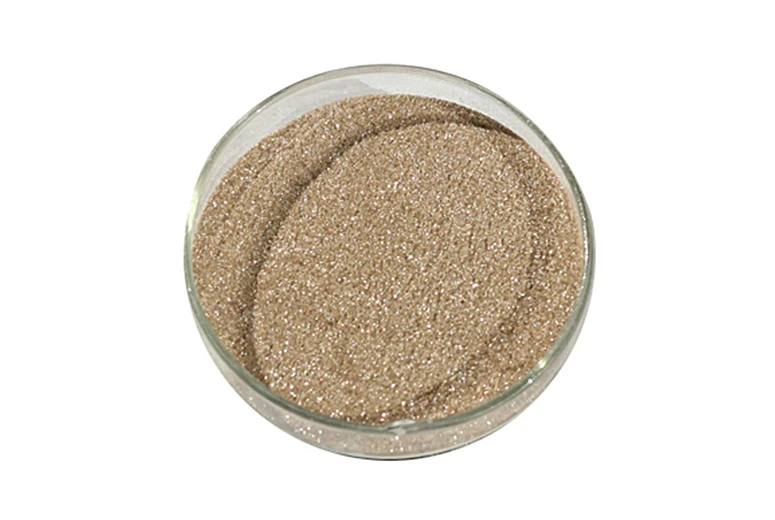
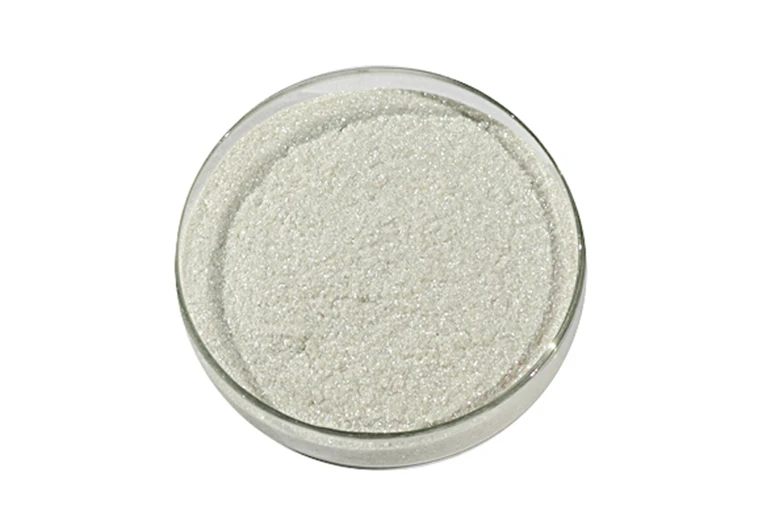
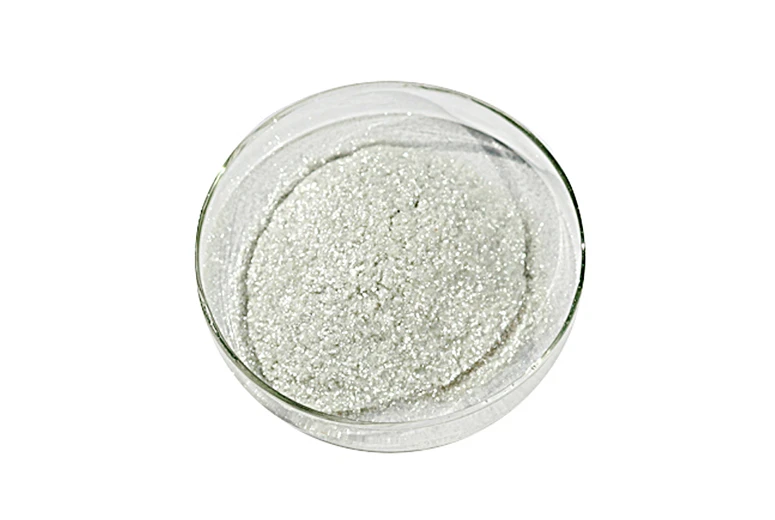
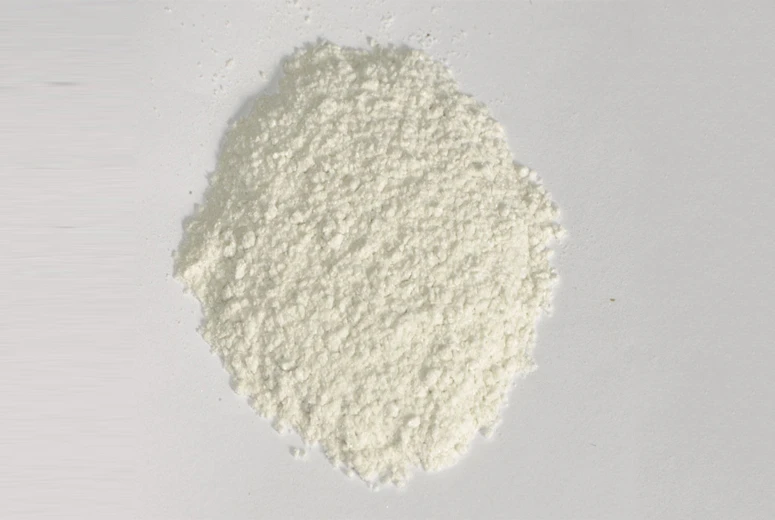
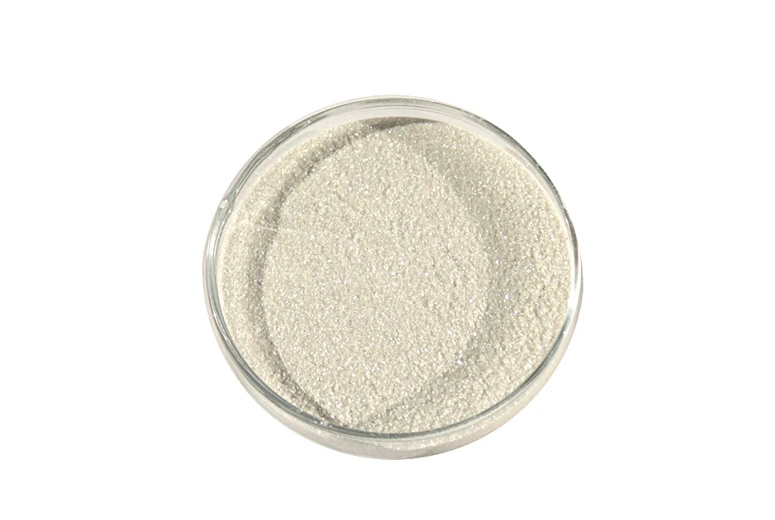
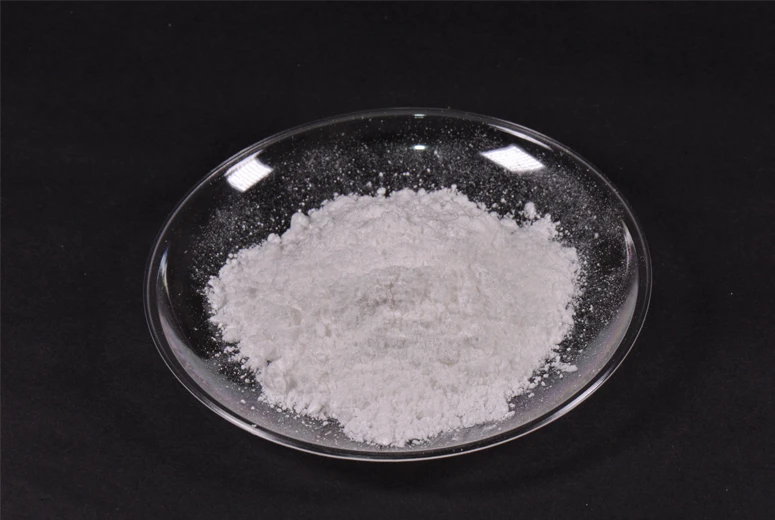
Mica is a group of naturally occurring silicate minerals famous for their shiny, flaky texture — you know, that pearly shimmer in your makeup? Chemically, it's a crystalline substance made mostly of potassium, aluminum, and silicate. This mineral has a critical role in making products sparkle or improve their texture.
In cosmetics, mica acts as a reflector of light, helping products look more vibrant and smooth on skin. But beyond makeup, mica finds use in electronics (think smartphone screens) and building materials, thanks to its heat resistance and electrical insulation properties.
Core Factors About Mica and Skin Safety
1. Purity and Processing Quality
Not all mica is created equal. Raw mica can contain impurities, including traces of heavy metals or dust particles. Good manufacturing practices ensure mica is thoroughly purified to remove harmful contaminants. So, it’s crucial to consider how mica is processed before it lands in a product.
2. Particle Size and Formulation
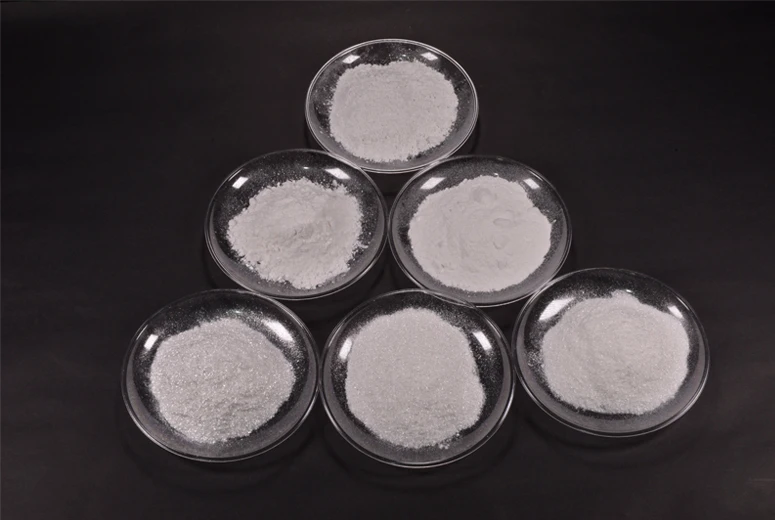
The size of mica particles can influence their effect on skin. Finely milled mica is less abrasive and better absorbed or adhered to skin, reducing irritation potential. Whereas rough mica particles might scratch or irritate sensitive skin. Formulators adjust sizes to strike a balance between glow and gentleness.
3. Skin Sensitivity and Allergic Reactions
Most people tolerate mica well, but, as with many minerals or ingredients, some individuals may develop irritation or allergic reactions. It’s often due to personal sensitivities or other ingredients paired with mica, not mica alone.
4. Regulatory & Safety Standards
Agencies like the US FDA and European Cosmetics Regulation set guidelines ensuring mica’s safety in cosmetics. Certified mica suppliers provide compliant materials tested for heavy metals and impurities—so trusting reputable brands matters.
Mini takeaway:
- Mica is naturally safe when purified and properly formulated.
- Quality control is critical — raw, unprocessed mica might cause problems.
- Sensitive skin users should patch-test new mica-containing products.
Global Applications of Mica in Skin Products & Beyond
Using mica in skincare and makeup is a global phenomenon, especially in regions like North America, Europe, and India, the latter being not only a consumer market but a major mining hub.
Here are some real-world contexts where mica's skin safety comes into play:
- Cosmetics industry: Mica is the go-to for eyeshadows, blushes, highlighters, and lipsticks that need that glowing, dewy effect.
- Pharmaceutical Industry: Used in topical powders and ointments for improved texture and appearance.
- Ethical sourcing movements: Many organizations now focus on mica traceability — ensuring miners, often children in impoverished areas, are protected, improving both human and environmental health.
Advantages & Long-Term Value of Using Mica
Why does the beauty industry keep coming back to mica? Here are some reasons beyond the obvious sparkle:
| Feature | Benefit | Relevance to Skin Safety |
|---|---|---|
| Natural Origin | Appealing to consumers seeking natural ingredients | When purified, it poses minimal risk to skin |
| Non-toxic | Safe for daily cosmetic use | Regulated to avoid impurities increasing allergy risk |
| Multi-functional | Improves product texture, appearance, and longevity | Enhances user experience without irritation |
On an emotional note, mica-based products offer consumers a sense of confidence—feeling radiant without worrying about harsh chemicals. It builds trust, which is crucial for skincare brands.
Future Trends & Innovations Around Mica
Interestingly, there’s ongoing research intent on making mica even safer and more sustainable. Innovations include:
- Ethical mineral certification: Blockchain technology being trialed for traceability in mica mining.
- Biotechnological alternatives: Creating synthetic mica that mimics effects but bypasses mining issues.
- Formulation enhancements: Combining mica with moisturizing or anti-inflammatory agents for sensitive skin formulations.
- Environmental focus: Reducing mining impact and promoting fair labor practices in main production countries.
Challenges and Solutions in Mica Use
Mica’s biggest challenges often don’t relate to the mineral itself but sourcing practices. Child labor in mica mines, mainly in India, has raised ethical alarms worldwide. Additionally, improper processing can leave mica with irritants that cause issues for sensitive users.
Thankfully, many brands now commit to ethical mica sourcing and skin safety. They invest in supply chain audits and third-party certifications ensuring mica is responsibly collected and refined, protecting miners and consumers alike.
Vendor Comparison: Mica Suppliers Focused on Safety and Sustainability
| Supplier | Purity Level (%) | Ethical Sourcing | Certifications | Typical Applications |
|---|---|---|---|---|
| HJMica Minerals | 99.9% | Fair Labor Certified | ISO 9001, COSMOS | Cosmetics, Pharmaceuticals |
| Global Mica Corp | 99.5% | Ongoing Audits | ISO 14001 | Electronics, Cosmetics |
| MineralBright Ltd | 98.7% | Partial Certification | None | Construction, Cosmetics |
FAQ: Common Questions About Mica and Skin Effects
- Q: Can mica cause skin irritation or allergies?
- A: While mica is generally safe and non-toxic, some people with sensitive skin might notice minor irritation. This usually stems from impurities or other ingredients in a formulation rather than mica itself. Patch testing new products is recommended.
- Q: Is mica safe for daily use in cosmetics?
- A: Yes, mica is widely used and regulated. When purified and produced by reputable suppliers, mica is safe for regular cosmetic use.
- Q: How do I know if the mica in my product is ethically sourced?
- A: Look for certifications like Fair Labor, COSMOS, or references to traceability practices. Brands committed to ethical sourcing usually provide transparency on their websites.
- Q: Are synthetic mica alternatives safer for skin?
- A: Synthetic mica is being developed and can reduce environmental impact and impurities. Skin safety is comparable but depends on product formulation.
- Q: Can mica affect people with acne-prone skin?
- A: Mica is non-comedogenic, meaning it does not clog pores. However, combining ingredients and individual skin responses vary, so it’s best to test products if you have concerns.
Wrapping it up
So, is mica harmful to the skin? Frankly, when sourced responsibly and purified, mica is considered safe and even beneficial for imparting a beautiful glow with minimal risk. The real concerns revolve around ethical mining practices and the quality controls behind the scenes. Next time you enjoy a shimmering blush or radiant eyeshadow, you can appreciate the complex story behind that sparkling mineral.
Curious to learn more about mica’s safety and sourcing? Visit our website for in-depth insights and trusted suppliers: https://www.hjmica.com
It’s the little things we put on our skin that often tell the biggest stories.
References:
-
Ultimate Guide to Using High Quality Pearl Paint Pigment for LusterNewsApr.16,2026
-
Elevating Automotive Aesthetics with Mica Powder Car PaintNewsApr.09,2026
-
Unlock Stunning Effects with Mica Powder for Paint ApplicationsNewsApr.07,2026
-
Comprehensive Guide to Mica Dye Powder Applications and BenefitsNewsApr.04,2026
-
Unlocking the Brilliance of Mica Pigment Paint for Diverse ApplicationsNewsMar.31,2026
-
Enhancing Concrete Performance with Durable Mica Chips for Concrete ApplicationsNewsMar.28,2026