
Is Mica Harmful for Skin? Comprehensive Safety Insights and Industry Overview
Is Mica Harmful for Skin? Unpacking the Truth Behind This Cosmetic Favorite
Mica—if you’ve glanced at cosmetics ingredients labels, you’ve likely bumped into this mineral a few times. But the big question many ask is: Is mica harmful for skin? It sounds simple enough, but the issue taps into a complex weave of dermatology, cosmetics regulation, and even global labor concerns. Understanding mica’s impact isn’t just about beauty or body care; it’s about safety, ethics, and long-term well-being for millions who use it daily. Millions, indeed—mica appears in eyeshadows, foundations, highlighters, and even skincare products worldwide.
Before diving deeper, let’s frame why this matters globally. According to the United Nations Environment Programme, mica mining occurs mainly in India, Brazil, and Madagascar, affecting ecosystems and communities. Meanwhile, big cosmetics players rely on mica for that shimmering look and smooth finish. So knowing whether mica is harmful for skin or safe to use is critical for consumers and industry alike.
What Exactly Is Mica and Its Connection to Skin?
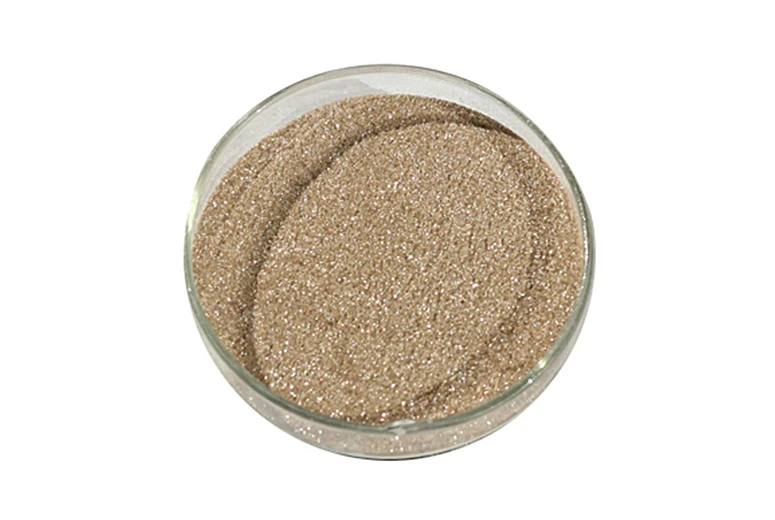
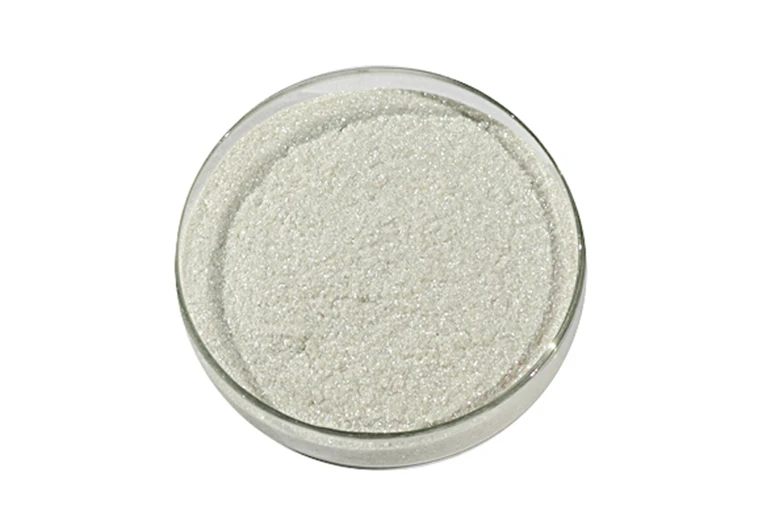
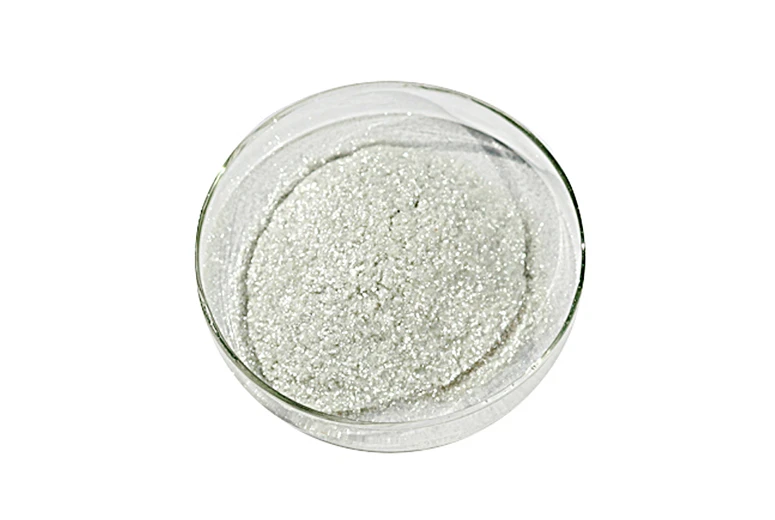
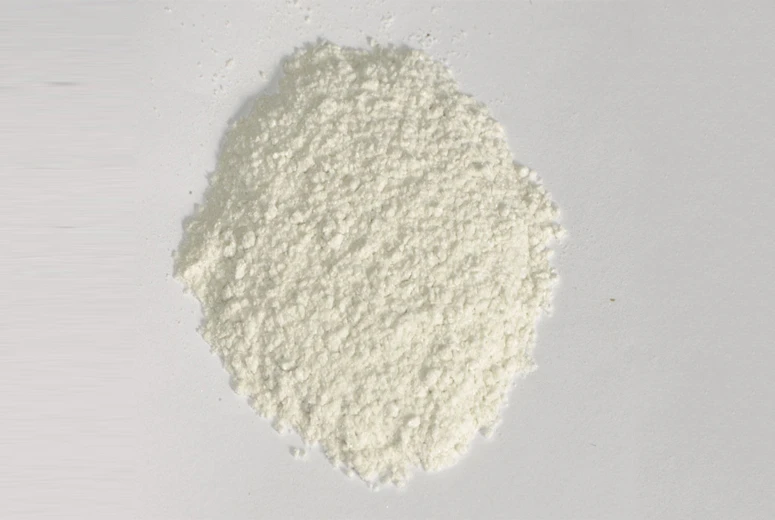
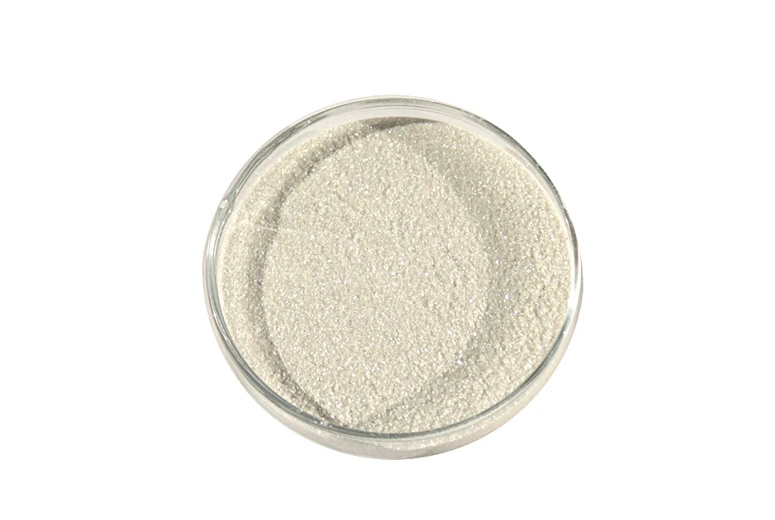
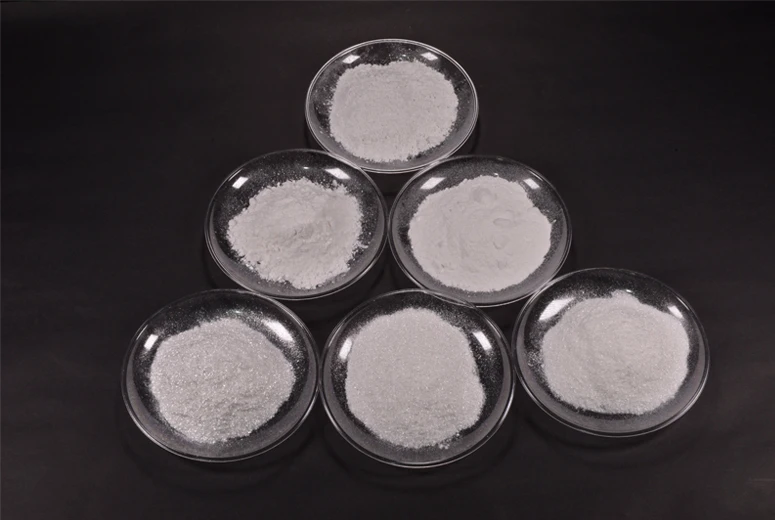
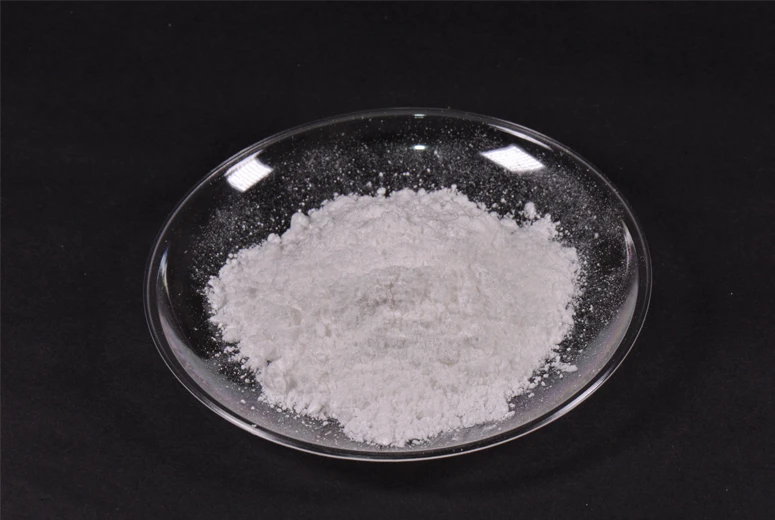
Mica is a group of silicate minerals known for their shiny, flaky appearance. You’ll often find mica in makeup because it adds glitter, shimmer, and a pleasing texture. Mica’s been cherished for centuries—for example, ancient Egyptians used it for shimmering cosmetics. Today, mica’s ground into fine particles to create radiance in everything from eyeshadow palettes to lotions.
But what about skin safety? In essence, is mica harmful for skin questions whether mica causes irritation, allergies, or long-term damage. Generally, mica is considered non-toxic and safe for topical use, but that’s not the whole story. The source of mica, its purity, and particle size can influence how it interacts with your skin. Moreover, its environmental and ethical backstory influences whether consumers feel comfortable applying mica-containing products.
Key Factors Influencing Whether Mica Is Harmful for Skin
1. Particle Size and Formulation
The safety largely depends on how mica is processed. Cosmetic-grade mica is finely milled to avoid sharp edges that can irritate skin. Many dermatologists assert that when mica is well-formulated into products, it causes minimal irritation—even those with sensitive skin usually tolerate it well.
2. Purity and Contamination Risks
Raw mica might contain trace heavy metals or contaminants if not properly refined. This is critical—impure mica could trigger allergic reactions or worsen sensitive skin conditions. So, reputable brands ensure mica is purified and tested, often adhering to strict FDA or ISO standards.
3. Skin Type and Usage Frequency
Not all skin reacts the same way. People with eczema, rosacea, or extreme sensitivity may notice irritations more often with mica-based products, especially powders that may be inhaled or rubbed vigorously. Frequent, prolonged use might compound irritation in some cases.
4. Ethical Sourcing and Consumer Trust
While not directly related to skin health, ethically sourced mica reduces concern over hazardous mining practices that impact overall consumer sentiment and product trust. Some brands now highlight ethically sourced mica, tying skin health to a broader narrative of well-being and responsibility.
Where Is Mica Used Globally and How Does That Relate to Skin Safety?
Mica’s applications stretch far beyond cosmetics, but that cosmetics linkage is crucial here. In Europe and North America, mica-containing products undergo rigorous safety assessments. The EU Scientific Committee on Consumer Safety has classified cosmetic-grade mica as safe when complying with purity and use instructions.
In India, one of the largest mica producers, challenges remain around unregulated mines, but many cosmetic exporters maintain high quality standards. In daily life, mica appears in:
- Eyeshadows and blushes for sparkle
- Foundations and powders providing smooth finish
- Skincare products that add a luminous glow
Globally, regulatory bodies support mica’s use but emphasize monitoring impurities and restricting inhalation of mica dust, which is the main health risk—not topical use per se.
Advantages of Using Mica in Skin Products
For one, mica’s appeal sits in its unique physical properties:
- Natural origin: A mineral, mica provides a natural shimmer without synthetic dyes.
- Non-comedogenic: It doesn’t clog pores for most skin types.
- UV Protective: It slightly reflects light, offering minimal shielding effects.
- Long-lasting texture: It enhances product durability on skin.
Cosmeticians love mica because it makes skin glow, evoking confidence and vibrancy—elements hard to quantify but deeply felt. That said, some people still seek alternatives or ask about the true risk versus benefit.
Future Trends: Sustainable Mica and Skin Safety Innovations
Sustainability trends push the industry toward:
- Ethically mined mica: Certification programs aim to eliminate child labor and environmental harm.
- Biomimetic shimmer materials: Researchers explore synthetic mica analogues made in labs to reduce mining.
- Improved purification processes: Advanced filtration removes impurities, ensuring skin safety.
As consumers grow more eco-conscious, brands emphasize transparency about mica sourcing and safety testing, encouraging innovation in formulation and responsibility.
Challenges to Consider and How Industry Addresses Them
The biggest challenges are:
- Potential for irritation: Especially for sensitive skin or open wounds.
- Inhalation risks: Cosmetic mica powders if inhaled can cause respiratory issues.
- Mining ethics: Child labor and environmental damage mar mica’s reputation.
Industry solutions revolve around: better labeling, refining mica particle size, promoting wet-use formulations, and ethical sourcing certifications. Consumers should also patch-test new products and choose well-known brands.
Practical FAQs About Mica and Skin Safety
| Question | Answer |
|---|---|
| Can mica cause skin allergies? | Mica itself is generally hypoallergenic, but impurities or additives in products may trigger reactions. Sensitive individuals should do a patch test first. |
| Is mica safe for daily skincare use? | Yes, for the vast majority of people, mica is safe in regulated cosmetic products with proper purity standards. |
| Does mica clog pores or cause acne? | Mica is considered non-comedogenic, meaning it typically does not clog pores or contribute to acne. |
| Are there safer alternatives to mica in cosmetics? | Yes, synthetic shimmer powders or natural plant-based alternatives exist, but they may differ in texture and shimmer quality. |
Comparing Popular Mica Cosmetic Brands
| Brand | Ethical Sourcing | Skin Safety Tests | Price Range |
|---|---|---|---|
| Luminex Cosmetics | Certified Fairtrade Mica | Extensive dermatological testing | $$$ |
| GlowNaturals | Partial ethical sourcing initiatives | Standard in-house safety tests | $$ |
| PureShine Labs | No ethical certification yet | Basic FDA compliance | $ |
In real terms, if you’re wondering is mica harmful for skin, the bottom line is that well-processed mica is generally safe for most consumers, while your skin type and product formulation matter a lot.
To wrap up: mica remains a valuable ingredient, beloved for its natural luminescence and texture-enhancing traits in cosmetics. Current science suggests it poses minimal harm to skin when used properly. That said, sensitivity and ethical concerns remind us to stay curious and selective. Next time you pick up that shimmering eyeshadow, you’ll know a bit more about what’s really in it—and why.
Ready to learn more? Visit our website: https://www.hjmica.com
Oddly enough, discovering the gentle nature of mica on skin makes you appreciate the chemistry and craftsmanship behind your favorite beauty products.
References:
1. Wikipedia - Mica
2. US FDA Cosmetics Regulations
3. EU SCCS Opinion on Mica Use in Cosmetics
-
Ultimate Guide to Using High Quality Pearl Paint Pigment for LusterNewsApr.16,2026
-
Elevating Automotive Aesthetics with Mica Powder Car PaintNewsApr.09,2026
-
Unlock Stunning Effects with Mica Powder for Paint ApplicationsNewsApr.07,2026
-
Comprehensive Guide to Mica Dye Powder Applications and BenefitsNewsApr.04,2026
-
Unlocking the Brilliance of Mica Pigment Paint for Diverse ApplicationsNewsMar.31,2026
-
Enhancing Concrete Performance with Durable Mica Chips for Concrete ApplicationsNewsMar.28,2026