
Is Mica Powder Safe for Skin? Comprehensive Guide on Cosmetic Grade Mica Safety
Is Mica Powder Safe for Skin? A Closer Look at a Popular Cosmetic Ingredient
If you’ve ever glanced at the ingredients list in your favorite highlighter, eyeshadow, or blush, chances are you’ve seen “mica powder” somewhere near the top. But is mica powder safe for skin? This question isn’t just a passing curiosity—it’s essential for anyone who wears cosmetics daily or formulates skincare products. Globally, mica is prized for its shimmering effect, lending that coveted glow or pearlescence to products ranging from luxury makeup to eco-friendly paints. Understanding its safety profile helps millions of consumers make informed decisions, while manufacturers sustain innovation within regulatory frameworks.
Introduction: The Global Context of Mica in Cosmetics
Mica is a naturally occurring mineral mined across multiple continents, notably India, China, and the US. According to the International Mineralogical Association, mica’s unique flaky structure reflects light brilliantly, which is why it’s so widely used in cosmetics. The global mica market was valued at over $1.5 billion in recent years and is expected to grow, driven by rising demand for natural and vegan-friendly products.
Yet the question “is mica powder safe for skin” comes with complications—especially because mica mining in some regions raises ethical concerns due to labor practices. Also, the mineral’s fine particulate nature sparks concerns about skin irritation or respiratory effects. So it’s not just about chemistry—there’s a social responsibility angle too.
Defining Mica Powder Safety in Skin Applications
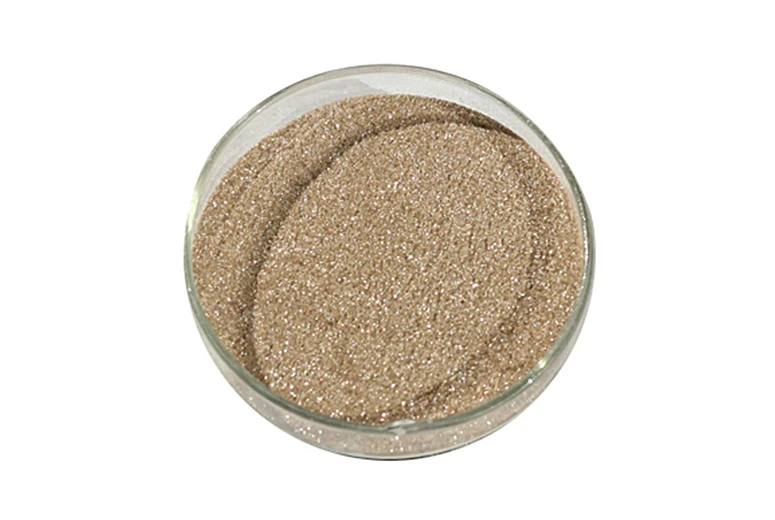
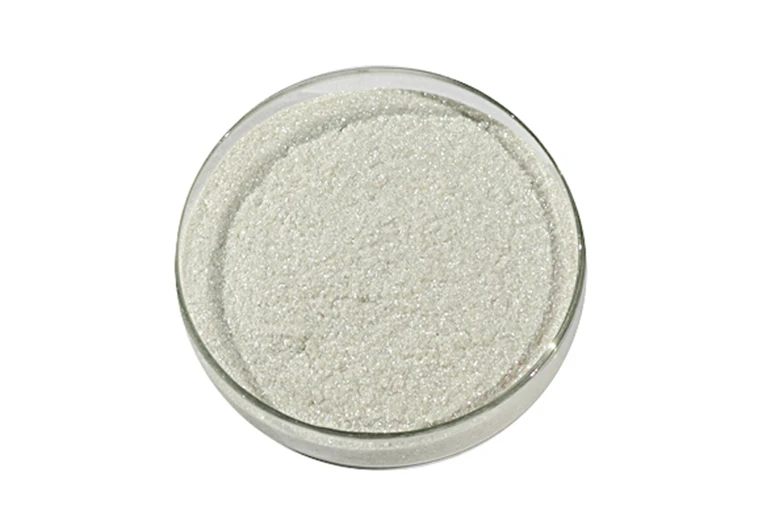
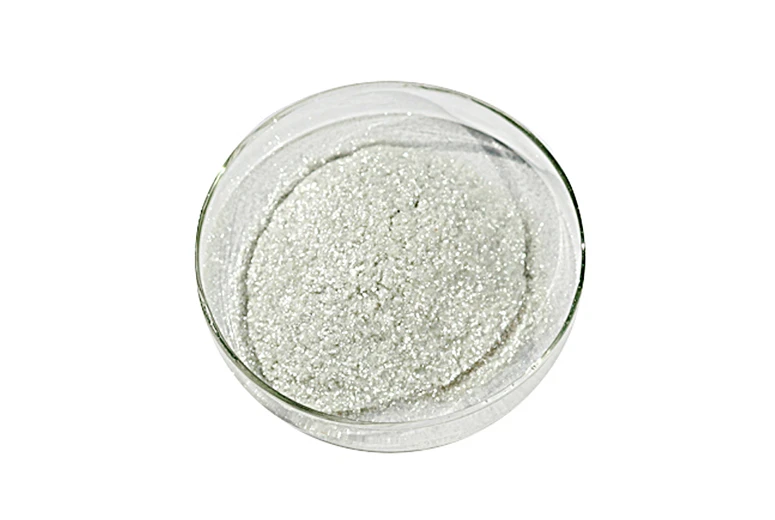
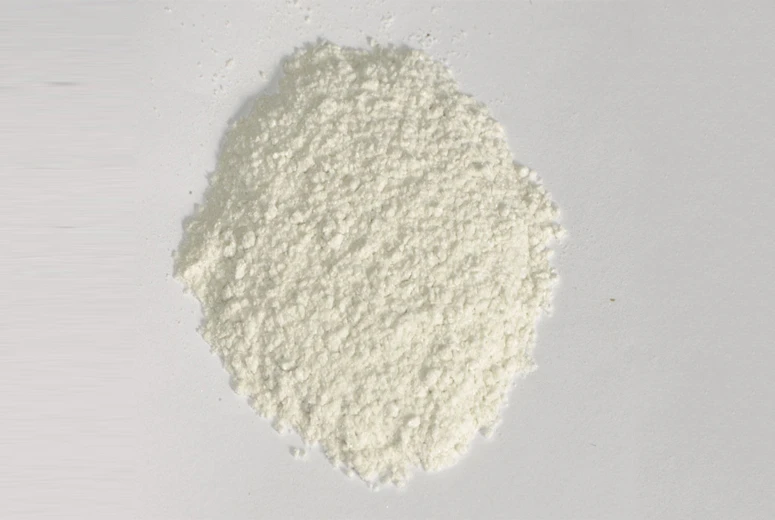
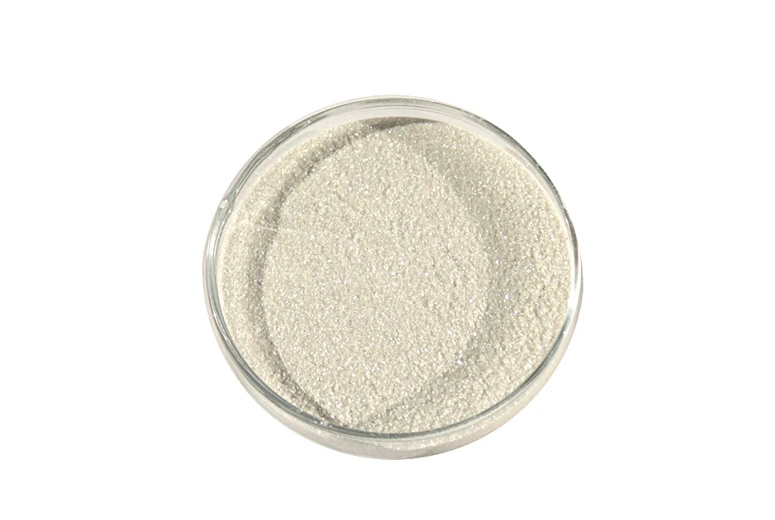
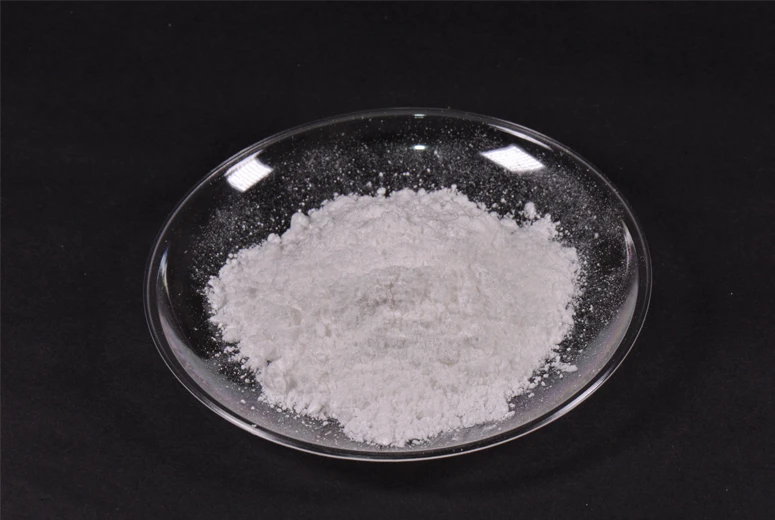
Simply put, mica powder is tiny particles of the mica mineral ground down to a smooth, glittering powder suitable for cosmetics. When we ask “is mica powder safe for skin,” we’re chiefly concerned about:
- Skin compatibility: Does it cause irritation, allergies, or clog pores?
- Purity and contaminants: Is the mica free from harmful chemicals or heavy metals?
- Particle size: Smaller particles may penetrate skin or be inhaled.
In essence, the safety assessment depends on the powder’s grade, the source, refinement processes, and individual skin sensitivity—all combined to inform manufacturers’ formulations and regulatory guidelines.
Key Factors Affecting Mica Powder Safety
1. Purity & Refinement
Raw mica contains trace amounts of other minerals and sometimes heavy metals. Cosmetic-grade mica undergoes rigorous purification to remove impurities, reducing risks of skin irritation or toxicity. That’s why reputable brands only source mica tested to meet ISO or USP standards.
2. Particle Size & Formulation
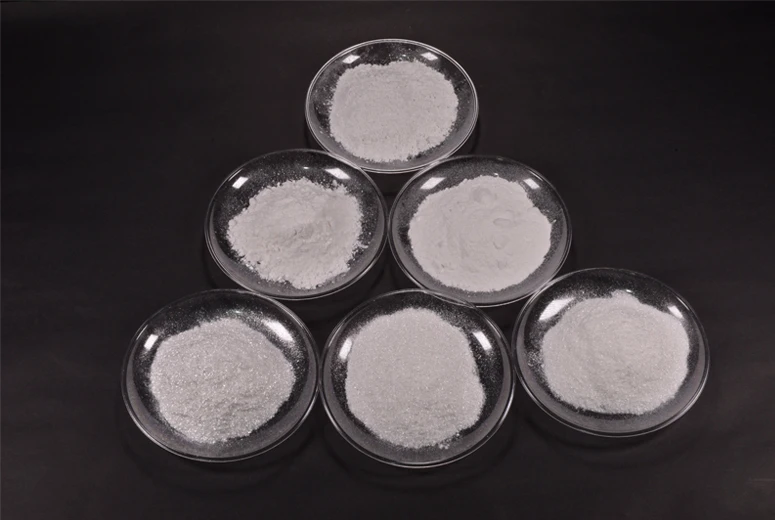
Mica powders vary in mesh size—from ultrafine for eyeshadows to coarser grades for body shimmer. Ultrafine mica offers better adhesion but may pose inhalation hazards if misused. Incorporating mica into creams, gels, or oils can enhance safety by reducing airborne particles.
3. Source Ethics & Sustainability
Mining mica responsibly affects environmental footprint and worker wellbeing. Ethical mica sourcing also indirectly ensures better control over quality, which ties back to safety. The global push for “ethical mica” certification is gaining momentum in beauty supply chains.
4. Regulatory Oversight
Agencies like the FDA in the US or the European Commission evaluate mica’s safety annually. Current approvals confirm mica powder is generally safe for topical use but advise caution with inhalation exposure. Compliance with these standards gives extra assurance.
Global Applications & Use Cases of Mica in Skin Products
Mica finds a home not only in cosmetics but also skin care products where shimmer is subtle and functional, like sunscreens and moisturizers. Western markets like the US and Europe demand high-quality, clean-label mica powders, while emerging markets in Asia and South America are seeing a surge in natural product popularity.
Interesting to note, mica’s reflective properties have even been explored beyond beauty—such as in thermal barrier coatings for skin protection during certain medical treatments (though still experimental). But in real terms, its everyday use remains most visible in:
- Highlighters and bronzers for face and body
- Eye shadows and lipsticks for sparkle
- Foundation and powders to add luminous finish
Mica Powder Specifications for Skin Use
| Specification | Typical Range | Notes |
|---|---|---|
| Particle size | 5–40 microns | Finer particles for eyeshadows |
| Purity | >99.5% | Cosmetic-grade, free of heavy metals |
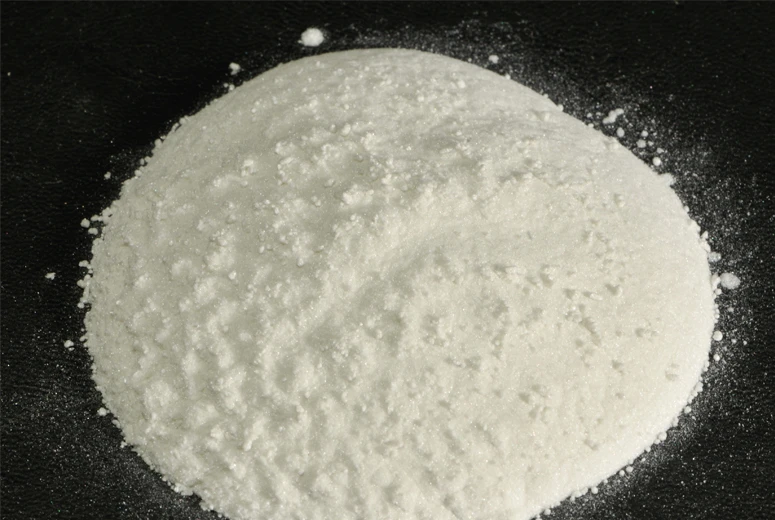
| Color | White to off-white, some pearlescent | Natural shimmering effect |
| Humidity | < 1% | Ensures anti-caking and flow |
Vendor Comparison: Leading Mica Suppliers for Skin-Grade Powders
| Supplier | Ethical Sourcing | Particle Sizes Offered | Certifications | Price (per kg) |
|---|---|---|---|---|
| HJMica Inc. | Fair Trade Certified | 5-20 microns | ISO 9001, ECOCERT | $45 |
| GlobalMinerals Co. | Partial Certification | 10-40 microns | ISO 14001 | $38 |
| PureMinerals International | No Certification | Various | None | $30 |
Advantages & Long-Term Value of Using Mica Powder for Skin
Frankly, mica powder offers unmatched luminosity with minimal adverse effects when responsibly sourced and properly refined. Its benefits touch on multiple aspects:
- Cost-effectiveness: It’s a natural ingredient with a relatively low price point compared to synthetic glitters.
- Sustainability: When ethical mining practices are followed, mica is renewable and environmentally friendlier than plastics.
- Skin safety & aesthetics: Non-toxic, non-comedogenic mica lends a soft, radiant finish without clogging pores.
- Consumer trust: Transparency about mica sourcing builds loyalty for brands committed to responsible beauty.
And emotionally? The subtle shimmer adds confidence, joy, and that little spark of self-expression that we all crave from cosmetics. So, safety isn’t just about clinical data—it's about user experience too.
Future Trends & Innovations in Mica Use for Skin Products
In coming years, advances in nanotechnology and biodegradable formulations may revolutionize mica’s skin applications. For example, micro-encapsulation could reduce inhalation risk while boosting pigment longevity. Digital transformation in supply chains is enabling better traceability, assuring ethical standards.
Moreover, green alternatives and lab-grown mica variants are being researched to reduce mining impact. Some startups explore combining mica with skincare actives for a dual aesthetic and therapeutic function. It’s an exciting frontier where safety, beauty, and technology blend.
Challenges & Solutions: Navigating Mica Safety
That said, challenges remain. The biggest issues are batch consistency, inhalation risks especially in powdered makeup, and ethical sourcing complexities. But manufacturers are responding by:
- Improving micronization processes to control particle size
- Using mica in suspended liquid formulas rather than loose powders
- Partnering with fair trade organizations
- Developing certification systems like “Responsible Mica Initiative”
So while no ingredient is without nuance, ongoing innovation and accountability help keep mica powder safe for skin—as safe as any luxury product should be.
Frequently Asked Questions About Is Mica Powder Safe for Skin
- Q: Can mica powder cause skin irritation or allergies?
- A: Generally, mica is inert and non-irritating for most skin types. However, those with extremely sensitive skin should patch test first. Cosmetic-grade mica is processed to remove contaminants, minimizing allergy risks.
- Q: Is inhaling mica powder dangerous?
- A: Inhalation of fine mica dust over extended periods can pose respiratory hazards, especially for workers. Consumers using mica in pressed or cream products have minimal inhalation risk. Proper manufacturing safety standards mitigate this.
- Q: How can I verify the quality of mica powder in my cosmetics?
- A: Look for products with certification seals (ISO, ECOCERT) and transparency about sourcing. Offline or online vendors like HJMica often share detailed test reports that prove purity and safety.
- Q: Does mica powder clog pores or cause acne?
- A: No, mica is non-comedogenic and typically safe for acne-prone skin when formulated correctly. Combined with non-oily carriers and preservatives, it enhances shimmer without blocking pores.
- Q: Are synthetic glitters safer than natural mica powders?
- A: Synthetic glitters often consist of microplastics that are environmentally damaging and sometimes skin-irritating. Natural mica is biodegradable and widely accepted as safer when ethically sourced and refined.
Conclusion & Call to Action
To wrap it all up, yes—mica powder is safe for skin when sourced responsibly, refined carefully, and used in compliant formulations. It delivers unmatched glow, affordability, and sustainability in cosmetics, resonating with both consumers and brands striving for ethical beauty. For those curious or involved in cosmetic formulation, it’s worth learning more about your mica supply chain and insisting on transparent, certified standards.
If you want to dive deeper into ethical mica sourcing and quality standards, I invite you to visit our website: https://www.hjmica.com — a trusted source with decades of experience and detailed resources on this fascinating mineral.
By broadening your understanding of mica powder safety, you join a global movement toward better, safer beauty standards that honor both people and planet.
References:
-
Ultimate Guide to Using High Quality Pearl Paint Pigment for LusterNewsApr.16,2026
-
Elevating Automotive Aesthetics with Mica Powder Car PaintNewsApr.09,2026
-
Unlock Stunning Effects with Mica Powder for Paint ApplicationsNewsApr.07,2026
-
Comprehensive Guide to Mica Dye Powder Applications and BenefitsNewsApr.04,2026
-
Unlocking the Brilliance of Mica Pigment Paint for Diverse ApplicationsNewsMar.31,2026
-
Enhancing Concrete Performance with Durable Mica Chips for Concrete ApplicationsNewsMar.28,2026