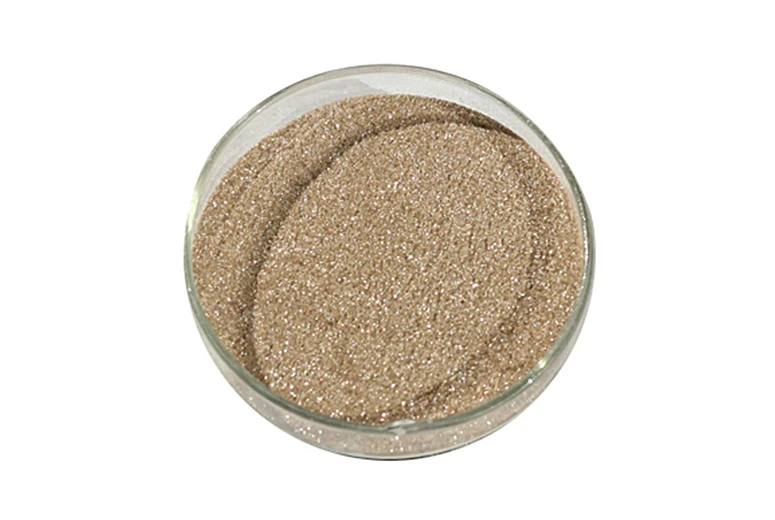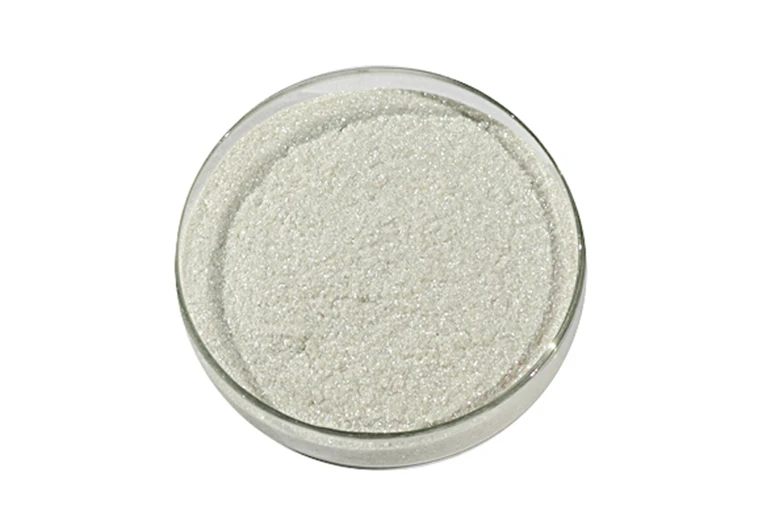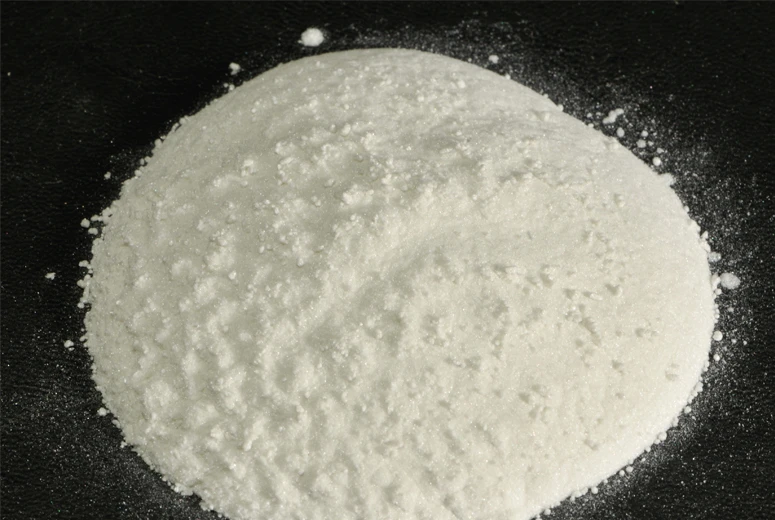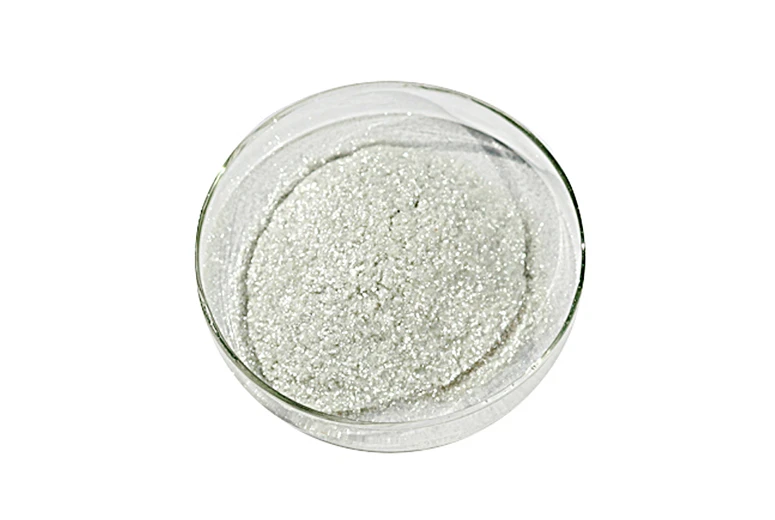

Natural Pigment Powder for Cosmetics: Sustainable Colors for Modern Beauty
Understanding Natural Pigment Powder for Cosmetics: Why It Matters Today
If you’ve ever wondered what makes your favorite lipstick or eyeshadow stand out—not just in color but in safety and sustainability—the answer often involves natural pigment powder for cosmetics. These powders are not just about pretty hues; they carry global importance for health, environment, and innovation in beauty products. In a world increasingly concerned with eco-friendliness and skin safety, understanding natural pigment powders is key.
Worldwide, the cosmetic market has been soaring, with the global beauty industry valued over $500 billion as of 2023¹. Consumers now demand products that avoid synthetic chemicals, meaning natural pigment powders have leapt from niche to mainstream. But why? Because these powders offer vivid colors without the harsh side effects of synthetic dyes, supporting both personal and planetary health.
Global Context: An Industry Shift Towards Natural Pigments
The global relevance of natural pigment powder for cosmetics can’t be overstated. According to the International Organization for Standardization (ISO), consumers are looking for safer alternatives in cosmetics due to health concerns and tighter regulations. The UN Environment Programme has also spotlighted cosmetics as a contributor to pollution, intensifying the push for sustainable ingredients.
However, the challenge remains: achieving vibrant, long-lasting cosmetic colors without synthetic additives that can irritate skin or harm ecosystems. Natural pigment powders answer this with bio-based colors extracted from minerals, plants, and other natural resources. It’s a balance of innovation and tradition, scaled up to meet global demands.
What Is Natural Pigment Powder for Cosmetics?
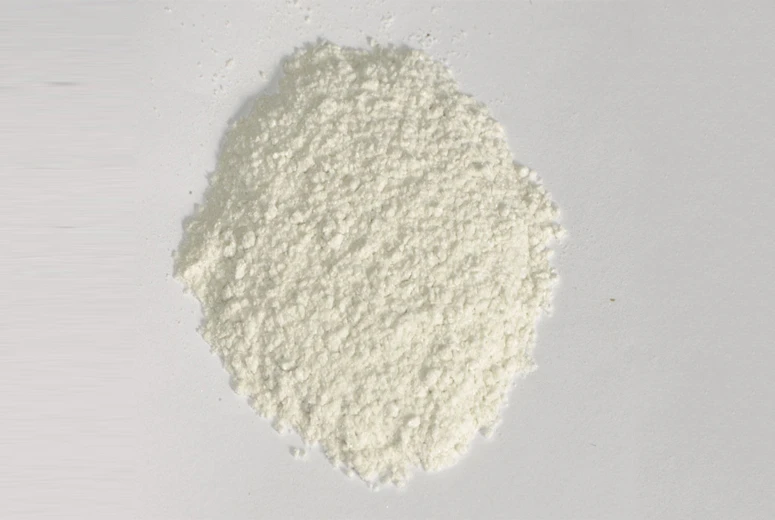
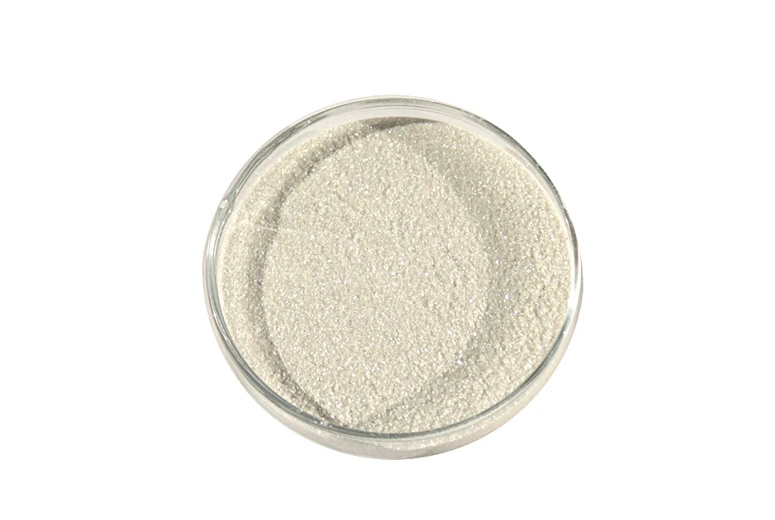
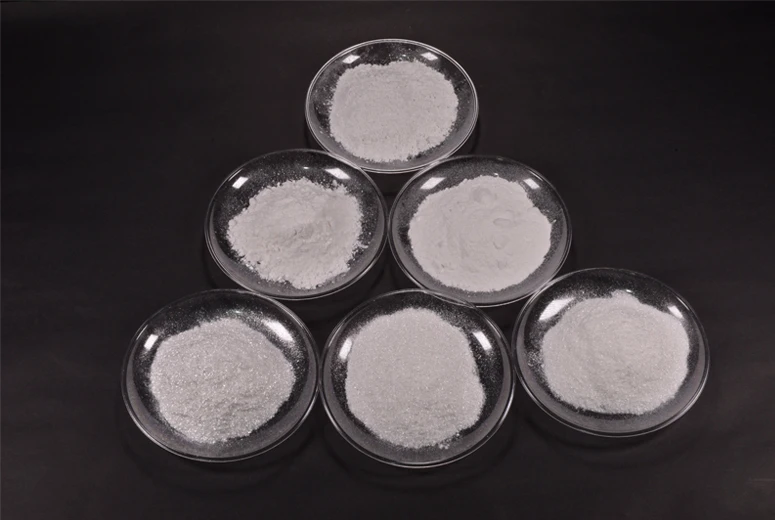
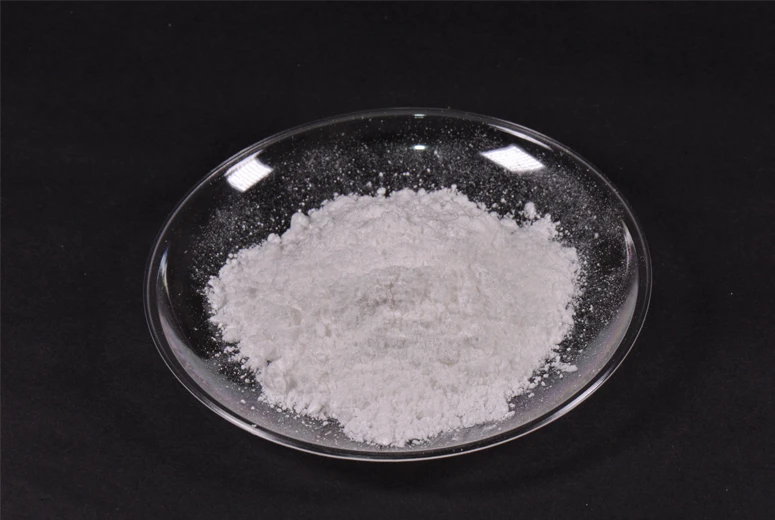
At its core, natural pigment powder for cosmetics refers to finely ground materials derived from natural sources that provide color to cosmetic products. Unlike synthetic dyes, these powders come from earth minerals like iron oxides, or from botanical extracts, ensuring they're free from petroleum-based chemicals.
The powders typically undergo purification to remove impurities but remain close to their original source, thus preserving their non-toxic and hypoallergenic qualities—a big plus for sensitive skin. This makes them a natural fit not only for luxury cosmetic lines but also for humanitarian efforts where safety and skin health matter.
Core Components of Natural Pigment Powders
1. Durability
One key aspect is how long the pigment’s color lasts when applied. Natural powders boast excellent stability against light and oxidation, which translates to longer wear for makeup users—a vital attribute in competitive markets.
2. Color Range
While once limited to earthy tones, advances in extraction and processing now allow a wider spectrum of natural hues, giving cosmetic formulators more options to meet diverse skin tones and style trends.
3. Safety & Skin Compatibility
Because they’re free from synthetic heavy metals and allergens, these pigments reduce risks of skin irritation and allergic reactions. This is especially crucial for hypoallergenic and organic cosmetic brands.
4. Cost & Scalability
Natural pigments can vary in cost depending on source rarity and processing. However, scalable production methods and increased cultivation of pigment-rich plants help keep costs competitive.
5. Environmental Impact
Extraction and processing methods strive to minimize environmental footprints, focusing on sustainable farming and eco-friendly purification processes—from using water-based extraction instead of solvents to ethical mining practices.
Product Specifications: Typical Natural Pigment Powder
| Specification | Details |
|---|---|
| Color Range | Earth tones, reds, yellows, greens |
| Particle Size | 3 - 15 microns (consistent for smooth application) |
| Purity | > 98% natural content |
| Heavy Metals | Compliant with EU cosmetic regulations |
| Solvent Use | Water-based extraction preferred |
| Shelf Life | 18-24 months (if stored properly) |
Mini takeaway: Natural pigment powders incorporate durability, broad color selection, and safety, offering a sustainable alternative that meets modern cosmetic demands.
Where Are Natural Pigment Powders Used Globally?
These powders have found broad applications:
- Asia and Europe: Leaders in organic cosmetics heavily rely on mineral-based natural pigments for foundations and eye makeup.
- North America: The rise of cruelty-free and vegan brands makes natural pigments a key ingredient.
- Humanitarian contexts: NGOs developing skincare products for post-disaster relief zones prefer natural powders to avoid allergic reactions on damaged skin.
- Industrial uses: Some pigments serve in eco-friendly art supplies and textile dyeing processes.
For example, a natural pigment supplier recently partnered with a cosmetics NGO to produce safe makeup kits for refugee women, marrying sustainability with social impact.
Vendor Comparison: Popular Natural Pigment Suppliers
| Vendor | Source Materials | Certifications | Price Range (per kg) | Sustainability Practices |
|---|---|---|---|---|
| EarthPure Minerals | Iron oxides, clays | ISO 9001, ECOCERT | $25 - $40 | Responsible mining, low-waste processing |
| BioColor Naturals | Plant extracts (beetroot, turmeric) | USDA Organic, Vegan | $35 - $50 | Organic farming, water-based extraction |
| MineralGlow Co. | Mixed minerals & clays | ISO 13485, GMP | $20 - $38 | Ethical sourcing, recyclable packaging |
Mini takeaway: Selecting the right vendor depends on desired pigment type, price sensitivity, and sustainability goals—something every cosmetic formulator wrestles with.
Advantages & Long-Term Value of Natural Pigment Powder for Cosmetics
Beyond the obvious eco-friendliness, natural pigment powders deliver tangible benefits you might overlook at first glance:
- Cost-effective in the long run: Fewer toxic side effects mean less customer complaints and returns.
- Social responsibility: Brands can market naturally, boosting consumer trust and loyalty.
- Innovation-friendly: They blend well with other organic ingredients, inspiring novel product lines.
- Emotional impact: Users often report feeling safer and more confident using products free of synthetic harsh chemicals.
Emerging Trends and Innovations
New developments are promising. Digital color matching technology now helps manufacturers better replicate natural shades consistently. Also, biotech startups are exploring fermentation to produce pigment powders sustainably, cutting down on raw material extraction.
Sustainability policies in countries across Europe and North America increasingly push companies toward natural pigments, with incentives for eco-labeling and reduced carbon footprints.
Challenges & How Industry Experts Solve Them
Natural pigments sometimes face challenges like batch variability or limited color vibrancy compared to synthetic options. Also, cost and supply chain stability can worry product developers.
Yet, advances in quality control, improved pigment extraction methods, and diversified sourcing help mitigate these issues. Frankly, many R&D teams now view these challenges as opportunities for innovation rather than barriers.
FAQ: Your Questions About Natural Pigment Powder for Cosmetics
Q1: Are natural pigment powders safe for sensitive skin?
Yes, most natural pigment powders are hypoallergenic and free from harsh chemicals, making them suitable for sensitive skin. However, always patch test new cosmetics to ensure individual compatibility.
Q2: Can natural pigment powders match synthetic colors in vibrancy?
While synthetic colors often offer a broader spectrum, modern processing techniques have improved natural powders’ vibrancy. They’re especially excellent for muted, earthy tones.
Q3: How long do cosmetics with natural pigments last compared to synthetic?
Natural pigments are quite durable and can maintain their color integrity over typical product shelf lives, often up to 24 months, assuming proper storage.
Q4: Are natural pigment powders more expensive?
They can be pricier upfront due to sourcing and processing, but the reduced health risks and consumer trust frequently offset cost differences.
Q5: Where can formulators source quality natural pigment powders?
Trusted vendors like EarthPure Minerals or BioColor Naturals provide certified powders. For those looking into details, visit a reliable supplier such as our partner at natural pigment powder for cosmetics.
Conclusion: Embracing Natural Pigments for a Safer, More Sustainable Future
To wrap up, natural pigment powder for cosmetics isn’t just a trend—it’s a deliberate shift towards safer, greener, and more ethical beauty. While challenges remain, ongoing innovations and growing consumer awareness make these powders a powerful ingredient in the beauty industry’s future.
If you’re looking to explore superior, eco-friendly pigment options or want to understand how natural powders can enhance your products, visit our website to learn more.
Reflection: As our industry evolves, I can’t help but feel optimistic about these naturally derived ingredients. They remind us that sometimes, looking back to nature is the best way to move forward.
References
-
Ultimate Guide to Using High Quality Pearl Paint Pigment for LusterNewsApr.16,2026
-
Elevating Automotive Aesthetics with Mica Powder Car PaintNewsApr.09,2026
-
Unlock Stunning Effects with Mica Powder for Paint ApplicationsNewsApr.07,2026
-
Comprehensive Guide to Mica Dye Powder Applications and BenefitsNewsApr.04,2026
-
Unlocking the Brilliance of Mica Pigment Paint for Diverse ApplicationsNewsMar.31,2026
-
Enhancing Concrete Performance with Durable Mica Chips for Concrete ApplicationsNewsMar.28,2026