
Fluorphlogopite Synthetic: Essential Industrial Insulation Material
Fluorphlogopite Synthetic: The Unsung Hero of Industrial Insulation
Having spent more than a decade navigating the intricate world of industrial materials, I can honestly say fluorphlogopite synthetic has quietly become one of those subtle game-changers. It’s not always headline-grabbing like some flashy new composite, but in many applications, especially electrical and thermal insulation, it’s a top performer. Frankly, the more I’ve worked with it, the more I’m convinced it's a material that deserves more spotlight.
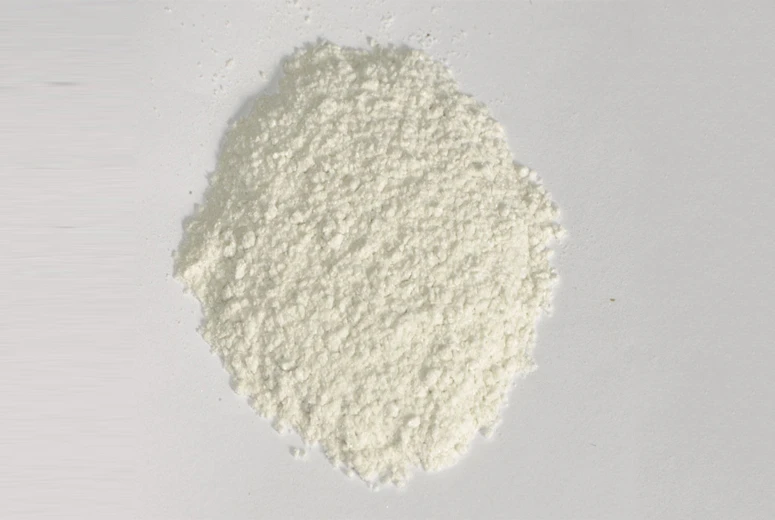
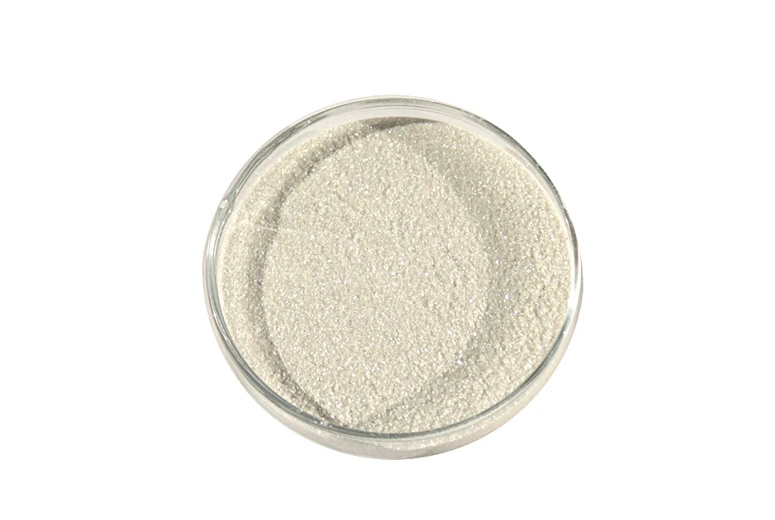
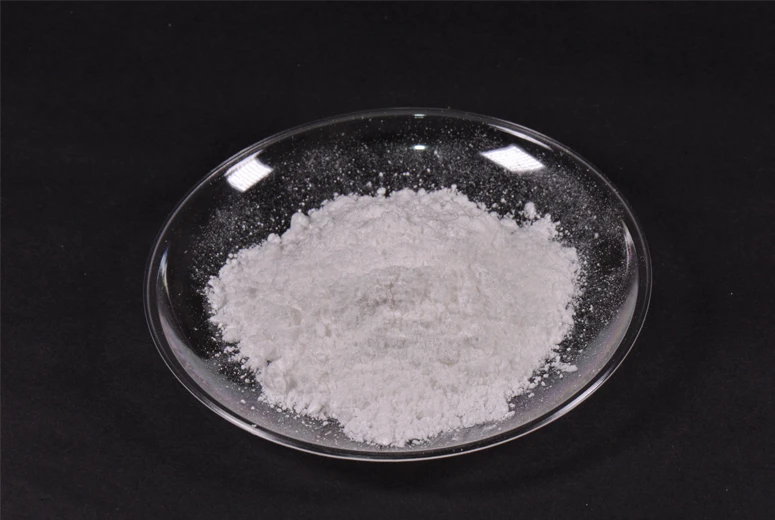
Oddly enough, fluorphlogopite is a mica variant, but synthetic and enhanced to provide superb thermal stability, high dielectric strength, and chemical resistance. If you’re in industries like electronic manufacturing, aerospace, or even high-end lighting, you’ve probably encountered materials made from this specialized synthetic mineral. What’s always fascinated me is its consistency — unlike natural mica, which can be unpredictable due to impurities and variable crystal sizes, synthetic fluorphlogopite offers uniform performance batch after batch.
Let me share a quick story: a client once approached me frustrated that their mica-based insulation pads were failing prematurely under high voltage conditions. We switched to fluorphlogopite synthetic, and not only did the pads last longer, but the manufacturing line reported fewer rejects and better overall reliability. It feels like this material breathes reliability in those tough environments.
Understanding Fluorphlogopite Synthetic’s Key Features
At its core, fluorphlogopite synthetic is prized for:
- High dielectric strength—critical for insulation in electrical equipment
- Wide thermal stability—can handle from -60°C up to roughly 900°C without degradation
- Chemical inertness—that means it won’t react with most solvents or acids
- Excellent flexibility compared to traditional mica sheets, letting it conform easier to complex shapes
In real terms, this means less downtime, less waste, and often a leaner manufacturing process because the material tolerates aggressive environments without specialist treatment.
| Property | Typical Value | Unit |
|---|---|---|
| Dielectric Strength | 45 - 50 | kV/mm |
| Thermal Stability | -60 to +900 | °C |
| Moisture Absorption | < 0.1 | % |
| Tensile Strength | 35 - 40 | MPa |
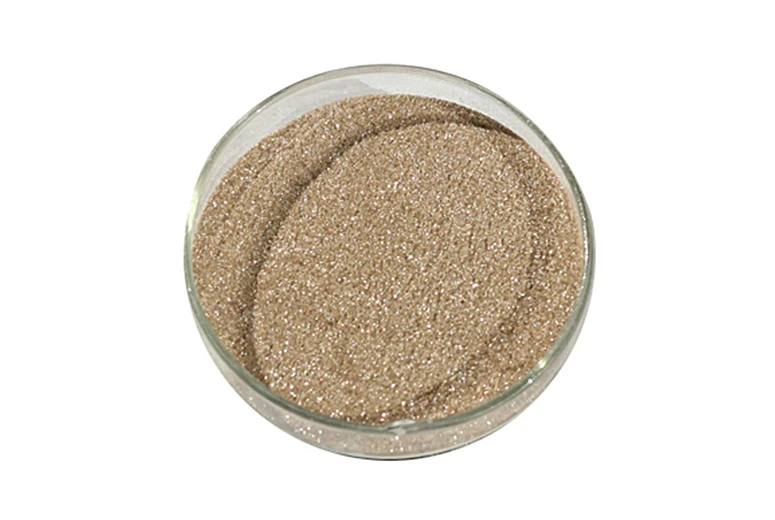
| Color | Light brown to amber | — |
Comparing Fluorphlogopite Synthetic Vendors: What to Look For
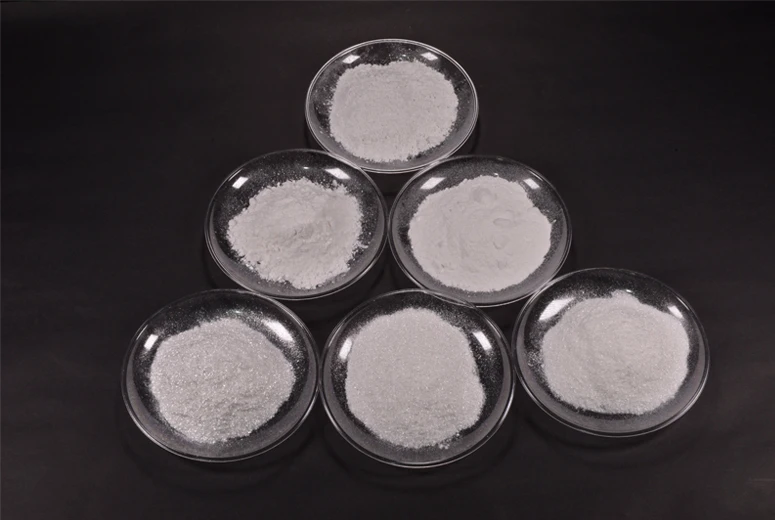
Not all synthetic fluorphlogopite is created equal. You’ll find differences in purity, physical form (sheet, powder, or flakes), and even compliance with industry standards like RoHS or UL. Having dealt with several suppliers over the years, I find that understanding the nuances can be the difference between smooth manufacturing and frequent headaches.
| Vendor | Purity (%) | Available Forms | Compliance | Typical Lead Time |
|---|---|---|---|---|
| HJMica | 99.8 | Sheets, Flakes, Powder | RoHS, REACH | 2–3 weeks |
| Supplier A | 97.4 | Sheets Only | RoHS | 4–6 weeks |
| Supplier B | 98.5 | Powder, Flakes | None | 3–5 weeks |
Based on my experience, working with a vendor like HJMica who specializes in high purity fluorphlogopite synthetic and offers multiple product forms makes life much easier when custom tailoring your component needs. Especially if you’re adapting to tight production schedules, their consistent quality pays off.
Why Fluorphlogopite Synthetic Matters in Today’s Industry
There’s been a growing demand recently for materials that combine electrical insulation with mechanical flexibility. It feels like industries are moving toward miniaturized, multifunctional devices—and that’s where synthetic fluorphlogopite is hitting its stride. Since you can integrate it into thin films and rolls, it’s a natural fit for flexible electronics or compact transformers.
Plus, its environmental stability means fewer surprises. You don’t get the sudden insulation failure from moisture or thermal cycling that natural minerals sometimes throw at you. It’s a subtle kind of peace of mind, but absolutely critical if you ask the engineers on the factory floor.
In the grand scheme of industrial materials, it’s not the flashiest kid on the block, but synthetic fluorphlogopite definitely earns a spot in the toolbox for any engineer serious about reliability and durability.
Well, that’s my take on it — if you’ve ever pumped up runs with lesser mica materials, switching over can feel like upgrading from a bumpy country road to a freshly paved highway. Smooth, reliable, and efficient.
References:
1. Industry datasheets and whitepapers on synthetic mica variants.
2. Interviews with insulation product engineers.
3. Vendor technical specification documents from HJMica and others.
-
Ultimate Guide to Using High Quality Pearl Paint Pigment for LusterNewsApr.16,2026
-
Elevating Automotive Aesthetics with Mica Powder Car PaintNewsApr.09,2026
-
Unlock Stunning Effects with Mica Powder for Paint ApplicationsNewsApr.07,2026
-
Comprehensive Guide to Mica Dye Powder Applications and BenefitsNewsApr.04,2026
-
Unlocking the Brilliance of Mica Pigment Paint for Diverse ApplicationsNewsMar.31,2026
-
Enhancing Concrete Performance with Durable Mica Chips for Concrete ApplicationsNewsMar.28,2026