
Is Mica Natural or Synthetic? Industrial Insights on Mica Types
The Real Deal: Is mica natural or synthetic?
Having spent over a decade knee-deep in the industrial equipment world, I’ve handled my fair share of materials with curious properties. But mica — well, mica’s a special case. It’s a mineral that’s been around for ages and yet, the whole natural vs. synthetic question pops up often. So let’s get to the bottom of it, with a practical lens.
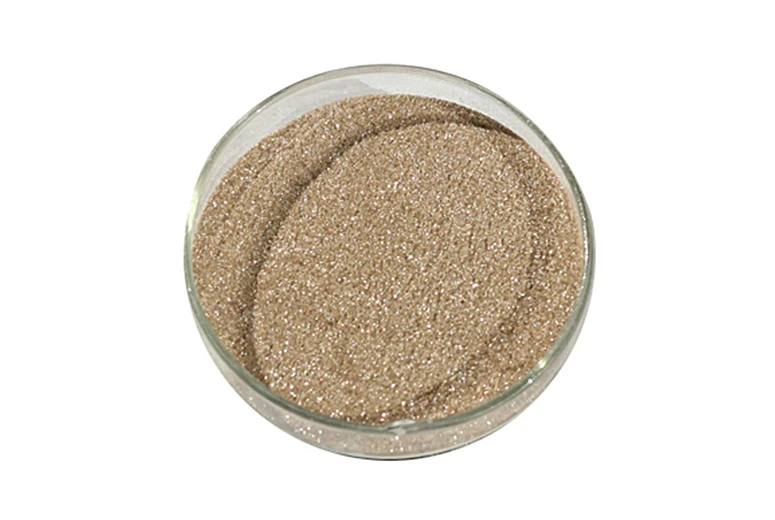
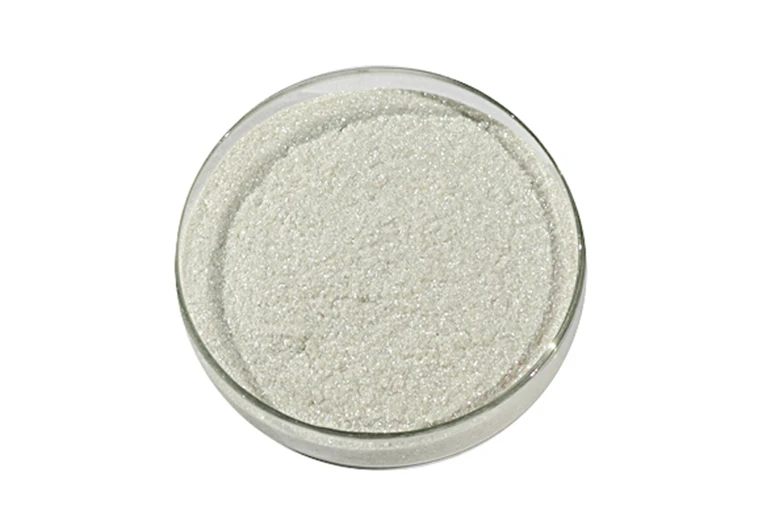
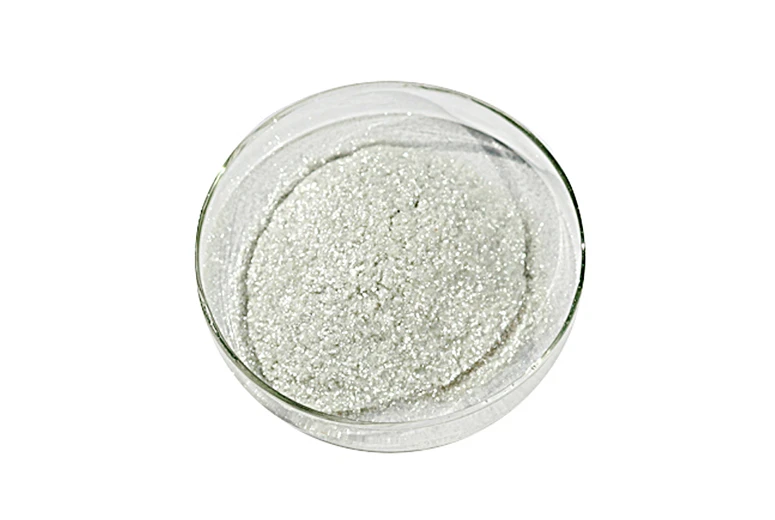
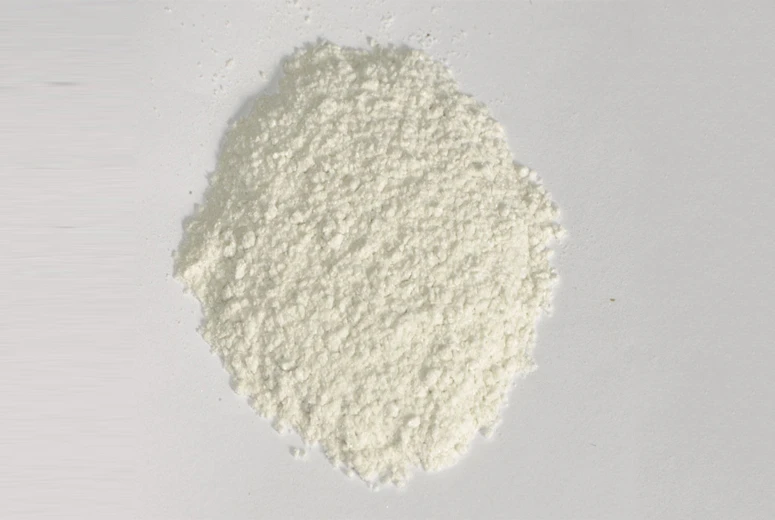
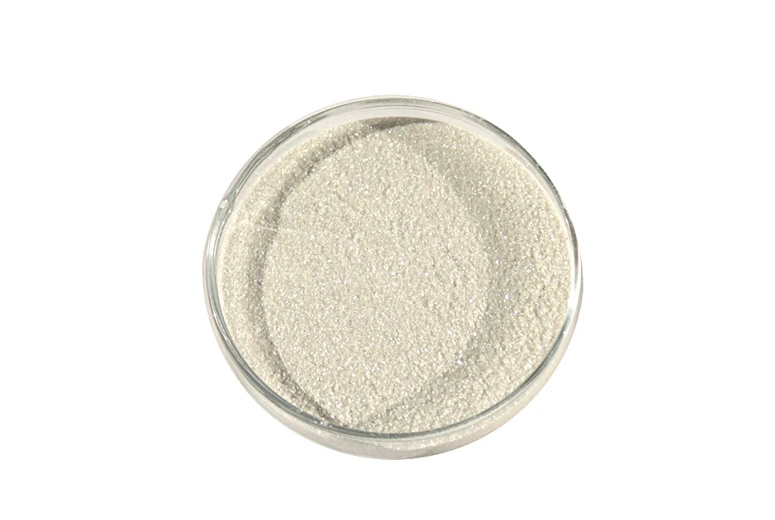
First off, mica primarily exists as a natural mineral. It’s actually a group of silicate minerals, known for their unique sheet-like crystal structure. You might know mica as the flaky, somewhat shiny stuff in electronics, insulation, or even cosmetics. Oddly enough, its natural form is prized for its excellent heat resistance, electrical insulation, and flexibility. In the industrial sectors, it’s relied on for things like thermal blankets or capacitor sheets—applications where reliability counts.
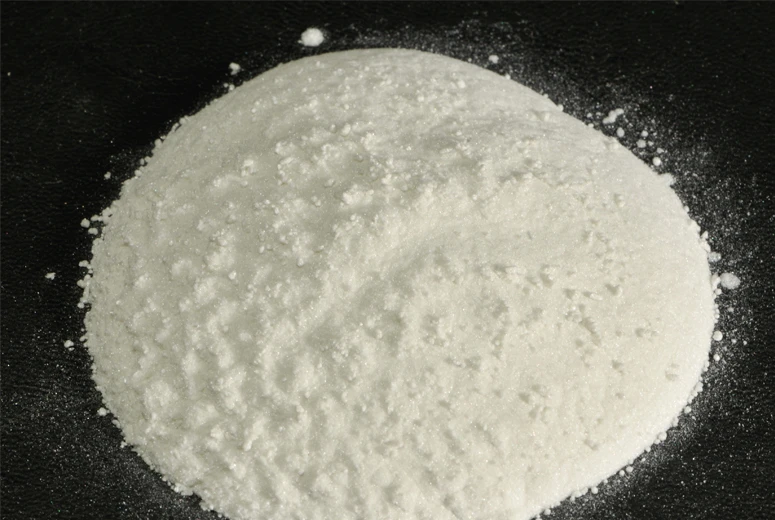
That said, synthetic mica does exist, but for very specific use-cases. It’s typically engineered to achieve uniformity or purity levels that natural deposits sometimes can’t provide. But here’s the kicker: synthetic mica is a bit pricey and less common. Many engineers I’ve chatted with actually prefer natural mica simply because it’s time-tested, readily available, and surprisingly consistent when sourced well.
From an industry point of view, natural mica comes with the bonus of being environmentally more straightforward. Mining practices have matured, and reputable suppliers like mica providers often emphasize sustainable extraction and quality controls. Meanwhile, synthetic mica manufacturing involves energy-intensive processes and is usually reserved for niche electronics or cosmetic grades where purity is paramount.
Product-wise, natural mica’s specs vary a little by source, but here’s a simplified overview to give you a real feel:
| Property | Natural Mica | Synthetic Mica |
|---|---|---|
| Purity | 85-98% | ≥99% |
| Heat Resistance | Up to 900°C | Up to 1000°C |
| Electrical Insulation | Excellent | Excellent |
| Availability | Wide | Limited |
| Environmental Impact | Sustainably sourced | Higher energy use |
Now, when choosing between vendors, it’s not just about natural vs. synthetic (though that’s definitely important). Quality consistency, surface finish, sheet thickness, and compliance with specs matter hugely. To give you a sense of the landscape, here’s a quick vendor comparison of some known mica suppliers:
| Vendor | Product Range | Certifications | Lead Time | Typical Application |
|---|---|---|---|---|
| H.J. Mica | Natural mica sheets, flakes | ISO 9001, REACH | 2-4 weeks | Electrical insulation, heating elements |
| Synthetic Mica Co. | Synthetic mica powder & films | RoHS, ISO 14001 | 4-6 weeks | Specialty electronics, cosmetics |
| Global Mica Ltd. | Natural mica, ground mica | ISO 9001 | 3-5 weeks | Thermal insulation, fillers |
I once worked with a client who needed mica for a custom heating element in a tough industrial setting. They were adamant about natural mica, worried synthetic might not withstand the heat cycles. After some testing, the natural sheets from a trusted supplier delivered without a hitch for over a year. It really reinforced to me how “natural” here isn’t just about the source but the proven performance.
So, if you’re asking, “Is mica natural or synthetic?” — the honest answer is mostly natural, with synthetic as a specialty variant. For industrial equipment uses like heat shields and insulators, natural mica holds its ground and often your best bet. Synthetic versions are more for labs and niche applications where purity or particle size really matters.
At the end of the day, know your application, verify supplier quality, and don’t be afraid to ask for samples. In real terms, mica remains a quietly indispensable mineral — natural, reliable, and tested through decades of industrial grit.
Stay curious — material science isn’t just about specs; sometimes it’s about trust built over time.
References:
- USGS Mineral Resources - Mica Statistics and Information
- Industrial Applications of Mica - Journal of Materials Engineering
- Mica Supplier Websites and Product Datasheets
-
Ultimate Guide to Using High Quality Pearl Paint Pigment for LusterNewsApr.16,2026
-
Elevating Automotive Aesthetics with Mica Powder Car PaintNewsApr.09,2026
-
Unlock Stunning Effects with Mica Powder for Paint ApplicationsNewsApr.07,2026
-
Comprehensive Guide to Mica Dye Powder Applications and BenefitsNewsApr.04,2026
-
Unlocking the Brilliance of Mica Pigment Paint for Diverse ApplicationsNewsMar.31,2026
-
Enhancing Concrete Performance with Durable Mica Chips for Concrete ApplicationsNewsMar.28,2026