
Synthetic Mica Vs Natural Mica – Which is Best for Industrial Applications? | HJMica
Synthetic Mica Vs Natural Mica is a key solution in the industry, specifically within electrical insulation, cosmetics, and automotive sectors. This article explores how https://www.hjmica.com supports professionals with durable, high-performance products, and explains why this product is an ideal choice for businesses in these sectors.
Table of Contents
- Synthetic Mica Vs Natural Mica Overview
- Benefits & Use Cases of Synthetic Mica Vs Natural Mica
- Cost, Maintenance & User Experience
- Sustainability & Market Trends
- Frequently Asked Questions
- Conclusion on Synthetic Mica Vs Natural Mica from China
Synthetic Mica Vs Natural Mica Overview
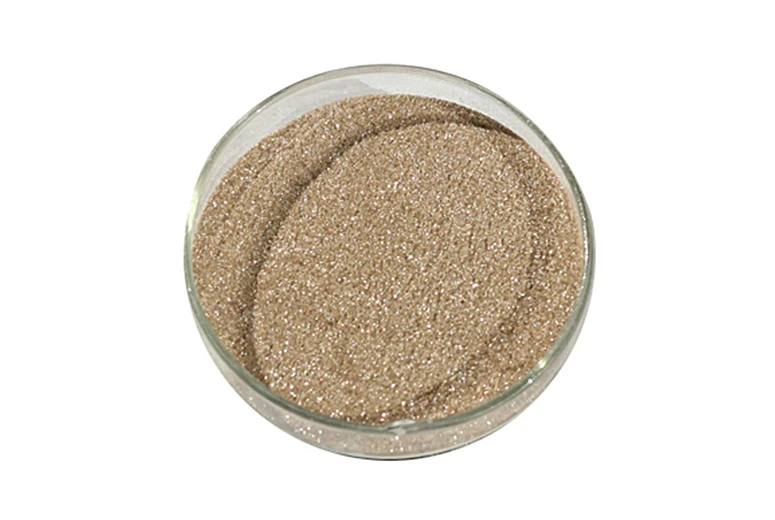
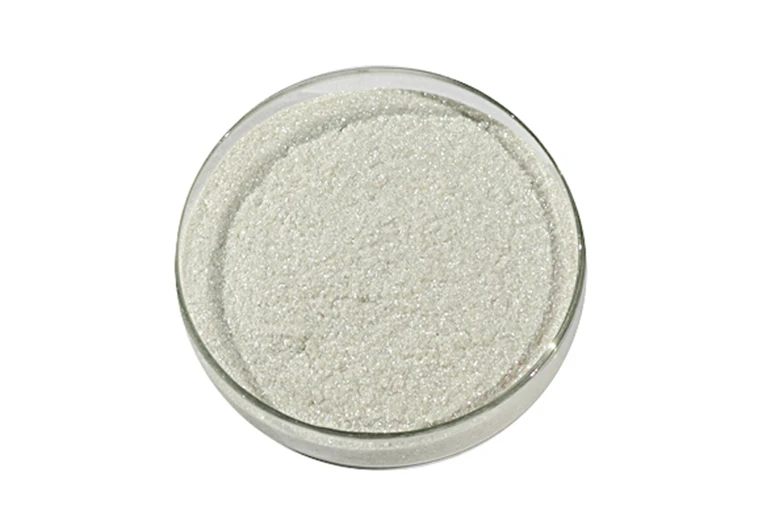
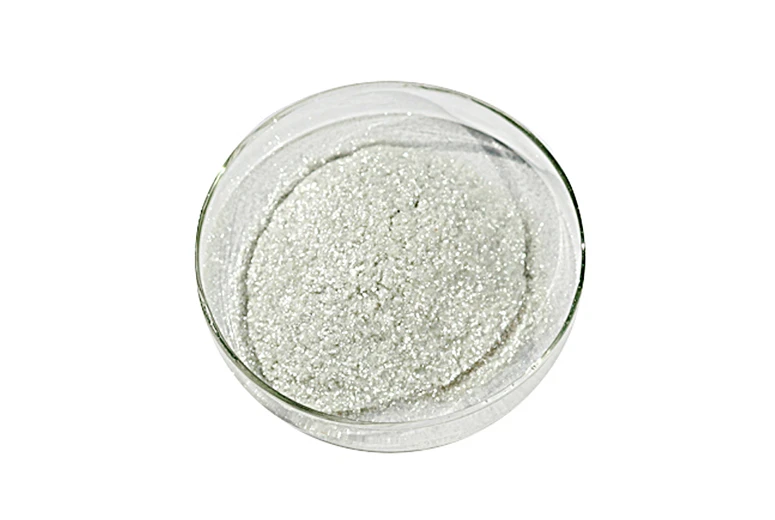
Synthetic and natural mica both serve as essential materials in multiple industries, but understanding their subtle differences is crucial for B2B decision makers. Synthetic mica is a lab-engineered variant, produced under controlled conditions to ensure consistent purity, superior chemical stability, and uniform physical properties. Natural mica, meanwhile, is mined from the earth, with qualities that vary based on geographic source and processing methods. This makes synthetic mica a fascinating choice when precise performance is needed.
To give a bit of context, synthetic mica typically offers improved thermal resistance and dielectric strength compared to its natural counterpart. This isn't just theoretical — in electrical insulation applications, synthetic mica withstands higher voltages and temperatures before breaking down. Its layered crystalline structure can be finely tuned during production, leading to remarkably uniform particle size and shape.
| Specification | Synthetic Mica | Natural Mica |
|---|---|---|
| Purity | >99.5% | ~94-97% |
| Thermal Resistance | Up to 1000°C | Up to 800°C |
| Dielectric Strength (kV/mm) | 40-45 | 30-35 |
| Moisture Absorption | Low | Moderate |
| Consistency | Highly uniform | Variable |
Benefits & Use Cases of Synthetic Mica Vs Natural Mica
It’s not just about pure specs, either. In real-world applications, synthetic mica tends to edge out natural mica in sectors requiring extreme reliability and performance. Industries like electronics and automotive manufacturing rely on synthetic mica for its precise electrical insulating qualities and thermal stability. For example, mica sheets used in transformers and capacitors benefit from synthetic mica’s consistency, minimizing failures.
Oddly enough, even cosmetic manufacturers are turning more toward synthetic mica powders due to their purity and luster. Unlike natural mica, which can carry trace heavy metals, synthetic mica is free from such impurities — making it safer for skin contact products. The texture is often smoother, and color more controllable, which engineers and formulators appreciate.
Competitive advantages here aren't just guesswork. Synthetic mica offers less batch-to-batch variability and can be tailored in particle size, enhancing formulation flexibility. The consistent moisture resistance reduces degradation in humid environments — a significant factor in outdoor or high-humidity electronics.
Cost, Maintenance & User Experience
Let’s get practical: cost often decides between synthetic mica and natural mica adoption. Synthetic generally has a higher upfront cost, reflecting its precise manufacturing. However, when you factor in durability, decreased replacement frequency, and fewer product failures, use of synthetic mica can improve overall return on investment (ROI).
Many engineers I’ve talked to mention that investing a bit more in synthetic mica “feels like putting insurance on the product.” In critical applications, the maintenance savings and reliability gains often justify the price difference. Furthermore, the consistent quality streamlines manufacturing processes, cutting down rejects tied to material inconsistency.
| Vendor | Product Range | Quality Consistency | Pricing | Technical Support |
|---|---|---|---|---|
| HJMica | Synthetic & Natural Mica varieties | High | Competitive | Extensive |
| Vendor B | Natural Mica only | Medium | Lower | Limited |
| Vendor C | Synthetic Mica specialty | High | Higher | Moderate |
Customer feedback collected by HJMica from the electronics sector consistently praises synthetic mica’s long-term stability and predictable performance under stress testing — something natural mica sometimes cannot guarantee.
Sustainability & Market Trends
Interestingly, sustainability is reshaping the synthetic vs natural mica discussion. Mining natural mica has environmental impacts — landscape disruption, energy use, and sometimes questionable labor practices. Synthetic mica circumvents some of these issues by offering a controlled, less variable production footprint, often with recyclable waste streams. Many companies see this as an ethical win.
Regulations (particularly in Europe and North America) are tightening around heavy metals and impurities in cosmetic and electronics materials, further tilting the balance toward synthetic mica. Market forecasts show growing demand for synthetic mica, not only in traditional insulation but also emerging sectors like electric vehicles and green electronics.
Oddly enough, this shift also prompts innovation in synthetic mica manufacturing—improving energy efficiency and reducing chemicals used. It’s a dynamic picture: as synthetic mica matures, it might well become the “go-to” in places once dominated by natural sources.
Frequently Asked Questions about Synthetic Mica Vs Natural Mica
- What is Synthetic Mica Vs Natural Mica and how does it work?
- Synthetic mica is a man-made mineral created under controlled lab conditions to meet strict quality and performance standards, while natural mica is a mineral mined directly from the earth. Both serve insulating and decorative roles, but synthetic mica offers enhanced uniformity and purity due to its engineered origin.
- What are the main benefits of using Synthetic Mica Vs Natural Mica in industrial applications?
- Synthetic mica provides superior thermal resistance, better electrical insulation, consistent particle size, and fewer impurities, which improves product reliability and performance, especially in high-tech industries like electronics and automotive manufacturing.
- How does Synthetic Mica Vs Natural Mica compare to traditional alternatives?
- Compared to natural mica and other fillers, synthetic mica offers improved uniformity and purity, reducing processing difficulties and enhancing final product quality. Its controlled production eliminates many of the variabilities seen in natural minerals.
- What industries can benefit most from Synthetic Mica Vs Natural Mica implementation?
- Key industries include electrical insulation (transformers, circuit boards), automotive (thermal and electrical components), cosmetics (safe, luster-rich powders), and specialty coatings — all benefiting from the material’s performance and reliability.
Conclusion on Synthetic Mica Vs Natural Mica from China
To wrap things up, synthetic mica’s controlled quality, improved thermal and electrical properties, and increasing sustainability credentials make it a compelling alternative to natural mica for many business applications. Especially when reliability and regulation compliance matter, turning to synthetic mica suppliers like HJMica can be a smart, future-proof choice.
- Recap the value of Synthetic Mica Vs Natural Mica.
- - Visit our website: https://www.hjmica.com
Reflecting on this, it feels like synthetic mica is steadily scripting its success story — both as a tech innovation and sustainability ally. For B2B decision makers watching market trends closely, it's definitely worth a deeper look.
- Industry report on insulating materials, 2023
- Sustainability impacts of mineral mining, EnviroTech Journal
- Customer case studies by HJMica, 2022-2023
-
Ultimate Guide to Using High Quality Pearl Paint Pigment for LusterNewsApr.16,2026
-
Elevating Automotive Aesthetics with Mica Powder Car PaintNewsApr.09,2026
-
Unlock Stunning Effects with Mica Powder for Paint ApplicationsNewsApr.07,2026
-
Comprehensive Guide to Mica Dye Powder Applications and BenefitsNewsApr.04,2026
-
Unlocking the Brilliance of Mica Pigment Paint for Diverse ApplicationsNewsMar.31,2026
-
Enhancing Concrete Performance with Durable Mica Chips for Concrete ApplicationsNewsMar.28,2026