0%

Table of Contents

Mica, a fascinating group of silicate minerals, plays a crucial role in a surprising number of industries, from cosmetics and electronics to construction and automotive. Understanding the different varieties of mica – their unique properties and applications – is essential for optimizing performance, ensuring sustainability, and fostering innovation across these diverse sectors. This knowledge isn't just academically interesting; it has real-world implications for product quality, cost-effectiveness, and environmental impact.

Globally, the demand for mica continues to rise, fueled by technological advancements and expanding industrialization, particularly in Asia-Pacific. According to recent reports, the mica market is projected to reach substantial growth in the coming years. However, this demand also presents challenges, including ethical sourcing concerns and the need for more sustainable mining practices. Addressing these challenges requires a deep understanding of the different types of mica available and their respective supply chains.

The increasing adoption of electric vehicles, coupled with the growing demand for consumer electronics, drives the need for high-performance mica-based components. This growing reliance on these materials underscores the importance of appreciating the subtle but significant differences between the varieties of mica and their specific advantages in distinct applications.
Exploring the Diverse Applications and Significance of Varieties of Mica

The Significance of Mica Varieties

Exploring the Diverse Applications and Significance of Varieties of Mica

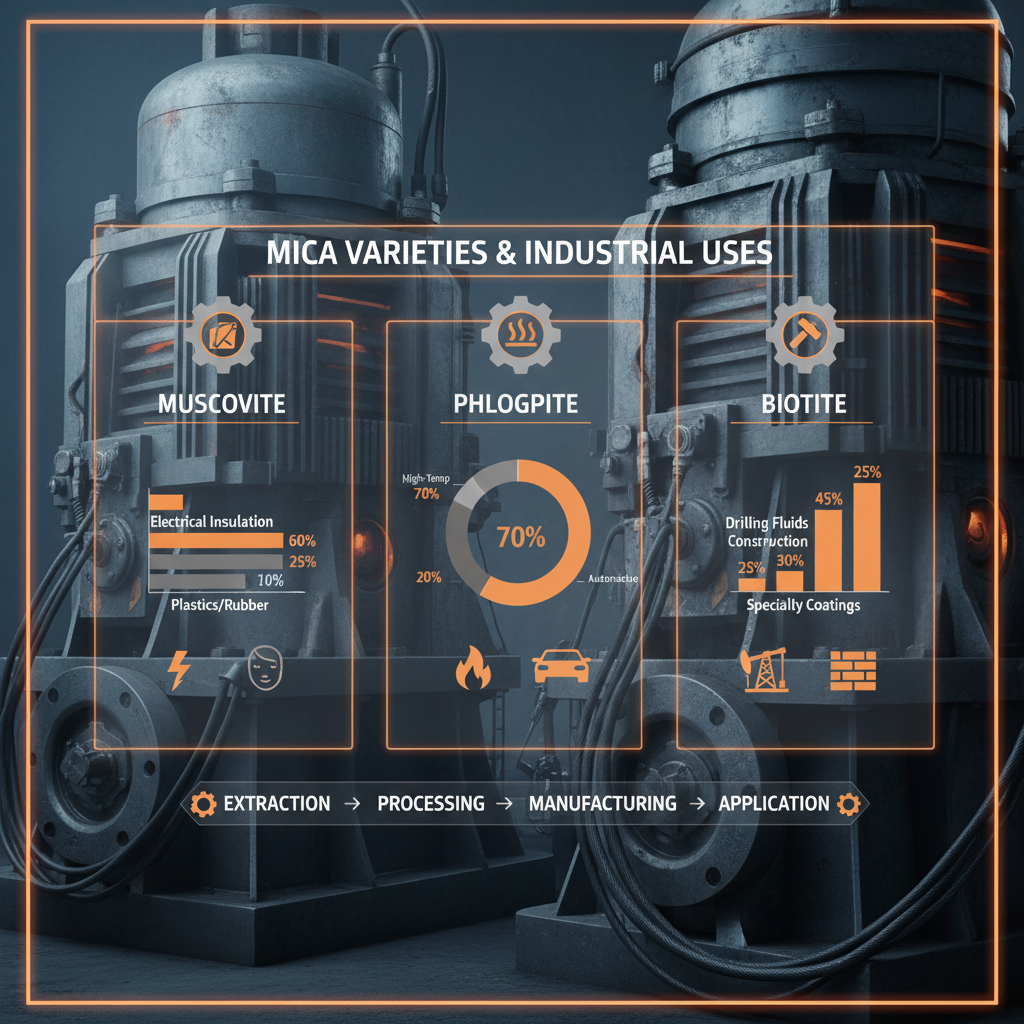
The diverse varieties of mica aren’t simply interchangeable. Each type boasts a unique combination of properties—from thermal stability and dielectric strength to flexibility and chemical inertness—that make it ideally suited for specific applications. Muscovite, for example, is renowned for its high-temperature resistance, while phlogopite exhibits excellent electrical insulation properties.

Understanding these subtle differences is paramount for engineers, manufacturers, and researchers striving to optimize product performance and meet stringent industry standards. Properly selecting the appropriate mica variety can significantly impact efficiency, durability, and overall product quality.

Defining Varieties of Mica

Mica is a family of sheet silicate minerals. These minerals share a similar crystalline structure, characterized by perfect basal cleavage – meaning they split easily into thin, flexible sheets. This property is what makes them so valuable in numerous industrial processes. Varieties of mica are distinguished by their chemical composition and resulting physical properties.

The most common types include muscovite, phlogopite, biotite, and lepidolite. Muscovite is potassium aluminum silicate, known for its clarity and high dielectric strength. Phlogopite is magnesium iron silicate, prized for its heat resistance. Biotite contains iron and magnesium, giving it a dark color and making it less transparent. Lepidolite contains lithium and often exhibits a pinkish or purplish hue.

The connection to modern industry is strong. From insulating components in electronics to reinforcing materials in paints and plastics, mica's unique characteristics address critical needs across a broad spectrum of applications, ensuring reliable performance and longevity in diverse products.

Key Properties of Mica Varieties

Several key properties define the usefulness of different varieties of mica. Thermal stability is particularly important in high-temperature applications, like furnace linings and aerospace components. Dielectric strength, or the ability to withstand high voltages, is crucial in electrical insulation.

Chemical inertness – resistance to reacting with other substances – ensures that mica doesn’t degrade or contaminate the products it’s used in. Furthermore, the sheet-like structure provides excellent flexibility and allows for easy separation into thin films, making it invaluable for creating lightweight, flexible materials.

Optical clarity, particularly in muscovite, allows for its use in transparent windows and other optical applications. These properties, in combination, determine the optimal use case for each individual type of mica, and understanding them is key for successful implementation.

Applications Across Industries

The diverse varieties of mica find applications across a stunningly broad range of industries. In the automotive sector, mica is used in paints and coatings to provide corrosion resistance and enhance aesthetics. In the aerospace industry, its thermal stability makes it essential for insulating aircraft engines and components.

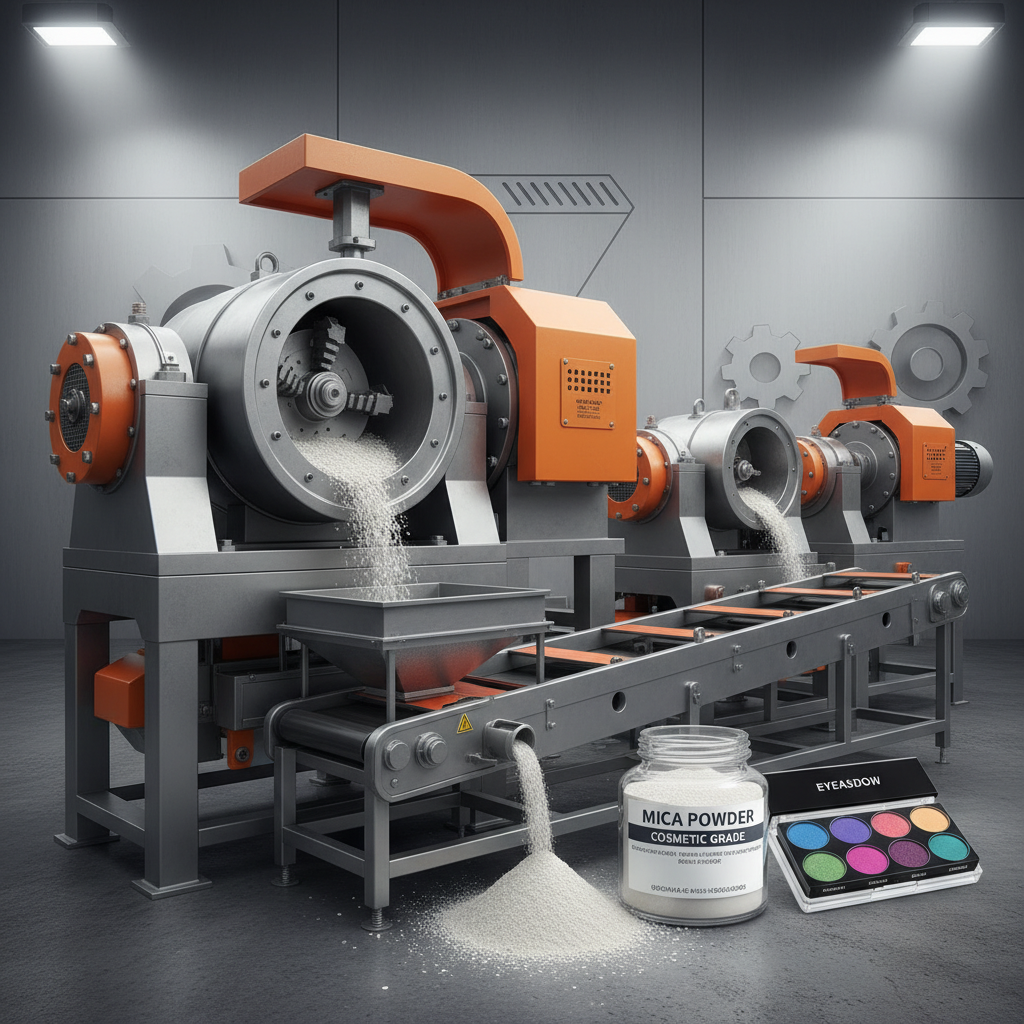
The electronics industry relies heavily on mica as a dielectric material in capacitors, resistors, and other electronic components. In cosmetics, finely ground mica imparts shimmer and pearlescence to products like eyeshadow and lipstick. The construction industry utilizes mica in drywall and roofing materials for fire resistance and durability.

Mica Variety Application Ratings


Advantages and Long-Term Value

Utilizing the correct varieties of mica offers substantial advantages. The inherent stability of these minerals translates to longer product lifecycles, reducing the need for frequent replacements. This, in turn, lowers lifecycle costs and contributes to a more sustainable approach to manufacturing and consumption.

Furthermore, mica’s natural properties often eliminate the need for synthetic alternatives, reducing reliance on potentially harmful chemicals and minimizing environmental impact. Choosing mica is not just about performance; it’s about responsible sourcing and building a more sustainable future.

Future Trends and Innovation

Ongoing research is exploring novel applications for varieties of mica, particularly in the realm of energy storage. Mica-based materials are being investigated for use in advanced battery technologies, offering potential improvements in energy density and safety.

The growing emphasis on green building practices is also driving demand for mica-based insulation materials. With increasing awareness of environmental concerns, the demand for sustainable and high-performing materials like mica will only continue to grow.

Challenges and Sustainable Solutions

Sourcing mica ethically remains a significant challenge, particularly concerning labor practices in certain mining regions. Transparency in supply chains and responsible sourcing initiatives are crucial for mitigating these risks.

The development of more efficient and environmentally friendly mining techniques is also essential. Innovations in extraction and processing can minimize environmental damage and ensure the long-term availability of this valuable resource. Investing in research and development to explore alternative mica sources is also a vital step.

Ultimately, promoting sustainable practices throughout the entire mica value chain – from mining to manufacturing to end-of-life management – is paramount for ensuring a responsible and ethical supply.

Summary of Key Challenges and Potential Solutions for Mica Sourcing

Challenge Area Impact Level (1-10) Potential Solution Implementation Cost (1-10)
Ethical Labor Practices 9 Supply Chain Traceability & Audits 7
Environmental Degradation from Mining 8 Rehabilitation Programs & Sustainable Mining Techniques 6
Supply Chain Transparency 7 Blockchain Technology for Tracking 8
Limited Alternative Sources 6 Investment in R&D for Synthetic Mica Alternatives 9
Waste Management during Processing 5 Implementing Circular Economy Principles 5
Fluctuating Market Prices 4 Long-Term Supply Contracts & Diversification 4

FAQS

What are the main differences between muscovite and phlogopite mica?

Muscovite and phlogopite are two of the most common varieties of mica, differing primarily in their chemical composition. Muscovite is a potassium aluminum silicate, renowned for its clarity, high dielectric strength, and excellent insulating properties, making it ideal for electronic applications. Phlogopite, on the other hand, is a magnesium iron silicate, offering superior thermal stability and resistance to high temperatures, making it suitable for furnace linings and aerospace components. Their color also differs; muscovite is typically clear or silvery, while phlogopite often appears greenish or yellowish-brown.

How is mica ethically sourced, and what should buyers look for?

Ethical sourcing of mica is a critical concern, particularly regarding child labor in some mining regions. Buyers should prioritize suppliers committed to transparency and fair labor practices. Look for certifications and audits verifying responsible mining operations, such as those conducted by independent organizations. Demand full traceability of the mica supply chain, ensuring the material originates from mines that adhere to ethical standards, providing safe working conditions and fair wages for all workers.

What are the key applications of mica in the electronics industry?

Mica plays a vital role in the electronics industry due to its exceptional dielectric strength, thermal stability, and insulating properties. It’s extensively used in capacitors as a dielectric material to store electrical energy, in resistors for electrical resistance, and as an insulator in high-voltage components, protecting them from short circuits. Its ability to withstand high temperatures and voltages without degradation makes it indispensable in various electronic devices.

Is mica a sustainable material, and what are its environmental impacts?

While mica is a naturally occurring mineral, its sustainability depends on responsible mining practices. Traditional mining can lead to habitat disruption and soil erosion. However, efforts are underway to improve sustainability through rehabilitation programs, reduced water usage, and responsible waste management. Mica’s long lifespan and recyclability contribute to its overall sustainability, and choosing ethically sourced mica further minimizes its environmental footprint.

How does the particle size of mica affect its applications?

The particle size of mica significantly influences its applications. Finely ground mica is used in cosmetics and paints to provide shimmer and reinforcement. Larger flakes are utilized in electrical insulation and roofing materials for their barrier properties and thermal resistance. Precisely controlling particle size distribution is crucial for achieving desired performance characteristics in each application, ensuring optimal dispersion and functionality within the final product.

What are the potential future developments in mica technology and applications?

Future developments in mica technology focus on enhancing its functionality and expanding its applications. Research is underway exploring mica-based nanocomposites for advanced battery technologies, offering improved energy density and safety. Scientists are also investigating mica as a reinforcement material in lightweight composites for aerospace and automotive industries. Furthermore, the development of sustainable mining practices and alternative synthetic mica production methods are crucial for the long-term viability of this versatile material.

Conclusion

In conclusion, the varieties of mica represent a family of incredibly versatile minerals with applications spanning numerous industries. From enhancing the performance of electronics to providing sustainable solutions in construction and cosmetics, their unique properties offer significant advantages in terms of durability, efficiency, and environmental responsibility. Understanding these nuances is crucial for informed material selection and innovation.

Looking ahead, continued investment in ethical sourcing, sustainable mining practices, and cutting-edge research will unlock even greater potential for these remarkable minerals. By embracing these advancements, we can ensure that the benefits of mica are realized responsibly and sustainably for generations to come. Visit our website at www.hjmica.com to learn more about our range of mica products and solutions.


Daniel Wilson

Daniel Wilson

Daniel Wilson is Huajing's R&D Specialist, dedicated to exploring new applications and improving existing mica processing technologies. He holds a PhD in chemical engineering and has a strong background in materials science. Daniel focuses on developing innovative solutions to enhance the performance and versatility of Huajing’s mica products. He works
Previous Exploring the Multifaceted World of mica for sale Applications and Sustainable Sourcing
Next Exploring the Diverse Applications and Significance of Mica Varieties