Coated mica powder represents a significant advancement in materials science, offering unique properties that enhance performance across a wide spectrum of industries. From imparting shimmer and brilliance in cosmetics to bolstering the durability of rubber products and the aesthetic appeal of paints, this versatile material is increasingly vital to modern manufacturing. Understanding its composition, production, and applications is crucial for businesses seeking innovation and competitive advantage.
The global demand for coated mica powder is driven by expanding end-use industries like cosmetics, automotive, and construction. Factors such as rising disposable incomes, evolving consumer preferences for aesthetically pleasing products, and the increasing adoption of sustainable materials are fueling this growth. However, challenges remain in sourcing ethically produced mica and maintaining consistent quality standards throughout the supply chain.
This nuanced material enables manufacturers to achieve specific performance characteristics and visual effects that are difficult or impossible to replicate with other pigments. It’s a key ingredient for industries prioritizing both functionality and visual impact, demonstrating its expanding importance in product innovation and market differentiation.
Understanding Coated Mica Powder: A Comprehensive Overview
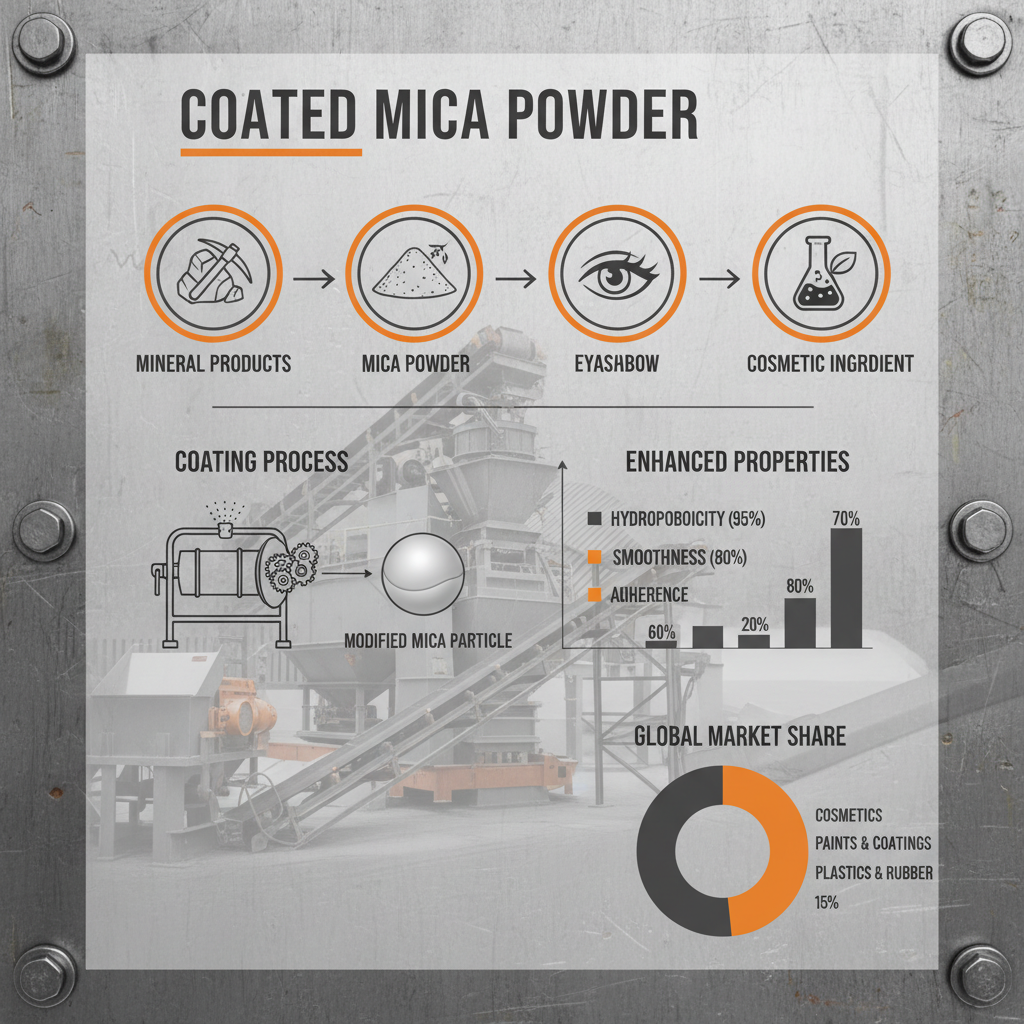
Coated mica powder isn’t simply a mineral; it's an engineered material. Natural mica flakes are meticulously coated with metal oxides – typically titanium dioxide, iron oxides, or tin oxide – to enhance their optical properties and performance characteristics. This coating process dramatically alters the reflection and refraction of light, creating pearlescent, iridescent, and metallic effects, vital for many applications.
The demand for coated mica powder continues to surge as manufacturers seek innovative solutions to improve product aesthetics, durability, and functionality. Its unique properties contribute to increased product value, making it a preferred choice in competitive markets globally, with particularly strong demand stemming from the cosmetics and coatings industries.
Defining Coated Mica Powder: Composition and Creation
At its core, coated mica powder is comprised of thin, flat flakes of mica – a naturally occurring silicate mineral. These flakes are then surface-treated with a thin layer of metal oxides. The specific metal oxide used dictates the final color and optical effect of the powder. Titanium dioxide, for example, provides a pearlescent white sheen, while iron oxides can produce gold, bronze, or red tones.
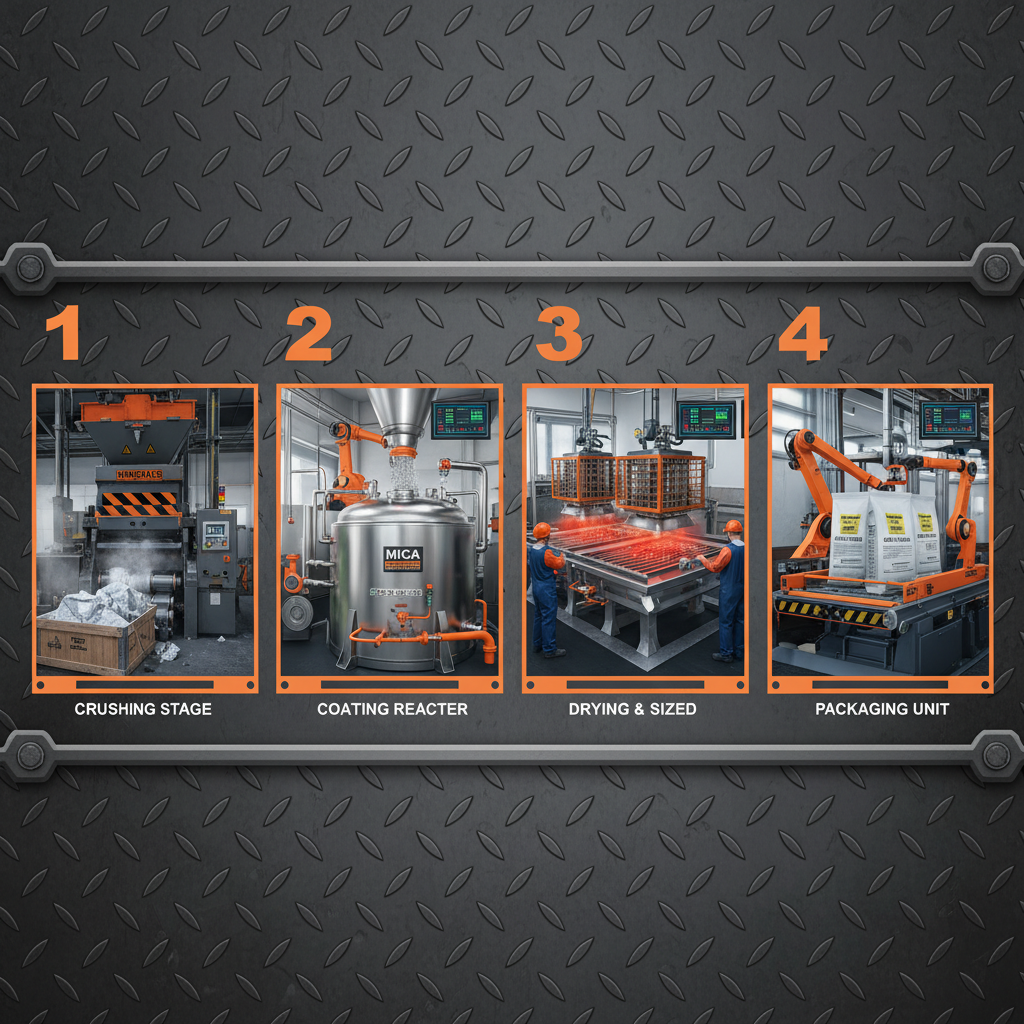
The production process involves several key steps, starting with the careful selection and grinding of mica. Following grinding, the mica flakes undergo a coating process, often utilizing techniques like chemical vapor deposition or spray drying, ensuring uniform coverage. Finally, the coated mica is dried, milled to the desired particle size, and rigorously tested for quality control, including particle size distribution and color consistency.
This material’s versatility stems from this careful control of both the mica substrate and the coating layer. This enables manufacturers to customize coated mica powder to meet specific application requirements, offering a spectrum of colors, effects, and functionalities essential for modern product design and performance.
Key Characteristics of High-Quality Coated Mica Powder
Several factors determine the quality and suitability of coated mica powder for specific applications. Particle size distribution is paramount; uniform, finely-milled particles contribute to consistent color development and dispersion in formulations. Beyond size, the thickness and uniformity of the metal oxide coating are crucial for achieving the desired optical effects and ensuring durability.
Chemical purity is another critical characteristic. High-quality coated mica powder must be free from heavy metals and other contaminants that could compromise product safety or performance. Manufacturers employ stringent quality control measures, including rigorous testing and analysis, to ensure compliance with industry standards and regulatory requirements.
Finally, thermal stability plays a significant role, particularly in applications involving high temperatures, such as plastics processing or automotive coatings. High-quality coated mica powder will maintain its color and optical properties even under extreme thermal conditions, ensuring long-lasting performance and aesthetic appeal.
Diverse Applications of Coated Mica Powder Across Industries
The versatility of coated mica powder lends itself to a remarkably diverse range of applications. In the cosmetics industry, it's a key ingredient in eyeshadows, lipsticks, foundations, and nail polishes, providing shimmer, pearlescence, and a luxurious feel. In the paints and coatings sector, it enhances the visual appeal and durability of automotive finishes, architectural coatings, and industrial paints.
Beyond these core industries, coated mica powder finds use in plastics, rubber, and even printing inks. It improves the impact resistance and aesthetic properties of plastics used in consumer goods, adds a metallic sheen to rubber products like tires and seals, and enhances the brilliance of printed materials. Globally, significant applications are seen in Europe's automotive industry and Asia's rapidly expanding cosmetics sector.
Coated Mica Powder Application Breakdown by Industry
The Advantages of Using Coated Mica Powder
Employing coated mica powder delivers a compelling array of advantages. The most obvious is its aesthetic contribution, providing vibrant colors, pearlescent effects, and a luxurious finish unattainable with traditional pigments. Beyond aesthetics, coated mica powder improves product durability, offering increased resistance to UV degradation, weathering, and abrasion.
Furthermore, it enhances the optical properties of materials, improving reflectivity and creating visually striking effects. The inert nature of mica makes it compatible with a wide range of formulations, while its relatively low cost compared to other specialty pigments makes it an economically viable option for diverse applications.
Global Trends and Future Innovations in Coated Mica Powder
The coated mica powder market is currently witnessing a strong trend toward sustainable and ethically sourced materials. Consumers are increasingly demanding transparency in supply chains, prompting manufacturers to prioritize responsibly mined mica. Innovation is also focused on developing new coating technologies that enhance performance, reduce environmental impact, and expand the range of achievable effects.
Nanotechnology is playing an increasingly important role, enabling the creation of coated mica powders with ultra-fine particle sizes and tailored optical properties. Research into bio-based coatings and alternative metal oxides is also underway, aiming to develop more eco-friendly and sustainable formulations.
Addressing Challenges and Ensuring Sustainability in Coated Mica Powder Production
Despite its benefits, the coated mica powder industry faces challenges related to ethical sourcing and environmental impact. Historically, mica mining has been associated with child labor and unsafe working conditions. Addressing these issues requires increased traceability, robust auditing processes, and collaboration across the supply chain.
Environmental concerns arise from the energy-intensive coating process and the potential release of volatile organic compounds (VOCs). Adopting cleaner production technologies, such as water-based coating systems and energy-efficient manufacturing processes, is crucial for minimizing the environmental footprint.
Investing in research and development of alternative, sustainable coating materials will also contribute to a more responsible and environmentally sound industry. Ultimately, a commitment to ethical and sustainable practices will be vital for securing the long-term viability of the coated mica powder market.
Key Attributes of Coated Mica Powder Suppliers
| Ethical Sourcing Practices |
Product Quality & Consistency |
Technical Support & Customization |
Environmental Responsibility |
| Traceability of mica source to ensure fair labor practices |
Consistent particle size distribution and color matching |
Formulation assistance and customized coating options |
Water-based coating technologies & reduced VOC emissions |
| Third-party audits and certifications |
Stringent quality control processes and testing |
Rapid response to technical inquiries and problem-solving |
Waste reduction and resource efficiency initiatives |
| Partnerships with responsible mica mining cooperatives |
Adherence to industry standards (e.g., ISO 9001) |
Sample availability and fast turnaround times |
Compliance with environmental regulations |
| Transparent supply chain documentation |
Batch-to-batch consistency for reliable performance |
Development of tailored coatings for specific applications |
Investment in renewable energy sources |
| Support for local communities in mica mining regions |
Comprehensive product data sheets and technical specifications |
Collaboration on R&D projects for innovative applications |
Responsible disposal of waste materials |
| Commitment to fair trade principles |
Guaranteed purity and absence of harmful contaminants |
Expert guidance on formulation optimization |
Carbon footprint reduction initiatives |
FAQS
The lead time for customized coated mica powder orders generally ranges from 2 to 4 weeks, depending on the complexity of the coating, the required volume, and our current production schedule. We prioritize clear communication throughout the process to provide accurate timelines and manage expectations. We strive to expedite production without compromising quality to meet your project deadlines effectively.
Selecting the appropriate particle size for coated mica powder is crucial for achieving optimal performance. Finer particles provide better dispersion and a smoother finish, ideal for cosmetics and high-gloss coatings. Larger particles offer enhanced sparkle and reflectivity, suitable for plastics and automotive paints. Our technical team can assist in determining the ideal particle size based on your specific formulation and application requirements.
Yes, coated mica powder specifically manufactured for cosmetic use undergoes rigorous testing to ensure safety and compliance with industry regulations, such as those established by the FDA and European Cosmetics Regulation. We use only high-purity mica and metal oxides and adhere to strict quality control measures throughout the production process to guarantee the absence of harmful contaminants.
Absolutely! Coated mica powder enhances the durability and weather resistance of exterior paints and coatings. The coating provides protection against UV degradation, moisture, and abrasion, ensuring long-lasting color and sheen. We offer specialized coatings formulated for exterior applications, designed to withstand harsh environmental conditions and maintain performance over time.
Our minimum order quantity (MOQ) for coated mica powder varies depending on the specific product and customization requirements. We offer flexible ordering options to accommodate both small and large-scale projects. Contact our sales team for a personalized quote and to discuss your specific needs.
We carefully package coated mica powder to protect it from moisture, contamination, and physical damage during shipping. Our standard packaging includes multi-layered bags sealed in moisture-resistant containers. For larger orders, we utilize pallets and shrink-wrapping to ensure secure transport. We also offer specialized packaging options upon request.
Conclusion
In conclusion, coated mica powder offers a unique combination of aesthetic appeal, functional performance, and versatility, making it an indispensable material across a broad spectrum of industries. From enhancing the brilliance of cosmetics to bolstering the durability of coatings, its properties contribute significantly to product innovation and market competitiveness. A focus on ethical sourcing and sustainable production practices is key to its continued success.
Looking ahead, we anticipate further advancements in coating technologies, nanotechnology, and bio-based materials will unlock even greater potential for coated mica powder. By embracing innovation and prioritizing responsible manufacturing, the industry can continue to meet the evolving needs of consumers and contribute to a more sustainable future. Visit our website at www.hjmica.com to explore our extensive range of coated mica powder products and discover how we can help you achieve your specific application goals.