The global demand for vibrant, durable, and versatile colorants has propelled the mica powder factory industry to the forefront of numerous sectors, from cosmetics and paints to plastics and construction. Mica, a naturally occurring mineral, is processed into a fine powder prized for its pearlescent sheen, chemical inertness, and ability to enhance product performance. Understanding the intricacies of mica powder factory operations – from raw material sourcing and milling techniques to quality control and sustainable practices – is crucial for businesses and consumers alike seeking high-quality materials.
The mica powder factory sector is not merely about aesthetics; it’s interwoven with economic development, particularly in regions where mica is abundant. However, ethical sourcing and responsible manufacturing are paramount concerns, addressing historical challenges and ensuring fair labor practices. Innovations in processing technology continually improve powder quality, particle size control, and overall product consistency.
As industries increasingly demand specialized pigments and effect powders, the role of a reliable mica powder factory becomes ever more significant. This guide delves into the key aspects of this industry, examining its applications, advantages, challenges, and future trends, providing a comprehensive overview for those involved in sourcing, manufacturing, or utilizing mica powder.
The Global Significance of Mica Powder Factory
The mica powder factory industry plays a pivotal role in a global supply chain supporting countless product categories. According to the United Nations Comtrade database, the trade of mica and mica products exceeded $2.5 billion USD in 2022, demonstrating substantial global demand. Major producing countries include India, China, and Russia, while key consuming regions span North America, Europe, and Asia-Pacific.
A significant challenge facing the industry centers around responsible sourcing. Historically, mica mining has been associated with child labor and unsafe working conditions. Increasing consumer awareness and pressure from international organizations like the Responsible Minerals Initiative (RMI) are driving demand for ethically sourced mica powder, pushing mica powder factory operations to adopt transparent and traceable supply chains.
Defining the Mica Powder Factory
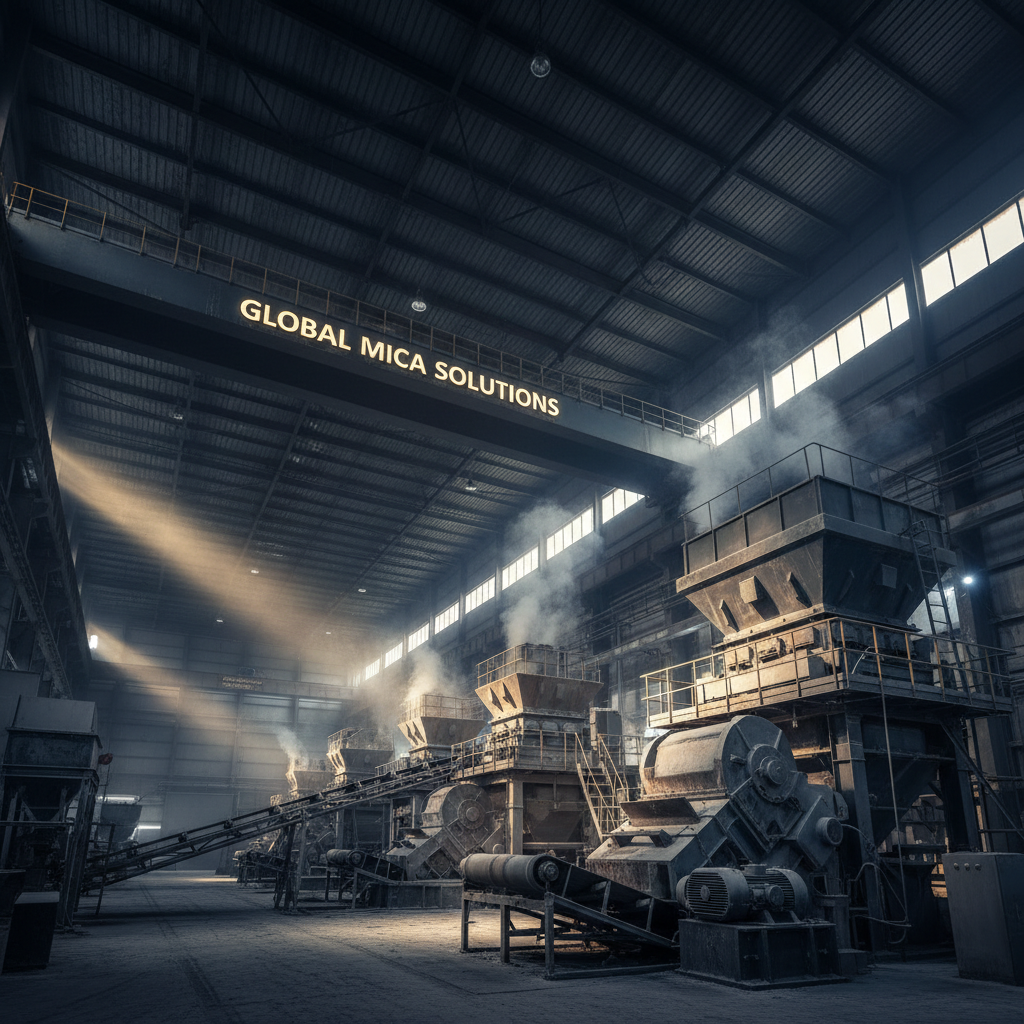
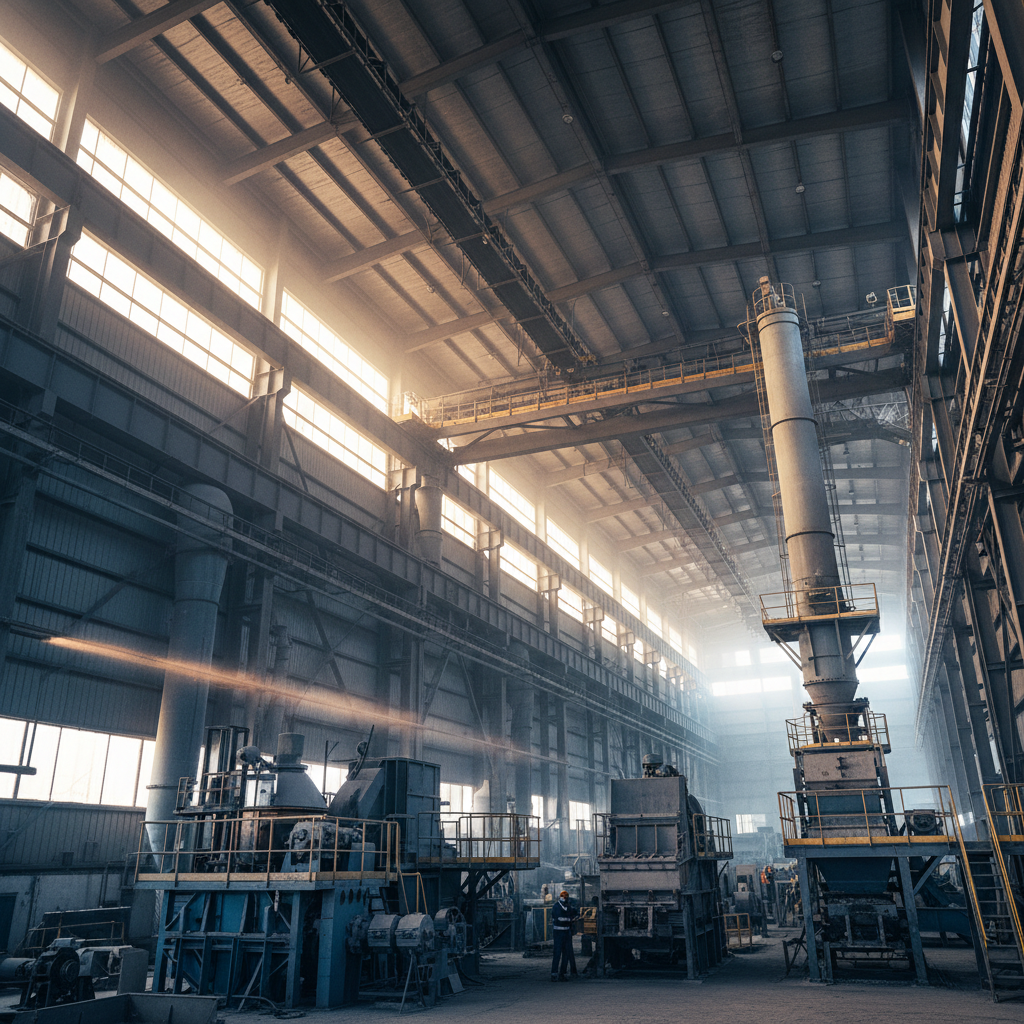
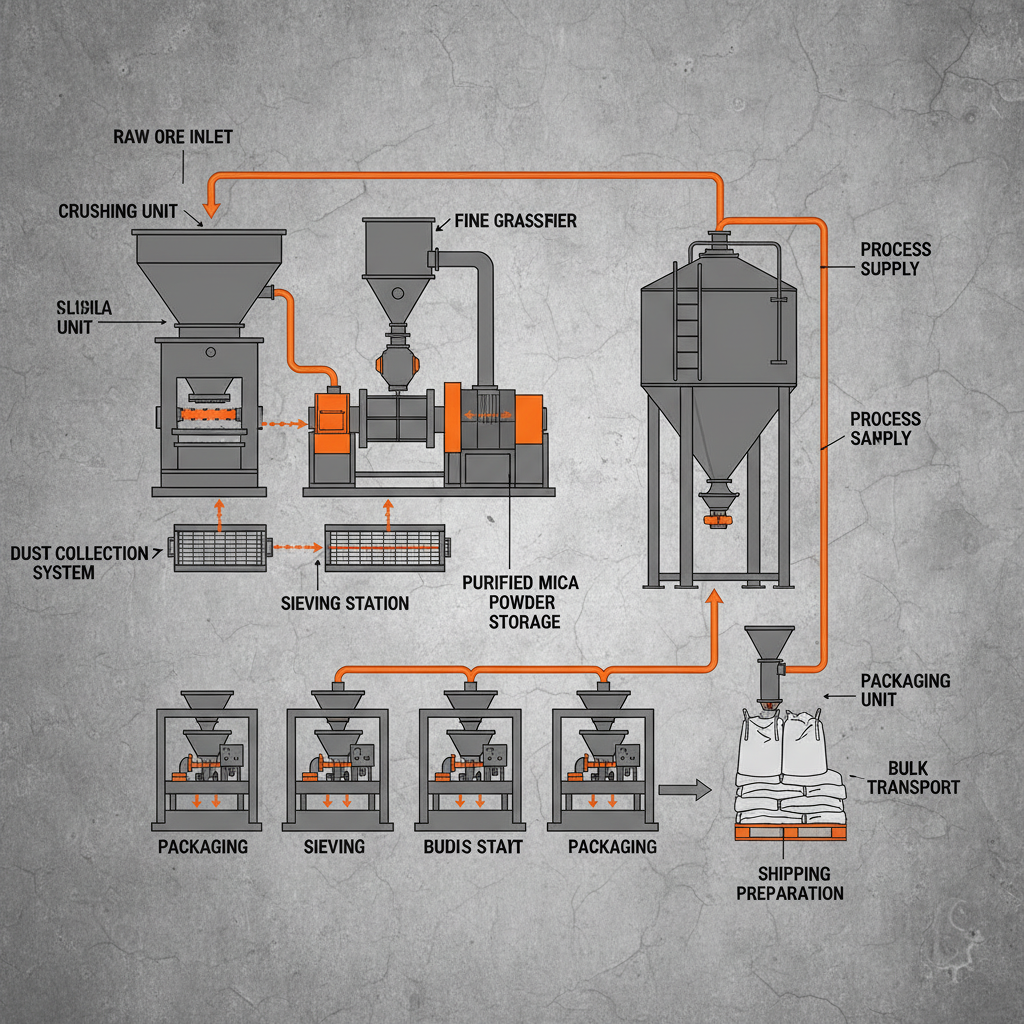
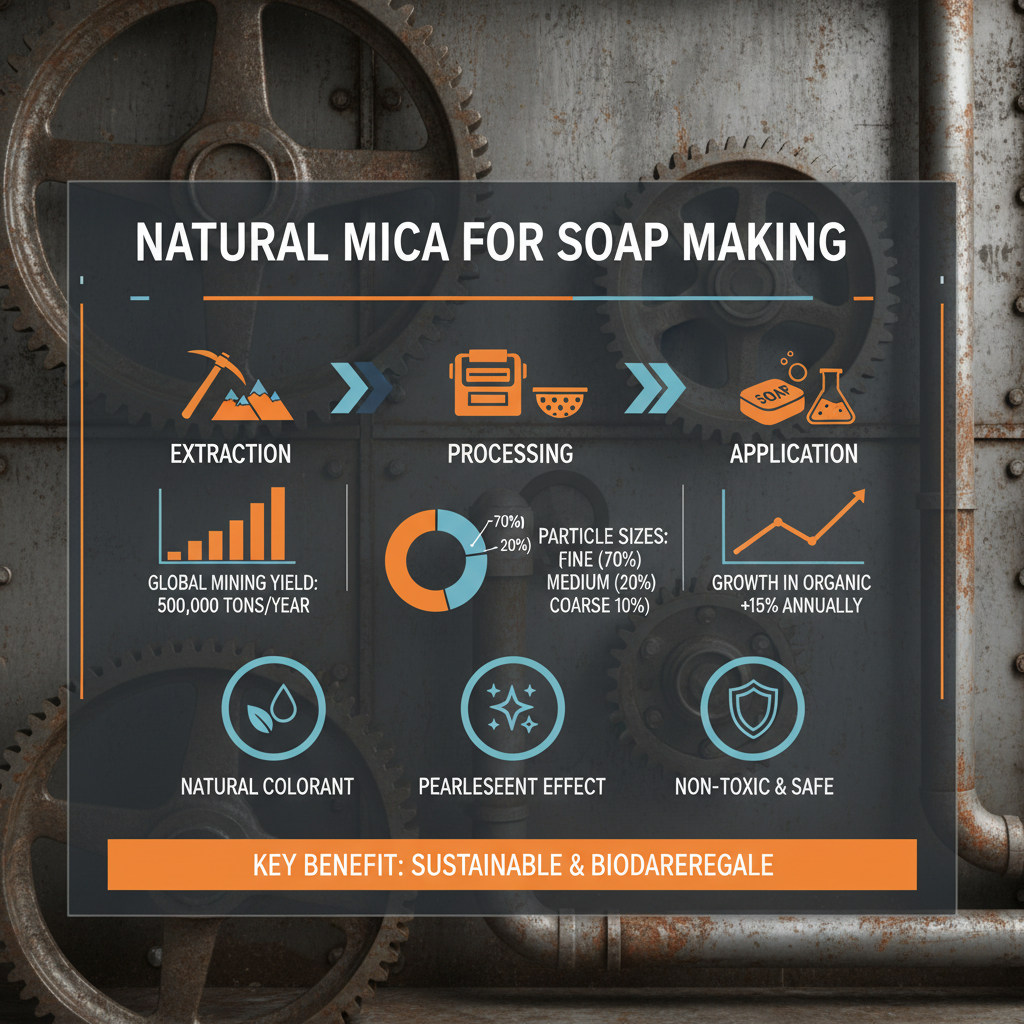
A mica powder factory is a facility dedicated to the processing of raw mica ore into finely ground powders of varying particle sizes, colors, and surface treatments. The process typically begins with the extraction of mica from natural deposits, followed by crushing, grinding, washing, and classifying the mineral. Many modern facilities also incorporate surface treatments like coating with titanium dioxide or iron oxides to create pearlescent, iridescent, or colored effects.
The output of a mica powder factory isn’t simply a cosmetic ingredient. It's a vital component in industries ranging from automotive paints and plastics to electronics and drilling fluids. Mica's inherent properties—including its thermal stability, dielectric strength, and resistance to chemicals—make it essential in numerous applications that require both performance and durability.
Connecting this industry to modern needs, mica powder factories are key in enabling advancements in sustainability. The use of mica as a filler in plastics reduces the overall material consumption, lessening the environmental impact. Furthermore, ongoing innovations focus on minimizing water usage and waste generation within the factory itself.
Core Components of a Successful Mica Powder Factory
A successful mica powder factory relies on a combination of technical expertise, efficient infrastructure, and a commitment to quality control. Crucial components include robust milling and grinding machinery capable of achieving precise particle size distributions, sophisticated classification systems to separate powders based on size and quality, and advanced surface treatment technologies for creating specialized pigments.
Equally important is a well-defined quality assurance program, incorporating rigorous testing procedures at every stage of production. This includes assessing the chemical composition, particle morphology, color consistency, and performance characteristics of the finished mica powder. Effective inventory management, logistical planning, and a skilled workforce are also essential for ensuring timely delivery and customer satisfaction.
Furthermore, a successful mica powder factory prioritizes sustainable practices. This encompasses responsible sourcing of raw materials, minimizing water consumption and waste generation, implementing energy-efficient technologies, and adhering to stringent environmental regulations. Increasingly, certifications like ISO 9001 and ISO 14001 demonstrate a commitment to quality and environmental stewardship.
Key Factors Influencing Mica Powder Quality
The quality of mica powder is determined by a complex interplay of factors, starting with the characteristics of the raw mica ore itself. The mineral's purity, color, and inherent crystal structure significantly impact the final product. The choice of milling technology, whether jet milling, ball milling, or hammer milling, affects particle size distribution, shape, and surface area.
Surface treatments play a crucial role in modifying the optical properties of mica powder. Coating mica flakes with titanium dioxide enhances opacity and brightness, while iron oxides impart various shades of color. The uniformity and adhesion of these coatings are critical for achieving consistent color and performance.
Mica Powder Factory Quality Metrics
Global Applications and Industry Impact
Mica powder finds widespread application across diverse industries. The cosmetics industry utilizes mica for its shimmering effect in foundations, eyeshadows, and lipsticks, enhancing product appeal. In the paints and coatings sector, mica improves durability, UV resistance, and aesthetic appearance.
The plastics industry incorporates mica as a reinforcing filler, enhancing mechanical strength and thermal stability. Furthermore, mica is used in electronics as a dielectric material in capacitors, and in the oil and gas industry as a drilling fluid additive. In remote industrial zones, reliable access to high-quality mica powder is critical for maintaining production standards.
Advantages and Long-Term Value Proposition
Utilizing a reputable mica powder factory provides numerous benefits. Cost-effectiveness is a key advantage, as mica is a relatively inexpensive mineral compared to other pigments and fillers. The inherent durability of mica enhances product longevity, reducing the need for frequent replacements.
A commitment to sustainable sourcing and environmentally responsible manufacturing practices fosters a positive brand image and aligns with growing consumer demand for ethical products. Ultimately, partnering with a reliable mica powder factory builds trust and ensures consistent quality, contributing to long-term success.
Future Trends and Technological Advancements
The mica powder factory industry is poised for continued innovation. Research and development efforts are focused on developing new surface treatments to create more sophisticated and customized effect pigments. Automation and digitalization are being implemented to improve process control, enhance efficiency, and reduce production costs.
The integration of artificial intelligence (AI) and machine learning (ML) algorithms is enabling more precise particle size analysis, predictive maintenance of equipment, and optimization of manufacturing parameters. Furthermore, there is a growing emphasis on developing sustainable and eco-friendly manufacturing processes, utilizing renewable energy sources and minimizing waste generation.
The demand for bio-based coatings for mica powders is increasing, reflecting a broader trend toward utilizing sustainable materials. These advancements position the mica powder factory as a crucial player in supporting future innovations across various industries.
FAQS
Typical lead times for bulk mica powder orders range from 2 to 6 weeks, depending on the quantity, specific requirements (particle size, color, surface treatment), and current production capacity. Larger, customized orders generally require longer lead times. Reputable mica powder factory operations will provide accurate delivery estimates during the quoting process.
A comprehensive quality control program is essential. This includes raw material inspection, in-process testing for particle size distribution and color consistency, and final product analysis to verify purity, chemical composition, and adherence to specifications. Many factories also implement ISO 9001 quality management systems.
Look for suppliers who demonstrate a commitment to responsible sourcing practices. Ask about their supply chain traceability, audit procedures, and certifications related to ethical labor standards. The Responsible Minerals Initiative (RMI) is a valuable resource for identifying responsible mica suppliers.
Common surface treatments include coating with titanium dioxide (TiO2) for opacity and brightness, iron oxides for various colors, and other metal oxides for pearlescent or iridescent effects. Surface treatments can also improve dispersion characteristics and enhance compatibility with different matrices.
Jet milling generally produces finer particle sizes and a more uniform distribution compared to ball milling. However, it can be more energy-intensive. Ball milling is a more cost-effective option for achieving coarser particle sizes. The optimal milling method depends on the specific application requirements.
Mica powder has a very long shelf life when stored properly in a cool, dry environment, away from direct sunlight. Properly sealed containers are essential to prevent moisture absorption, which can affect its performance. Generally, mica powder can remain stable for several years without significant degradation.
Conclusion
In conclusion, the mica powder factory industry is a critical link in the supply chain for a diverse range of products, offering exceptional versatility, durability, and aesthetic appeal. From cosmetics to industrial applications, mica powder enhances product performance and contributes to innovation. A focus on ethical sourcing, sustainable manufacturing, and continuous technological advancement is essential for the long-term viability of this industry.
Looking ahead, the demand for customized mica powder solutions will continue to grow, driven by evolving consumer preferences and stringent performance requirements. By embracing innovation and prioritizing responsible practices, mica powder factories can position themselves as valued partners in building a more sustainable and aesthetically enriching future. For high-quality mica powder solutions, visit our website: mica powder factory.