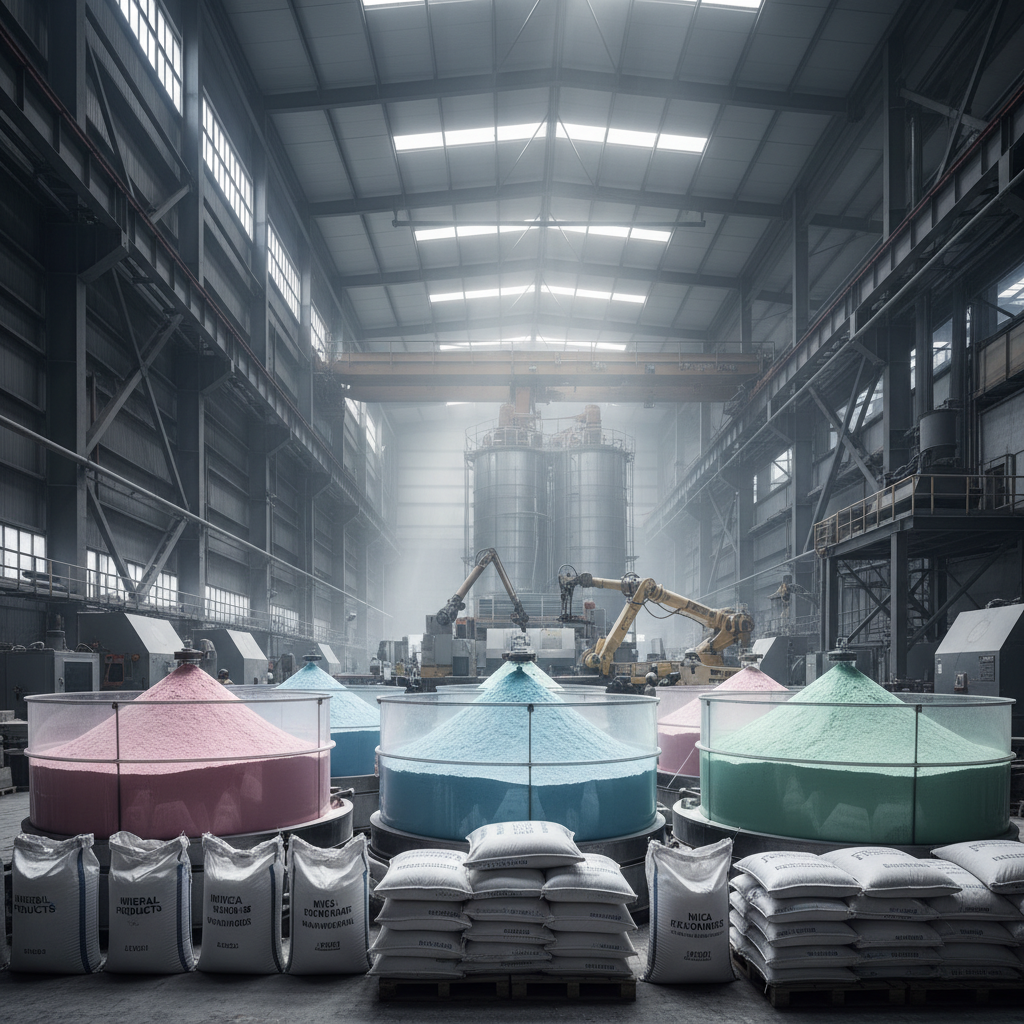
Mica types, encompassing a diverse family of silicate minerals, are crucial components in numerous industrial applications, ranging from cosmetics and electronics to construction and automotive industries. Their unique properties – including flexibility, transparency, electrical insulation, and resistance to heat and chemicals – make them invaluable resources. Understanding the nuances of different mica types is therefore paramount for efficient material selection, innovative product development, and sustainable resource management.
Globally, the mica industry supports livelihoods for millions, particularly in developing countries like India, China, and Brazil, where significant deposits are found. However, the industry has faced scrutiny regarding ethical sourcing and labor practices, particularly concerning child labor. This challenge underscores the need for increased transparency, responsible mining protocols, and adherence to international standards to ensure a sustainable and equitable mica supply chain.
The increasing demand for mica in high-tech applications, such as electric vehicles and renewable energy technologies, presents both opportunities and challenges. Innovation in mica processing and the development of synthetic mica alternatives are becoming increasingly important to meet the growing global demand while mitigating environmental and social impacts.
Introduction to mica types
The world of mica types is remarkably diverse, extending beyond the commonly known muscovite and phlogopite. Biotite, lepidolite, and vermiculite represent further distinctions, each exhibiting unique chemical compositions and physical characteristics. This breadth allows for highly tailored applications based on specific industrial needs. mica types provide critical solutions.
The importance of properly identifying and classifying these mica types cannot be overstated. Correct classification ensures optimal performance in intended applications, contributes to efficient resource utilization, and facilitates responsible sourcing practices. From the subtle shimmer in cosmetics to the robust insulation in electronics, understanding these differences is vital.
Defining mica types and Their Relevance
Mica types are sheet silicate minerals characterized by their perfect basal cleavage, allowing them to be easily split into thin, flexible, and transparent sheets. This structure stems from their layered crystalline arrangement. The composition of these layers determines the specific type of mica and its resulting properties. These materials are widely utilized across a broad spectrum of industries.
Their relevance in modern industry stems from a confluence of desirable properties. Excellent dielectric strength makes them ideal for electrical insulation, particularly in capacitors and high-voltage equipment. Thermal stability ensures they can withstand high temperatures without degradation, essential in applications like furnace linings and fireproofing materials. mica types are frequently used for their properties.
Beyond industrial applications, mica types play a crucial role in cosmetics, providing shimmer and texture to products like eyeshadows and foundations. The demand for ethically sourced and sustainable mica is driving innovation in extraction and processing methods to address concerns about labor practices.
Core Characteristics of mica types
One key characteristic differentiating various mica types is their chemical composition. Muscovite, for example, is a potassium aluminum silicate, while phlogopite is a magnesium aluminum silicate. These differences impact properties like color, hardness, and thermal expansion. The choice of mica type is often driven by these chemical specifics.
Another crucial aspect is their electrical insulation capability. Mica’s high dielectric strength prevents the flow of electricity, making it ideal for use in electrical components. This property is directly linked to the layered structure and the chemical bonds within the mica lattice.
Furthermore, the flexibility and transparency of mica sheets are vital for applications requiring thin, robust, and optically clear materials. This allows for use in specialized windows, optical instruments, and as a substrate for delicate electronics.
Global Applications of Different mica types
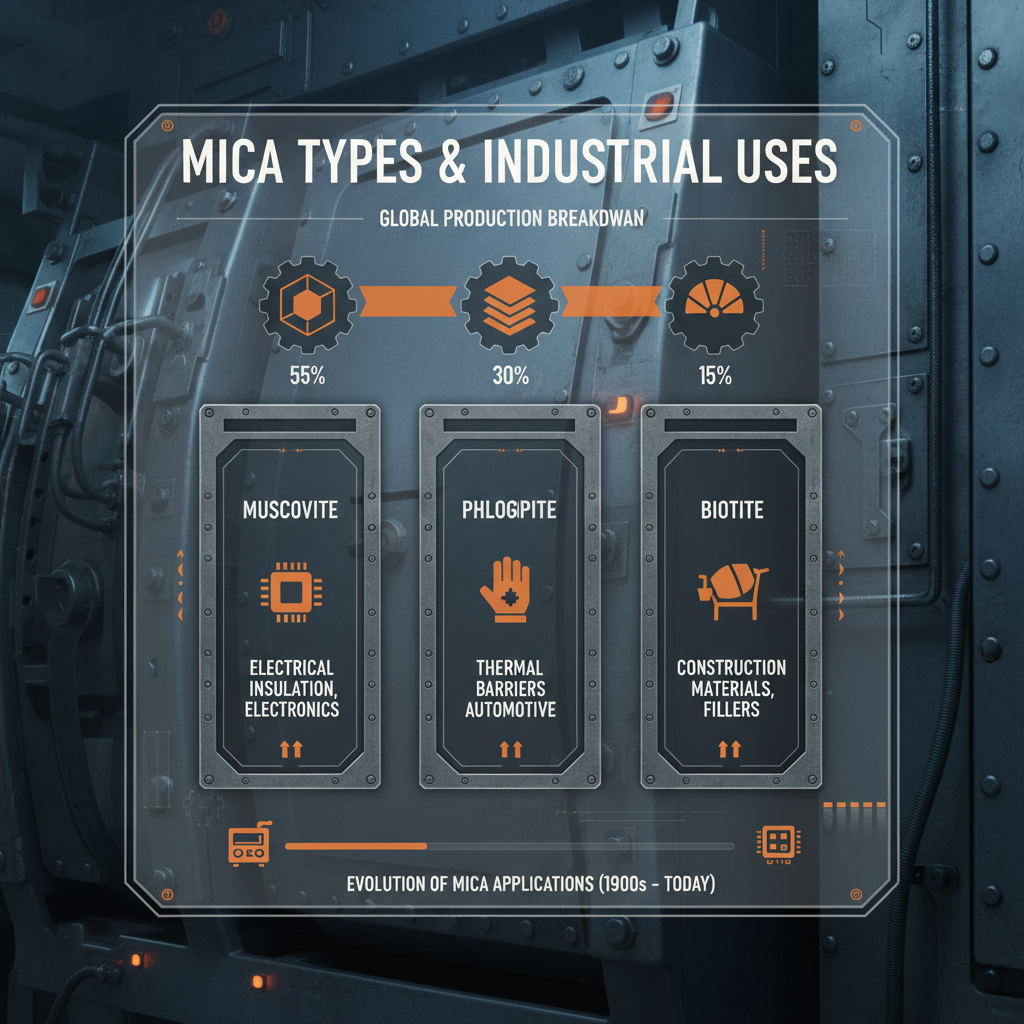
Muscovite mica types find widespread application in electrical insulation, particularly in capacitors, transformers, and high-voltage equipment due to its superior dielectric strength. It's also utilized in release agents for foundry casting and as a decorative element in various products.
Phlogopite mica types, with their higher thermal stability, are commonly used in furnace linings, high-temperature gaskets, and specialized welding electrodes. They are also increasingly employed as a filler in plastics and paints to enhance their heat resistance and durability. mica types are versatile materials.
Comparative Performance of mica types in Insulation
Advantages and Long-Term Value of mica types
Cost-effectiveness is a key advantage of mica types, particularly compared to some synthetic alternatives. While the initial extraction and processing costs can vary, the longevity and durability of mica products often result in lower lifecycle costs. mica types offer reliable solutions.
Sustainability is becoming increasingly important. Responsible mining practices and the development of recycling technologies can minimize the environmental impact of mica extraction. Additionally, the natural origin of mica aligns with the growing demand for eco-friendly materials.
Future Trends in mica types
The demand for synthetic mica is expected to rise as manufacturers seek consistent quality and traceability. Advances in synthetic mica production are aiming to replicate the desirable properties of natural mica while addressing ethical concerns.
Integration with smart technologies, such as incorporating mica-based sensors into building materials for monitoring structural health, is another emerging trend. This opens opportunities for predictive maintenance and enhanced safety.
Furthermore, research into novel applications of mica in energy storage, particularly in solid-state batteries, is gaining momentum. Mica's insulating properties and thermal stability make it a promising material for improving battery performance and safety.
Challenges and Sustainable Solutions for mica types
One significant challenge facing the mica industry is the ethical sourcing of raw materials. Concerns about child labor and unsafe working conditions in some mining regions require transparent supply chains and rigorous auditing practices.
Developing efficient recycling technologies for mica-containing products is crucial for reducing waste and promoting a circular economy. Current recycling methods are limited, and innovation in this area is essential.
Finally, addressing the environmental impact of mining operations, including land degradation and water pollution, requires implementing sustainable mining practices and investing in rehabilitation efforts.
Summary of Challenges and Potential Solutions for Sustainable mica types Sourcing
| Challenge |
Impact Area |
Proposed Solution |
Implementation Timeline |
| Child Labor |
Social |
Independent Audits & Fair Trade Certification |
Short-Term (1-2 years) |
| Lack of Traceability |
Supply Chain |
Blockchain Technology for Tracking Origin |
Medium-Term (3-5 years) |
| Environmental Degradation |
Environmental |
Sustainable Mining Practices & Land Reclamation |
Ongoing |
| Limited Recycling Options |
Waste Management |
Research & Development of Mica Recycling Technologies |
Medium-Term (3-5 years) |
| Price Volatility |
Economic |
Diversification of Supply Sources |
Ongoing |
| Lack of Awareness |
Consumer/Industry |
Educational Campaigns & Transparency Initiatives |
Short-Term (1-2 years) |
FAQS
Muscovite is a potassium aluminum silicate, known for its excellent dielectric strength and use in electrical insulation. Phlogopite, a magnesium aluminum silicate, exhibits superior thermal stability, making it suitable for high-temperature applications like furnace linings. Chemically, they differ in their metallic constituents, impacting their color, hardness, and thermal expansion properties.
Ethical sourcing is crucial due to past concerns surrounding child labor and unsafe working conditions in some mica mining regions. Increasingly, consumers and industries demand transparency and traceability in the supply chain. Adopting fair trade practices, independent audits, and supporting responsible mining initiatives are vital for building a sustainable and ethical mica industry.
Synthetic mica offers consistent quality and traceability, addressing concerns about supply chain issues with natural mica. Applications include cosmetics, paints, and plastics. While synthetic mica can replicate some properties, natural mica often has superior thermal stability and dielectric strength, making it preferable for specialized applications.
Recycling mica types is challenging but increasingly important. Current methods are limited, often involving repurposing mica-containing waste streams in construction materials or as fillers. Research is ongoing to develop more efficient and cost-effective recycling technologies, aiming for closed-loop material cycles.
Mica is being explored for use in solid-state batteries due to its insulating properties and thermal stability. Integrating mica-based sensors into building materials for structural health monitoring is another emerging trend. Additionally, advancements in synthetic mica production are driving sustainability and consistent material quality.
Several factors affect mica pricing, including the grade and purity of the mica, demand from various industries, geopolitical stability in mining regions, and transportation costs. Supply chain disruptions and ethical sourcing requirements can also significantly impact prices. Diversifying supply sources is essential for mitigating price volatility.
Conclusion
In conclusion, mica types represent a crucial family of minerals with a remarkably diverse range of applications spanning numerous industries. Their unique properties – including electrical insulation, thermal stability, and flexibility – make them indispensable components in everything from electronics and construction to cosmetics and emerging technologies. Addressing the challenges of ethical sourcing and developing sustainable recycling methods are paramount for ensuring a responsible and resilient mica supply chain.
Looking ahead, continued innovation in mica processing, the development of synthetic alternatives, and a commitment to responsible mining practices will be vital for unlocking the full potential of these versatile materials. Investing in research and development, promoting transparency, and fostering collaboration across the industry will pave the way for a more sustainable and equitable future for mica types.