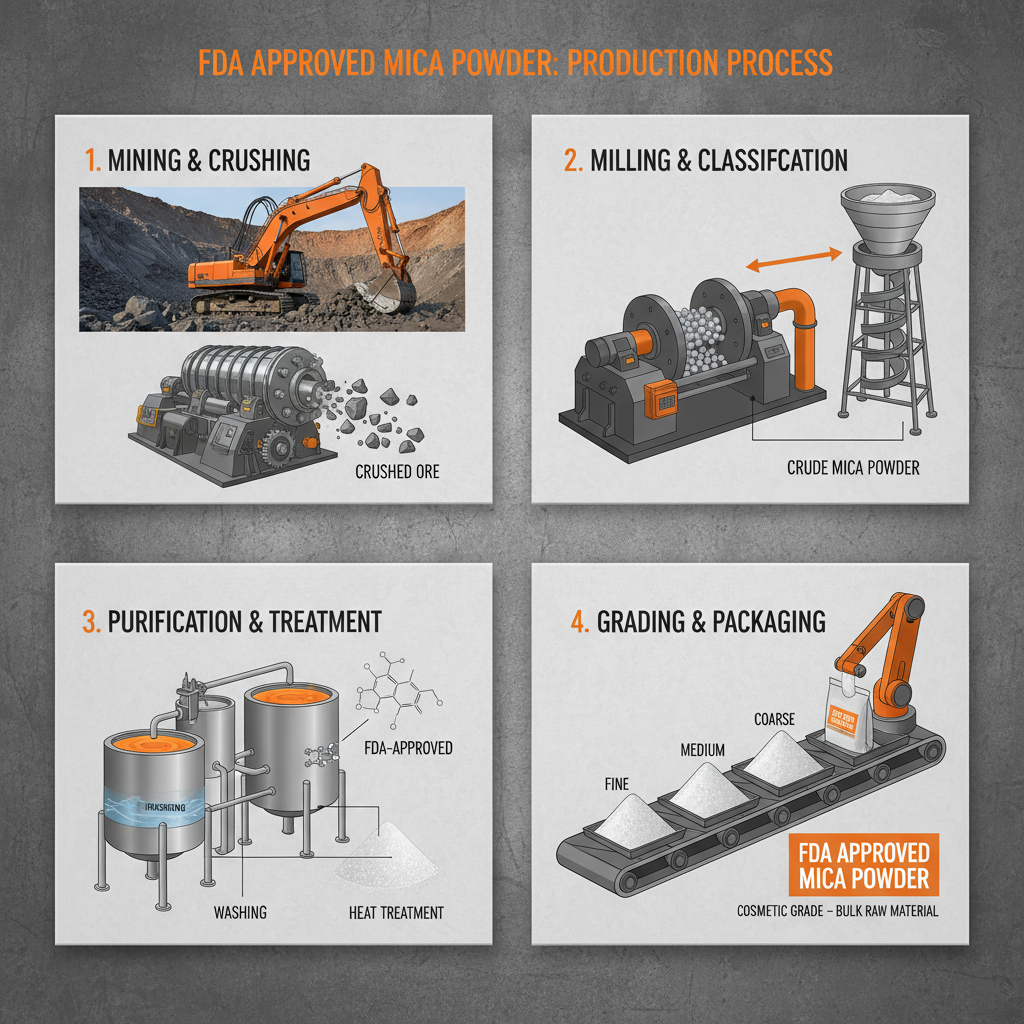
mica wholesale plays a critical role in various industries, from paints and coatings to plastics and cosmetics. Its global demand is driven by economic growth, particularly in developing nations, and the increasing need for durable and aesthetically pleasing materials. Understanding the nuances of sourcing, quality control, and logistical considerations within the mica wholesale market is crucial for businesses seeking a competitive edge and ensuring sustainable supply chains.
The global mica wholesale market is estimated to reach significant values in the coming years, fueled by a growing construction industry and increasing demand for automotive paints. Challenges such as ethical sourcing and ensuring child labor-free supply chains are paramount concerns driving industry changes. Navigating these complexities requires diligent due diligence and collaboration with responsible suppliers.
Ultimately, a thorough understanding of mica wholesale practices enables businesses to optimize costs, reduce risks, and contribute to a more sustainable and ethical industry landscape. This knowledge is essential for manufacturers, distributors, and end-users alike seeking to leverage the versatile properties of mica.
Introduction to mica wholesale
mica wholesale refers to the practice of procuring large quantities of mica, a naturally occurring silicate mineral, directly from suppliers for use in a wide range of industrial applications. This often involves negotiating pricing based on volume, grade, and specific properties, and establishing long-term relationships with producers to ensure a consistent supply.
Successful mica wholesale relies on a comprehensive understanding of market dynamics, including sourcing locations (India and China being prominent examples), production costs, and prevailing global demand. Effective quality control measures are also vital to ensure the mica meets the required specifications for intended use, minimizing waste and maximizing value for the buyer.
The Global Relevance of mica wholesale
The global mica wholesale industry is a multi-billion dollar market, significantly impacting economies worldwide. According to the United Nations, demand for industrial minerals like mica is directly correlated with growth in construction, automotive, and manufacturing sectors. India accounts for a substantial proportion of global mica production, but growing environmental concerns and ethical sourcing demands are reshaping the landscape.
The World Bank highlights the importance of sustainable supply chains, particularly in the context of mica mining, due to historical issues surrounding child labor and hazardous working conditions. International organizations like ISO are actively working to establish standards for responsible mica sourcing and traceability. This drive toward ethical practices is putting pressure on wholesale buyers to prioritize suppliers who demonstrate a commitment to sustainability.
A significant challenge within mica wholesale is balancing cost-effectiveness with ethical considerations. Buyers are increasingly seeking transparency and verification of labor practices throughout the supply chain, demanding certifications and audits to ensure responsible sourcing. This evolving demand is creating both opportunities and challenges for suppliers and wholesale distributors alike.
Defining mica wholesale
mica wholesale is essentially the bulk purchasing of mica from mines or processors, typically by businesses who intend to utilize it as a raw material in their own manufacturing processes. Unlike retail sales, which involve smaller quantities and direct consumer purchase, wholesale transactions focus on large volumes and business-to-business relationships.
This process is integral to modern industry as mica’s unique properties – including its insolubility, dielectric strength, and reflective qualities – make it invaluable in numerous applications, ranging from electrical insulation and paints to cosmetics and plastics. It connects the raw material extraction process with the vast array of consumer products we rely on daily.
The success of mica wholesale hinges on efficient logistics, strong supplier relationships, and a thorough understanding of different mica grades and their suitability for specific industrial applications. It's a critical component of ensuring a reliable supply of this versatile mineral to manufacturers globally.
Key Characteristics of mica wholesale
One crucial characteristic of mica wholesale is its emphasis on grade and quality control. Different applications demand varying levels of purity, particle size, and color. Wholesale buyers need to rigorously inspect shipments to ensure they meet stringent specifications.
Volume discounts are a cornerstone of mica wholesale. Purchasing in bulk significantly reduces the per-unit cost, making it an economically advantageous option for large-scale manufacturers. Negotiating favorable pricing structures is therefore a key skill for wholesale buyers.
mica wholesale Quality Comparison
Applications of mica wholesale
A significant portion of mica wholesale goes into the paint and coatings industry, where it acts as a filler, extender, and pigment, enhancing durability, gloss, and weather resistance. Construction materials also heavily rely on mica for its insulating and reinforcing properties.
The electronics industry is a major consumer of mica, particularly for its excellent dielectric strength and heat resistance, making it ideal for use in capacitors, insulation, and circuit boards. Furthermore, the cosmetics industry utilizes mica for its shimmering effect and light-reflecting properties in products like eyeshadows and foundations.
Benefits of Utilizing mica wholesale
Utilizing mica wholesale offers significant cost savings compared to purchasing smaller quantities through retail channels. The ability to negotiate bulk pricing allows manufacturers to reduce their raw material expenses and improve profitability.
Furthermore, mica wholesale ensures a reliable and consistent supply of material, which is critical for maintaining production schedules and meeting customer demand. Establishing long-term relationships with reputable wholesale suppliers minimizes the risk of disruptions and supply chain bottlenecks.
Beyond cost and reliability, sourcing through mica wholesale can contribute to a more sustainable and ethical supply chain when partnering with suppliers committed to responsible mining practices and fair labor standards. This enhances brand reputation and aligns with growing consumer demand for ethical products.
Future Trends in mica wholesale
One emerging trend is the increasing demand for synthetic mica, which offers greater purity and consistency compared to natural mica, and addresses some of the ethical concerns associated with mining. This presents both opportunities and challenges for wholesale suppliers.
Digital platforms and online marketplaces are transforming the mica wholesale landscape, providing greater transparency, wider access to suppliers, and streamlined ordering processes. Blockchain technology is being explored to enhance traceability and ensure ethical sourcing.
The focus on sustainability and circular economy principles is also gaining momentum, with greater emphasis on reducing waste, recycling mica byproducts, and minimizing the environmental impact of mining operations. This will likely drive innovation in processing techniques and material handling.
Overview of Key Factors Influencing mica wholesale Supplier Selection
| Supplier Reputation |
Price Competitiveness |
Quality Control Measures |
Ethical Sourcing Practices |
| Industry standing and track record. |
Comparison of pricing structures and discount options. |
Detailed description of quality assurance processes. |
Evidence of commitment to fair labor practices and environmental responsibility. |
| Customer reviews and testimonials. |
Assessment of long-term pricing stability. |
Availability of certifications (e.g., ISO 9001). |
Transparency regarding the origin of mica. |
| Financial stability and longevity. |
Negotiating power and payment terms. |
Consistency of product specifications. |
Audit reports and supply chain documentation. |
| Responsiveness to inquiries and support. |
Shipping costs and delivery times. |
Handling of product defects and returns. |
Compliance with international labor standards. |
| Market intelligence and forecasting capabilities. |
Minimum order quantities and inventory levels. |
Batch traceability and documentation. |
Investments in community development initiatives. |
| Adaptability to changing market demands. |
Currency exchange rate management. |
Adherence to environmental regulations. |
Partnerships with responsible mining organizations. |
FAQS
Lead times for mica wholesale orders can vary significantly depending on the quantity, grade, and origin of the mica. Generally, standard grades available in stock may ship within 5-7 business days. However, custom orders or those requiring sourcing from specific mines can take 4-8 weeks. It’s crucial to discuss lead times upfront with your supplier to ensure timely delivery, especially for time-sensitive projects.
Ensuring ethical sourcing requires thorough due diligence. Look for suppliers with transparent supply chains, certifications like the Responsible Mica Initiative (RMI), and a willingness to provide detailed information about their mining practices. Request audit reports, verify labor standards, and prioritize suppliers committed to fair wages and safe working conditions. Traceability is key to confirming the origin and ethical production of the mica.
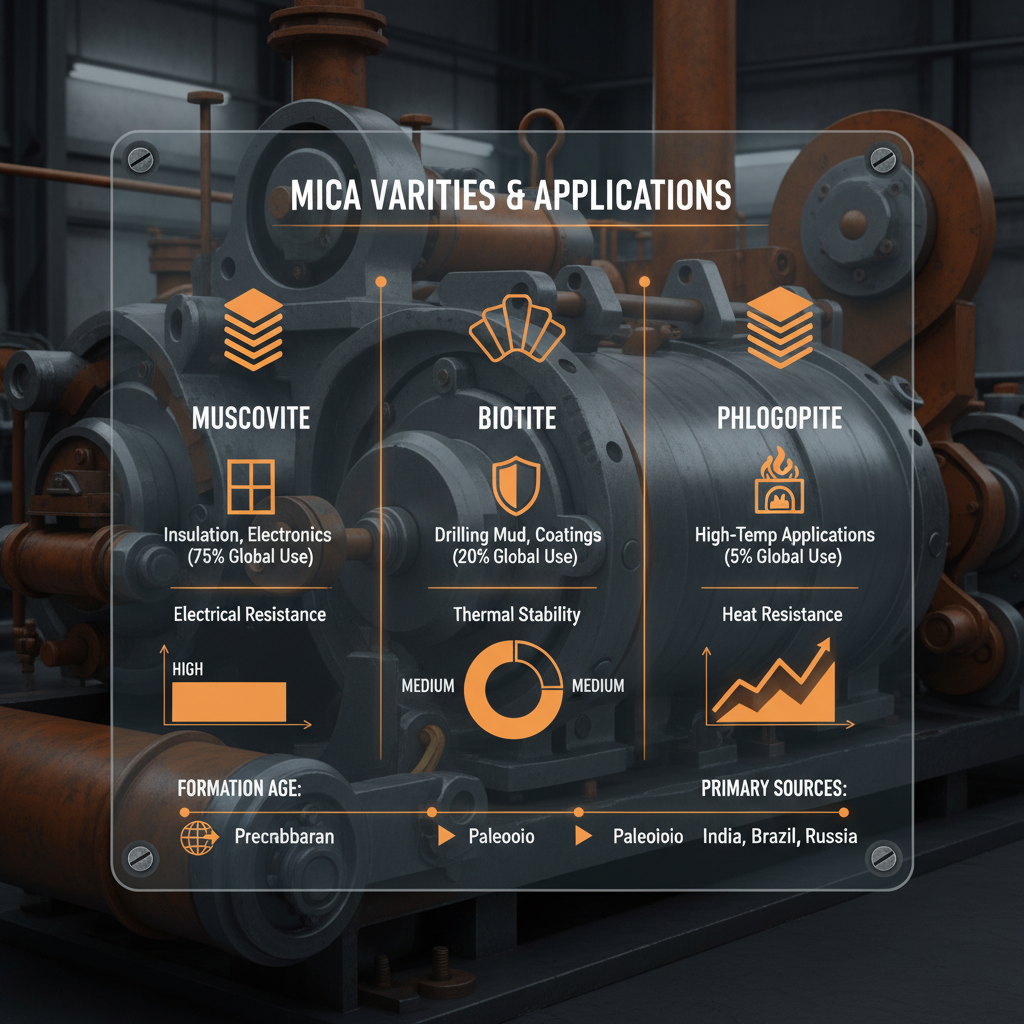
Mica grades are categorized based on purity, particle size, color, and overall quality. Muscovite, Phlogopite, and Biotite are common types, each with varying properties and applications. Higher-grade mica with minimal impurities and consistent particle size commands a premium price. The presence of imperfections or variations in color can reduce the cost. Understanding your application requirements is crucial for selecting the appropriate grade and optimizing cost-effectiveness.
Mica is relatively lightweight but can be fragile. Proper packaging is essential to prevent damage during transit. Suppliers typically use durable bags, pallets, and shrink wrap to ensure safe handling. Shipping costs depend on weight, volume, and destination. Negotiate shipping terms with your supplier and consider insurance to protect against loss or damage during transportation.
Accurately estimating your mica requirements involves considering the surface area to be covered, the desired thickness of application, and the density of the mica. Consult with your supplier for guidance on consumption rates based on your specific application. It's often prudent to order a slight overage to account for waste or unforeseen circumstances.
Common payment methods for mica wholesale include wire transfers, letters of credit, and in some cases, credit cards. The preferred method often depends on the volume of the transaction and the supplier's policies. For large orders, letters of credit provide greater security for both the buyer and the seller. Negotiate payment terms and conditions upfront to ensure a smooth transaction.
Conclusion
In conclusion, mica wholesale is a vital component of numerous industries, offering a cost-effective and reliable source of this versatile mineral. Understanding the key characteristics of the market – from grade and quality control to ethical sourcing and supply chain logistics – is crucial for businesses seeking to optimize their operations and maintain a competitive edge. The increasing focus on sustainability and traceability will continue to shape the landscape of mica wholesale in the years to come.
For businesses seeking high-quality mica solutions, we encourage you to explore our comprehensive range of products and services. Visit our website at mica wholesale to learn more about how we can meet your specific needs and contribute to your success. We are committed to providing ethical, sustainable, and reliable mica solutions for a diverse range of applications.