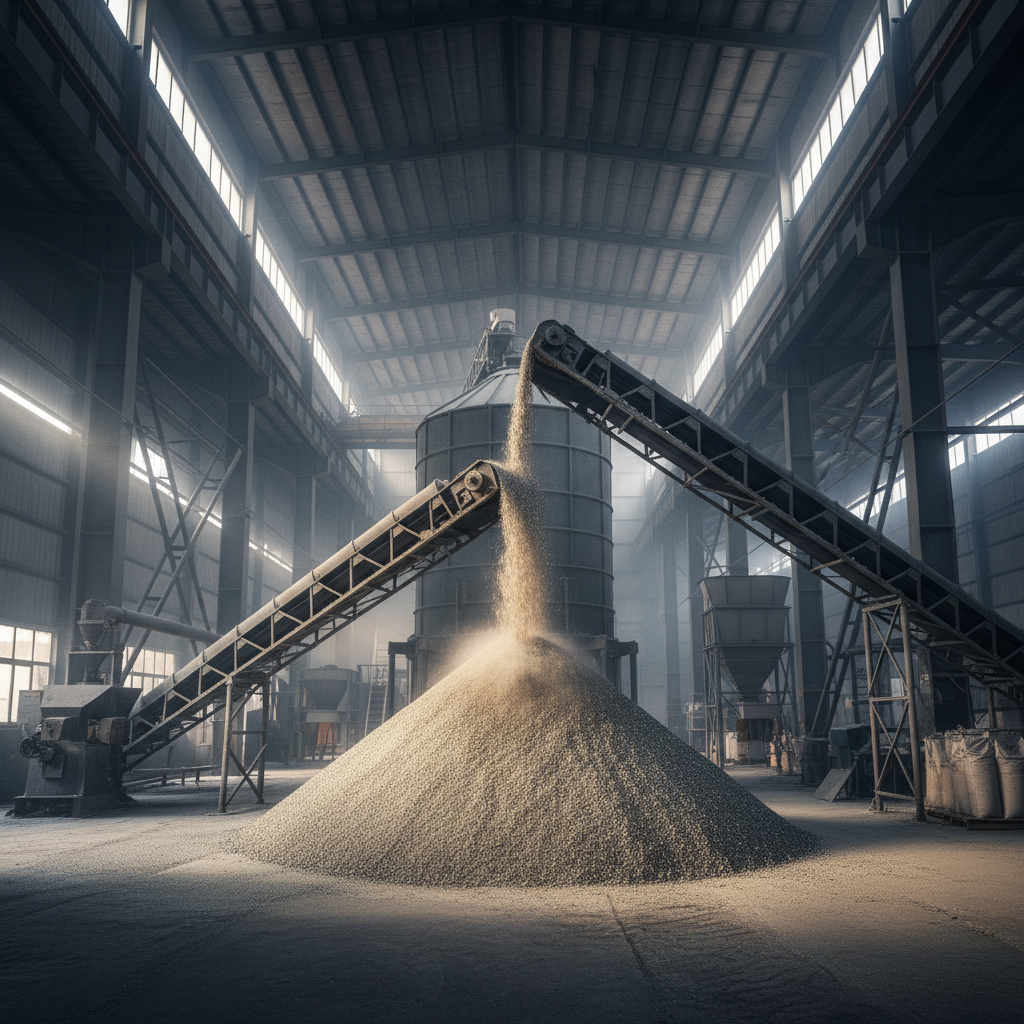
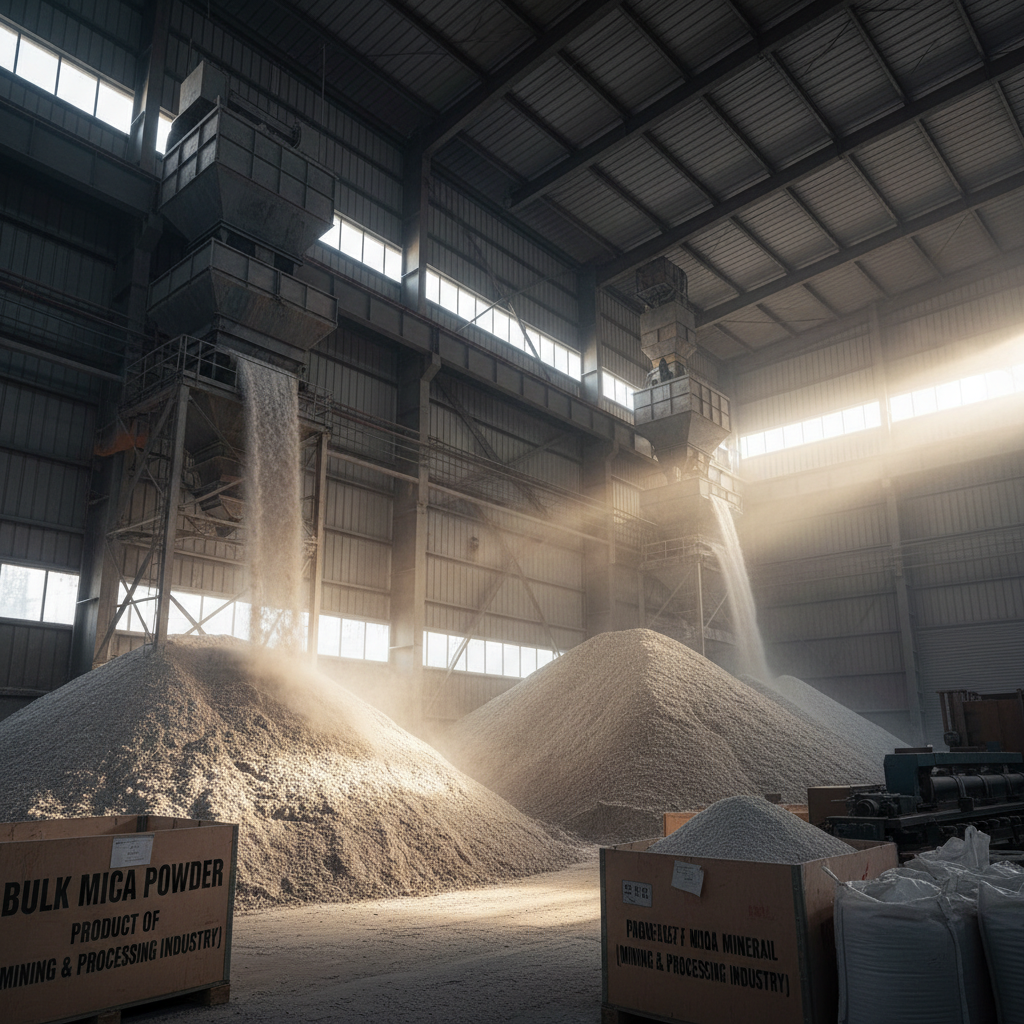
Bulk mica powder, a naturally occurring mineral silicate, is experiencing increasing global demand due to its versatile applications across diverse industries. From cosmetics and paints to plastics and even construction, the unique properties of mica – including its shimmer, pearlescence, and chemical inertness – make it an indispensable ingredient. Understanding the sourcing, processing, and applications of bulk mica powder is critical for businesses and consumers alike, especially as sustainability and ethical sourcing become paramount concerns.
The global mica market is substantial and growing, with key producing regions including India, China, and Russia. The demand is driven by both established economies and rapidly developing nations seeking to enhance product aesthetics and functionality. However, the industry faces challenges related to child labor and environmental impact in certain sourcing areas. Therefore, responsible sourcing and supply chain transparency are vital aspects when considering bulk mica powder.
This increasing demand for bulk mica powder necessitates a deep understanding of its characteristics, applications, and responsible procurement methods. By exploring these facets, stakeholders can navigate the market effectively and contribute to a more sustainable and ethical industry.
The Global Relevance of bulk mica powder
The global demand for bulk mica powder is substantial, estimated to be worth billions of dollars annually. According to industry reports, the Asia-Pacific region represents the largest market, driven by rapid industrialization and a growing consumer base. The United Nations Sustainable Development Goals (SDGs), particularly those related to responsible consumption and production (SDG 12), are increasingly influencing sourcing practices within the mica industry.
A significant challenge facing the industry is ensuring ethical sourcing, addressing concerns about child labor in some mining regions. Organizations like UNICEF and the Responsible Minerals Initiative are working to promote sustainable practices and eliminate exploitative labor. The increasing focus on environmental sustainability also drives the demand for responsibly mined and processed bulk mica powder.
Defining bulk mica powder
Bulk mica powder refers to a collection of sheet silicate minerals – primarily muscovite, phlogopite, and biotite – ground into a powder form. The powder is characterized by its platy structure, which provides a unique pearlescent effect when incorporated into various products. The term ‘bulk’ indicates the material is supplied in large quantities, typically ranging from kilograms to tons, catering to industrial needs rather than small-scale consumer purchases.
In modern industry, mica powder serves as a crucial functional filler, enhancing the performance and appearance of numerous materials. Its chemical inertness and high thermal stability make it valuable in applications demanding resistance to heat, chemicals, and electrical conductivity. This directly addresses the need for durable and reliable materials in sectors like automotive, aerospace, and electronics.
Beyond industrial applications, mica powder plays a critical role in addressing humanitarian needs. It's a key component in coatings that protect infrastructure from environmental damage, contributing to long-lasting and resilient structures, particularly in disaster-prone areas.
Key Properties of bulk mica powder
One of the most prominent properties of bulk mica powder is its exceptional durability. The sheet-like structure imparts high resistance to abrasion, weathering, and chemical attack. This makes it ideal for use in paints and coatings designed for long-term exterior applications, protecting surfaces from the elements and reducing maintenance costs.
Mica’s high thermal stability is another key characteristic. It can withstand temperatures up to 500°C without significant degradation, making it a valuable component in fire retardant materials and high-temperature insulation. This feature is crucial in industries like aerospace and construction, where safety and reliability are paramount.
Chemical inertness is also a defining property. Mica doesn’t readily react with other substances, ensuring its compatibility with a wide range of formulations. This versatility extends its application to cosmetics, where it’s used as a safe and non-toxic pigment, and to plastics, where it enhances strength and dimensional stability.
Scalability and Cost Efficiency of bulk mica powder
The scalability of bulk mica powder production is a significant advantage. Mica deposits are relatively abundant globally, allowing for large-scale mining operations and consistent supply. This ensures that manufacturers can reliably source the material to meet their production demands, minimizing supply chain disruptions.
Compared to other functional fillers offering similar properties, bulk mica powder often presents a more cost-effective solution. Its abundance and relatively simple processing methods contribute to competitive pricing, making it an attractive option for businesses seeking to optimize their material costs without compromising on performance.
Cost Comparison of Different Functional Fillers
Diverse Applications of bulk mica powder
The versatility of bulk mica powder translates into a wide array of applications. In the cosmetics industry, it provides shimmer and coverage in foundations, eyeshadows, and lipsticks, offering a natural and safe alternative to synthetic pigments.
In the paints and coatings sector, mica powder enhances durability, UV resistance, and corrosion protection. It's used in both architectural and industrial coatings, extending the lifespan of surfaces and reducing maintenance requirements. Furthermore, it finds application in plastics, rubber, and even adhesives, improving mechanical properties and thermal stability.
Long-Term Value and Sustainability
Investing in bulk mica powder isn’t just about acquiring a functional material; it's about embracing long-term value. Its durability reduces the need for frequent replacements, lowering lifecycle costs. Its chemical inertness ensures compatibility with future formulations, safeguarding investments in research and development.
Increasingly, sustainability is a key driver of value. Sourcing mica from responsible suppliers who prioritize ethical labor practices and environmental stewardship enhances brand reputation and aligns with consumer preferences. Choosing bulk mica powder from certified sources builds trust and promotes a more sustainable supply chain.
Future Trends in bulk mica powder
The future of bulk mica powder is intertwined with advancements in materials science and sustainability. Research is underway to develop even more efficient and environmentally friendly processing methods, reducing energy consumption and waste generation. Nanomica, with its enhanced properties, is gaining traction in specialized applications requiring high performance.
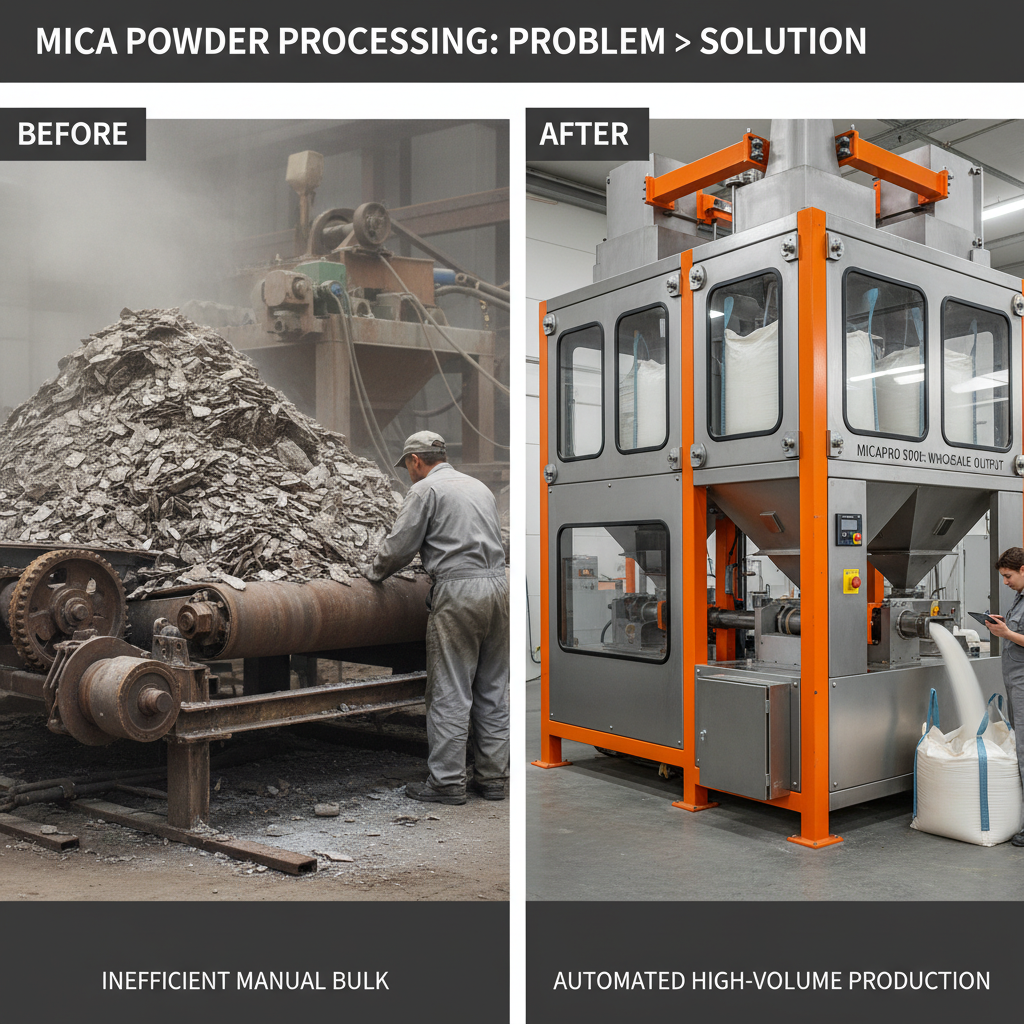
Digital transformation is also impacting the industry. Blockchain technology is being explored to enhance supply chain transparency, ensuring traceability and verifying ethical sourcing claims. Automation in mining and processing operations is expected to increase efficiency and reduce costs.
The increasing demand for sustainable materials will continue to drive innovation in the bulk mica powder industry, pushing for responsible sourcing, greener production techniques, and novel applications that minimize environmental impact.
Summary of Key Factors Influencing Bulk Mica Powder Sustainability
| Sourcing Region |
Ethical Labor Practices |
Environmental Impact |
Processing Efficiency |
| India |
Moderate (Ongoing efforts to eliminate child labor) |
Moderate (Land degradation, water usage) |
6/10 |
| China |
High (Strict regulations, improving compliance) |
Moderate (Air and water pollution) |
7/10 |
| Russia |
Moderate (Limited transparency) |
Low (Remote locations, minimal oversight) |
5/10 |
| Brazil |
High (Strong labor laws, enforcement challenges) |
Moderate (Deforestation concerns) |
6/10 |
| United States |
Very High (Strict regulations, robust oversight) |
Low (Environmental regulations) |
8/10 |
| Madagascar |
Low (Informal mining, high risk of exploitation) |
High (Environmental degradation, habitat loss) |
4/10 |
FAQS
Muscovite mica powder is known for its high clarity, brilliance, and superior dielectric strength, making it ideal for applications requiring electrical insulation and a pearlescent effect. Phlogopite, on the other hand, boasts a lower refractive index and higher heat resistance. It is commonly used in applications where thermal stability is critical, such as high-temperature coatings and plastics. Choosing between the two depends on the specific requirements of the application.
The processing of bulk mica powder begins with mining the raw ore, which is then crushed and ground into smaller particles. Subsequent steps involve wet or dry separation techniques to isolate the mica flakes from impurities. These flakes are then milled to the desired particle size, often involving micronization for specialized applications. Finally, the powder undergoes quality control testing to ensure purity, particle size distribution, and other key parameters.
While generally considered non-toxic, prolonged inhalation of mica dust can cause respiratory irritation. It’s recommended to wear a dust mask or respirator when handling bulk mica powder, especially during milling or mixing operations. Eye protection is also advised to prevent irritation. Ensure adequate ventilation in the work area and follow standard industrial hygiene practices.
Certain grades of mica powder are approved for use in food applications, primarily as an anti-caking agent and surface treatment for confectionary products. However, it’s crucial to verify that the mica powder meets the stringent purity and safety standards set by regulatory bodies like the FDA. Not all bulk mica powder is food-grade, so careful selection and certification are essential.
Lead times for bulk mica powder orders vary depending on the quantity, grade, and availability. Typically, standard grades in stock can be shipped within 1-3 business days. Custom orders or large quantities may require 2-4 weeks for processing and delivery. It's always advisable to confirm lead times with your supplier before placing an order.
Bulk mica powder should be stored in a cool, dry, and well-ventilated area, away from direct sunlight and moisture. Keep containers tightly sealed to prevent contamination and maintain the powder’s free-flowing properties. Proper storage conditions are crucial to ensure the powder's purity, color stability, and performance characteristics over time.
Conclusion
In conclusion, bulk mica powder is a remarkably versatile material with a broad range of applications spanning numerous industries. Its unique properties – durability, thermal stability, chemical inertness, and pearlescence – make it an invaluable component in everything from cosmetics and paints to plastics and advanced technologies. Understanding its sourcing, processing, and responsible use is paramount for businesses and consumers seeking sustainable and high-performing materials.
Looking ahead, continued innovation in processing techniques and a growing emphasis on ethical and environmental responsibility will shape the future of the bulk mica powder industry. By embracing sustainable practices and investing in research and development, we can unlock even greater potential for this remarkable mineral, contributing to a more sustainable and technologically advanced future. For high-quality bulk mica powder solutions, visit our website: www.hjmica.com.