Mica powder, a naturally occurring mineral, is experiencing a surge in global demand due to its versatile applications across numerous industries. From imparting a shimmering effect in cosmetics and paints to serving as a crucial component in electronics and automotive parts, mica's unique properties – including its inertness, flexibility, and insulating capabilities – make it invaluable. Understanding the intricacies of mica powder sourcing, processing, and application is increasingly vital in a world demanding both aesthetic appeal and functional performance.
The global mica market is projected to reach significant growth in the coming years, fueled by expanding end-use industries and increasing consumer awareness. However, this growth is accompanied by critical challenges, particularly concerning ethical sourcing and sustainable mining practices. Concerns about child labor and environmental impact necessitate a shift towards responsible mica supply chains, driving innovation in traceability and alternative materials.
This exploration delves into the multifaceted world of mica powder, providing a comprehensive overview of its properties, applications, challenges, and future trends. It aims to equip readers with a foundational understanding of this essential mineral and its growing significance in a rapidly evolving global landscape.
The Significance of Mica Powder
Mica powder isn’t merely a pigment or filler; it's a foundational component in a diverse range of products that impact daily life. Its ability to enhance product performance, aesthetics, and durability makes it a sought-after material. The increasing demand, particularly for pearlescent and shimmering effects, demonstrates the ongoing relevance of mica powder in modern manufacturing.
From automotive coatings that withstand harsh environmental conditions to high-performance plastics that require thermal stability, mica powder plays a crucial role. Its contribution to sustainability is also growing, with advancements in eco-friendly mining practices and applications in renewable energy technologies.
Defining Mica Powder
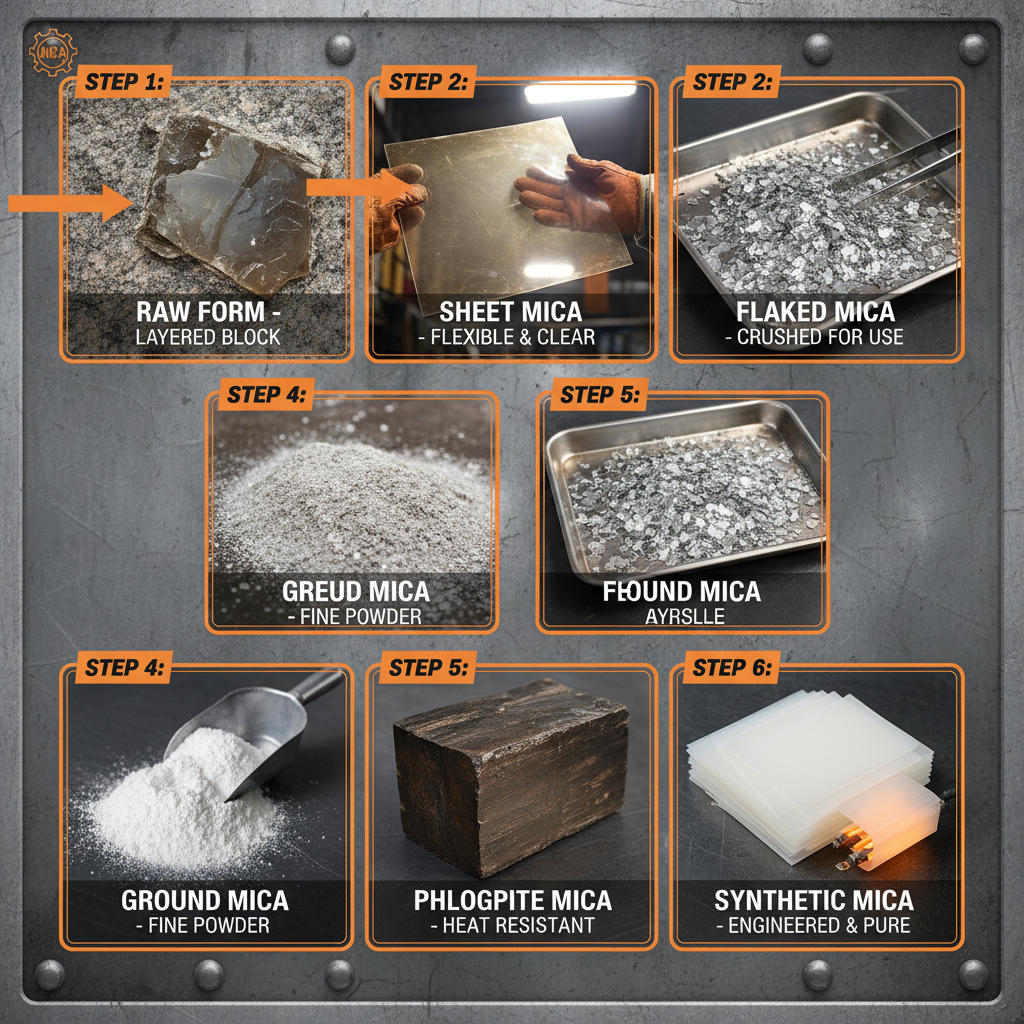
Mica powder is a natural mineral composed of silicate minerals formed into thin, flaky layers. These layers easily separate, giving mica its characteristic sheen and texture. It’s derived from several different minerals, including muscovite, phlogopite, and biotite, each offering slightly different properties. The resulting powder is incredibly versatile, ranging in color from nearly colorless to silver, gold, brown, and even green.
Historically, mica has been utilized for its insulating properties and decorative qualities. In modern times, advancements in processing techniques have unlocked a much broader spectrum of applications. mica powder is now fundamental in industries demanding high performance, aesthetic appeal, and sustainable material options.
The connection to modern industry and humanitarian needs stems from mica’s inherent properties. Its electrical insulation is vital in electronics, its thermal stability is crucial in automotive parts, and its non-toxic nature makes it safe for cosmetic applications. Furthermore, its relative abundance and cost-effectiveness make it an attractive solution for a wide array of projects.
Key Properties of Mica Powder
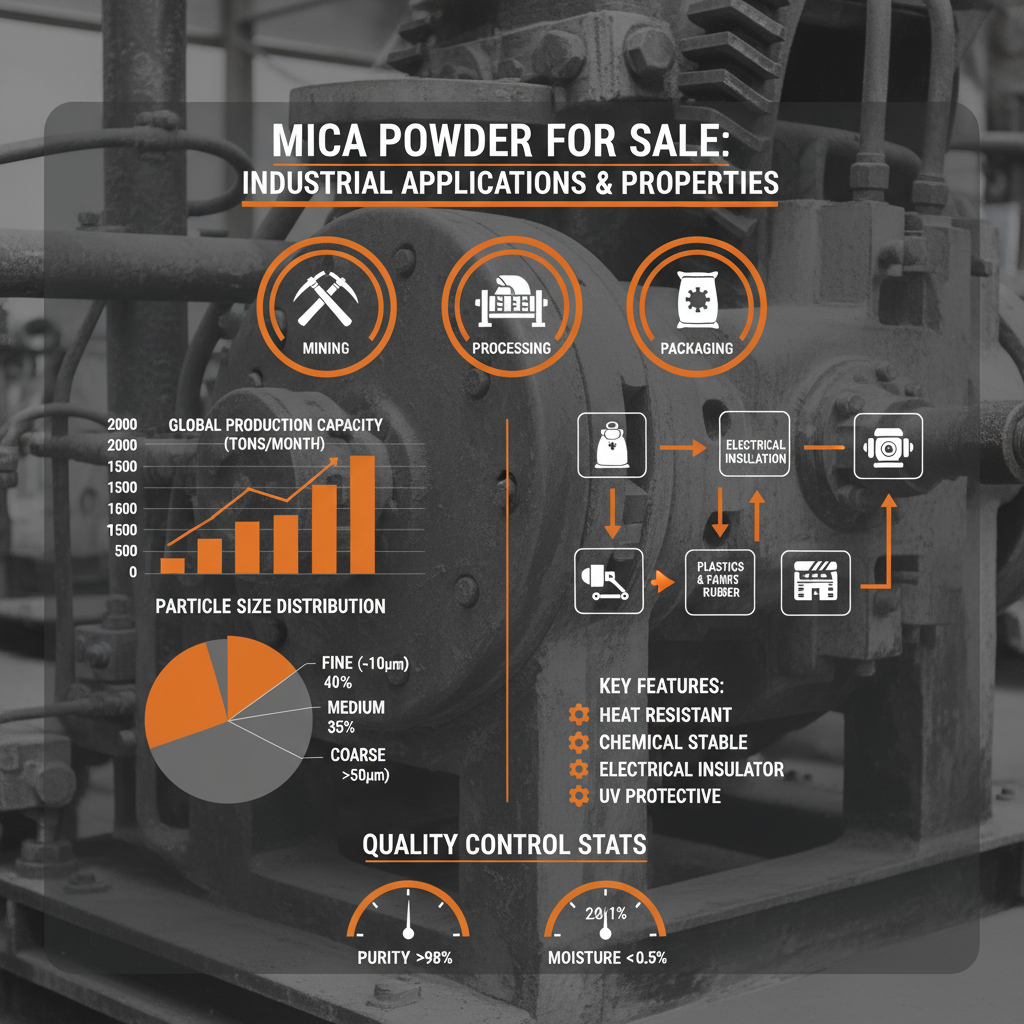
One of the most significant properties of mica powder is its exceptional thermal stability. It can withstand high temperatures without degrading or losing its structural integrity. This makes it invaluable in applications like automotive brake linings, high-temperature coatings, and electrical insulation. The inherent chemical inertness of mica also ensures it won't react with other substances, contributing to its long-term performance.
Another critical characteristic is its dielectric strength – its ability to resist the flow of electrical current. This makes mica powder an essential component in capacitors, insulators, and other electrical components. The thin, flaky structure contributes to its unique optical properties, creating pearlescent and shimmering effects when incorporated into paints, plastics, and cosmetics.
Beyond thermal and electrical properties, mica powder exhibits excellent resistance to UV radiation and weathering. This makes it an ideal additive for outdoor coatings and plastics, extending their lifespan and preserving their appearance. It is also relatively soft, allowing for easy incorporation into various formulations without causing abrasion or damage to other materials.
Global Applications of Mica Powder
The applications of mica powder are remarkably diverse, spanning a wide range of industries. In the cosmetics industry, it’s a primary ingredient in foundations, eyeshadows, and lipsticks, creating a shimmering effect and enhancing skin tone. In the automotive sector, mica powder is used in coatings to improve durability, resistance to scratches, and aesthetic appeal.
The plastics industry relies on mica powder to enhance thermal stability, impact resistance, and dimensional stability. It’s also a crucial component in paints and coatings, improving their hiding power, weather resistance, and durability. Electronics manufacturers utilize mica’s dielectric properties in capacitors, insulators, and circuit boards.
Mica Powder Application Breakdown by Industry
Advantages and Long-Term Value
The tangible benefits of utilizing mica powder are numerous. From a cost perspective, it's a relatively inexpensive material compared to many alternatives offering similar performance characteristics. Its natural abundance contributes to its affordability, making it accessible for a wide range of applications. Sustainability is another key advantage. When sourced responsibly, mica offers a natural and eco-friendly alternative to synthetic materials.
The long-term value extends beyond cost and sustainability. Mica powder enhances product durability, extending lifespan and reducing the need for frequent replacements. This not only benefits consumers but also reduces waste and promotes resource efficiency. Furthermore, the inherent safety of mica makes it a desirable ingredient in products that come into direct contact with humans, such as cosmetics and food packaging.
Future Trends in Mica Powder
The future of mica powder is intertwined with emerging technologies and a growing emphasis on sustainability. Research is underway to develop new processing techniques that reduce environmental impact and enhance mica’s performance characteristics. Nanomica, a form of mica with exceptionally small particle sizes, is gaining traction due to its enhanced properties and novel applications in areas like advanced composites and drug delivery systems.
The integration of digital technologies, such as blockchain, is being explored to improve traceability and ensure ethical sourcing. Furthermore, the demand for eco-friendly materials is driving innovation in bio-based mica alternatives and sustainable mining practices.
Challenges and Solutions in Mica Production
Despite its many benefits, the mica industry faces significant challenges, primarily relating to ethical sourcing and environmental impact. Historically, mica mining has been associated with child labor and unsafe working conditions in certain regions. Ensuring a transparent and ethical supply chain is paramount.
Addressing these challenges requires a multi-faceted approach. Implementing robust traceability systems, supporting fair labor practices, and promoting responsible mining techniques are crucial steps. Collaboration between industry stakeholders, NGOs, and governments is essential to establish and enforce ethical standards. mica powder suppliers are increasingly investing in audits and certifications to demonstrate their commitment to responsible sourcing.
Furthermore, reducing the environmental impact of mica mining through responsible land management and waste reduction is vital. Exploring alternative mining methods that minimize disturbance and promote biodiversity is also a key area of focus.
Summary of Mica Production Challenges and Potential Solutions
| Challenge |
Severity (1-10) |
Potential Solution |
Implementation Cost (USD) |
| Child Labor in Mining |
9 |
Robust Supply Chain Audits & Certification |
50,000 - 200,000 |
| Environmental Degradation |
7 |
Sustainable Mining Practices & Land Reclamation |
20,000 - 100,000 |
| Lack of Transparency |
8 |
Blockchain-Based Traceability Systems |
30,000 - 150,000 |
| Worker Safety Concerns |
6 |
Improved Safety Training & Equipment |
10,000 - 50,000 |
| Price Volatility |
5 |
Long-Term Supply Contracts & Diversification |
5,000 - 20,000 |
| Limited Public Awareness |
4 |
Industry-Wide Marketing & Education Campaigns |
15,000 - 75,000 |
FAQS
Muscovite mica is known for its superior clarity and insulating properties, making it ideal for electrical applications. Phlogopite, on the other hand, exhibits higher heat resistance and is often preferred in applications where thermal stability is critical, such as automotive parts and high-temperature coatings. Both types of mica powder contribute unique benefits depending on the application requirements.
Look for suppliers who have implemented robust traceability systems and are certified by reputable organizations. Ask about their sourcing practices, including audits and collaborations with NGOs focused on fair labor standards. Transparency in the supply chain is a key indicator of ethical sourcing. Choosing certified mica powder from reputable vendors is a good start.
Mica mining can lead to deforestation, soil erosion, and water contamination if not managed responsibly. Sustainable mining practices, including land reclamation and waste reduction, are crucial to mitigate these impacts. Supporting companies committed to environmental stewardship helps minimize the negative consequences of mica extraction.
Nanomica refers to mica particles with extremely small sizes (typically less than 100 nanometers). This smaller size enhances its properties, such as surface area and dispersion, leading to improved performance in applications like advanced composites, coatings, and even drug delivery systems. It often leads to a more uniform and effective distribution of mica powder within a matrix.
Mica powder is a vital ingredient in many cosmetic products, used primarily to create a shimmering or pearlescent effect. It’s found in foundations, eyeshadows, lipsticks, and highlighters. It also enhances product texture and can contribute to light reflection, creating a more radiant appearance. The safety of mica powder for cosmetic use is rigorously regulated.
The price of mica powder is influenced by several factors, including grade, particle size, purity, and geographic origin. Ethical sourcing certifications and demand fluctuations also play a role. Supply chain disruptions and transportation costs can also impact pricing. Understanding these factors is vital when evaluating mica powder quotes.
Conclusion
In conclusion, mica powder is a remarkably versatile mineral with a wide range of applications impacting numerous industries, from cosmetics and automotive to electronics and construction. Its unique properties – thermal stability, dielectric strength, and inherent sheen – combined with its relative affordability, make it an invaluable material. However, responsible sourcing and sustainable mining practices are paramount to ensure its continued availability and minimize environmental impact.
Looking ahead, innovation in processing techniques, the development of nanomica, and the implementation of blockchain-based traceability systems will shape the future of the mica industry. Embracing these advancements and prioritizing ethical considerations will be crucial to unlocking the full potential of mica powder while safeguarding both the environment and the well-being of those involved in its production. For high-quality and responsibly sourced mica powder, visit our website: www.hjmica.com