Mica, a fascinating group of silicate minerals, plays a surprisingly crucial role in a multitude of industries and applications worldwide. From the shimmering pigments in cosmetics to the critical insulation in electronics, the unique properties of these minerals make them indispensable. Understanding the different types of mica – their characteristics, origins, and uses – is becoming increasingly important as demand grows and new applications are discovered. This knowledge enables efficient resource management, innovative product development, and ensures responsible sourcing practices.
Globally, the mica market is experiencing steady growth, driven by the expanding electronics, automotive, and construction sectors. According to recent market analyses, the global mica market is projected to reach billions of dollars in the coming years. However, this growth isn’t without challenges. Concerns surrounding ethical sourcing, particularly in certain regions, and the need for sustainable mining practices are driving increased scrutiny and the development of certification programs. The ability to differentiate between types of mica, and understand their specific properties, is paramount to ensuring quality and ethical sourcing.
The increasing demand for high-performance materials is fueling innovation in mica processing and application. Researchers and engineers are constantly seeking ways to enhance mica's properties and expand its usage into new areas such as energy storage and advanced composites. Understanding the nuanced differences between types of mica – muscovite, biotite, phlogopite, and others – allows for targeted application and optimized performance in these evolving technologies.
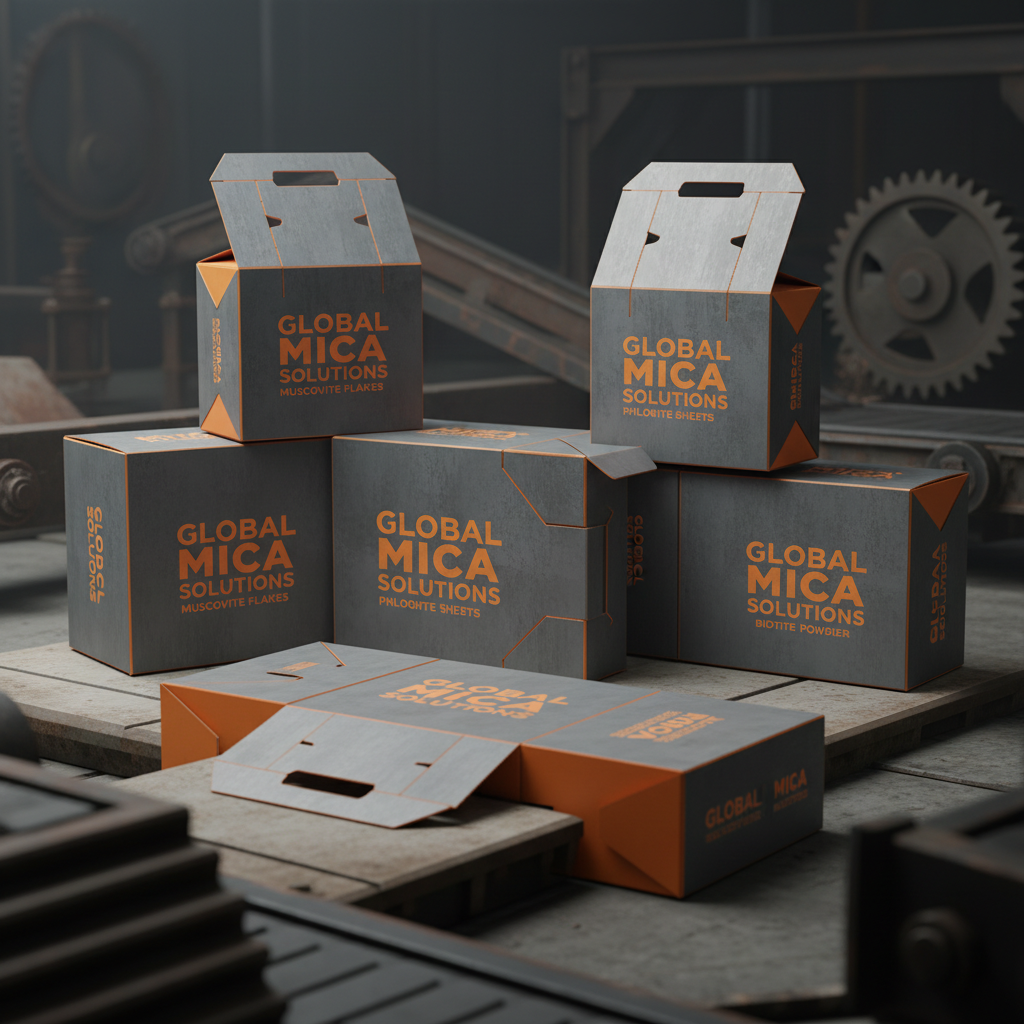
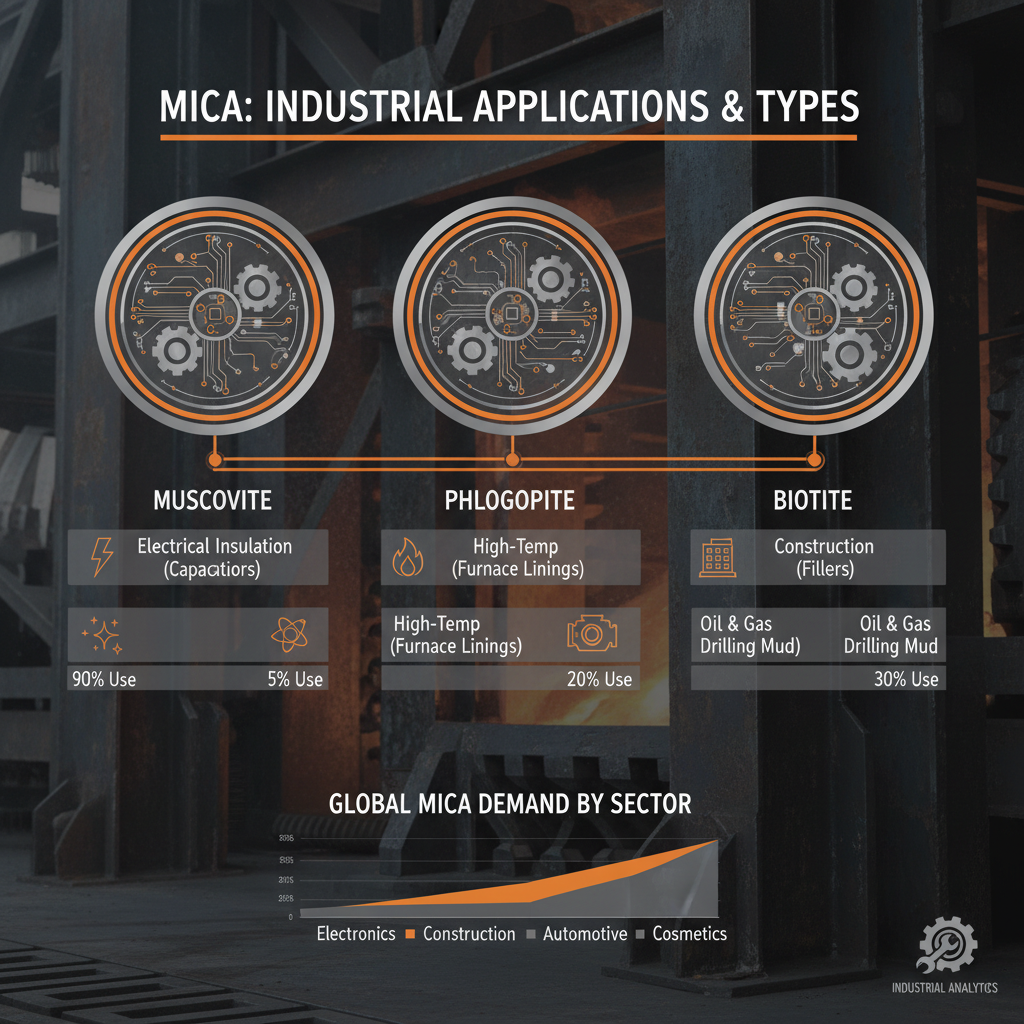
The world of mica encompasses a diverse range of silicate minerals, each with unique chemical compositions and physical properties. These differences directly influence their suitability for various applications. Recognizing the variations within types of mica is the first step in leveraging their potential.
From the commonly used muscovite and biotite to the more specialized phlogopite and lepidolite, each type offers distinct advantages. This diversity allows manufacturers to select the ideal mica for specific performance requirements, whether it's high-temperature resistance, electrical insulation, or optical clarity.
Muscovite and biotite are two common types of mica. Muscovite is known for its clarity, silvery-white appearance, and excellent electrical insulation properties. Biotite, on the other hand, contains iron and magnesium, giving it a darker, brownish-black color. It's generally less transparent and has slightly lower dielectric strength than muscovite. Choosing between them depends on the application requirements—muscovite for electrical applications and biotite for construction or applications where clarity isn't crucial.
Traditional mica mining can have environmental impacts, including habitat destruction and water contamination. However, there's a growing movement towards more sustainable practices. These include land reclamation, responsible water management, and minimizing waste. The development of synthetic mica, while more costly, also offers an environmentally friendly alternative. Certification programs and ethical sourcing initiatives are also playing a key role in promoting sustainability within the mica industry.
Several industries are heavily reliant on mica. The electronics industry uses mica for its insulating properties in capacitors, semiconductors, and other components. The automotive industry utilizes mica in paints and plastics for heat resistance and durability. The construction industry uses it in roofing materials and coatings. Additionally, the cosmetics and paint industries value mica for its shimmering effect and optical properties.
Recycling mica is challenging but increasingly feasible. Traditional recycling methods can be difficult due to the fine particle size and the fact that mica is often embedded within composite materials. However, research is exploring innovative separation techniques, including froth flotation and magnetic separation. Recycled mica can be reused in applications like fillers in plastics or construction materials, reducing waste and promoting circularity.
Mica is showing great promise in emerging technologies. Researchers are investigating its use in advanced battery technologies, where it can improve ion conductivity and energy storage capacity. Its thermal stability and insulating properties make it ideal for high-performance composites used in aerospace and automotive applications. Furthermore, its potential in microelectronics and nano-materials is being actively explored.
The pricing of mica is heavily influenced by its grade, which is determined by factors like purity, particle size, color, and clarity. High-purity, large-flake muscovite mica commands the highest prices due to its superior electrical properties and use in demanding applications. Lower grades, like smaller flake biotite mica, are more affordable and suitable for less critical applications. Synthetic mica generally falls into a higher price range due to the cost of production.
In conclusion, the world of types of mica is incredibly diverse and impactful. From its fundamental properties to its wide-ranging applications across numerous industries, mica remains a vital material in the modern world. Understanding the nuances between different types—muscovite, biotite, phlogopite, and more—is crucial for optimizing performance, ensuring ethical sourcing, and promoting sustainable practices.
Looking ahead, continued research and innovation will undoubtedly unlock even more potential for mica, particularly in emerging technologies like energy storage and advanced materials. By embracing sustainable mining practices, investing in recycling technologies, and prioritizing ethical sourcing, we can ensure that this valuable resource continues to benefit society for generations to come. Visit our website at www.hjmica.com to learn more about our range of mica products and solutions.