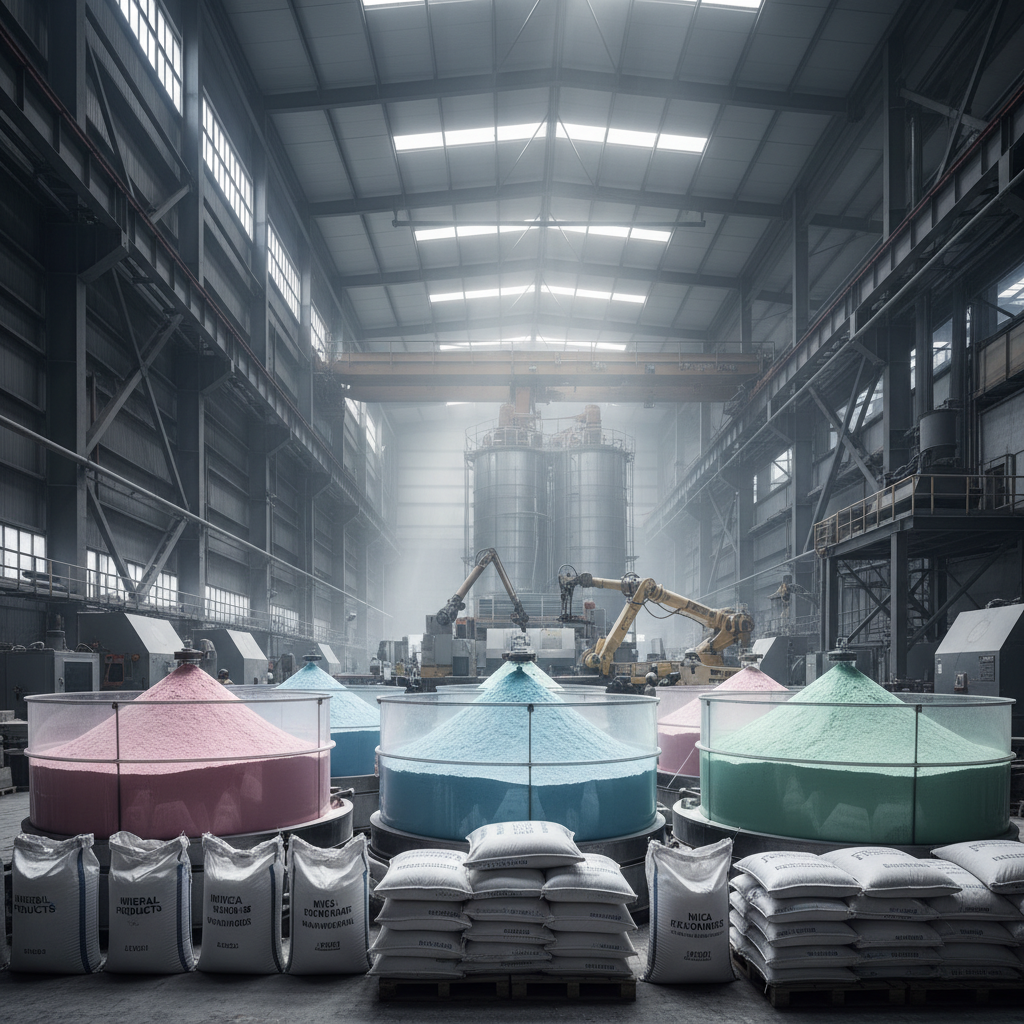
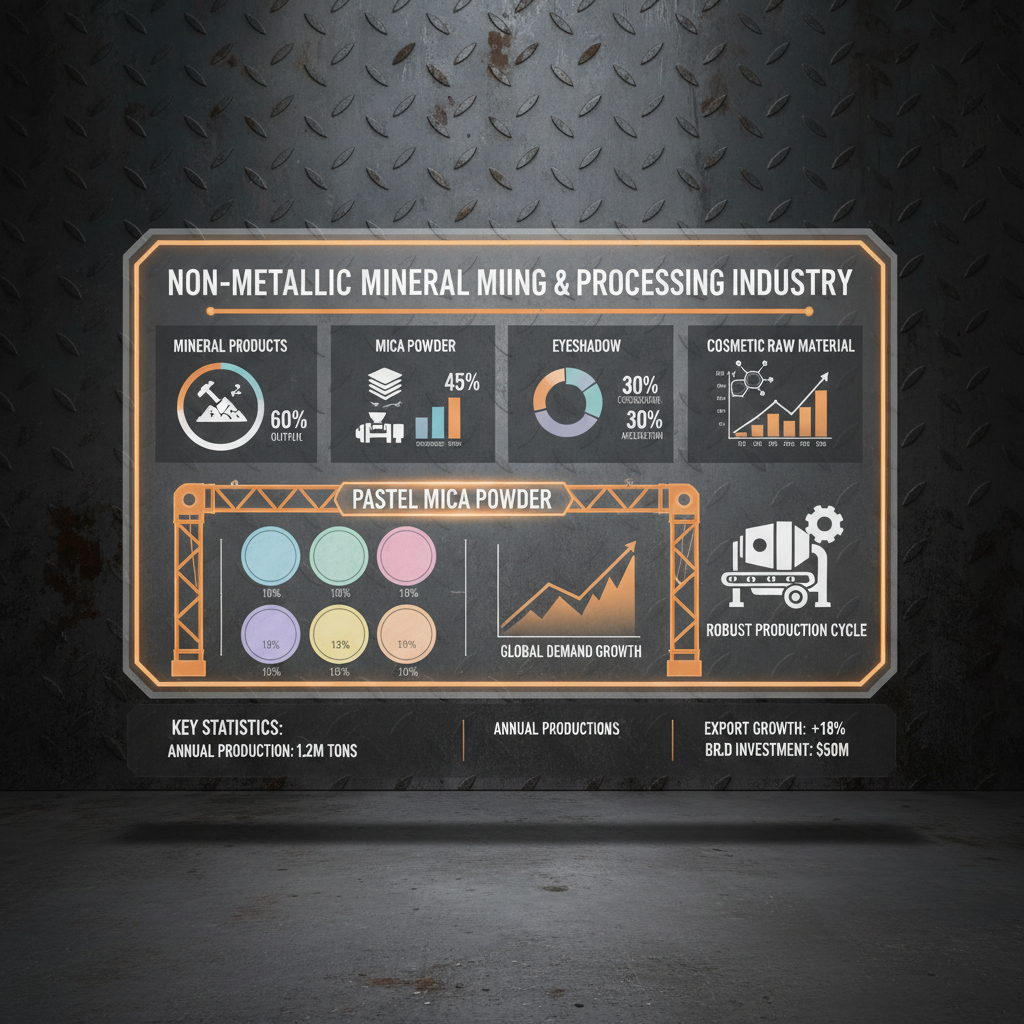
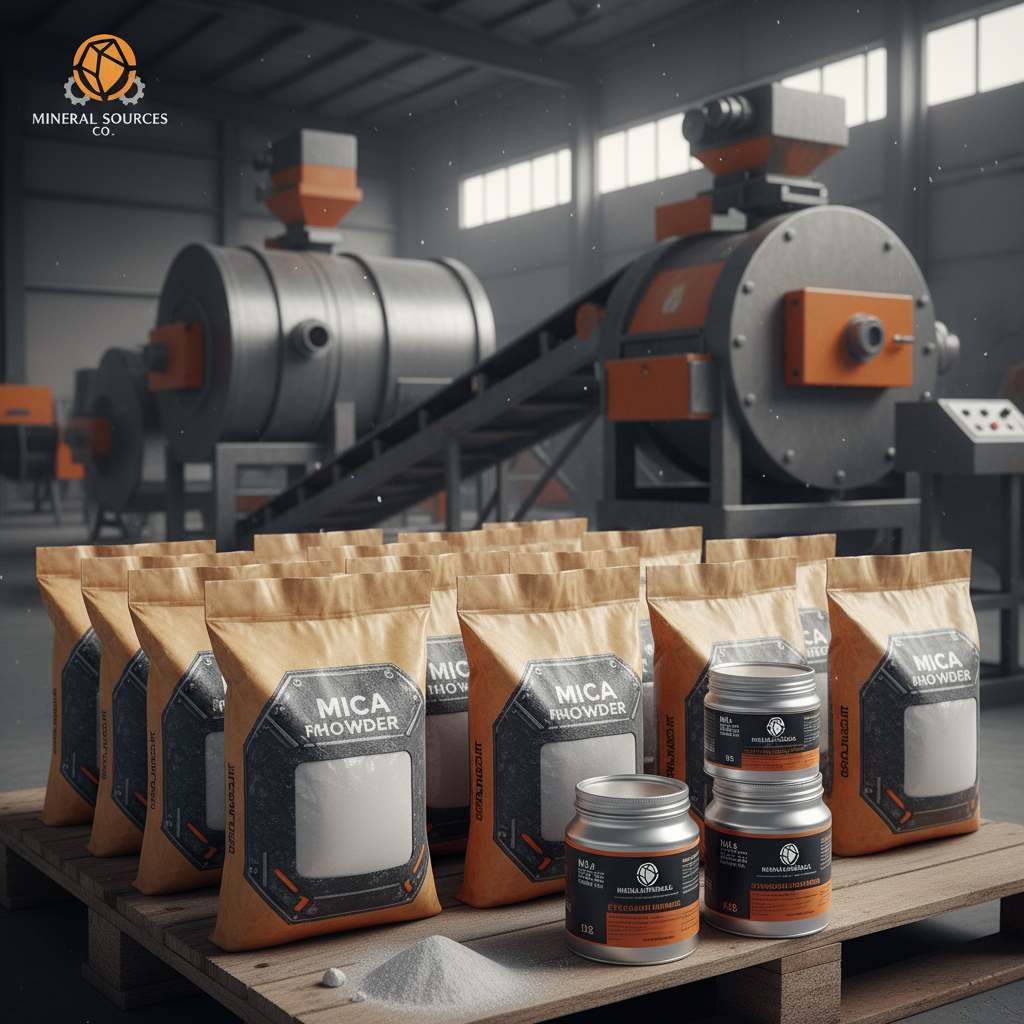
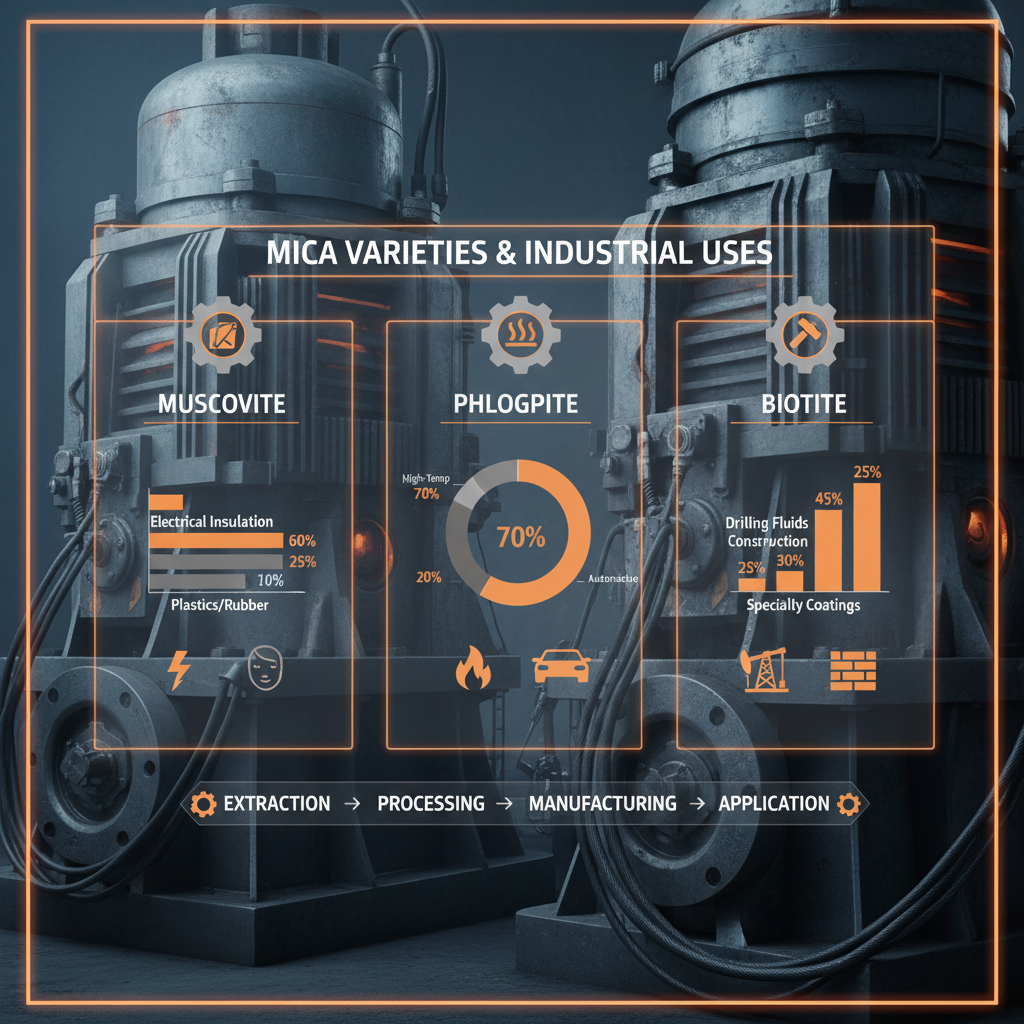
In the evolving landscape of mineral pigments, pastel mica powder has emerged as a cornerstone for designers and manufacturers seeking a sophisticated balance between luminosity and subtlety. Unlike traditional high-saturation pigments, these soft-toned minerals provide a diffused glow that enhances the aesthetic value of everything from luxury cosmetics to high-end automotive coatings.
The global demand for these specialty minerals is driven by a shift toward "quiet luxury" and organic aesthetics. As industries move away from jarring, artificial colors, the muted elegance of pastel mica powder offers a versatile solution that integrates seamlessly into various mediums while maintaining a high level of chemical stability and light-refractive precision.
Understanding the technical nuances of these powders—from their particle size distribution to their coating thickness—is essential for optimizing product performance. By leveraging the unique structural properties of mica, companies can achieve a soft-focus effect that not only improves visual appeal but also provides functional benefits like UV protection and improved texture in final applications.
The Global Industrial Context of Pastel Mica Powder
The market for pastel mica powder is intrinsically linked to the growth of the global cosmetics and specialty plastics sectors. According to recent industrial trends and ISO standards for pigment purity, there is a significant increase in the adoption of synthetic and natural mica blends that can maintain a "soft-touch" visual profile. This shift is particularly evident in the Asia-Pacific and European markets, where consumer preference has pivoted toward breathable, sheer, and muted color palettes.
However, the industry faces a persistent challenge: maintaining color consistency across large batches while ensuring ethical sourcing. The complexity of creating a true "pastel" effect requires precise control over the interference layers of metal oxides, as any deviation in thickness can shift a soft mint green into a harsh metallic silver, potentially compromising the entire product line.
Technical Definition and Composition of Pastel Pigments
At its core, pastel mica powder is a mineral-based pigment consisting of muscovite or phlogopite mica flakes that have been coated with transparent or semi-transparent layers of metal oxides, such as titanium dioxide or iron oxide. The "pastel" characteristic is achieved not by adding heavy opaque dyes, but by controlling the light refraction and reflection patterns, allowing some of the base substrate's light to pass through and creating a desaturated, airy hue.
This composition makes the powder an ideal choice for modern industrial needs, particularly where a balance between "shimmer" and "matte" is required. In the context of modified plastics and rubber, these powders provide a way to introduce color without compromising the structural integrity or the thermal stability of the polymer matrix, filling a critical gap between industrial-grade fillers and high-intensity dyes.
From a humanitarian and safety perspective, the shift toward high-purity, synthetic pastel mica powder addresses the urgent need for conflict-free minerals. By utilizing laboratory-grown mica, manufacturers can ensure that their supply chains are transparent and free from exploitative labor practices, aligning commercial success with global ethical standards.
Core Components Affecting Performance and Quality
The primary driver of quality in pastel mica powder is Particle Size Distribution (PSD). Finer particles produce a more uniform, velvety finish often required in luxury cosmetics, while larger flakes create a more pronounced "sparkle" suitable for automotive pearlescent paints. Achieving a tight PSD is the difference between a professional-grade pigment and one that appears grainy or streaky.
Another critical factor is the Coating Uniformity. The pastel effect relies on the thin-film interference of the oxide layers. When the coating is applied evenly across the mica substrate, the resulting pastel mica powder exhibits a consistent shift in color regardless of the viewing angle, which is essential for high-end plastic molding and rubber components.
Finally, Chemical Inertness ensures that the powder does not react with the binders or resins it is mixed with. Whether it is used in a water-based acrylic paint or a high-temperature plastic extrusion process, the powder must remain stable to prevent color drifting or degradation, ensuring the long-term aesthetic durability of the final product.
Global Applications and Specialized Use Cases
The versatility of pastel mica powder allows it to penetrate diverse markets. In the beauty industry, it is a staple for creating "soft-glam" eyeshadows and highlighters that mimic a natural glow. In the realm of industrial design, it is increasingly used in modified plastics for consumer electronics, where a pastel metallic finish suggests a premium, futuristic feel without the weight of actual metal plating.
Beyond aesthetics, these powders are utilized in remote industrial zones for specialized coatings that require both a specific visual marker and high weather resistance. For example, in maritime or aerospace components, a specific pastel hue can be used as a non-corrosive identification marker that remains visible under harsh UV exposure, combining functional utility with mineral stability.
Performance Efficiency of Various Pastel Mica Powder Grades
Strategic Advantages and Long-Term Value
The implementation of pastel mica powder offers a significant logical advantage: cost-effective luxury. By using mineral-based interference pigments, manufacturers can achieve a high-end, pearlescent look that would otherwise require expensive rare-earth elements or complex multi-layer painting processes. This reduces production time and material waste while increasing the perceived value of the end product.
From an emotional standpoint, these colors evoke feelings of trust, calmness, and innovation. In the medical device industry, for example, using a soft, pastel-toned mica in plastic casings can make the equipment feel less intimidating and more patient-friendly. This intersection of material science and psychology demonstrates that pastel mica powder is more than just a colorant—it is a tool for enhancing user experience.
Future Trends in Mineral Pigment Innovation
The future of pastel mica powder is leaning heavily toward sustainability and "green chemistry." We are seeing a rise in bio-based coatings that replace traditional synthetic binders, allowing the mica to be integrated into fully biodegradable plastics. This evolution ensures that the beauty of the product does not come at the cost of the environment.
Digital transformation is also playing a role, with AI-driven color matching allowing companies to predict exactly how a pastel mica powder will react under different lighting conditions (LED vs. Natural Sunlight) before a single gram of material is produced. This drastically reduces the R&D cycle and eliminates the need for countless physical samples.
Furthermore, the integration of automation in the milling and coating process is leading to "ultra-precise" powders. These next-generation pigments will allow for holographic pastel effects—colors that shift subtly between two soft tones—opening new doors for security printing and high-fashion textiles.
Overcoming Challenges in Pastel Mica Production
One of the primary technical hurdles in producing high-quality pastel mica powder is the prevention of agglomeration. Because the particles are so fine and often carry a surface charge, they tend to clump, which can lead to "spots" of concentrated color in a plastic or paint medium. To solve this, engineers are implementing advanced surface treatments using silanes or other organic modifiers to ensure a smooth, dispersed flow.
Another challenge is the strict regulatory environment regarding heavy metals. Ensuring that the metal oxides used for the pastel effect are free from lead or arsenic is paramount, especially for cosmetic and food-contact applications. The solution lies in rigorous third-party testing and the adoption of ultra-purification stages during the raw mica refining process.
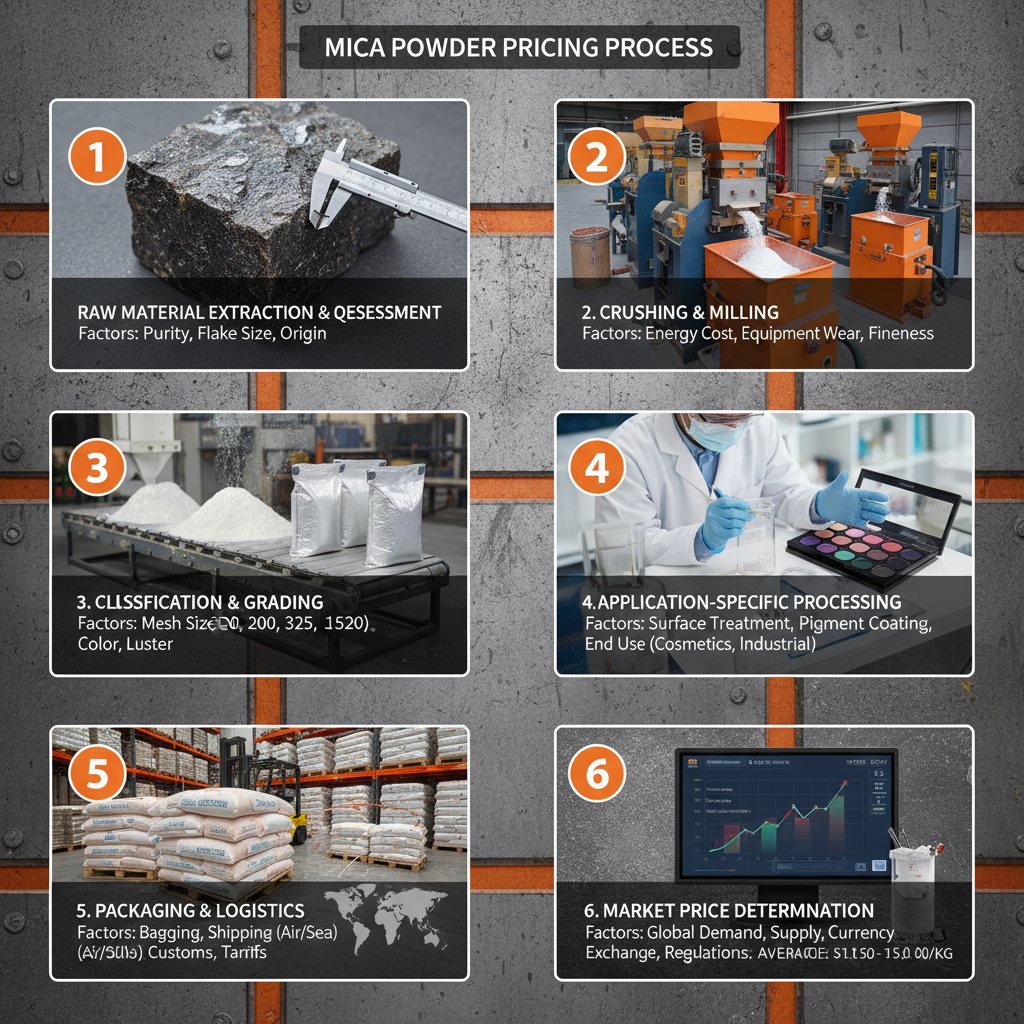
Lastly, the industry is addressing the volatility of raw material costs. By diversifying sources and investing in synthetic mica production, manufacturers can stabilize the price of pastel mica powder, ensuring that downstream clients can plan their production budgets with confidence.
Comparative Analysis of Pastel Mica Powder Processing Methods
| Processing Method |
Color Consistency |
Production Cost |
Market Application |
| Natural Milling |
Medium (6/10) |
Low |
General Paints |
| Synthetic Coating |
High (9/10) |
Medium |
Cosmetics |
| Vacuum Deposition |
Ultra (10/10) |
High |
High-End Auto |
| Chemical Vapor Dep. |
High (8/10) |
Medium-High |
Electronics |
| Hybrid Blend |
Medium-High (7/10) |
Medium |
Modified Plastics |
| Plasma Treatment |
High (8/10) |
High |
Specialized Rubber |
FAQS
The primary difference lies in the saturation and light-scattering properties. Standard pearlescent pigments often have a high metallic shine or deep colors. Pastel mica powder is engineered with specific oxide layer thicknesses to create a desaturated, soft-focus effect, resulting in a muted "pastel" hue that is more subtle and airy than traditional pearlescents.
Yes, mica is naturally heat-resistant. Most high-grade pastel mica powder products can withstand temperatures exceeding 200-300°C without losing their color or structural integrity, making them ideal for modified plastics and injection molding processes.
To prevent agglomeration, it is recommended to use a high-shear mixer or a pre-dispersion step where the powder is mixed with a small amount of solvent or binder to create a "slurry" before adding it to the main batch. Using surface-treated pastel mica powder also significantly reduces the likelihood of clumping.
Absolutely. When sourced from reputable suppliers who provide COA (Certificate of Analysis) and MSDS documents, pastel mica powder is chemically inert and safe for skin contact. Many manufacturers now offer synthetic mica, which is entirely free from impurities and ethical concerns.
Smaller particle sizes tend to distribute light more evenly, creating a soft, satin-like pastel finish. Larger particles create a more distinct shimmer or "glitter" effect. For a true, creamy pastel appearance, a fine-grain pastel mica powder is generally preferred.
Because mineral pigments are inorganic and highly stable, pastel mica powder has an almost indefinite shelf life if stored in a cool, dry place in airtight containers. They do not expire or degrade over time like organic dyes do.
Conclusion
In summary, pastel mica powder represents the perfect synergy between mineral geology and industrial art. By mastering the control of particle size and oxide coating, this material provides unparalleled aesthetic flexibility across the cosmetics, plastics, and coatings industries. Its ability to deliver a high-end, sophisticated look while remaining chemically stable and cost-effective makes it an indispensable asset for modern product development.
Looking forward, the integration of ethical sourcing and sustainable chemistry will further solidify the role of these pigments in a green economy. For manufacturers and designers aiming to elevate their products with a touch of muted elegance and technical reliability, investing in premium pastel mica powder is a strategic move toward innovation and consumer trust. Visit our website for more information: www.hjmica.com