
Can Mica Powder Be Used in Resin A Comprehensive Guide to Resin Art
Can Mica Powder Be Used in Resin? A Comprehensive Guide
Mica powder has become incredibly popular in the resin art community, and for good reason! Its shimmering, pearlescent effects can transform a simple resin piece into a stunning work of art. But can you reliably use mica powder in your resin projects? This article dives deep into the compatibility of mica powder and resin, exploring different types of mica, potential issues, and best practices. We'll also highlight how HJ Mica provides high-quality mica powders specifically suited for resin applications.
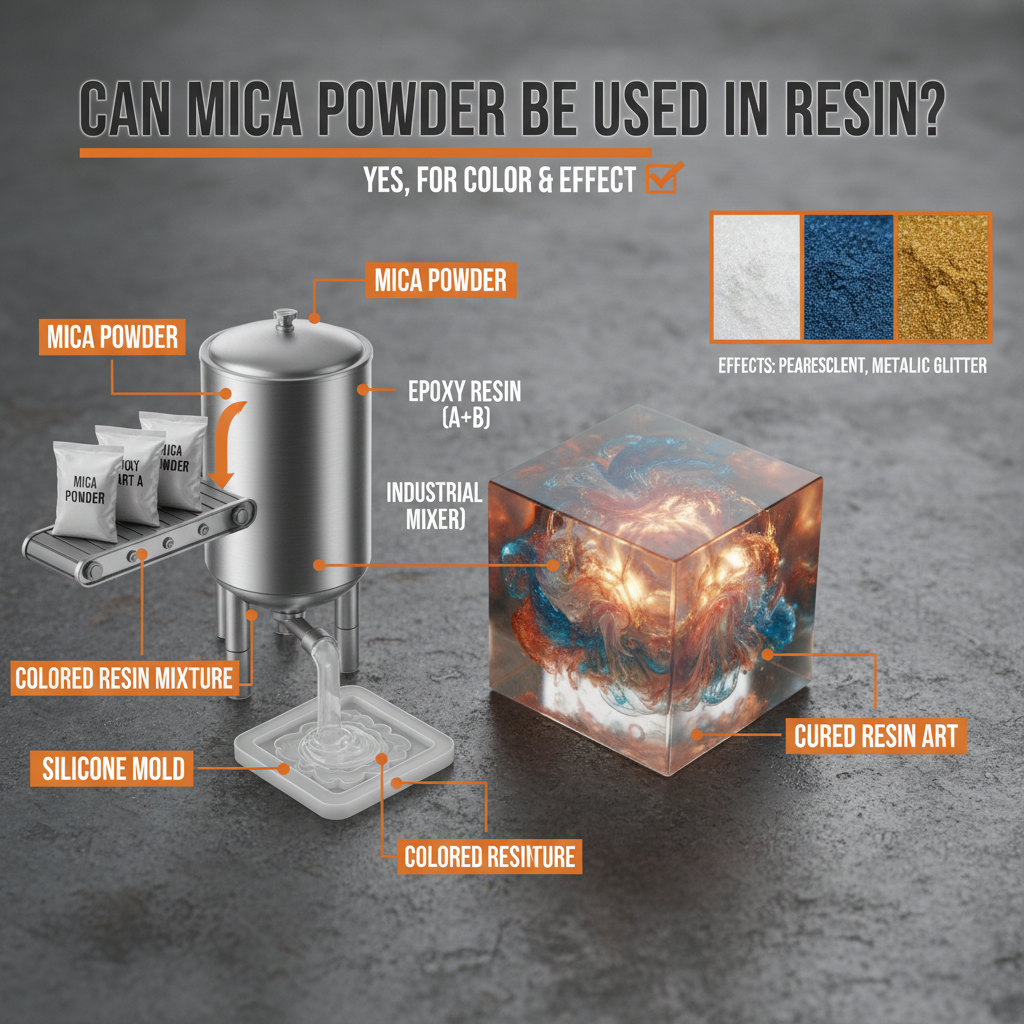
Understanding Mica Powder and its Properties
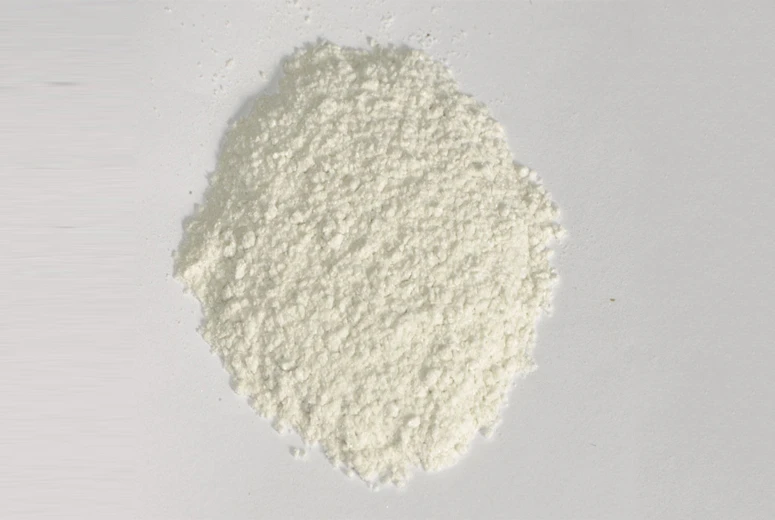
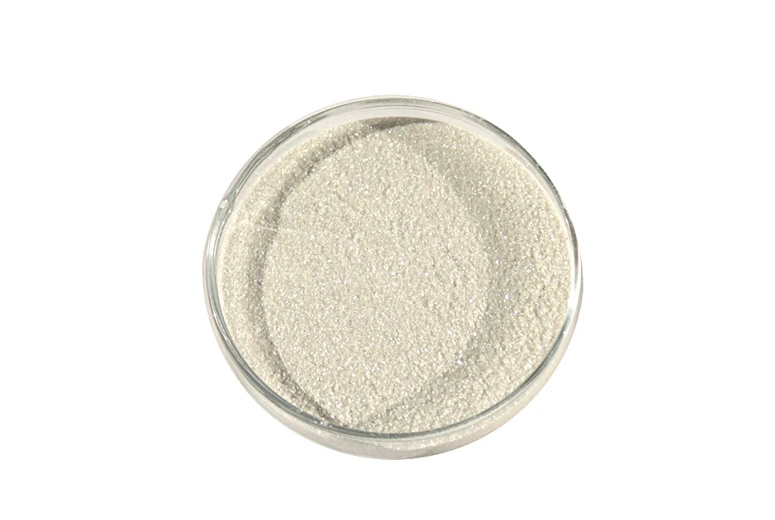
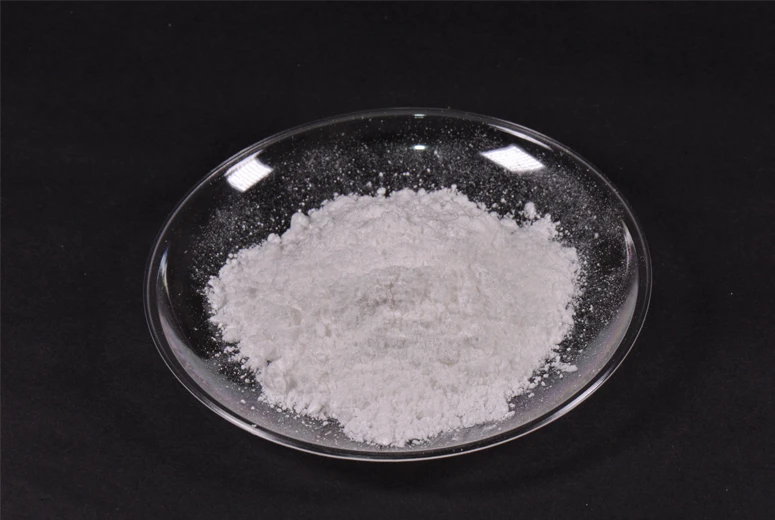
Mica is a naturally occurring mineral composed of silicate materials. It's known for its perfect cleavage, meaning it splits into thin, flexible sheets. These sheets are what give mica powder its characteristic shimmer and pearlescent effect. Different types of mica exist, each offering a unique color and reflectivity. The quality of the mica significantly impacts how well it disperses in resin and the vibrancy of the resulting color. Lower quality mica may contain impurities that can affect the resin’s clarity or curing process.
Key Takeaway: Mica's natural properties provide a stunning visual effect in resin, but quality and purity are vital for optimal results.
Can Mica Powder Be Used in Resin? The Short Answer is Yes!
Absolutely! Mica powder is widely and successfully used in both epoxy and polyester resins. It doesn’t interfere with the curing process when used in the correct proportions. In fact, mica can actually enhance the strength and durability of the resin, especially when using a higher ratio of powder. The key is to choose a mica powder specifically designed for use with resin, ensuring it's finely milled and free of contaminants. HJ Mica provides mica powders with consistent particle size, maximizing the visual impact and ensuring easy dispersion within the resin.
Benefits of Using Mica in Resin:
• Adds shimmering color and pearlescent effects
• Enhances resin’s strength and durability
• Versatile – works with both epoxy and polyester resins
• Non-toxic and safe for use in various projects
Types of Mica Powder for Resin Applications
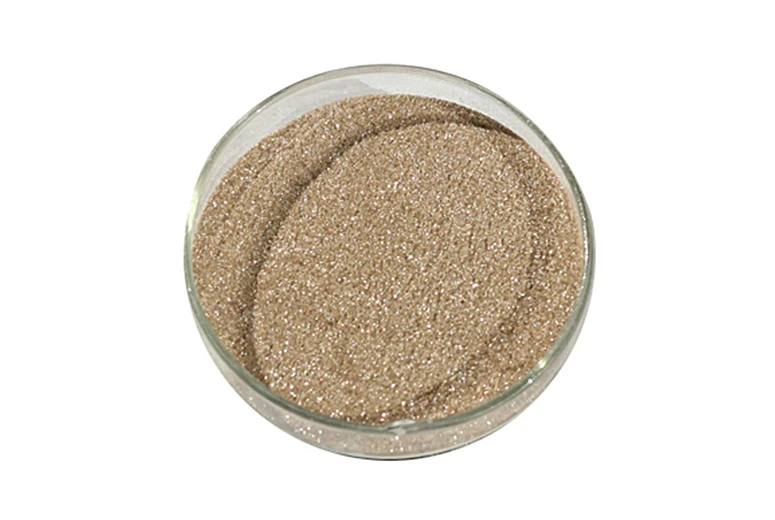
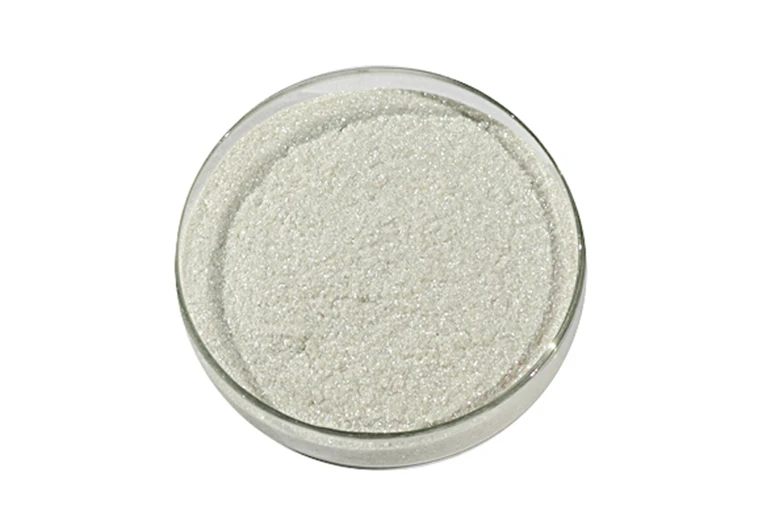
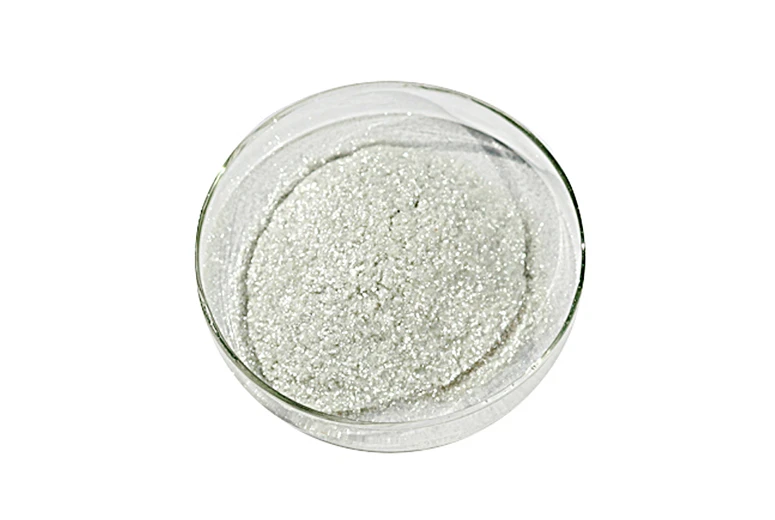
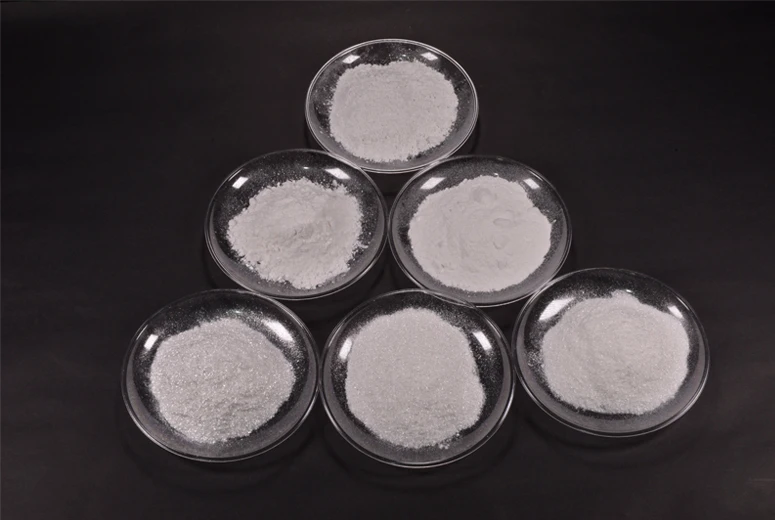
Not all mica powders are created equal. When selecting mica for resin, consider these common types:
Potential Issues and How to Avoid Them
While mica is generally compatible with resin, some issues can arise. These include uneven dispersion, settling, and potential cloudiness. To mitigate these problems, use a high-quality mica powder like those offered by HJ Mica. Ensure thorough mixing, and consider using a dispersing agent if necessary. Avoid adding excessive amounts of mica, as this can hinder the resin’s curing process.
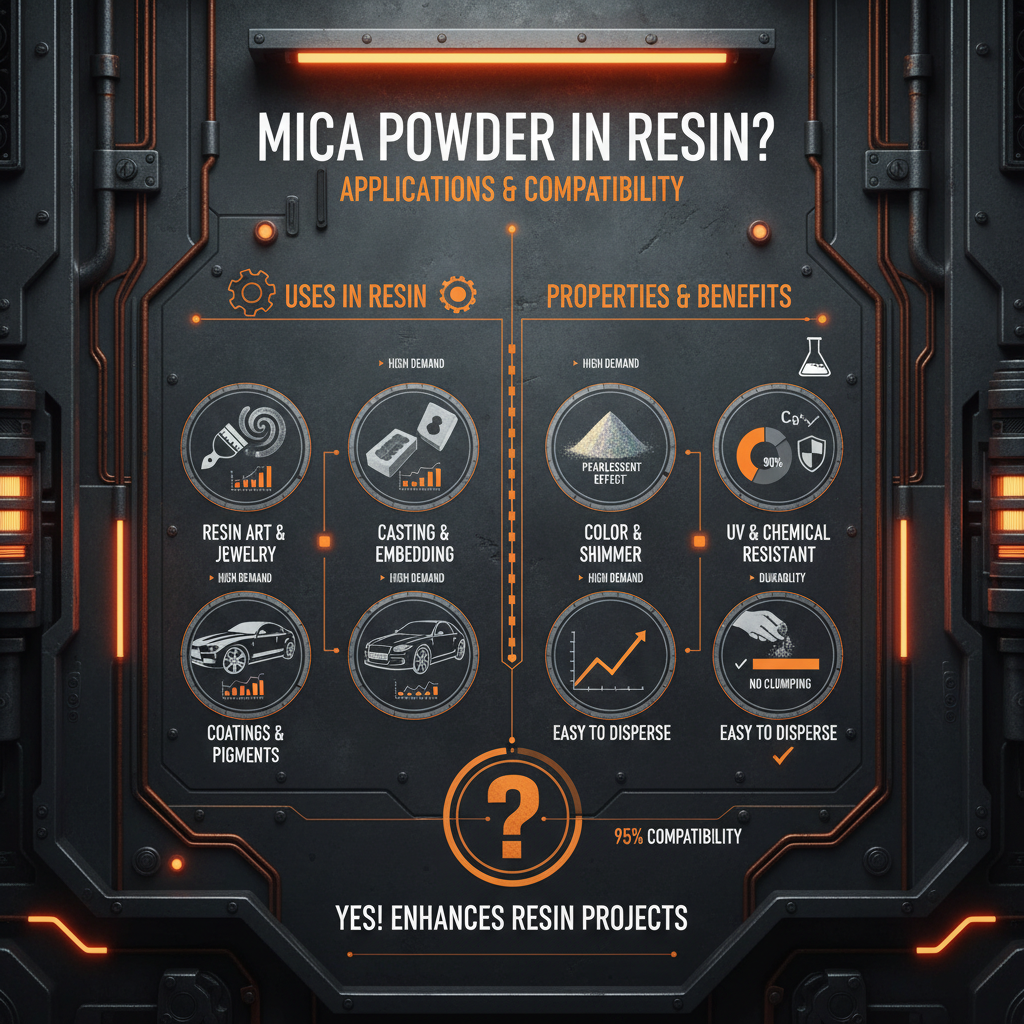
Best Practices for Using Mica in Resin
Here's a quick guide to ensure a beautiful and lasting resin project with mica:
- Start Small: Begin with a small amount of mica powder and gradually add more until you achieve your desired color intensity.
- Thorough Mixing: Mix the mica powder into the resin slowly and thoroughly, ensuring it’s fully dispersed.
- Proper Ratio: A general guideline is to use 1-3% mica powder by weight to resin.
- Quality Matters: Invest in high-quality mica powder from a reputable supplier like HJ Mica.
Conclusion: Unleash Your Creativity with Mica and Resin
Using mica powder in resin is a fantastic way to elevate your creations. With the right knowledge, quality materials – like those available at HJ Mica – and a little practice, you can achieve stunning, professional-looking results. Don't be afraid to experiment and explore the endless possibilities of mica and resin!
Frequently Asked Questions (FAQs)
Will mica powder affect the curing time of my resin?
Generally, mica powder doesn't significantly affect the curing time of resin when used within the recommended ratio (1-3% by weight). However, adding excessive amounts of mica can slow down the curing process. Always follow the manufacturer's instructions for your specific resin and mica powder. If you notice a significantly longer curing time, reduce the amount of mica used in your next batch. Testing a small sample first is always a good idea.
Can I use mica powder with different types of resin?
Yes, mica powder is compatible with a wide range of resins, including epoxy resin, polyester resin, and UV resin. However, the results may vary slightly depending on the type of resin used. Epoxy resin generally provides the clearest and most vibrant results. UV resin often requires less mica powder due to its quicker curing time and brighter appearance. Always test a small sample to ensure compatibility and achieve your desired effect.
How do I prevent mica powder from settling in my resin?
Mica powder can sometimes settle at the bottom of the resin, especially during longer working times. To minimize settling, ensure thorough mixing and consider using a dispersing agent. Slowly add the mica powder to the resin while stirring constantly. If settling does occur, gently stir the resin again before pouring it into your mold. Using a higher-quality mica powder with a finer particle size, like those from HJ Mica, can also help to prevent settling.
Is mica powder safe to use in resin for food-safe projects?
While mica itself is a naturally occurring mineral, not all mica powders are food-safe. Specifically, mica powders with added metallic coatings or other non-food-grade materials should not be used in projects that come into contact with food. If you're creating food-safe resin pieces, choose a mica powder specifically labeled as food-grade and ensure your resin is also food-safe compliant. Always prioritize safety and use appropriate materials for the intended application.
-
Ultimate Guide to Using High Quality Pearl Paint Pigment for LusterNewsApr.16,2026
-
Elevating Automotive Aesthetics with Mica Powder Car PaintNewsApr.09,2026
-
Unlock Stunning Effects with Mica Powder for Paint ApplicationsNewsApr.07,2026
-
Comprehensive Guide to Mica Dye Powder Applications and BenefitsNewsApr.04,2026
-
Unlocking the Brilliance of Mica Pigment Paint for Diverse ApplicationsNewsMar.31,2026
-
Enhancing Concrete Performance with Durable Mica Chips for Concrete ApplicationsNewsMar.28,2026