Mica powder price, a seemingly simple metric, is in fact a critical indicator of global industrial health, particularly within the paints, coatings, plastics, and cosmetics sectors. Understanding fluctuations in mica powder price allows businesses to proactively manage costs, adjust sourcing strategies, and ultimately, maintain profitability. Beyond direct economic impact, it also touches upon ethical sourcing concerns and the sustainability of the mineral supply chain.
Globally, the demand for mica powder continues to rise, fueled by growth in construction, automotive, and personal care industries. This increased demand, coupled with geopolitical factors and supply chain disruptions, significantly impacts mica powder price. Keeping abreast of these changes is essential for stakeholders ranging from small-scale manufacturers to multinational corporations, as well as investors analyzing commodity markets. Accurate price forecasting is vital for strategic planning.
The consistent analysis of mica powder price isn’t merely about financial gains; it’s inextricably linked to responsible sourcing and ensuring fair labor practices within the mica mining industry, particularly in regions like India and Madagascar. Transparency in pricing contributes to a more ethical and sustainable supply chain, directly addressing concerns surrounding child labor and hazardous working conditions.
Introduction to Mica Powder Price
The cost of mica powder isn't static; it fluctuates based on a complex interplay of geological factors, processing techniques, regional demand, and global economic conditions. Understanding these dynamics is paramount for businesses reliant on mica as a raw material. Analyzing mica powder price trends allows for better budgeting, inventory management, and competitive pricing strategies.
Furthermore, monitoring mica powder price reveals insights into the health of various industries. A spike in price might indicate increased demand in the automotive or construction sectors, while a decline could signify an economic slowdown. This makes mica powder price a valuable barometer for broader economic indicators and strategic decision-making.
Defining Mica Powder Price
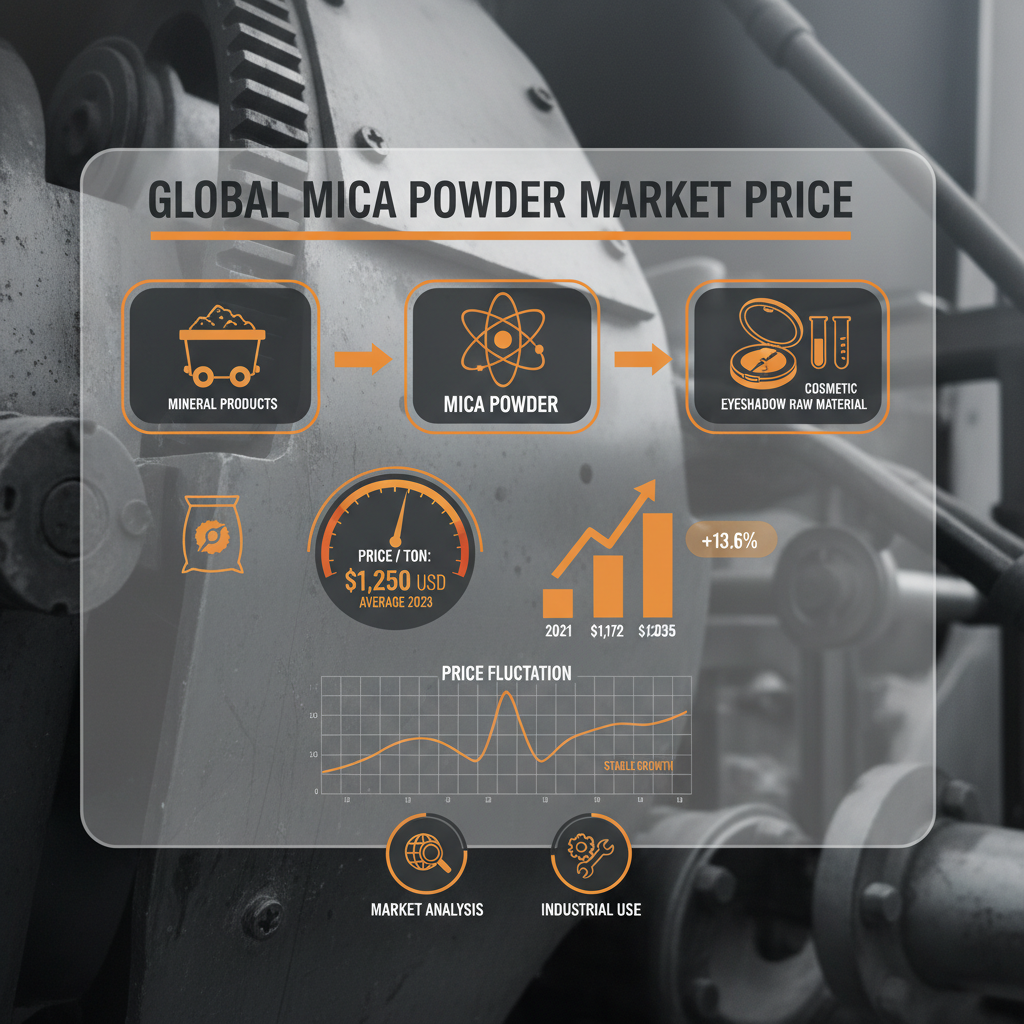
Mica powder price refers to the cost per unit weight (typically per metric ton or kilogram) of processed mica, categorized by its grade, particle size, color, and purity. The price is determined by factors ranging from mining costs and processing efficiency to transportation expenses and market demand. Different types of mica (muscovite, phlogopite, sericite) also command different price points.
It's important to note that the reported mica powder price often represents an average or benchmark value. Actual transaction prices can vary significantly based on contract terms, order volume, and the relationship between buyer and seller. Transparency in pricing mechanisms remains a challenge within the industry, necessitating careful due diligence and market research.
Ultimately, mica powder price is the economic expression of the value placed on this versatile mineral, reflecting its utility across a wide array of applications and its inherent contribution to product performance and aesthetic appeal.
Core Factors Influencing Mica Powder Price
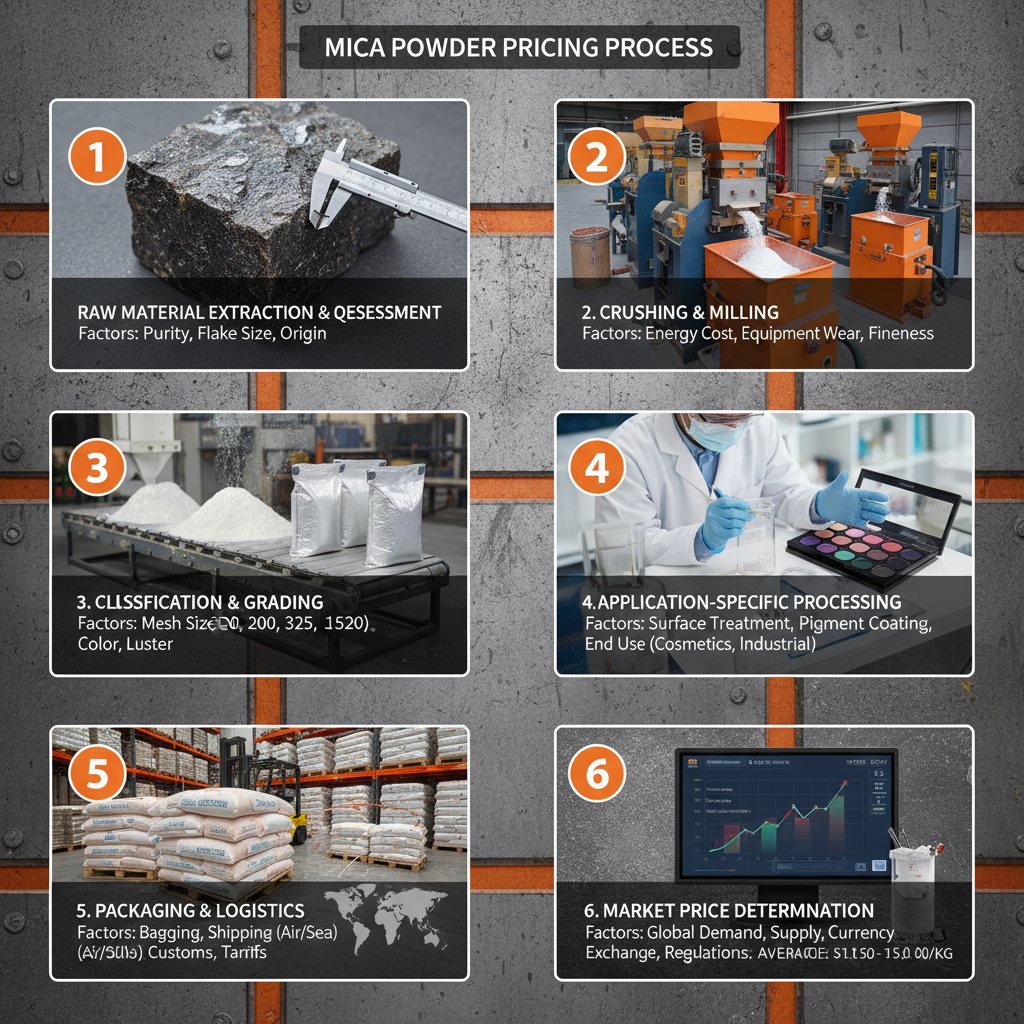
Several key elements contribute to the fluctuation of mica powder price. Raw material availability is a primary driver. Mining locations with limited or depleted reserves often experience increased production costs, directly impacting price. The quality of the mined mica also plays a crucial role, with higher-grade mica commanding a premium.
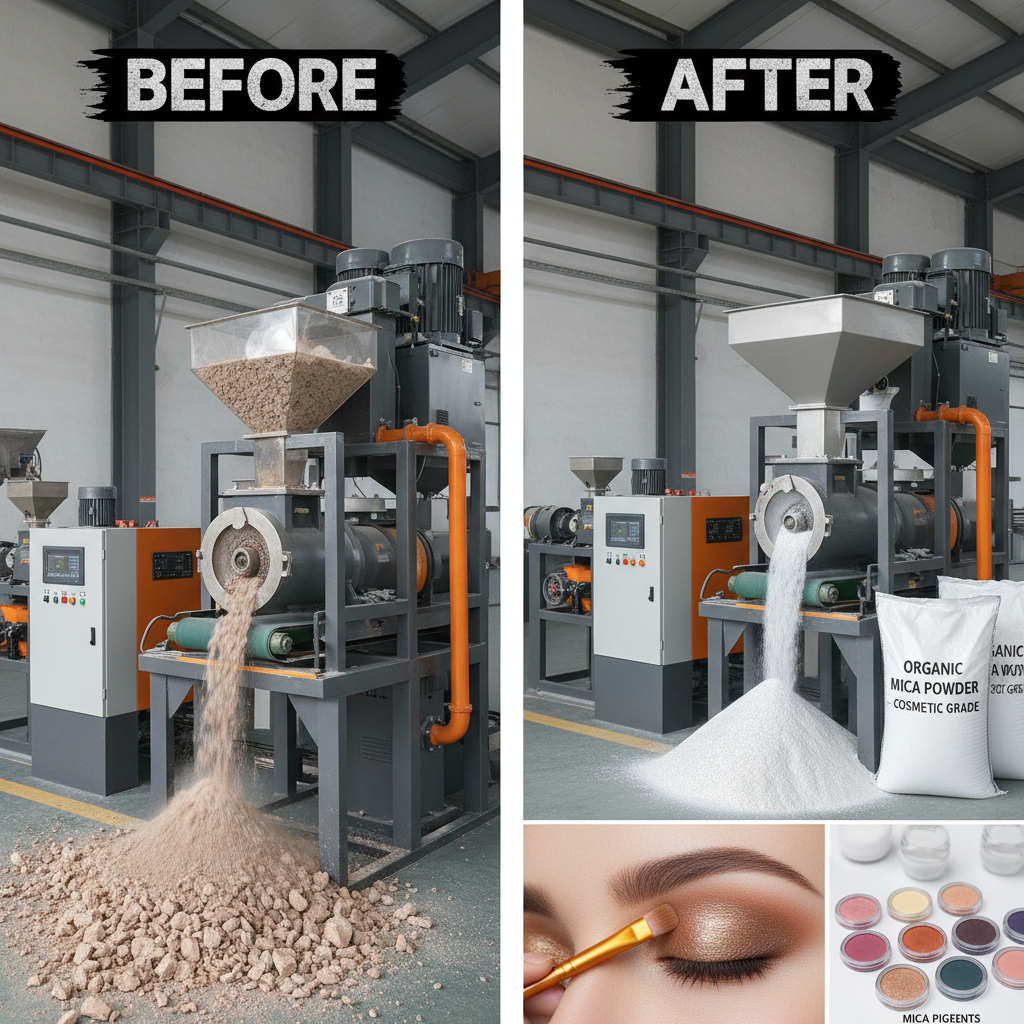
Processing costs are another significant factor. Milling, grinding, washing, and classifying mica require specialized equipment and skilled labor. Improvements in processing technology can reduce costs and potentially lower mica powder price, but these innovations often come with substantial investment requirements. Energy costs also impact processing expenses and contribute to overall price volatility.
Furthermore, geopolitical factors and transportation costs play a significant role. Trade tariffs, political instability in mining regions, and fluctuations in fuel prices can all impact the final mica powder price paid by consumers. Supply chain disruptions, such as those experienced during the COVID-19 pandemic, can also lead to temporary price increases due to scarcity and logistical challenges.
Global Applications and Pricing Variations
Mica powder finds extensive application across diverse industries, each impacting demand and subsequently, mica powder price. The cosmetics industry, for example, utilizes mica for its shimmer and light-reflecting properties, driving demand for fine-particle-size mica. The paints and coatings sector uses mica as a filler and extender, contributing to durability and corrosion resistance.
The automotive and construction industries employ mica in plastics and composites to enhance strength, heat resistance, and electrical insulation. These varied applications lead to distinct pricing structures. High-purity, finely ground mica used in cosmetics typically commands a higher price than coarser grades used in construction materials. Regional demand also influences pricing; areas with thriving manufacturing sectors often see higher prices.
Pricing variations are particularly pronounced when considering different mica types. Phlogopite mica, often preferred for high-temperature applications, typically has a different price point than muscovite mica, commonly used in cosmetics and paints. Market dynamics within specific regions—such as India, China, and the United States—create further price disparities.
Mica Powder Price Comparison by Application
Advantages of Understanding Mica Powder Price Trends
Proactive monitoring of mica powder price trends empowers businesses with a competitive edge. Accurate forecasting allows for more effective budgeting and inventory management, minimizing the risk of unexpected cost increases. By understanding the factors influencing price, companies can negotiate better deals with suppliers and optimize their supply chains.
Beyond cost control, understanding mica powder price supports informed product development. Knowledge of price fluctuations can guide material selection, leading to cost-effective formulations without compromising product quality. This is particularly critical in industries like cosmetics, where ingredient costs significantly impact profitability.
Future Trends in Mica Powder Pricing
The future of mica powder price will likely be shaped by increasing sustainability concerns and growing demand for ethically sourced materials. Consumers are becoming more aware of the social and environmental impact of their purchases, driving demand for mica from responsible and transparent suppliers. This will likely lead to a price premium for sustainably sourced mica.
Technological advancements in mining and processing are also expected to influence pricing. Automation and improved extraction techniques could lower production costs, while innovations in particle size control and surface modification may create new value-added products with higher price points. Geopolitical factors and global economic conditions will continue to play a significant role, creating ongoing price volatility.
Challenges and Mitigation Strategies Regarding Mica Powder Price
One of the primary challenges surrounding mica powder price is the lack of transparency in the supply chain. Difficulty in tracing the origin of mica and verifying ethical sourcing practices can lead to price discrepancies and reputational risks. Mitigation strategies include implementing robust due diligence processes and partnering with certified suppliers.
Another challenge is the volatility of global commodity markets. Fluctuations in energy prices, exchange rates, and transportation costs can all impact mica powder price. Businesses can mitigate this risk by diversifying their sourcing options, entering into long-term contracts with suppliers, and utilizing hedging strategies.
Finally, addressing the ethical concerns related to child labor and hazardous working conditions in mica mining remains a critical challenge. Supporting initiatives that promote fair labor practices and investing in sustainable mining technologies are essential steps towards a more responsible and stable mica powder price landscape.
Summary of Challenges and Mitigation Strategies for Mica Powder Price
| Challenge |
Impact on mica powder price |
Mitigation Strategy |
Effectiveness Score (1-10) |
| Supply Chain Opacity |
Inconsistent mica powder price, ethical concerns |
Supplier Audits & Traceability Systems |
8 |
| Commodity Market Volatility |
Price Fluctuations |
Long-Term Contracts & Hedging |
7 |
| Ethical Sourcing Concerns |
Reputational Risk & Potential Boycotts |
Fair Trade Partnerships & Responsible Mining Initiatives |
9 |
| Geopolitical Instability |
Disruptions in Supply |
Diversified Sourcing & Inventory Management |
6 |
| Technological Limitations in Mining |
High Production Costs |
Investment in Automated & Efficient Mining Equipment |
7 |
| Transportation & Logistics Costs |
Increased Overall Price |
Optimized Logistics & Regional Sourcing |
5 |
FAQS
The most impactful factors include raw material availability (depletion of mines), geopolitical stability in key mining regions (India & Madagascar), global demand from industries like cosmetics and automotive, and fluctuations in transportation costs (fuel prices, shipping rates). Unexpected events, such as extreme weather or political unrest, can also cause sudden price shifts. Understanding these interconnected variables is critical for predicting price trends.
Higher grade mica, characterized by greater purity, brilliance, and consistent particle size, commands a significantly higher price than lower grades. This is because higher grades require more selective mining and more extensive processing to achieve desired specifications. Cosmetic-grade mica, demanding exceptional purity and fineness, is typically the most expensive, followed by grades used in high-performance industrial applications.
Increasingly, sustainability plays a crucial role. Mica sourced from mines with ethical labor practices and environmentally responsible operations is gaining market preference, often at a premium price. Consumers and businesses are willing to pay more for assurance that their mica is not linked to child labor or damaging environmental practices. Certification programs (e.g., Responsible Mica Initiative) are helping drive this trend.
While direct hedging of mica powder price isn't common, companies can employ several strategies. Long-term contracts with suppliers at fixed prices can provide price certainty. Diversifying sourcing to reduce reliance on a single supplier minimizes risk. Inventory management – building up stocks when prices are low – can also offer some protection. Regularly monitoring market trends is vital for informed decision making.
Several resources provide mica powder price information, though comprehensive data can be challenging to find. Industry publications, commodity market reports, and specialized pricing agencies (like mica powder price) can offer insights. Direct engagement with suppliers and market research are also essential for staying informed about current pricing conditions.
Generally, phlogopite mica tends to be more expensive than muscovite mica. This is largely due to its superior heat resistance and chemical inertness, making it preferred for high-temperature applications (like electronics and high-performance polymers). Muscovite mica, while still valuable, is more commonly used in cosmetics, paints, and coatings where these extreme properties aren’t required, resulting in a lower price point.
Conclusion
In conclusion, understanding mica powder price is far more than just tracking a commodity cost. It's about navigating a complex interplay of geological factors, ethical considerations, global economics, and technological advancements. Proactive monitoring and informed decision-making empower businesses to manage risks, optimize supply chains, and capitalize on emerging opportunities.
Looking ahead, the focus on sustainability and responsible sourcing will continue to drive significant changes in the mica industry. Investing in transparency, supporting ethical mining practices, and embracing innovative processing technologies are crucial for ensuring a stable and equitable mica powder price landscape for the future. Visit our website at www.hjmica.com to learn more about our mica powder products and services.