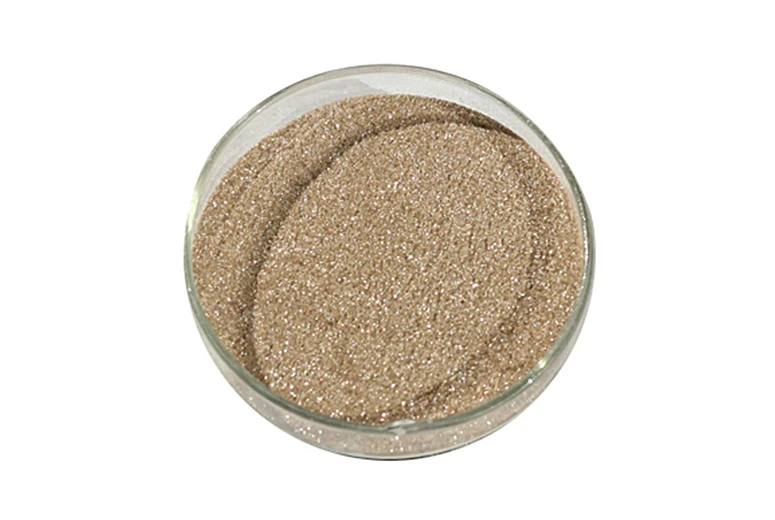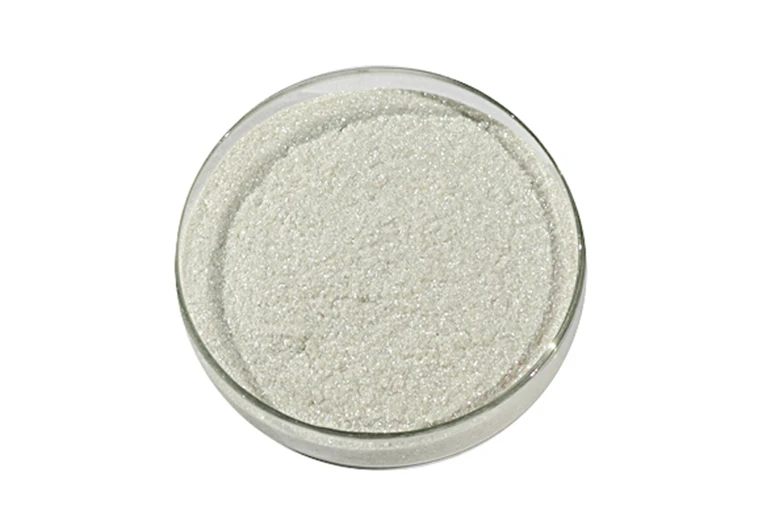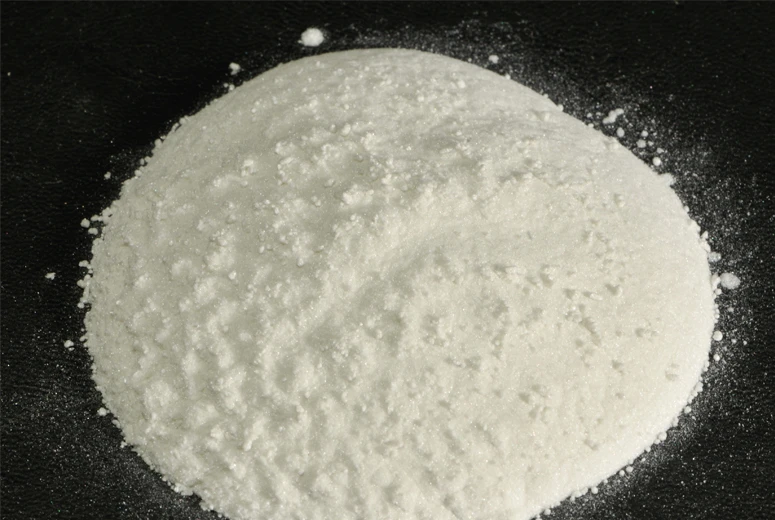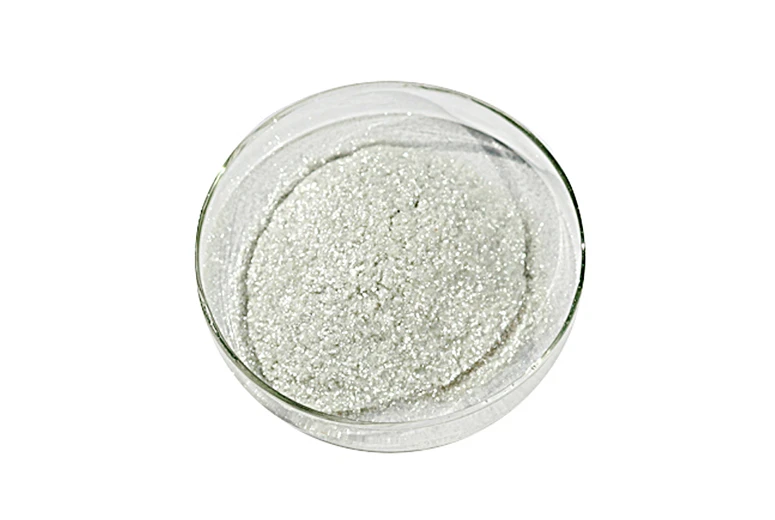

White Mica Powder – Ultra-Fine, Food-Safe, Resin-Ready
W-200 Muscovite: A Practical Guide to Using White Mica Powder in Modern Manufacturing
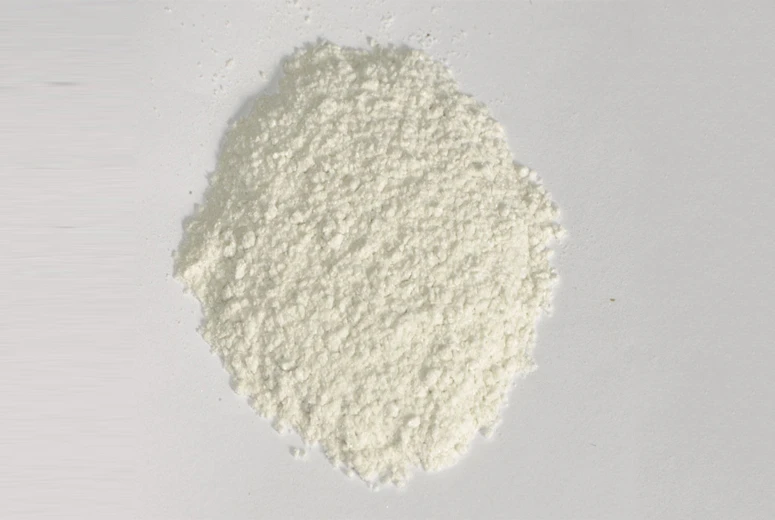
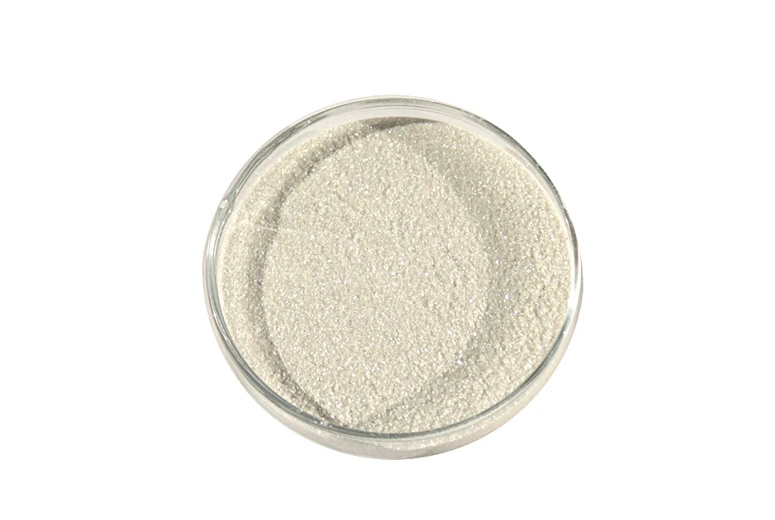
I’ve toured more than a few mineral plants over the years, and the one thing you learn quickly: not all mica is created equal. The W-200 muscovite from Xujiatuan, Ciyu Town, Lingshou County, Shijiazhuang, Hebei (China) is a good example—wet-ground, underwater classified, and honestly cleaner than some food facilities I’ve seen. That’s not an exaggeration.
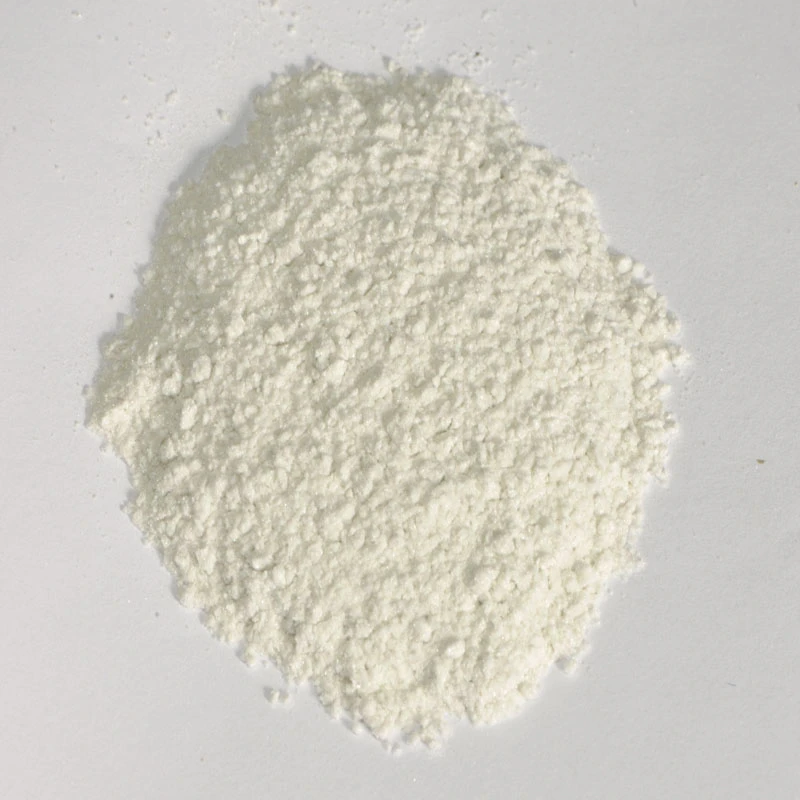
Why manufacturers still love White Mica Powder
In plastics, paints, and rubber compounding, muscovite acts like a quiet structural engineer. It improves stiffness and dimensional stability, helps with barrier properties (less equipment corrosion, better chemical resistance), and—surprisingly—can smooth out melt flow. Many customers say it makes PP and PA compounds a little more predictable in the extruder, which is priceless when you’re chasing takt time.
Process flow (how W-200 is made)
Materials: high-grade muscovite ore. Methods: crushing → wet grinding → hydrocyclone/underwater classification → magnetic separation → washing → low-temp drying → mill/screen → QC. This wet route keeps iron down and platelets intact. In field visits, I’ve seen producers test per ISO 3262 series and ISO 787 methods, plus in-house screens for D50 consistency. Service life? In coatings and polymer systems, the barrier effect often extends corrosion or aging resistance by ≈15–30% in real-world use (your mileage may vary).
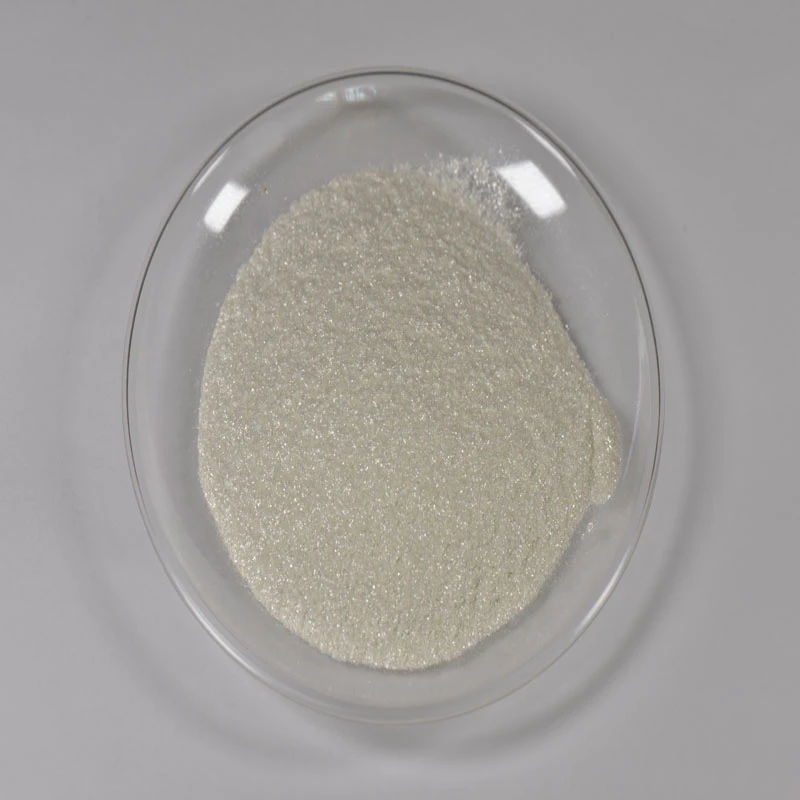
Typical specs for W-200 Muscovite Powder
| Parameter | Value (≈) | Test/Standard |
|---|---|---|
| Mesh/Fineness class | W-200 (around 200 mesh; D50 ≈ 30–45 µm) | ISO 13320 (laser diffraction) |
| Whiteness | ≥ 85 L | ISO 2469/ISO 787-1 |
| Fe2O3 | ≤ 0.5% | XRF (ISO 12677) |
| Moisture | ≤ 0.5% | ISO 787-2 |
| pH (10% slurry) | 6.5–8.5 | ISO 787-9 |
| Oil absorption | ≈ 25–35 g/100 g | ISO 787-5 |
Where it’s used (and why)
- Plastics (PP, PA, PBT, PVC): higher stiffness and HDT; better dimensional stability; smoother rheology.
- Coatings & anticorrosion primers: lamellar barrier improves salt-spray hours; nicer sheen, better crack resistance.
- Rubber & sealing: improved permeability resistance; reduced shrink.
- Cable, E&E: dielectric stability, arc resistance; cleaner surface finish.
Real-world test snapshot
In a PP copolymer with 20% White Mica Powder, one Tier-2 auto moulder saw flexural modulus up ≈35% (ASTM D790), Izod notched impact roughly maintained (ASTM D256), and mould shrink reduced ≈20%. Paint line later reported fewer fish-eyes—possibly the cleaner particle surface at play.
Vendor comparison (what buyers quietly check)
| Vendor | Purity/Fe | Whiteness | Certs | Lead Time |
|---|---|---|---|---|
| H&J W-200 (Hebei) | Low Fe (≤0.5%) | High (≥85) | ISO 9001, REACH, RoHS | 7–14 days |
| Generic Import A | Variable (0.5–1.0%) | ≈80–85 | Basic COA | 3–5 weeks |
| Local Distributor B | Good (≈0.6%) | ≈83 | ISO 9001 | Stock-dependent |
Customization and QC
Need a tighter D50 or surface treatment for PP coupling? Most buyers specify particle size window, moisture ceiling, whiteness band, and heavy metals screening. Reputable suppliers run ISO 3262-4 (muscovite pigments) guidance, XRF/ICP for metals, and batch COAs. Compliance with REACH and RoHS is now table stakes; some clients also request FDA 21 CFR checks for indirect food contact where relevant.
Quick case study
An appliance maker swapped 15% talc for 12% White Mica Powder in a PP housing. Outcome: similar stiffness, slightly better surface (less paint sink), and screw boss retention improved after 500-hour thermal cycling. They kept the change—small win, but in high volume, it matters.
Testing references typically include ASTM D638/D790/D256 for plastics, ISO 1183 density, ISO 6272/9227 for coatings impact/salt spray. Your results will depend on resin grade, coupling agents, and processing—always run a pilot trial.
Citations
-
Ultimate Guide to Using High Quality Pearl Paint Pigment for LusterNewsApr.16,2026
-
Elevating Automotive Aesthetics with Mica Powder Car PaintNewsApr.09,2026
-
Unlock Stunning Effects with Mica Powder for Paint ApplicationsNewsApr.07,2026
-
Comprehensive Guide to Mica Dye Powder Applications and BenefitsNewsApr.04,2026
-
Unlocking the Brilliance of Mica Pigment Paint for Diverse ApplicationsNewsMar.31,2026
-
Enhancing Concrete Performance with Durable Mica Chips for Concrete ApplicationsNewsMar.28,2026