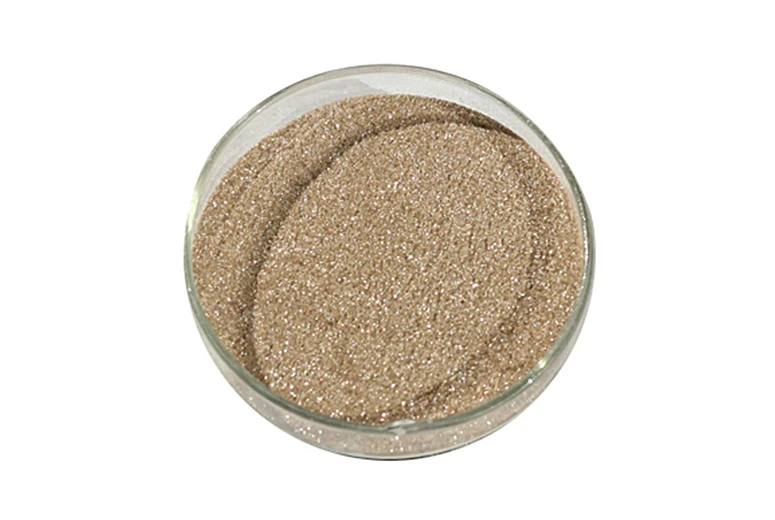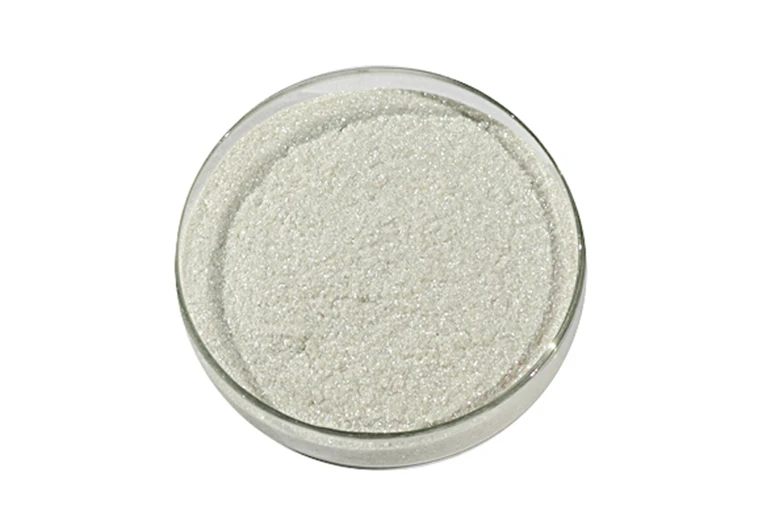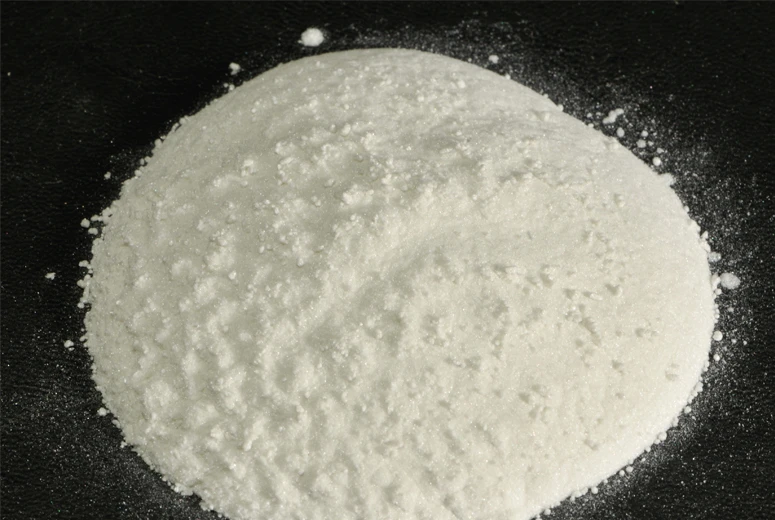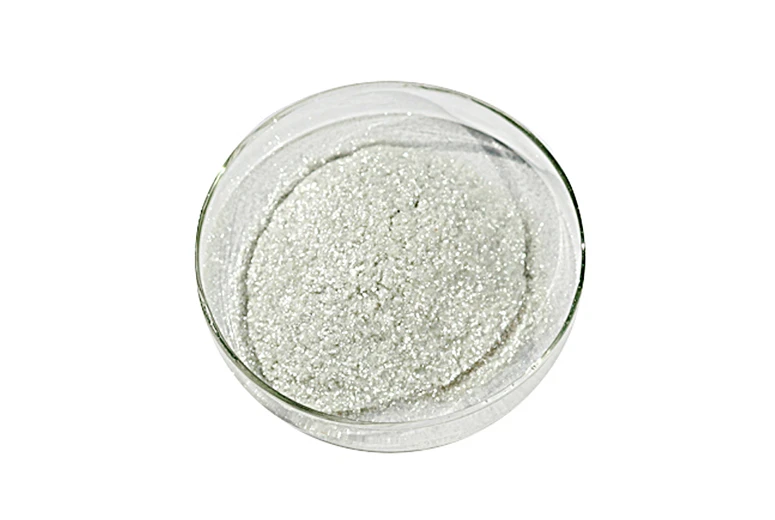

Synthetic Mica Powder – High Purity, Color-Shift Options
5–25 Micron Synthetic Mica Powder: field notes from the lab and the line
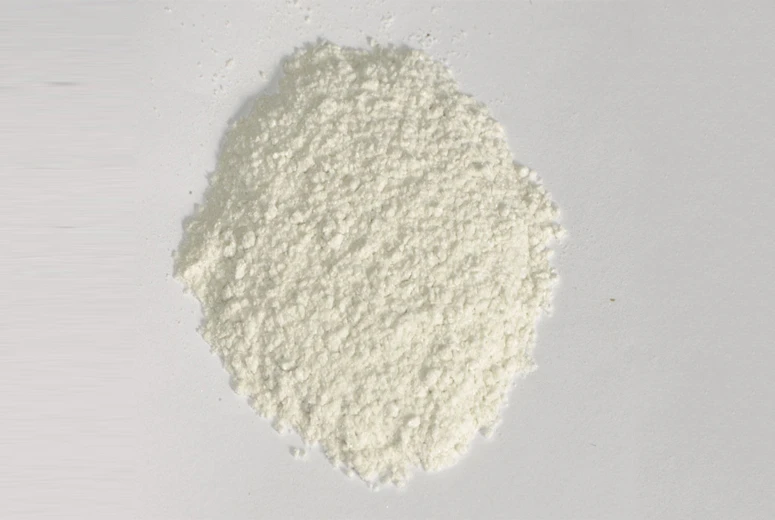
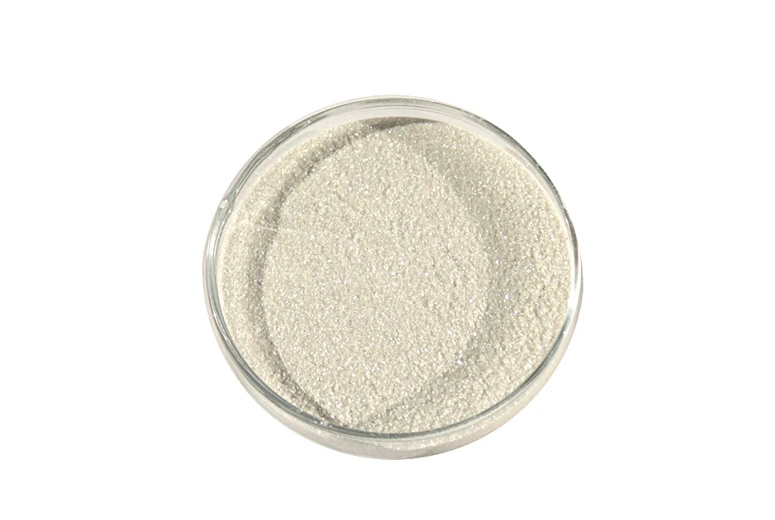
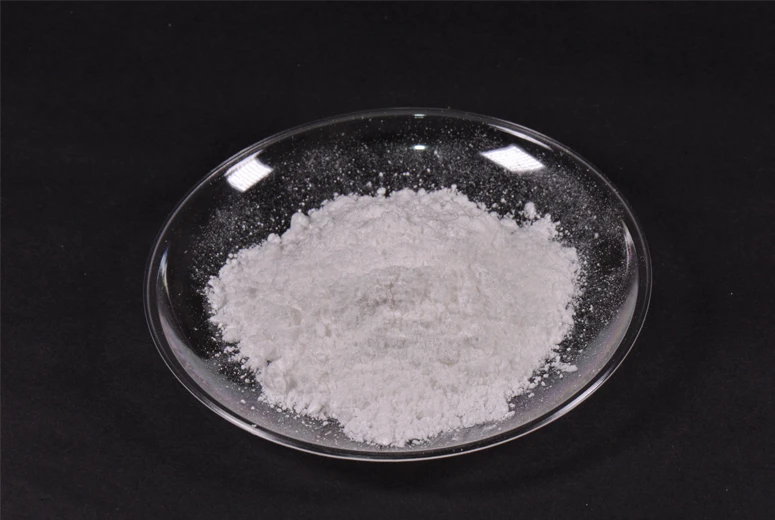
I’ve spent enough time around pigments to know when a material pulls its weight. Synthetic Mica Powder in the 5–25 µm cut is one of those quiet performers that keeps product managers and QC teams happy. This grade, made in Xujiatuan Ciyu Town, Lingshou County, Shijiazhuang, Hebei, China, shows up in pearlescent coatings, plastics, inks, and yes—cosmetics—because it stays clean, consistent, and stable when many naturals don’t. To be honest, that consistency is the story.
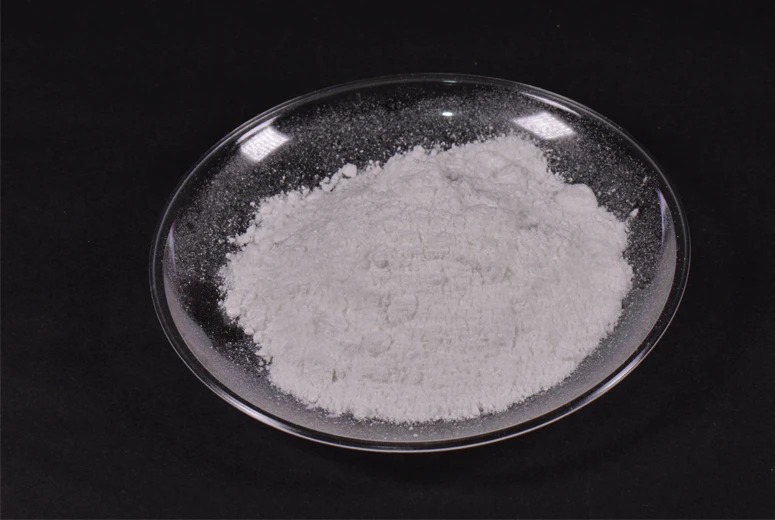
What stands out (and why it matters)
This 5–25 µm cut of Synthetic Mica Powder is engineered from carefully selected mica sheets, softened in pure water, washed multiple times to remove interlayer impurities, then gently milled (think soft grinding—more hand-rub than hammer mill). The result? Smooth platelets with tight particle size control, good slip, and a clean base for color travel. In practice, that means easier dispersion and fewer off-tones. Many customers say it’s the least dramatic pigment in their lab—no drama is good.
Typical product specs (real-world use may vary)
| Parameter | 5–25 Micron Synthetic Mica Powder |
|---|---|
| Chemical type | Fluorophlogopite (KMg3(AlSi3O10)F2) |
| Particle size range | ≈5–25 µm, D50 ≈ 12–14 µm (ISO 13320) |
| Whiteness (CIE) | ≈92–96 |
| Moisture | ≤0.5% |
| Oil absorption | ≈40–60 g/100 g |
| pH (10% slurry) | 6.5–8.0 |
| Thermal stability | Up to ≈900°C (no discoloration) |
| Heavy metals (Pb) | Typically <5 ppm (EN 71-3 screening) |
Process flow (why the lot data looks tidy)
- Materials: synthetic mica sheets, purified/softened water.
- Methods: multistage soaking and washing, soft grinding, classification, dust removal, final QC.
- Testing: particle size (ISO 13320), whiteness and color difference (ASTM D2244), moisture (gravimetric), heavy metals (EN 71-3), cosmetic safety screening (FDA 21 CFR 73; EU 1223/2009), RoHS/REACH checks.
- Service life: in coatings, color/pearlescence retention typically 5–7 years outdoors (QUV 1000 h ΔE < 1.5 vs. control, indicative); in plastics and inks, essentially lifetime of polymer or substrate.
- Industries: automotive and industrial coatings, plastics masterbatch, printing inks, personal care, ceramics, and niche electronics encapsulation.
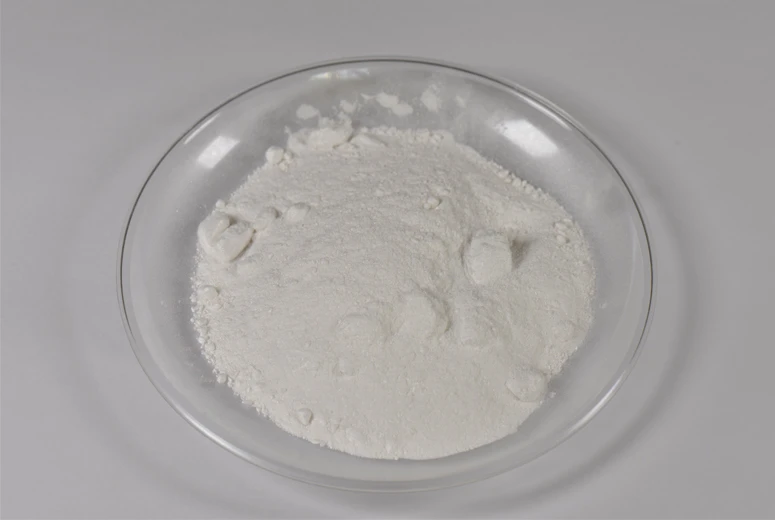
Where it’s used (and what users report)
In metallic-pearl topcoats, Synthetic Mica Powder adds silky flop without the gritty sparkle of coarse glass flakes. Plastics folks like the slip improvement; printers call out low screen clogging. Cosmetic labs mention a cleaner base tone and fewer speck defects. Surprisingly, even a small swap from natural mica to synthetic can cut yellowing in high-heat extrusions.
Vendor snapshot (indicative)
| Vendor | Particle control | Docs & compliance | MOQ/Lead time | Customization | Price index |
|---|---|---|---|---|---|
| HJ Mica (Hebei) | Tight (D50 ± ≈1 µm) | RoHS/REACH, EN 71-3, cosmetic screens | Low/Short (≈2–3 weeks) | Particle, coating, color travel | $$ |
| Global Brand X | Very tight | Extensive (incl. region-specific) | Medium/Medium | Broad palette, treated grades | $$$ |
| Regional Processor Y | Moderate | Basic CoAs | Low/Short | Limited | $–$$ |
Customization options
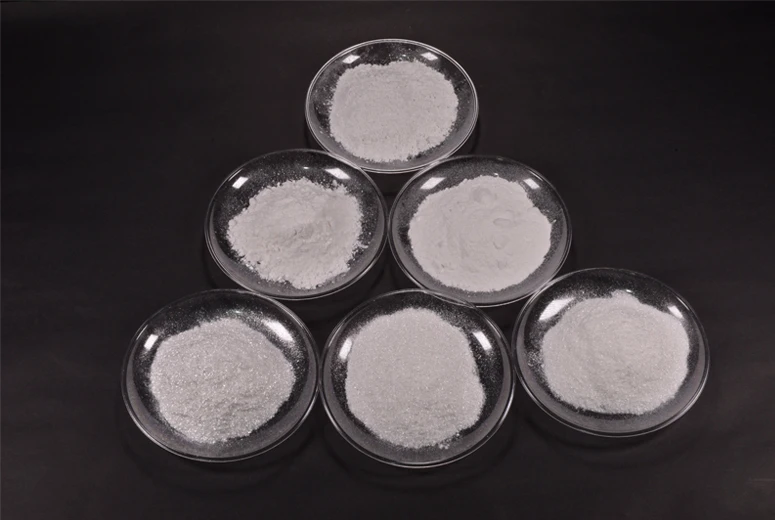
- Tailored particle cuts (e.g., 3–10 µm for cosmetics, 10–45 µm for coatings).
- Surface treatments: silane, TiO2, SiO2 coatings for higher sparkle or better dispersibility.
- Color travel tuning: layered metal oxide builds for warm/cool pearlescence.
- Packaging: anti-caking liners; clean-room packing for color-critical uses.
Two quick case notes
- Automotive refinish: replacing natural mica with Synthetic Mica Powder in a waterborne topcoat cut batch-to-batch ΔE by ≈30% and improved 60° gloss by +15 GU versus control after QUV 1000 h. Lab said dispersion time dropped ~20%.
- Injection-molded ABS: at 0.5–1.0% loading, the powder added soft pearl without visible specks; heat cycle at 240–260°C showed minimal yellowing and no odor pickup, which the processor really appreciated.
Certs and compliance (typical)
REACH and RoHS statements available; cosmetic use assessed against FDA 21 CFR 73 and EU 1223/2009; toy safety screenings per EN 71-3. Ask for lot CoA and PSD report; in fact, I always do before pilot runs.
Final thought
If you need a clean, repeatable pearlescent backbone with minimal fuss, this grade of Synthetic Mica Powder is a safe, frankly boringly reliable choice—and that’s a compliment.
Authoritative citations
- ISO 13320:2020, Particle size analysis—Laser diffraction methods.
- ASTM D2244-21, Standard Practice for Calculation of Color Tolerances and Color Differences.
- EN 71-3:2019+A1:2021, Safety of toys—Migration of certain elements.
- FDA 21 CFR Part 73, Listing of color additives (cosmetics grade guidance).
- Regulation (EC) No 1223/2009, Cosmetic products—Safety and compliance framework.
-
Ultimate Guide to Using High Quality Pearl Paint Pigment for LusterNewsApr.16,2026
-
Elevating Automotive Aesthetics with Mica Powder Car PaintNewsApr.09,2026
-
Unlock Stunning Effects with Mica Powder for Paint ApplicationsNewsApr.07,2026
-
Comprehensive Guide to Mica Dye Powder Applications and BenefitsNewsApr.04,2026
-
Unlocking the Brilliance of Mica Pigment Paint for Diverse ApplicationsNewsMar.31,2026
-
Enhancing Concrete Performance with Durable Mica Chips for Concrete ApplicationsNewsMar.28,2026