
What Is Synthetic Mica Powder? Benefits & Specs Explained
What Is Synthetic Mica Powder? Understanding Its Role in Industry
Working in the industrial equipment sector for a little over a decade, I’ve come across a vast array of materials. But synthetic mica powder always stood out as somewhat unique—more versatile and consistent than its natural counterpart. Oddly enough, despite its widespread use, not everyone truly understands what it is or why it matters.
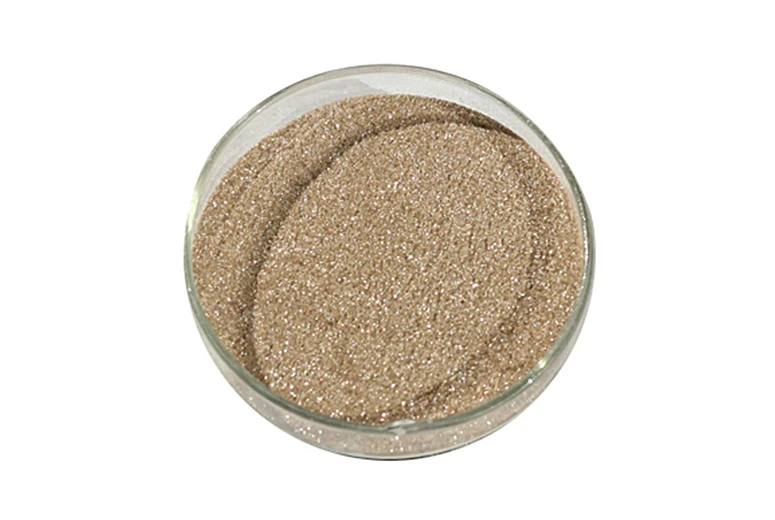
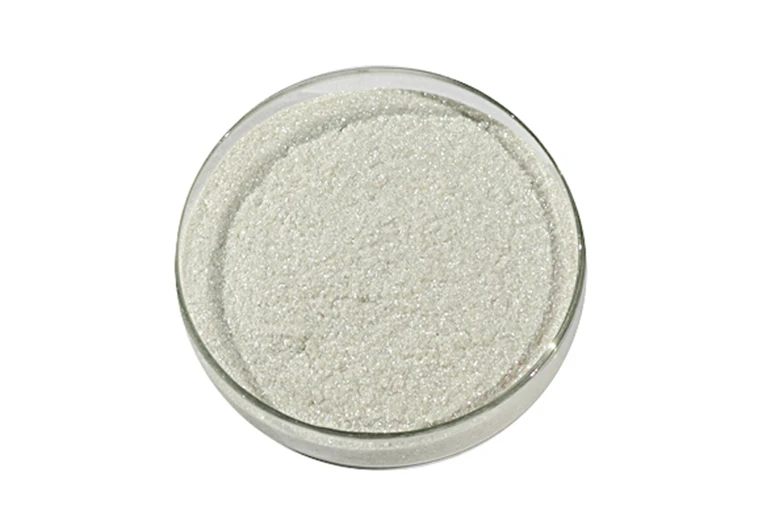
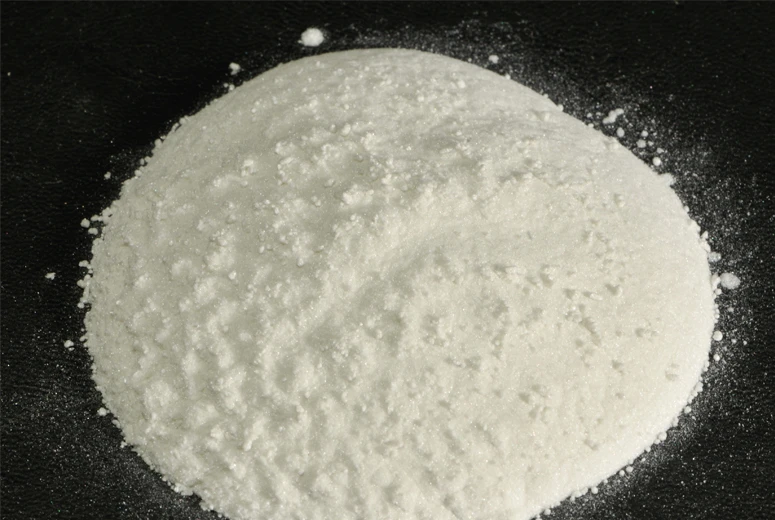
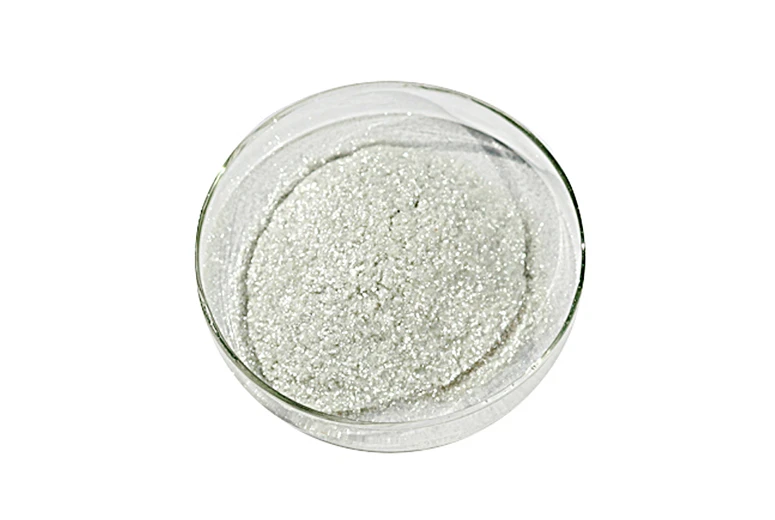
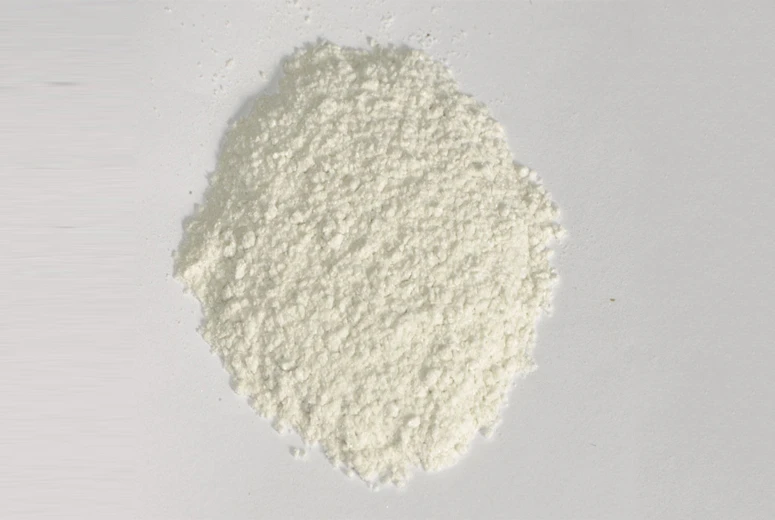
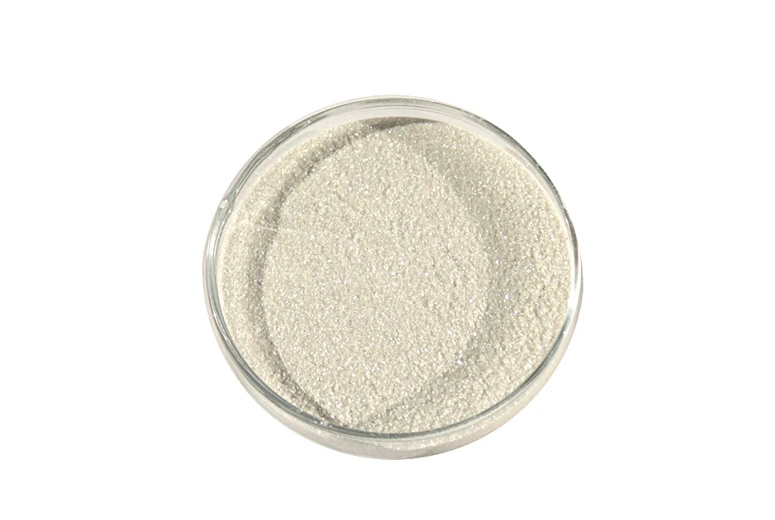
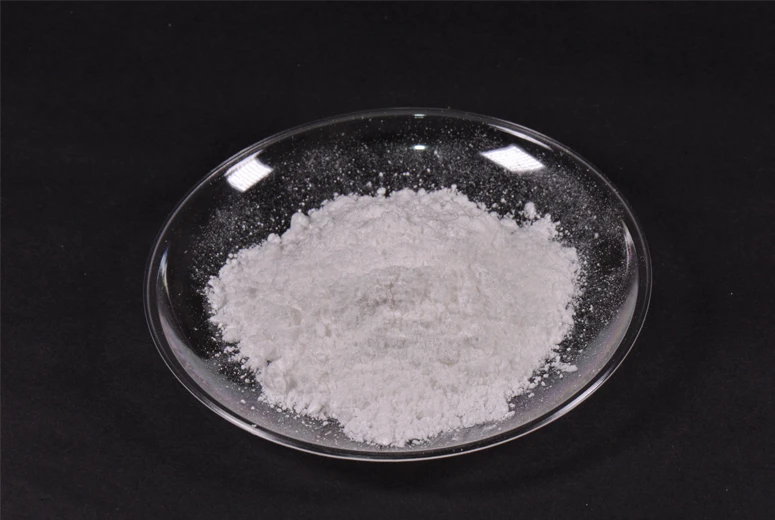
So, what exactly is synthetic mica powder? In simple terms, it’s an engineered version of natural mica—a silicate mineral known for its flaky, plate-like structure. Unlike natural mica, which is mined and can have impurities, synthetic mica is manufactured under controlled conditions, offering uniformity in purity, particle size, and physical properties. Frankly, this control is essential in industries where precision matters, from electronics to coatings and automotive components.
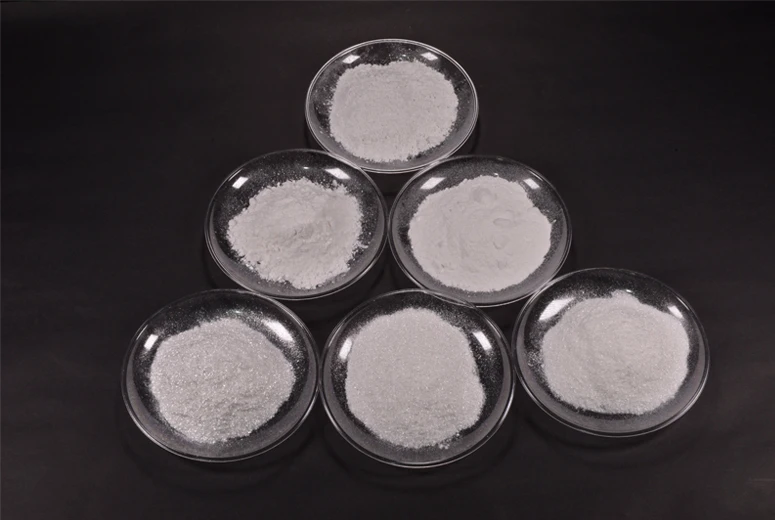
One thing I’ve noticed early on is how much of a difference consistent particle size makes in end products. Synthetic mica powder tends to excel here because manufacturers can tailor it to specific uses. In real terms, this means better adhesion when used in paints or improved dielectric properties in electronics. It feels like synthetic mica powder is a behind-the-scenes hero, quietly enhancing product performance without much fanfare.
Synthetic Mica Powder - Typical Product Specifications
| Specification | Value | Notes |
|---|---|---|
| Particle Size | 1–30 microns | Custom sizes available |
| Purity | ≥ 99% | Free from natural minerals |
| Color | Opaque white to off-white | Consistent coloring |
| Chemical Composition | KAl2(AlSi3O10)(OH)2 | Standard mica formula |
| Hardness (Mohs) | 3 - 4 | Good abrasion resistance |
Comparing mica sources is common in our field. One small anecdote: a customer once switched from natural to synthetic mica powder for their heat insulation panels, and the incremental gains in reliability were noticeable. They appreciated no more flaky contamination and fewer rejects. Even a small downtime reduction adds up — trust me, industrial folks notice these things.
Vendor Comparison: Synthetic vs. Natural Mica Powder
| Synthetic Mica Powder | Natural Mica Powder | |
|---|---|---|
| Purity | ≥ 99%, consistent | Varies, impurities present |
| Particle Size Control | Tailored to specs | Less uniform |
| Thermal Stability | Excellent, consistent | Good but variable |
| Environmental Impact | Manufactured, but less mining | Mining impacts high |
| Cost | Higher initial cost | Generally lower |
Now, if you’re wondering about use cases, synthetic mica powder plays key roles in various sectors — from paint and coatings, where it improves durability and sheen, to plastics and rubber enhancing flexibility and resistance. It’s also often chosen for electrical insulation because of its stable dielectric properties. Many engineers that I’ve worked with say it's the consistency that really wins the day—less guesswork means smoother production lines, which frankly saves headaches.
Customization is something companies manufacturing synthetic mica powder provide that natural mineral can’t really match. I recall a project where a client required a very narrow particle size distribution for a specialty optical coating—natural mica wouldn’t cut it, but synthetic delivered with minimal fuss.
In terms of quality testing, manufacturers rely on particle size analysis, X-ray diffraction for crystal structure, and purity checks to ensure each batch meets specs. Customers typically expect batch certificates with these details to assure consistent quality. I suppose this is why industries that demand high precision trust synthetic mica powder so much—no surprises, no unwelcome variations.
So, if you are in the market for reliable mica powder, diving into the synthetic variety might be worth your while. Visit this link for more detailed product info and supplier options, especially if you prefer quality and consistency over the cheapest deal.
At the end of the day, synthetic mica powder feels like one of those quietly innovative materials — never flashy, but fundamentally changing how industries perform.
“The best materials often fly under the radar until you truly rely on them,” I remember a senior colleague telling me years ago. I tend to agree.
References:
- Industrial Minerals Handbook, 2021 Edition
- Journal of Materials Science & Engineering, Synthetic Mica Study, 2019
- H.J. Mica Product Datasheets and White Papers - hjmica.com
-
Ultimate Guide to Using High Quality Pearl Paint Pigment for LusterNewsApr.16,2026
-
Elevating Automotive Aesthetics with Mica Powder Car PaintNewsApr.09,2026
-
Unlock Stunning Effects with Mica Powder for Paint ApplicationsNewsApr.07,2026
-
Comprehensive Guide to Mica Dye Powder Applications and BenefitsNewsApr.04,2026
-
Unlocking the Brilliance of Mica Pigment Paint for Diverse ApplicationsNewsMar.31,2026
-
Enhancing Concrete Performance with Durable Mica Chips for Concrete ApplicationsNewsMar.28,2026