
Synthetic Fluorphlogopite in Makeup – Superior Synthetic Mica for Cosmetics
Synthetic Fluorphlogopite in Makeup: A Durable, Luxurious Ingredient Worth Knowing
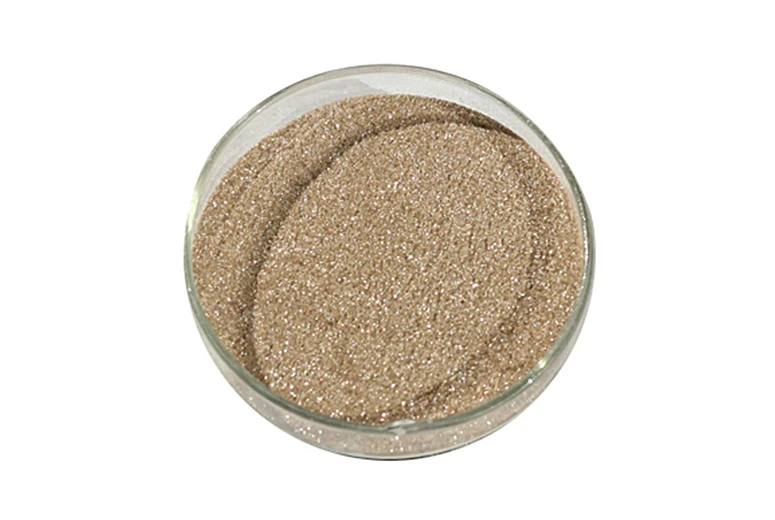
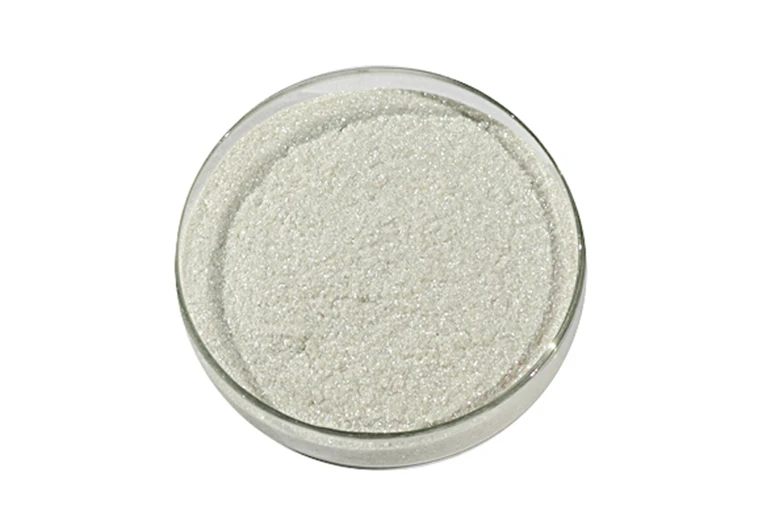
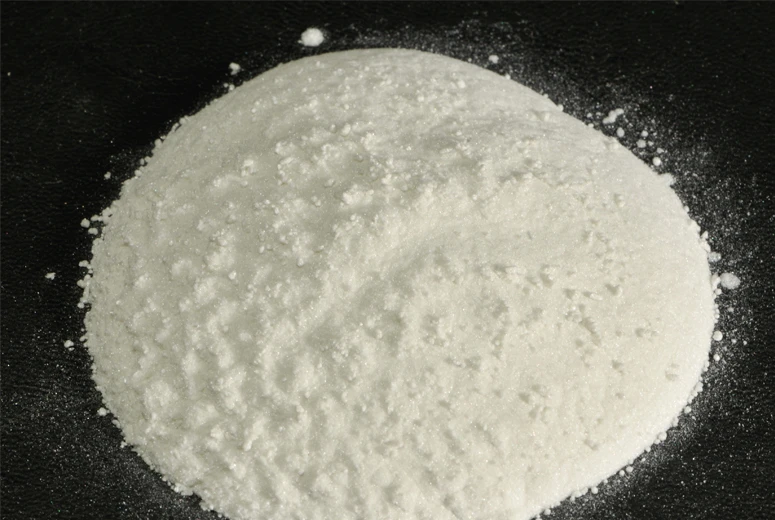
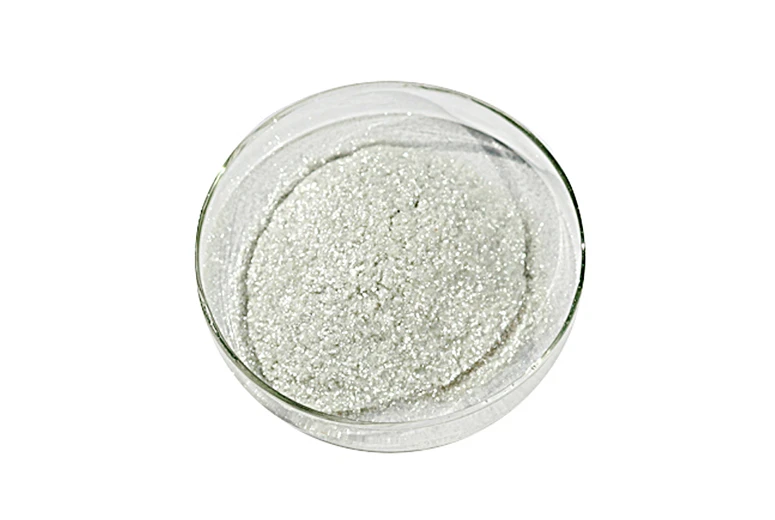
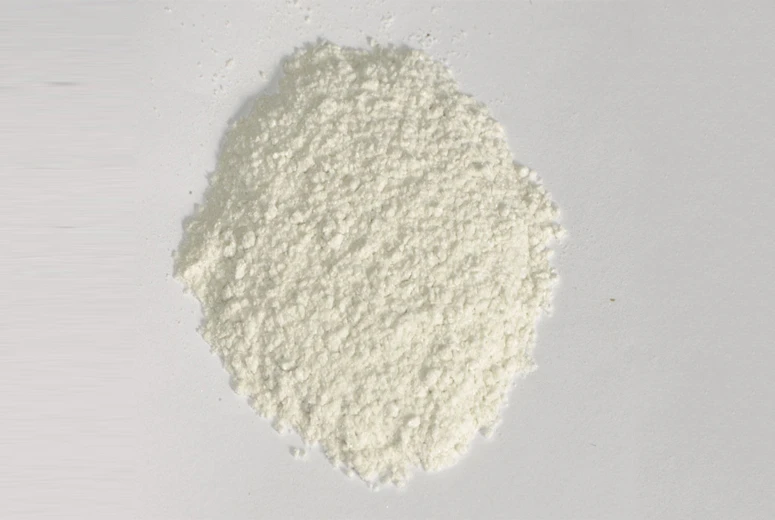
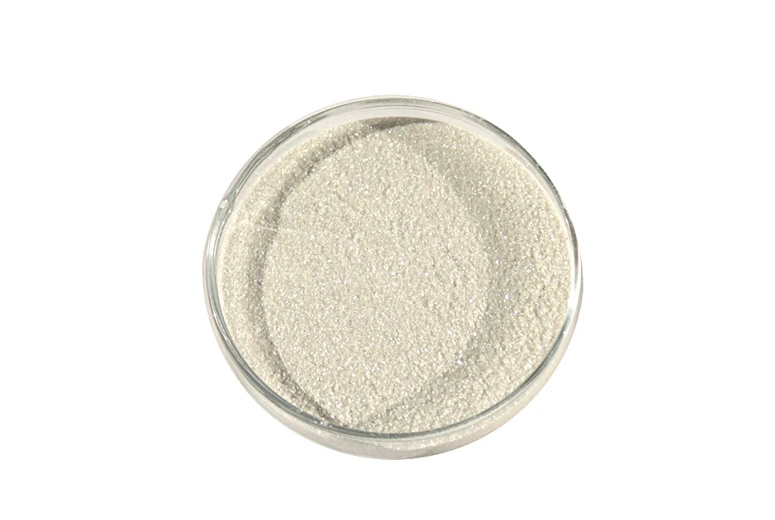
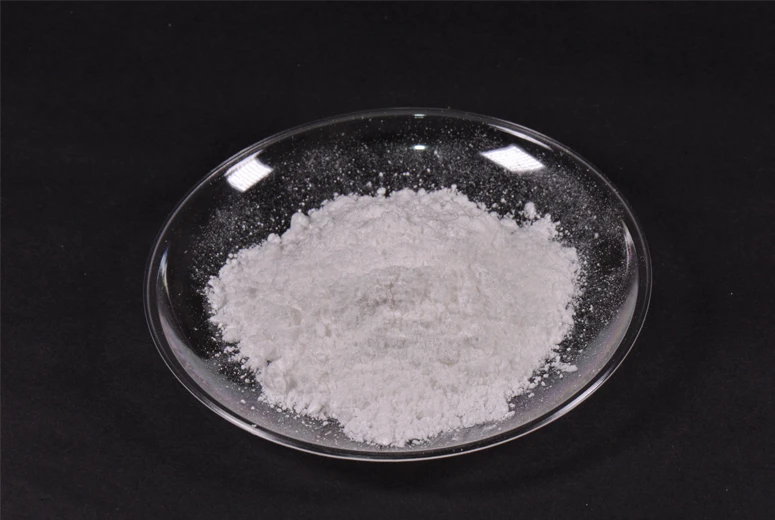
After over a decade working around industrial minerals and specialty materials, synthetic fluorphlogopite remains oddly fascinating to me — especially now as it’s found a new life in cosmetics. If you think mica is just flaky glitter, synthetic fluorphlogopite is sort of the upgraded cousin that cosmetics manufacturers swear by when they want a smoother feel without the impurities of natural mineral sources.
You might see it listed on ingredient panels or hear it called "synthetic mica," but technically it’s a synthetic fluorine-containing mica. One of first things I learned is how crucial the controlled synthesis process is; unlike natural mica, which has variable inclusions and can cause skin irritation, the synthetic version is ultra-pure and consistent in particle size and shape.
In makeup, that means it gives foundation, blush, and eyeshadows a silky, soft-focus effect — which frankly, is why formulators love it. It’s also chemically inert and moisture resistant, so it helps products last longer on the skin. I remember one project where we had to test powders under humid conditions; the synthetic fluorphlogopite-based formulations kept their finish without caking or fading, while competitor batches without it didn’t stand a chance.
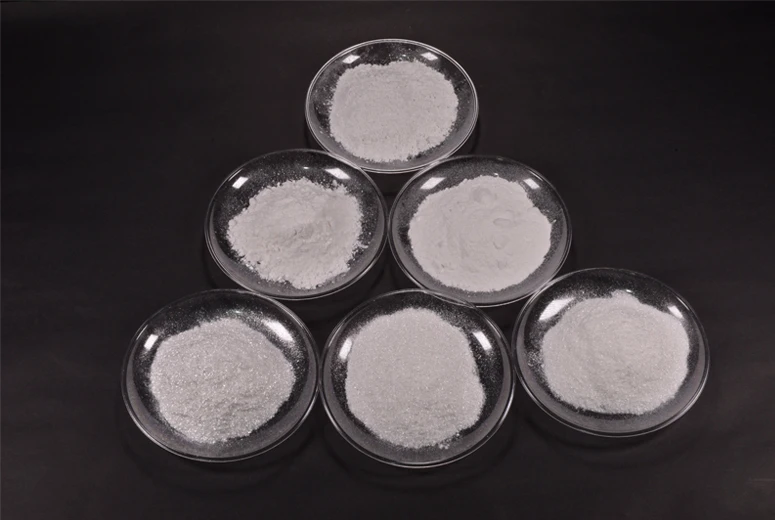
The particle size can be adjusted during production, which lets manufacturers tailor the shininess or mattifying effect. For instance, smaller particles give a more shimmer effect, while larger flakes provide subtle glow or highlights. This kind of customization is invaluable as trends shift from bold metallics to soft, clean radiance.
| Property | Typical Value | Notes |
|---|---|---|
| Chemical Formula | KMg3(Si3Al)O10F2 | Fluorine-substituted mica |
| Particle Size Range | 1 - 20 microns | Customizable |
| Refractive Index | ~1.55 | Creates subtle sheen |
| Moisture Resistance | Excellent | Enhances product longevity |
| Inertness | High | Hypoallergenic and stable |
I suppose it’s important to mention the sourcing angle. Unlike natural mica, which has had sustainability and ethical sourcing concerns, synthetic fluorphlogopite is lab-produced, so it avoids those ethical dilemmas entirely. This has increasingly become a strong selling point for brands aiming for "clean beauty." On the downside, the synthetic process is energy-intensive — so it’s not completely free of environmental impact.
To give a clearer picture, here’s a quick vendor comparison of some well-known suppliers in the synthetic fluorphlogopite space. Pricing and particle customization can vary quite a bit, so it pays to shop carefully:
| Supplier | Particle Size Range (microns) | Customization Options | Typical Price (per kg) | Notes |
|---|---|---|---|---|
| HJMICA | 1 - 15 | Size, color tinting | $150 - $200 | High purity, reliable supply Learn more |
| Supplier B | 3 - 20 | Limited | $120 - $180 | Good for matte finishes |
| Supplier C | 2 - 10 | Size only | $140 - $190 | Stable supply chain |
Oh, and a quick anecdote — a client in the indie makeup scene told me how switching to synthetic fluorphlogopite really elevated their compact powders’ feel. They mentioned customers writing in surprised at how silky and “professional” they felt, even though the price point stayed accessible. In real terms, that glow isn’t just cosmetic but an actual product performance upgrade, and synthetic fluorphlogopite is the unsung hero behind it.
To wrap it up: if you’re formulating makeup products or just curious about what makes your blush glow so nicely, synthetic fluorphlogopite is a detail worth appreciating. It’s got the tech pedigree and the cosmetic benefits — plus it sidesteps a few of natural mica’s problems. Not quite glamorous industrial stuff, but kind of a quiet revolution under the hood.
— From someone who’s spent years in the dusty factories and labs where industrial minerals become beauty essentials.
References
- Technical reports on synthetic fluorphlogopite from industry whitepapers
- Quality testing results from cosmetic applications
- Supplier datasheets and customer feedback reviews
-
Ultimate Guide to Using High Quality Pearl Paint Pigment for LusterNewsApr.16,2026
-
Elevating Automotive Aesthetics with Mica Powder Car PaintNewsApr.09,2026
-
Unlock Stunning Effects with Mica Powder for Paint ApplicationsNewsApr.07,2026
-
Comprehensive Guide to Mica Dye Powder Applications and BenefitsNewsApr.04,2026
-
Unlocking the Brilliance of Mica Pigment Paint for Diverse ApplicationsNewsMar.31,2026
-
Enhancing Concrete Performance with Durable Mica Chips for Concrete ApplicationsNewsMar.28,2026