
Unlock the Shimmering World of Metallic Mica Powder for Epoxy Resin Art
Unlocking Brilliance: A Guide to Metallic Mica Powder for Epoxy
Metallic mica powders have revolutionized the world of epoxy resin art, offering a stunning way to achieve depth, shimmer, and vibrant color. Whether you're a seasoned artist or just beginning your epoxy journey, understanding the nuances of metallic mica powder for epoxy is crucial for creating breathtaking, professional-quality pieces. This guide will delve into the types, applications, and best practices for utilizing these mesmerizing pigments. From river tables to jewelry, discover how metallic mica can elevate your epoxy creations to a new level of artistry.
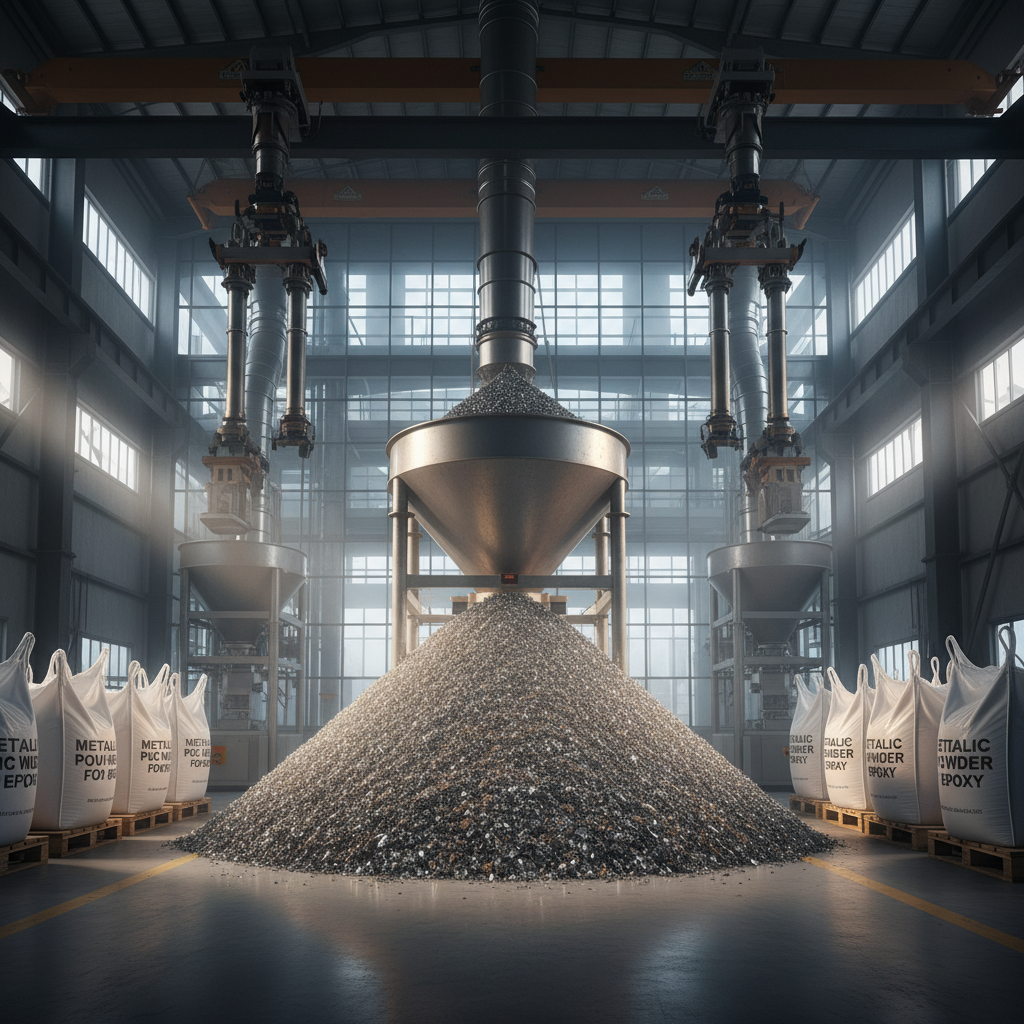
What is Metallic Mica Powder and Why Use It with Epoxy?
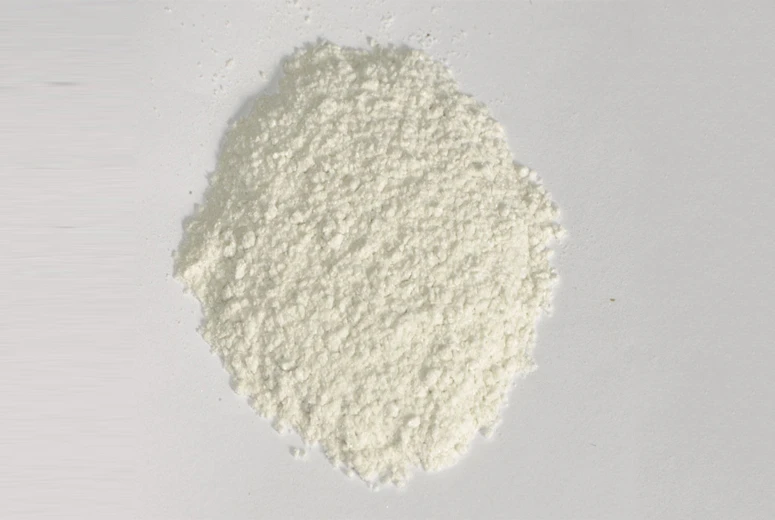
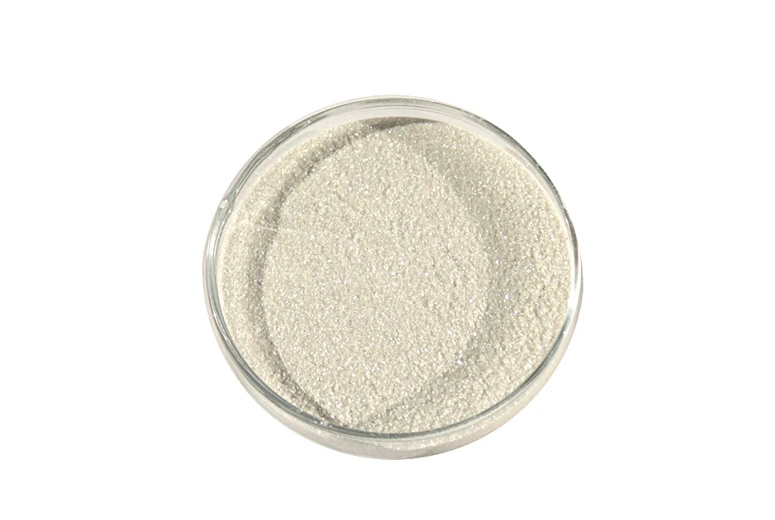
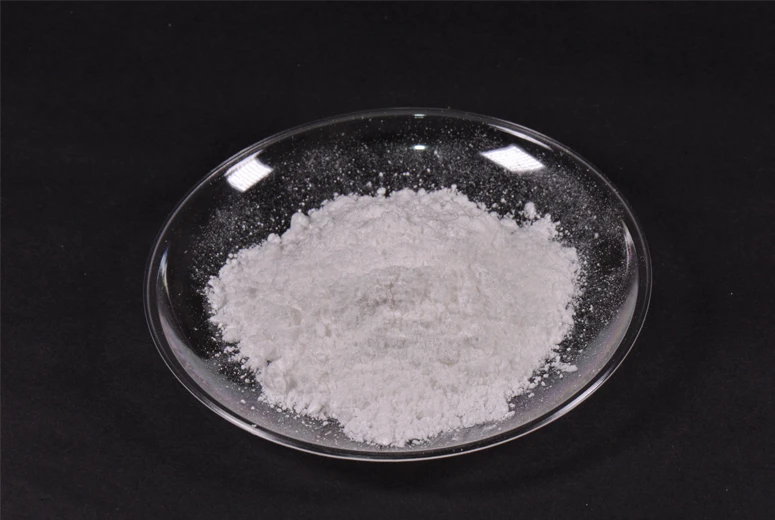
Metallic mica powder isn’t a single ingredient, but a carefully crafted blend. It consists of mica flakes (a natural silicate mineral) coated with various metallic oxides like titanium dioxide, iron oxides, and tin oxides. This coating process creates a captivating iridescent effect. When mixed with epoxy resin, the mica particles disperse, reflecting light and producing a shimmering, pearlescent finish. The benefits are numerous: enhanced visual appeal, increased depth, and the ability to create unique color combinations not achievable with traditional pigments. Furthermore, HJ Mica's metallic mica powders are known for their high quality and consistent color payoff.
Key Benefits: Enhanced visual appeal, increased depth, unique color combinations, consistent color payoff, and versatility in application.
Different Types of Metallic Mica Powder for Epoxy
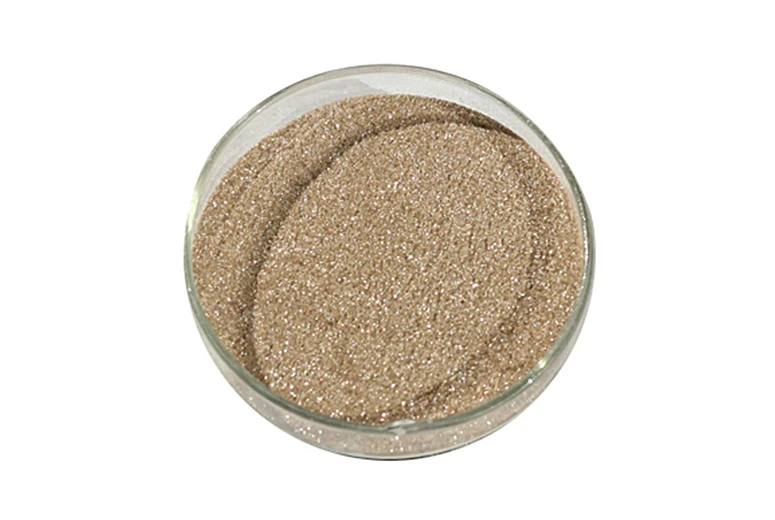
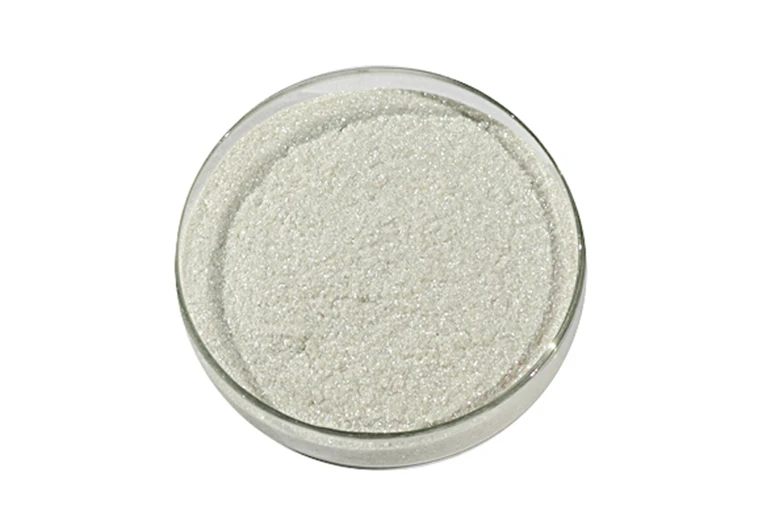
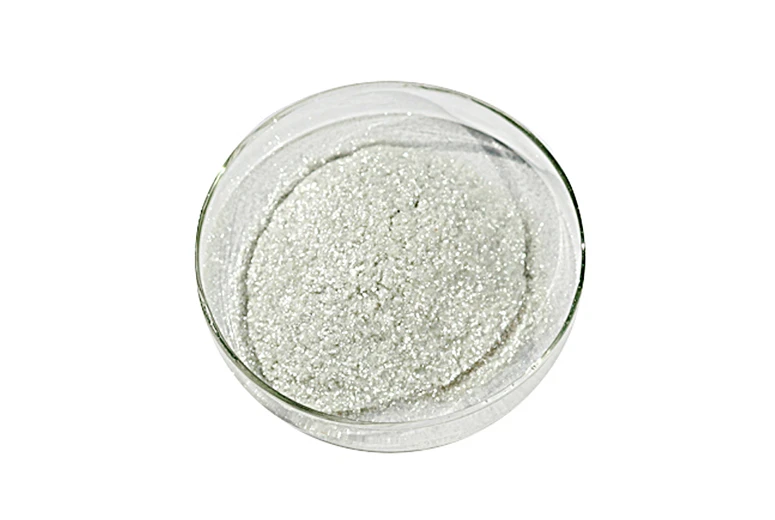
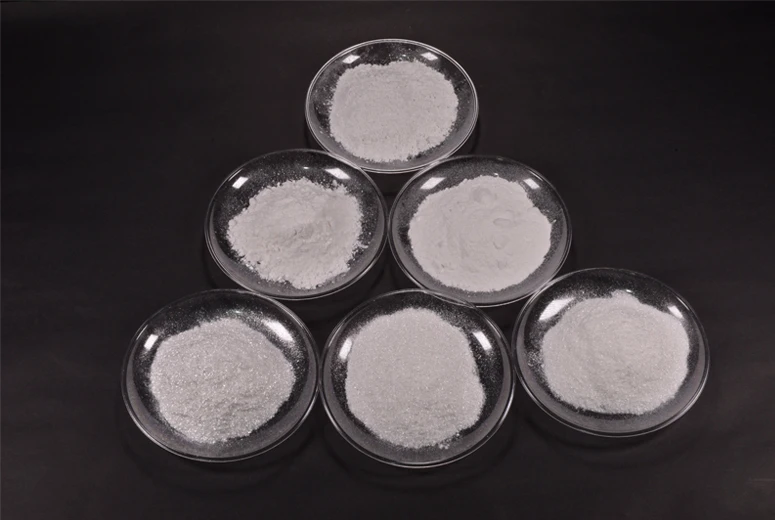
Metallic mica powders come in a stunning array of colors and finishes. Understanding the differences will help you choose the right pigment for your project. Some common types include: Gold, Silver, Bronze, Copper, Pearl, and Chameleon. Chameleon powders offer a multi-chromatic effect, shifting colors depending on the viewing angle. Fine vs. Coarse mica particle size also influences the final look. Finer particles create a smoother, more subtle shimmer, while coarser particles offer a more dramatic, textured effect. Consider the desired aesthetic when selecting your mica powder – a delicate shimmer for jewelry versus a bold, swirling effect for a river table.
Mica Powder Types & Characteristics:
• Gold/Silver/Bronze/Copper: Classic metallic shades for timeless elegance.
• Pearl: Creates a subtle, iridescent sheen.
• Chameleon: Color-shifting pigments for unique designs.
• Particle Size: Fine (smooth shimmer) vs. Coarse (textured effect).
Metallic Mica Powder for Epoxy: Application Techniques
Successfully incorporating metallic mica powder into epoxy requires a careful approach. Typically, mica powder is mixed directly into the epoxy resin before the hardener is added. The ratio of powder to resin depends on the desired intensity of color and shimmer. A general guideline is 1-3% mica powder by weight. Thorough mixing is essential to ensure even dispersion. Techniques like swirling, marbling, and layering can create captivating visual effects. For river tables, carefully pouring different colored mica-infused epoxy creates stunning, flowing designs. Always follow the epoxy manufacturer’s instructions for safe handling and curing.
Choosing the Right Metallic Mica Powder: HJ Mica’s Commitment to Quality
Not all metallic mica powders are created equal. Quality matters significantly when working with epoxy. Inferior powders can result in uneven color distribution, dull finishes, and poor adhesion. HJ Mica prides itself on sourcing the highest-grade mica and utilizing advanced coating techniques to deliver vibrant, consistent, and long-lasting results. Our pigments are rigorously tested for purity, colorfastness, and compatibility with various epoxy resin systems. We offer a wide range of colors and particle sizes to meet the diverse needs of artists and makers.
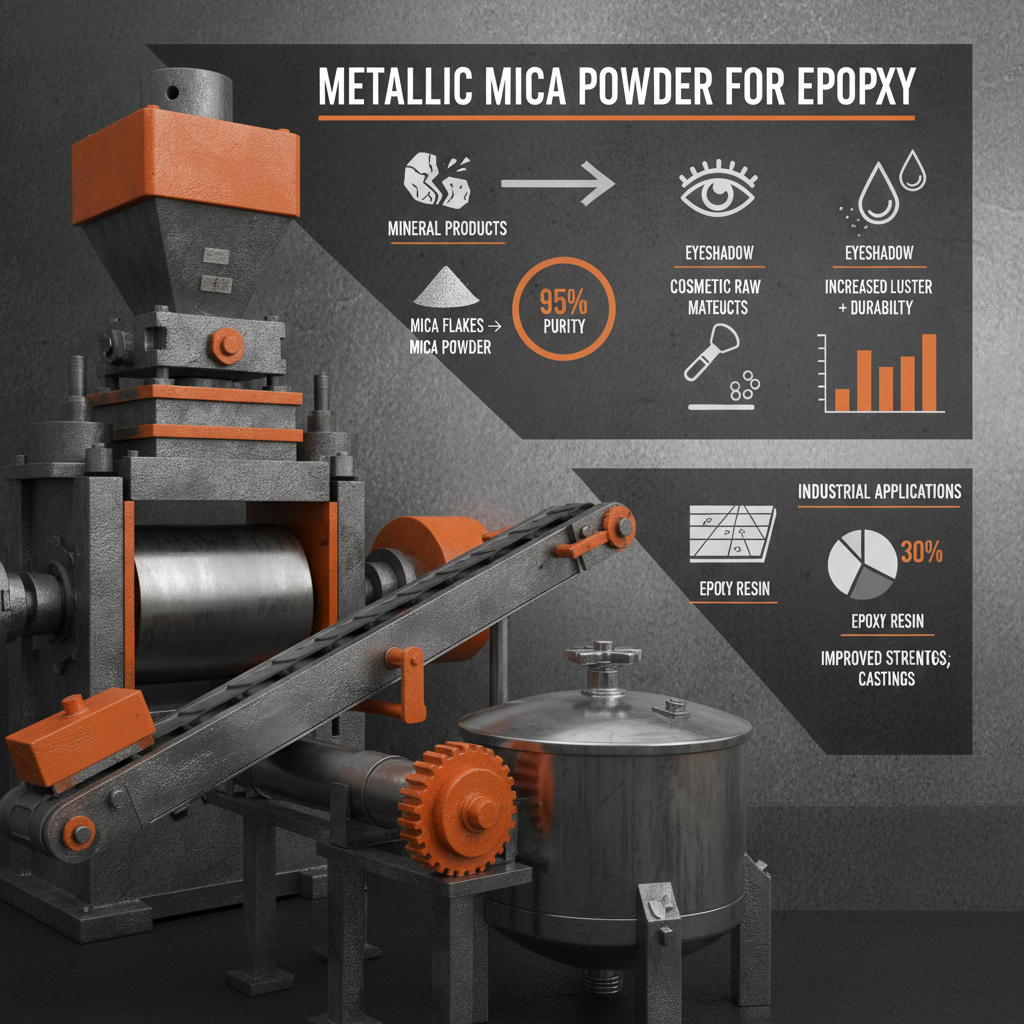
Safety Precautions When Working with Mica Powder
While mica powder is generally considered safe, it's crucial to take certain precautions. Avoid inhaling the powder, as it can cause respiratory irritation. Always wear a dust mask or respirator when handling dry mica powder. Protect your eyes by wearing safety glasses. Work in a well-ventilated area. Follow the safety guidelines provided by your epoxy resin manufacturer. Keep mica powder out of reach of children and pets. Proper handling ensures a safe and enjoyable creative experience.
Conclusion: Unleash Your Creativity with Metallic Mica
Metallic mica powder offers an unparalleled opportunity to add depth, shimmer, and captivating color to your epoxy resin creations. By understanding the different types of powders, mastering application techniques, and prioritizing safety, you can unlock a world of artistic possibilities. Explore the exquisite range of metallic mica powders at HJ Mica and elevate your epoxy projects to stunning new heights.
Frequently Asked Questions (FAQs)
What is the best way to store metallic mica powder?
Metallic mica powder should be stored in an airtight container in a cool, dry, and dark place. Exposure to moisture and sunlight can degrade the pigments and affect their color intensity. Original packaging is often ideal, but a sealed glass or plastic jar will also work. Proper storage will ensure the powder remains vibrant and usable for an extended period. Avoid storing it near strong chemicals or solvents, as these could also compromise its quality.
Can I use metallic mica powder in other mediums besides epoxy?
Yes! Metallic mica powder is incredibly versatile. It can be used in acrylic paints, alcohol inks, resin art (other than epoxy), soap making, candle making, cosmetics (with appropriate safety considerations and FDA compliance), and even automotive paints. However, the results may vary depending on the medium. It's always a good idea to test a small amount first to ensure compatibility and achieve the desired effect.
How much mica powder do I need for a typical epoxy project?
The amount of mica powder needed varies depending on the size of your project, the desired intensity of color, and the specific type of mica powder used. A general rule of thumb is to start with 1-3% mica powder by weight of the epoxy resin. For more subtle shimmer, use 1%. For bolder color and a more dramatic effect, use 2-3%. It's always best to start with less and add more gradually until you achieve the desired look. Precise measurements are key to consistency.
What is the difference between mica and glitter?
While both mica and glitter add sparkle, they differ significantly in their composition and effect. Mica is a natural mineral with a subtle, pearlescent shimmer. Glitter is typically made from plastic or metal and reflects light more intensely, creating a bolder, more flashy effect. Mica blends seamlessly with epoxy, creating a depth of color and shimmer, while glitter can sometimes appear suspended within the resin. Mica is also generally considered more environmentally friendly than plastic glitter.
-
Ultimate Guide to Using High Quality Pearl Paint Pigment for LusterNewsApr.16,2026
-
Elevating Automotive Aesthetics with Mica Powder Car PaintNewsApr.09,2026
-
Unlock Stunning Effects with Mica Powder for Paint ApplicationsNewsApr.07,2026
-
Comprehensive Guide to Mica Dye Powder Applications and BenefitsNewsApr.04,2026
-
Unlocking the Brilliance of Mica Pigment Paint for Diverse ApplicationsNewsMar.31,2026
-
Enhancing Concrete Performance with Durable Mica Chips for Concrete ApplicationsNewsMar.28,2026