mica dust is a naturally occurring mineral with a wide array of applications, ranging from cosmetics and paints to advanced industrial uses. Its unique properties – including its inertness, dielectric strength, and reflective qualities – make it indispensable in numerous sectors. Globally, the demand for mica dust is steadily increasing, driven by growth in these industries and the ongoing search for sustainable and effective materials.
The supply chain surrounding mica dust, however, presents significant ethical and logistical challenges. Historically, a substantial portion of the world’s mica comes from regions with concerns regarding child labor and unsafe working conditions. Addressing these issues requires a multifaceted approach involving responsible sourcing initiatives, transparent supply chains, and collaborative efforts between businesses, NGOs, and governments.
Understanding the nuances of mica dust – its properties, applications, sourcing challenges, and emerging solutions – is crucial for professionals across diverse fields, from materials science and manufacturing to ethical sourcing and supply chain management. This knowledge empowers informed decision-making and contributes to a more sustainable and responsible industry.


mica dust, in its various forms, exhibits exceptional chemical and physical stability. This inherent resilience allows it to withstand extreme temperatures, corrosive environments, and intense pressure without significant degradation. This stability contributes to the longevity and reliability of products incorporating mica dust.
Moreover, the platy structure of mica dust particles provides unique benefits. These flat, sheet-like structures create a barrier effect in coatings and plastics, enhancing their resistance to moisture, gases, and UV radiation. This characteristic is particularly valuable in industries requiring high-performance protective materials.
Mica dust is widely used in the paint industry for its ability to improve durability, weather resistance, and color retention. It also enhances the paint’s barrier properties, preventing moisture and UV radiation from damaging the underlying surface. Furthermore, mica dust can improve the paint's opacity and provide a smooth, even finish, offering a higher quality product for consumers. The platy structure contributes to improved scratch resistance and overall longevity of the painted surface.
In cosmetic formulations, mica dust is commonly used in particle sizes ranging from 5 to 150 micrometers. Finer particles (5-20 µm) provide a silky smooth texture and create a subtle shimmer, ideal for foundations and concealers. Larger particles (20-150 µm) produce a more noticeable pearlescent effect, frequently found in eyeshadows and highlighters. The particle size distribution is carefully controlled to achieve the desired aesthetic and textural properties in each cosmetic product.
Traditional mica mining can have significant environmental impacts, including deforestation, soil erosion, and water pollution. Open-pit mining can disrupt ecosystems and lead to habitat loss, while wet processing generates wastewater containing mineral residues. However, responsible sourcing initiatives are promoting more sustainable mining practices, such as land reclamation, water management, and the use of eco-friendly processing techniques. Choosing suppliers committed to environmental stewardship helps minimize the negative impacts of mica mining.
The use of mica dust in food packaging is regulated by agencies like the FDA in the United States and the EFSA in Europe. These regulations typically specify the permissible levels of mica dust migration into food products to ensure consumer safety. The regulations are based on extensive toxicological studies to assess the potential health risks associated with mica dust exposure. Packaging materials must comply with these standards to be approved for food contact.
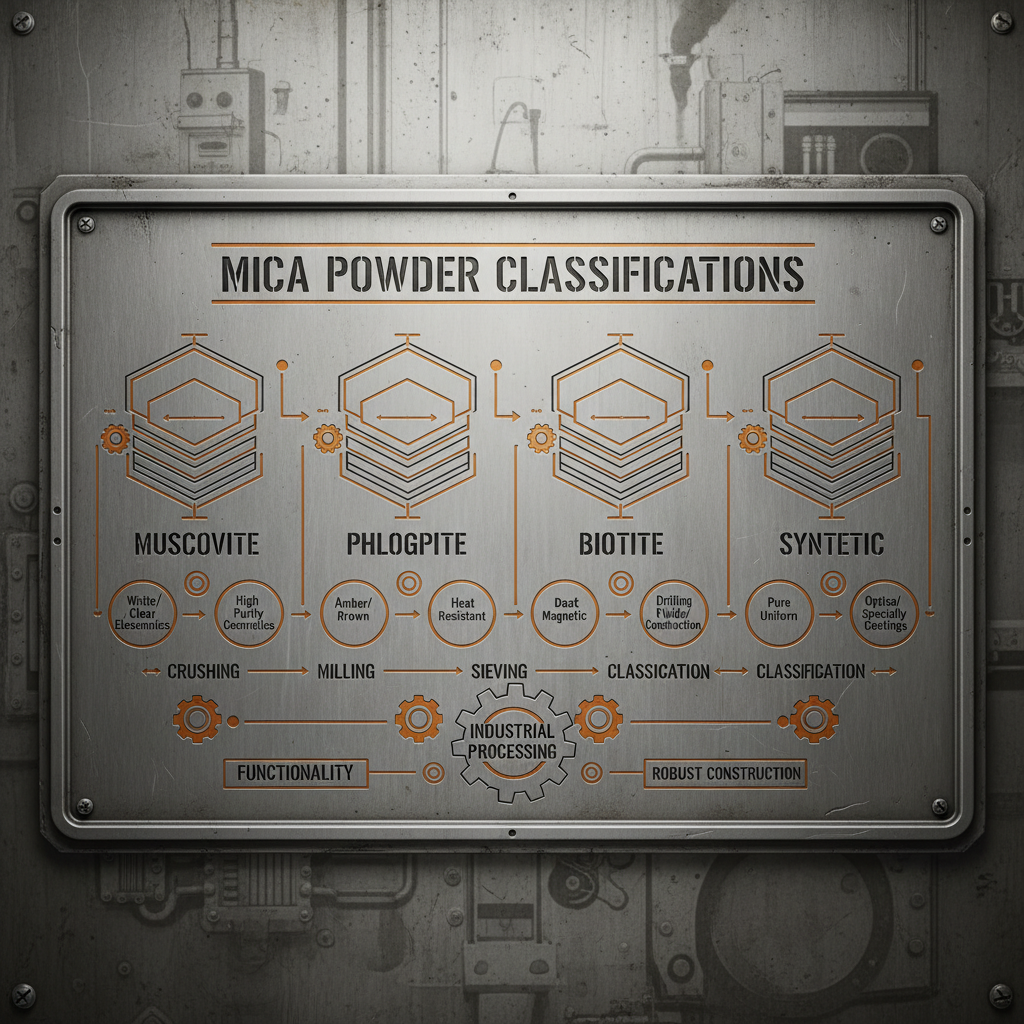
Natural mica is derived from mined minerals, while synthetic mica, also known as fluorphlogopite, is manufactured in a laboratory. Synthetic mica offers greater purity and consistency in particle size and shape, making it ideal for demanding applications like cosmetics and electronics. It also avoids the ethical concerns associated with natural mica mining. However, natural mica is generally less expensive and may be preferred in applications where purity is less critical.
Mica dust enhances the thermal stability of plastics by acting as a heat sink and reinforcing the polymer matrix. Its high thermal conductivity helps dissipate heat, preventing the plastic from degrading at elevated temperatures. The platy structure of mica particles also provides a barrier to heat transfer, slowing down the rate of thermal decomposition. This is particularly important in applications where plastics are exposed to high temperatures, such as automotive components and electrical insulation.
In summary, mica dust stands as a versatile and valuable material with a broad spectrum of applications spanning numerous industries. Its unique combination of properties – thermal stability, electrical insulation, chemical inertness, and platy structure – makes it indispensable in everything from cosmetics and paints to electronics and construction. Addressing the ethical challenges associated with sourcing remains paramount, but ongoing initiatives are paving the way for more responsible and sustainable practices.
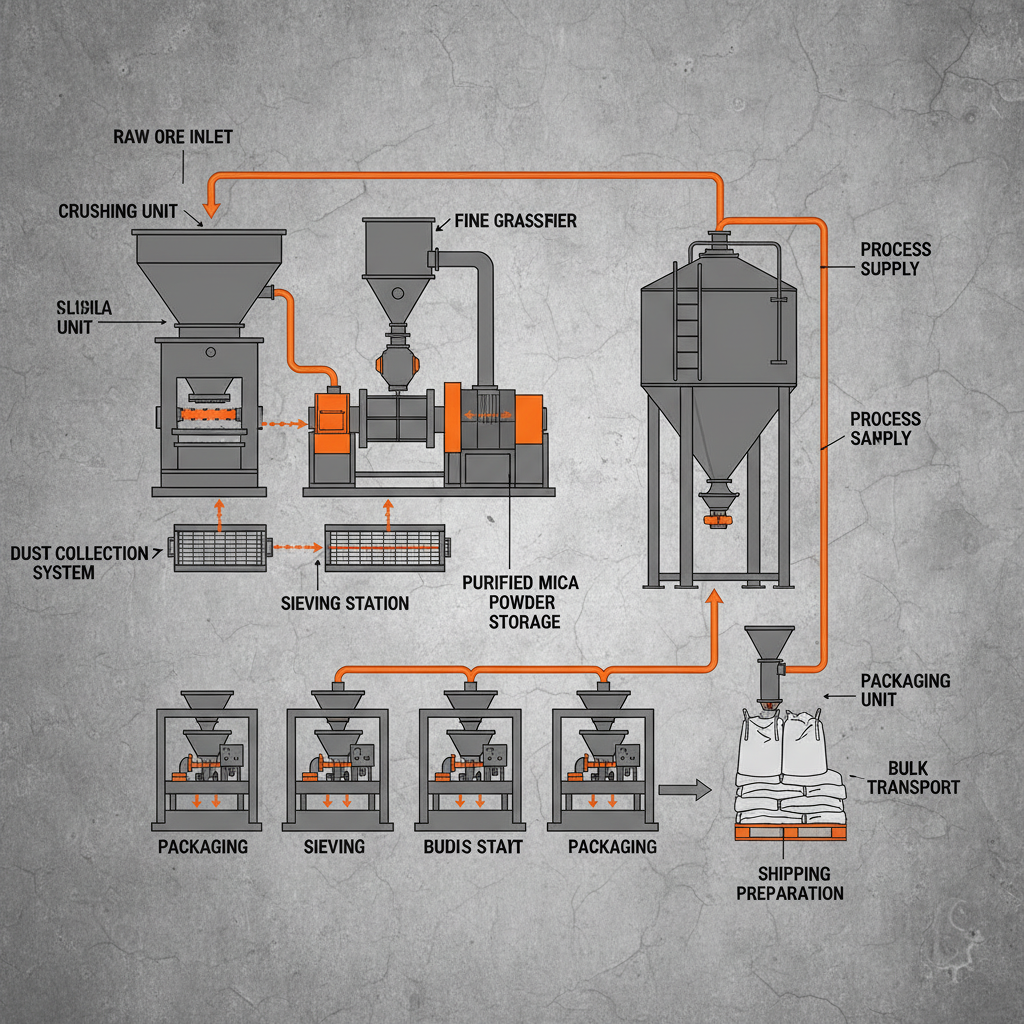
Looking ahead, continued innovation in processing technologies, coupled with growing demand for high-performance materials, will undoubtedly drive further advancements in the utilization of mica dust. By prioritizing sustainability, ethical sourcing, and technological development, we can unlock the full potential of this remarkable mineral and contribute to a more responsible and innovative future. Visit our website at www.hjmica.com to learn more.