
The Ultimate Guide to Mica-Based Luminous Colors with Pearlescent Pigment
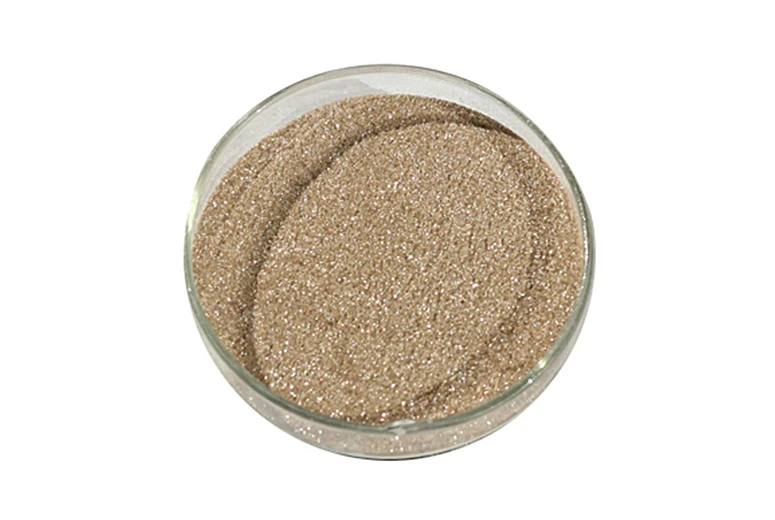
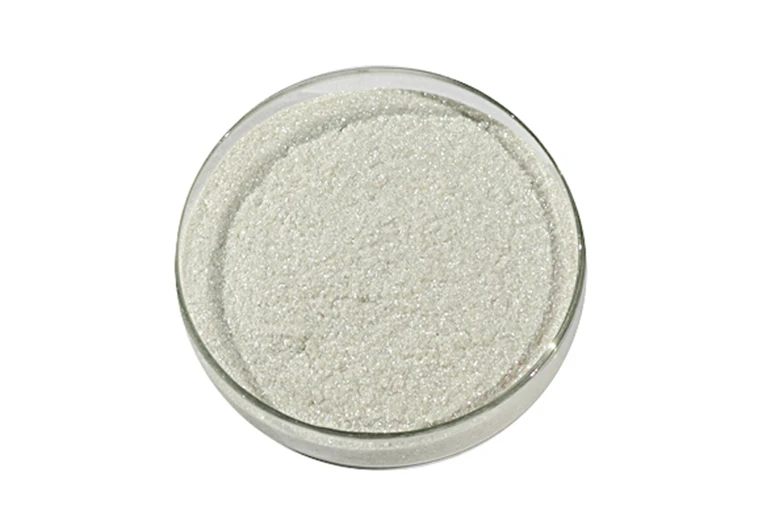
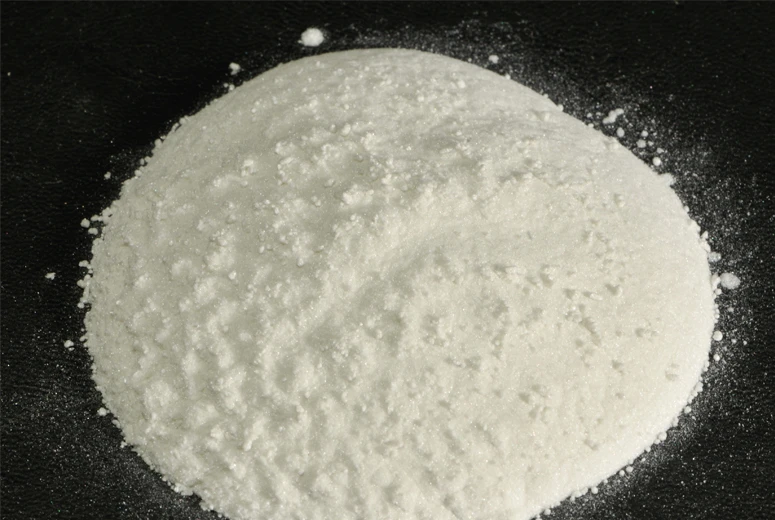
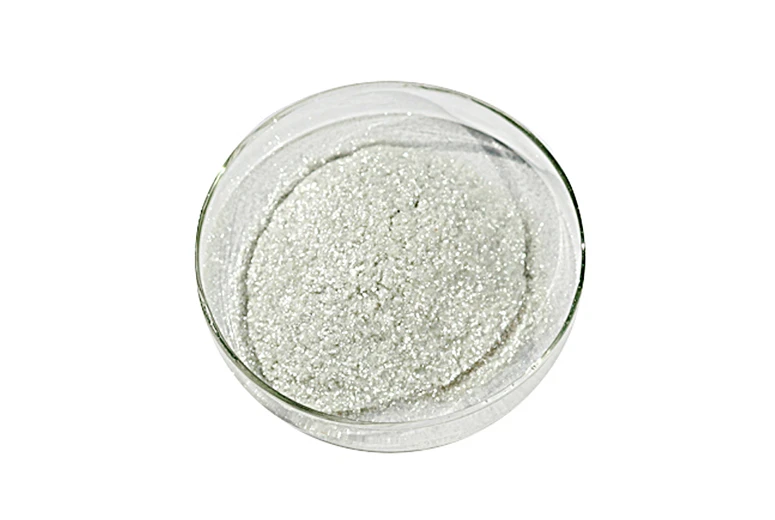
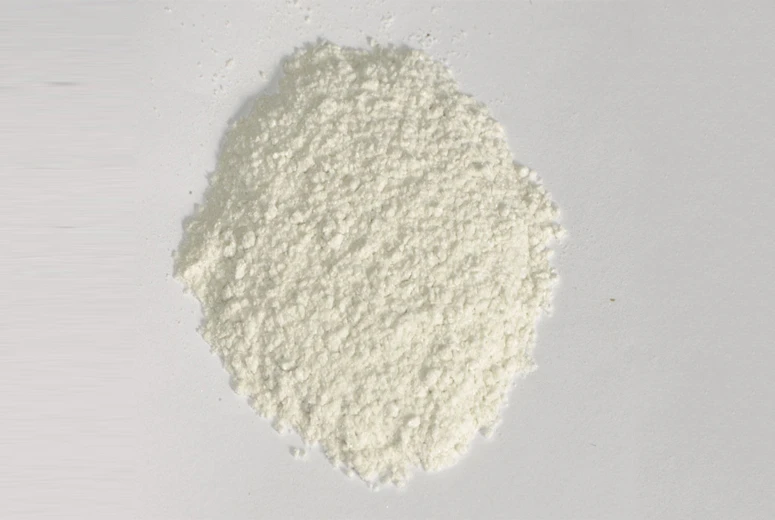
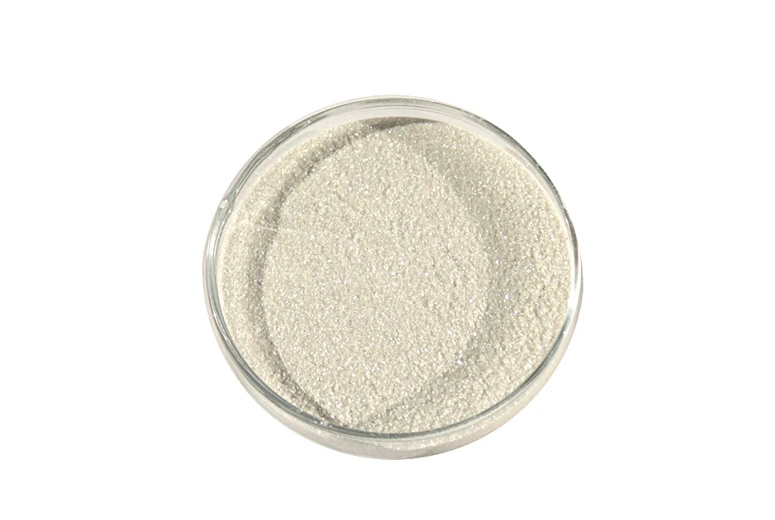
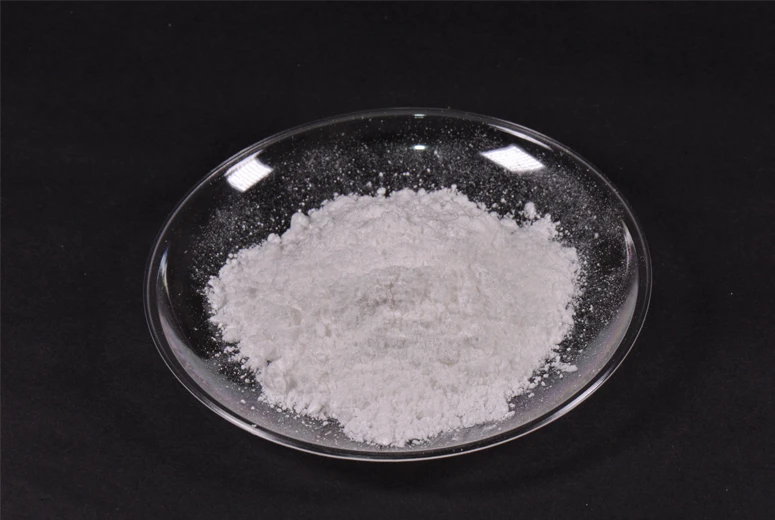
From dazzling automotive paints to high-end cosmetics, pearl pigment has become one of the most sought-after special effect materials across industries. These light-interacting particles, primarily made from mica pigments include mica pigment powders and bulk mica pigment, create mesmerizing iridescent, metallic, and satin finishes that ordinary pigments can't match.
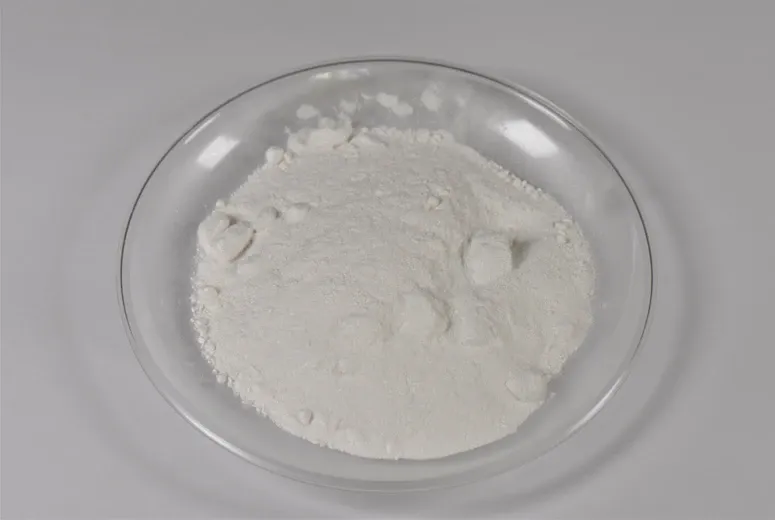
1. The Science Behind Mica Pigments and How They Work
Mica pigments achieve their signature pearlescent effect through a fascinating optical phenomenon. At their core, these pigments consist of:
Natural mica substrates (muscovite or synthetic fluorophlogopite)
Metal oxide coatings (titanium dioxide, iron oxide, etc.)
Specialized surface treatments
When light hits mica pigment powders, several things occur simultaneously:
Partial reflection off the metal oxide layers
Partial transmission through the mica platelets
Light interference creating color-shifting effects
The thickness of the metal oxide coating determines the specific color effect:
|
Coating Thickness |
Color Produced |
|
60-80 nm |
Silver white |
|
80-100 nm |
Gold |
|
100-120 nm |
Red |
|
120-140 nm |
Blue |
|
140-160 nm |
Green |
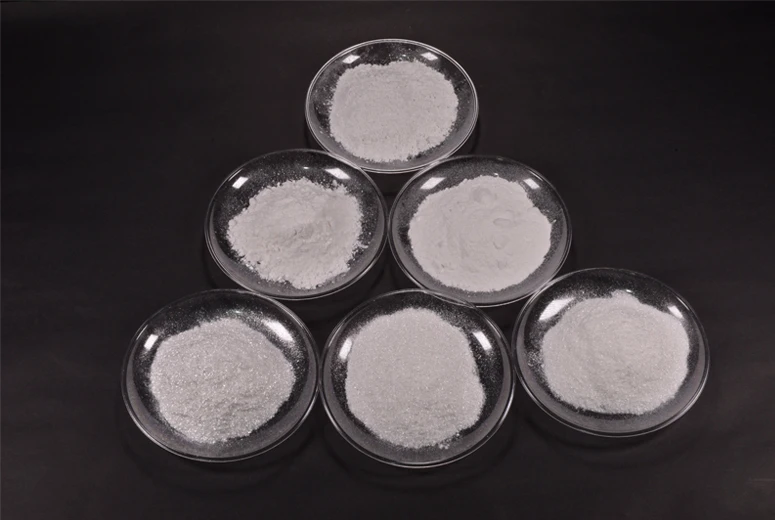
Bulk mica pigment is available in several particle size distributions:
5-25 microns: Ultra-smooth finishes (cosmetics)
10-50 microns: Standard pearlescent effects
50-200 microns: High sparkle effects
2. Industrial Applications of Pearl Pigment Across Sectors
The versatility of pearl pigment has led to widespread adoption across multiple industries:
A. Coatings and Paints
Automotive paints (color-shifting car finishes)
Powder coatings for appliances
Marine and industrial coatings
B. Plastics and Polymers
Injection molded parts
PVC films and sheets
Synthetic leather
C. Printing Inks
Security printing (banknotes)
Packaging inks
Decorative printing
D. Cosmetics and Personal Care
Nail polish
Eyeshadows
Lipsticks
Mica pigment powders offer distinct advantages in each application:
Weather resistance for outdoor uses
Chemical stability in plastics processing
Non-toxic nature for cosmetics
Cost-effectiveness compared to alternatives
3. How to Select the Right Bulk Mica Pigment
Choosing the optimal bulk mica pigment requires considering several technical factors:
Key Selection Criteria
Particle Size Distribution
Fine (5-25μm): Smooth metallic
Medium (10-50μm): Standard pearl
Coarse (50-200μm): Sparkle effects
Color Index
Interference colors
Combination colors
Metal effect colors
Surface Treatments
Silane for improved dispersion
Special coatings for chemical resistance
Regulatory Compliance
REACH
FDA (for cosmetics)
RoHS
Performance Comparison Table
|
Pigment Type |
Lightfastness |
Chemical Resistance |
Recommended Use |
|
Titanium Dioxide Coated |
Excellent |
Good |
Automotive paints |
|
Iron Oxide Coated |
Good |
Excellent |
Plastics |
|
Mixed Metal Oxide |
Excellent |
Excellent |
Industrial coatings |
|
Untreated Natural |
Fair |
Poor |
Low-cost applications |
4. Technical Guide to Working With Mica Pigments
Proper formulation is crucial when working with mica pigment powders. Follow these professional guidelines:
Dispersion Techniques
Premixing with plasticizers or solvents
High-shear mixing for optimal separation
Ultrasonic treatment for nano applications
Recommended Loadings
|
Application |
Pigment Loading |
|
Plastics |
0.5-2% |
|
Paints |
5-15% |
|
Cosmetics |
10-30% |
|
Inks |
15-25% |
Common Formulation Challenges
Flotation issues in liquid systems
Dispersion difficulties in non-polar media
Orientation problems in films
Pro Tip: Always conduct small-scale tests before full production runs with new pearl pigment batches.
Pearl Pigment FAQ: Answering Your Top Questions
1.What's the difference between mica pigments and regular pigments?
Mica pigments create pearlescent effects through light interference on platelet particles, while conventional pigments rely solely on light absorption. This optical mechanism gives mica pigment powders their signature luminous quality, enabling dynamic color shifts and depth that regular pigments—which only change color via absorption—cannot replicate. Such properties make mica pigments ideal for applications requiring iridescence or metallic sheen.
2.How does particle size affect pearl pigment performance?
Smaller particles (5–25μm) give smoother metallic effects, suitable for subtle, uniform finishes in coatings or plastics. Larger particles (50–200μm) create more pronounced sparkle and texture, often used in decorative or automotive applications. Medium sizes (10–50μm) offer balanced pearlescence, making them versatile for most bulk mica pigment applications where a mix of luminosity and consistency is needed.
3.Can pearl pigment be used in food-contact materials?
Yes, certain pearl pigment grades meet FDA requirements for indirect food contact applications like packaging. These specialized pigments undergo rigorous testing to ensure safety, but it’s critical to verify the specific grade’s certifications (e.g., FDA 21 CFR compliance) and intended use. Non-certified grades should never be used in food-related contexts to avoid regulatory issues.
4.What's the shelf life of mica pigment powders?
Properly stored in sealed containers away from moisture, most mica pigments remain stable for 3–5 years. Humidity can cause agglomeration or chemical degradation, compromising their optical performance over time. Storing them in cool, dry environments with minimal temperature fluctuations helps maintain their quality and longevity.
5.How do I prevent mica pigments from floating in liquid systems?
To prevent floating, use proper dispersing agents tailored for platelet-shaped particles, adjust the system viscosity to a level that supports pigment suspension, and pre-mix the pigment with part of the resin to improve wetting. Some pearl pigment grades also come with anti-floating treatments, which enhance compatibility with liquid bases and reduce segregation during processing.
-
Ultimate Guide to Using High Quality Pearl Paint Pigment for LusterNewsApr.16,2026
-
Elevating Automotive Aesthetics with Mica Powder Car PaintNewsApr.09,2026
-
Unlock Stunning Effects with Mica Powder for Paint ApplicationsNewsApr.07,2026
-
Comprehensive Guide to Mica Dye Powder Applications and BenefitsNewsApr.04,2026
-
Unlocking the Brilliance of Mica Pigment Paint for Diverse ApplicationsNewsMar.31,2026
-
Enhancing Concrete Performance with Durable Mica Chips for Concrete ApplicationsNewsMar.28,2026