
Transforming Surfaces with Mica-Enhanced Paints in Coatings and Decoration
The world of surface coatings has evolved dramatically with the introduction of innovative materials that combine aesthetic appeal with functional performance. Among these, mica powder for paint has emerged as a game-changing additive, revolutionizing how we approach both decorative and protective coatings. This comprehensive guide explores how mica pigment paint creates stunning visual effects while enhancing paint properties, the benefits of insulating paint for interior walls, and practical techniques for making paint with mica powder.
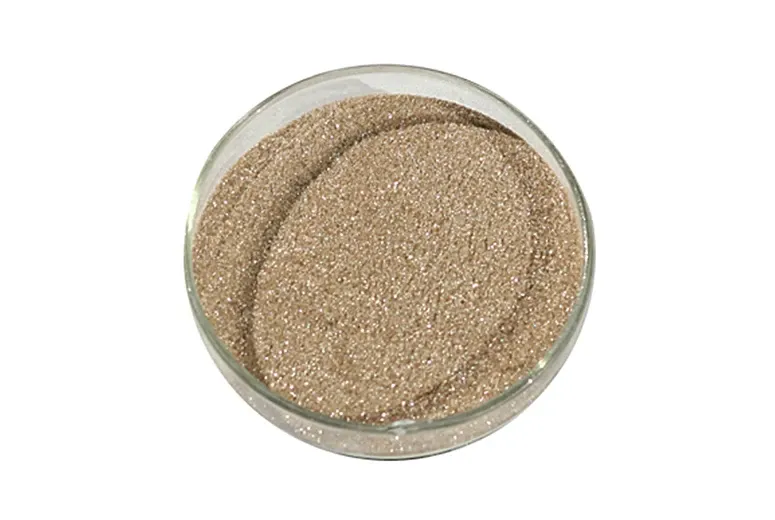
From luxurious wall finishes to high-performance protective coatings, mica-enhanced paints offer solutions that satisfy both designers and practical builders. Let's explore how these innovative coatings can transform any space.
1. The Magic of Mica Powder for Paint Formulations
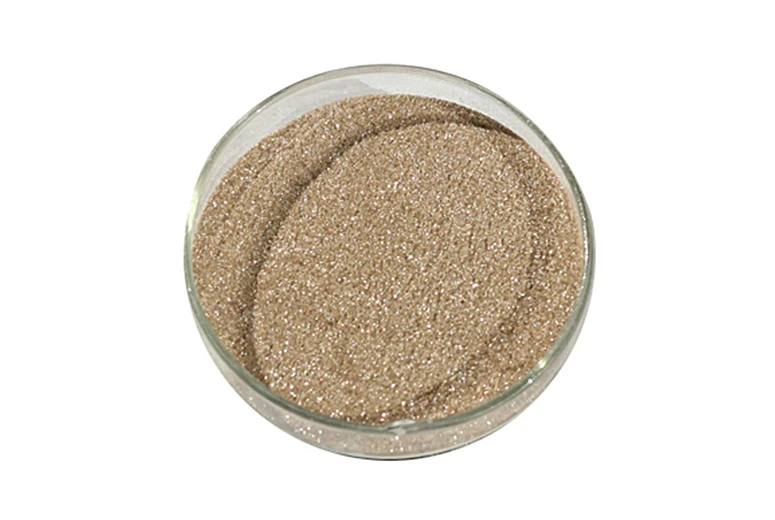
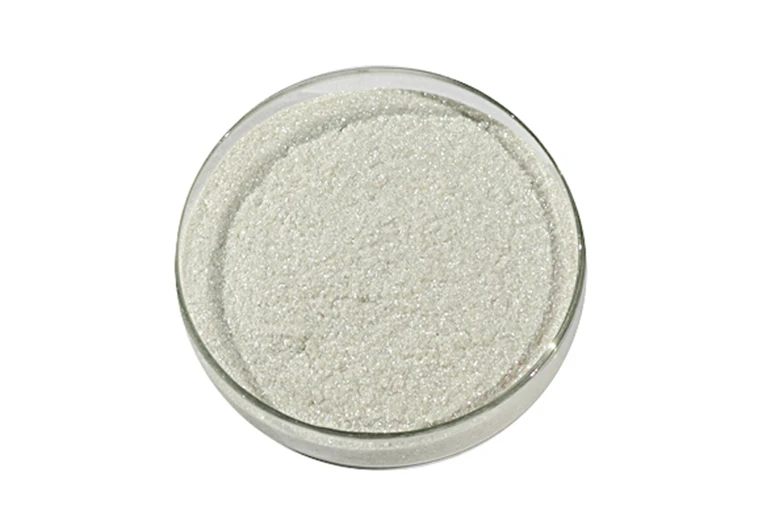
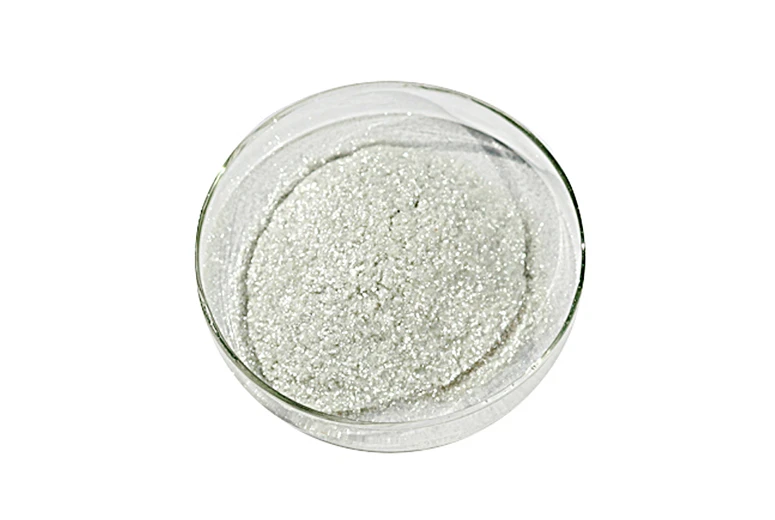
Mica powder for paint has become an essential ingredient for creating premium finishes with unique optical properties. These natural mineral additives offer benefits that synthetic pigments simply can't match.
Key Advantages of Mica in Coatings:
✔ Light Refraction - Creates depth and dimensionality in paint films
✔ Color Stability - Resists fading from UV exposure better than organic pigments
✔ Durability Enhancement - Reinforces coating structure against wear
✔ Versatile Effects - From subtle pearlescence to dramatic metallic finishes
Popular Mica-Enhanced Paint Types:
|
Paint Type |
Mica Content |
Best Applications |
|
Pearlescent Wall Paint |
5-15% |
Feature walls, ceilings |
|
Metallic Automotive |
10-20% |
Vehicle exteriors |
|
Artistic Acrylics |
15-30% |
Canvas, crafts |
|
Industrial Coatings |
3-10% |
Machinery, equipment |
The unique platelet structure of mica pigment paint particles creates light interference effects that change with viewing angle, producing dynamic finishes that captivate the eye.
2. Insulating Paint for Interior Walls: More Than Just Decoration
Modern insulating paint for interior walls combines thermal performance with aesthetic appeal when enhanced with specialized additives like mica.
How Insulating Mica Paints Work:
Thermal Barrier - Mica's mineral structure reduces heat transfer
Moisture Control - Creates breathable yet protective barrier
Sound Dampening - Helps absorb mid-frequency noises
Application Benefits:
Reduces wall surface temperature by up to 10°F
Can lower heating/cooling costs by 15-20%
Prevents condensation and mold growth
Available in various finishes from matte to pearlescent
Best Uses for Insulating Mica Paints:
Exterior-interior wall interfaces
Basements and crawl spaces
Rooms with temperature fluctuations
Historic buildings requiring non-invasive solutions
By incorporating mica powder for paint into insulating formulations, manufacturers create products that truly perform while maintaining beautiful finishes.
3. Creating Custom Mica Pigment Paint Finishes
Mica pigment paint offers endless creative possibilities for both professionals and DIY enthusiasts. Understanding how to work with these materials unlocks their full potential.
Essential Techniques for Professional Results:
Base Preparation
Ensure surfaces are clean, dry, and properly primed
Use light-colored bases for maximum mica effect
Mixing Methods
Premix mica powder with a small amount of binder before adding to main batch
Use slow-speed mixing to preserve particle structure
Application Tips
Cross-hatch rolling for even distribution
Maintain wet edge to prevent lap marks
Multiple thin coats preferred over one thick coat
Specialty Finish Techniques:
Burnishing - Creates high-gloss metallic effects
Layering - Builds depth with complementary colors
Wash Effects - Allows underlying colors to show through
Stenciling - For precise decorative patterns
Whether making paint with mica powder from scratch or enhancing commercial products, these methods ensure professional-quality results.
4. The Science Behind Making Paint with Mica Powder
Formulating high-quality mica pigment paint requires understanding the technical aspects of these unique additives.
Key Formulation Considerations:
Particle Size Distribution
10-60 microns ideal for most applications
Finer particles for smooth surfaces, coarser for sparkle
Binder Compatibility
Works with acrylic, epoxy, alkyd, and latex systems
Requires proper wetting agents for even dispersion
Pigment Loading
5-25% by weight depending on desired effect
Higher loads may require viscosity adjustments
Performance Enhancements:
✔ Improves scrub resistance up to 40%
✔ Increases film flexibility
✔ Enhects UV protection
✔ Reduces cracking/checking
Technical data shows that properly formulated mica powder for paint can extend coating lifespan by 2-3 times compared to conventional paints.
5. Mica-Enhanced Paints FAQ
1. How does mica powder for paint compare to metallic pigments?
While both create shimmer, mica pigment paint offers more subtle, multidimensional effects versus flat metallic shine, with better durability and no oxidation risk.
2. Can insulating paint for interior walls be tinted?
Yes, most insulating paints accept universal colorants, though dark colors may reduce thermal performance by 10-15%.
3. What's the shelf life of paint made with mica powder?
Properly formulated mica pigment paint lasts 2-3 years unopened, with periodic stirring recommended during use.
4. Is special equipment needed for making paint with mica powder?
Standard paint mixing tools work, but a high-shear disperser (1500+ rpm) ensures optimal particle distribution.
5. How washable are mica-enhanced wall paints?
Quality formulations match conventional paints in scrub resistance (1000+ cycles), with the mica actually reinforcing the film.
-
Ultimate Guide to Using High Quality Pearl Paint Pigment for LusterNewsApr.16,2026
-
Elevating Automotive Aesthetics with Mica Powder Car PaintNewsApr.09,2026
-
Unlock Stunning Effects with Mica Powder for Paint ApplicationsNewsApr.07,2026
-
Comprehensive Guide to Mica Dye Powder Applications and BenefitsNewsApr.04,2026
-
Unlocking the Brilliance of Mica Pigment Paint for Diverse ApplicationsNewsMar.31,2026
-
Enhancing Concrete Performance with Durable Mica Chips for Concrete ApplicationsNewsMar.28,2026