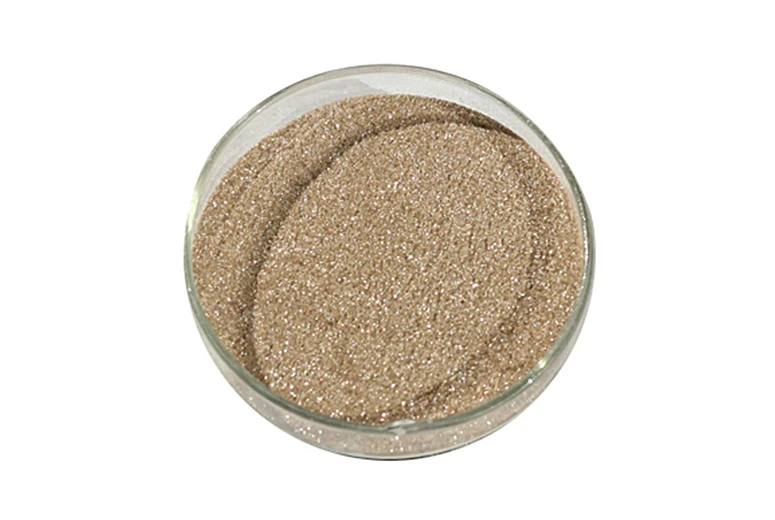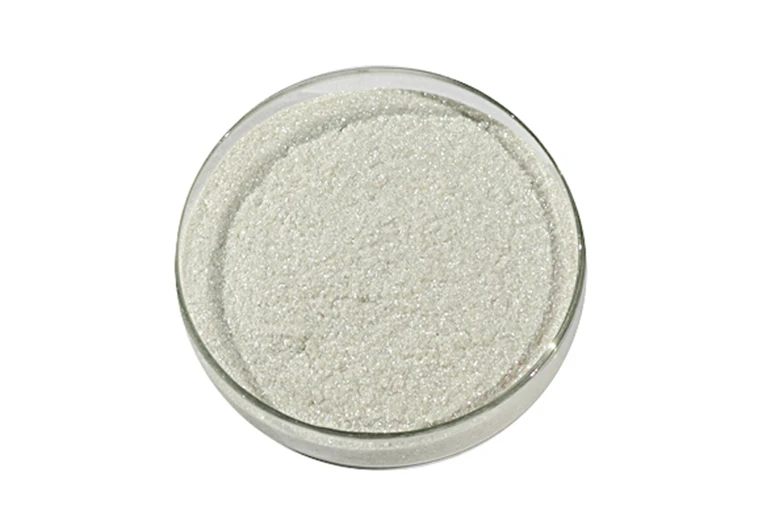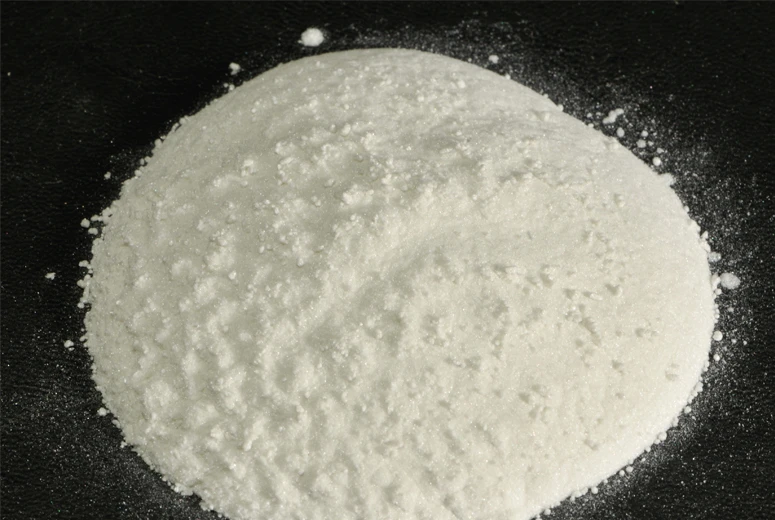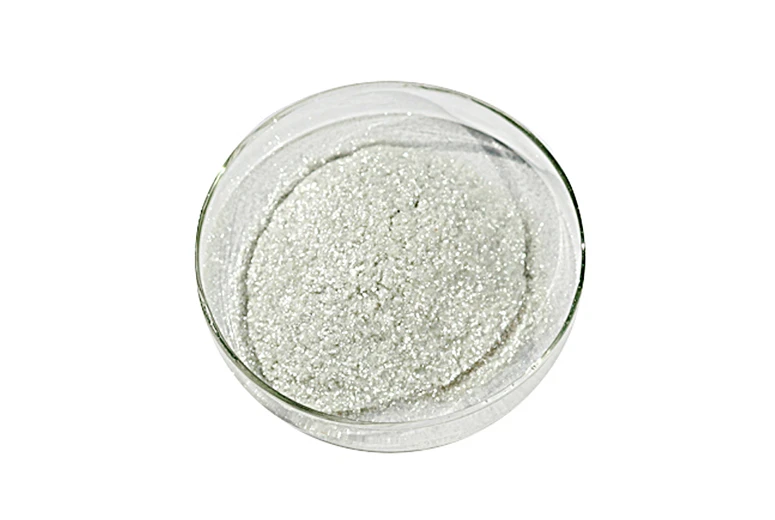

Synthetic Mica Powder: Vibrant Color Shift & Cosmetic Pigment
The Transformative Power of Synthetic Mica Powder in Modern Industries
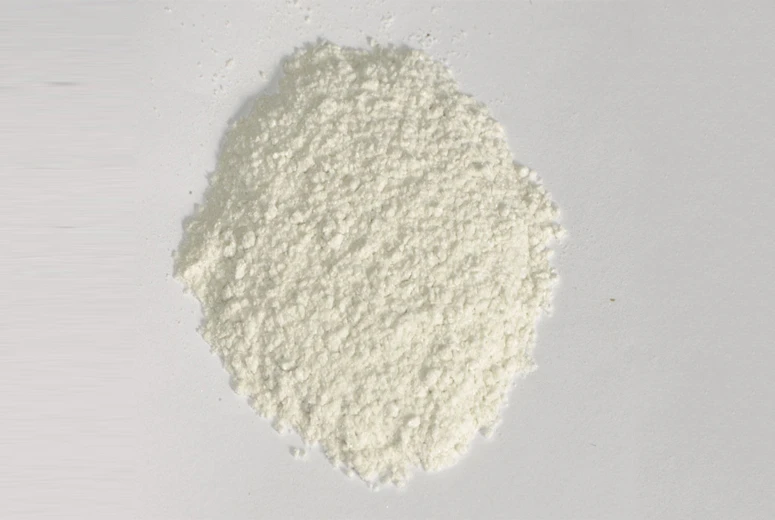
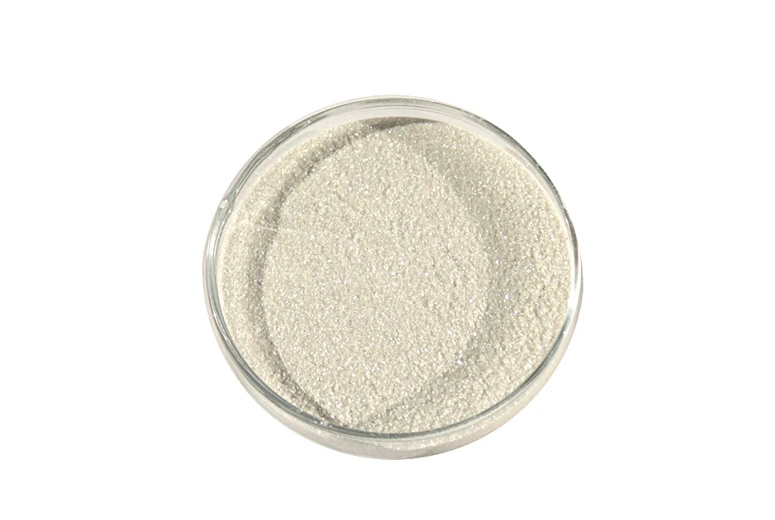
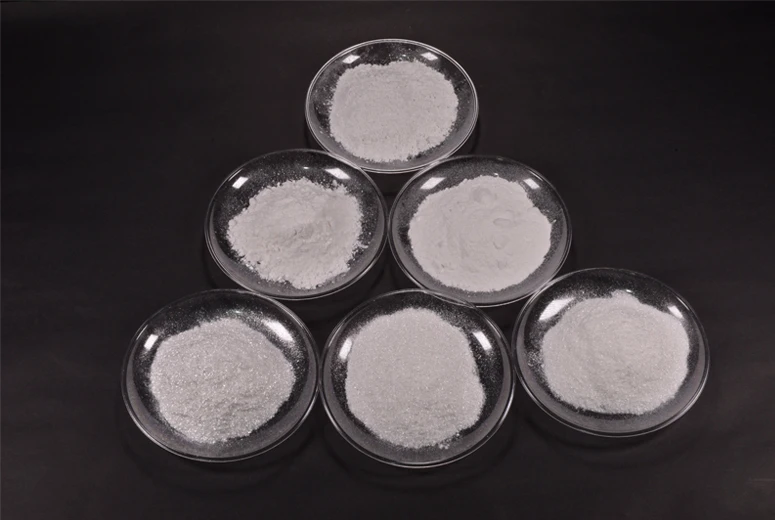
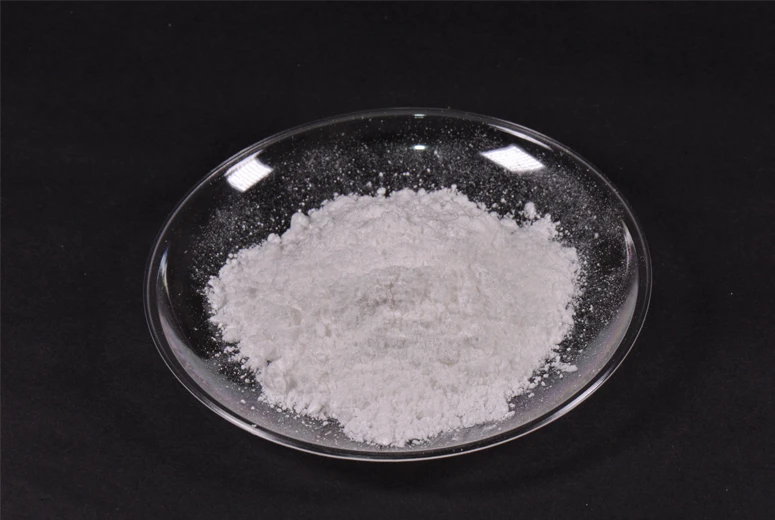
In the evolving landscape of advanced materials, synthetic mica powder stands as a testament to innovation, offering unparalleled purity, consistency, and performance compared to its natural counterpart. Unlike mined mica, which often contains undesirable impurities like heavy metals or asbestos, synthetic mica is engineered in a controlled laboratory environment, ensuring a flawless composition tailored for high-end applications. Its unique lamellar structure, combined with exceptional thermal stability and optical properties, makes it an indispensable ingredient across a multitude of sectors, from high-performance coatings to premium cosmetics.
The demand for materials that offer superior aesthetics, enhanced durability, and improved safety profiles continues to drive the market for sophisticated engineered solutions. As industries push the boundaries of product formulation, the need for a reliable, consistent, and high-purity mineral filler or pigment becomes critical. This article delves into the intricate world of synthetic mica, exploring its manufacturing intricacies, technical specifications, diverse applications, and the distinct advantages it brings to the forefront of industrial innovation.
Unveiling the Manufacturing Process of Synthetic Mica Powder
The creation of high-quality 5-25 Micron synthetic mica powder is a sophisticated industrial process, a stark contrast to the extraction of natural mica. This highly controlled manufacturing ensures a product free from impurities and with consistent physical and chemical properties. The process typically involves a melt crystallization method, mimicking the geological conditions under which natural mica forms, but under highly controlled parameters to achieve desired characteristics.
Detailed Manufacturing Steps:
- Raw Material Preparation: High-purity raw materials such as potassium fluorosilicate (K2SiF6), aluminum oxide (Al2O3), magnesium oxide (MgO), and silica (SiO2) are carefully selected. These precursors are precisely weighed and mixed according to a specific stoichiometric ratio to ensure the final product has the desired chemical composition, typically fluorophlogopite (KMg3(AlSi3O10)F2).
- High-Temperature Fusion (Melting): The prepared mixture is loaded into specialized crucibles, often made of platinum or graphite, and subjected to extremely high temperatures, typically ranging from 1350°C to 1500°C, in an electric furnace. At these temperatures, the raw materials melt into a homogeneous liquid, forming a stable melt. This phase is critical for dissolving impurities and ensuring uniform distribution of elements.
- Controlled Crystallization: The molten material is then subjected to a carefully controlled cooling process. This is the heart of the synthesis, where the mica crystals begin to nucleate and grow. The cooling rate, temperature gradient, and atmosphere are meticulously regulated to promote the growth of large, high-quality mica flakes with the desired aspect ratio and crystal morphology. Slow and precise cooling prevents the formation of undesirable phases and ensures optimal crystal lattice formation.
- Cooling and Solidification: Once crystallization is complete, the entire mass is allowed to cool slowly to room temperature, solidifying into a block of synthetic mica. This block is then carefully extracted from the furnace.
- Crushing and Milling: The solid synthetic mica block is then mechanically crushed into smaller pieces. These pieces are further processed through various milling techniques, such as jet milling or ball milling, to reduce the particle size to the desired range, such as 5-25 microns. This stage is crucial for achieving the desired lamellar structure and fine particle distribution.
- Classification and Sieving: After milling, the powder undergoes rigorous classification processes, including air classification and sieving, to separate particles by size and ensure a narrow particle size distribution. This precision is vital for product consistency and performance in end applications. For instance, a D50 of 5-25 microns indicates that 50% of the particles fall within this specified range, with strict controls on oversized and undersized particles.
- Surface Treatment (Optional): Depending on the end application, the synthetic mica powder may undergo surface treatment processes. These treatments, such as coating with silanes, methacrylates, or titanium dioxide, enhance compatibility with specific polymer matrices, improve dispersibility, or create special optical effects like those found in color shift mica powder for cosmetics.
- Quality Control and Packaging: Throughout the entire manufacturing process, stringent quality control measures are implemented. Samples are taken at each stage for chemical analysis, particle size distribution, whiteness, purity, and other performance parameters. Compliance with international standards such as ISO 9001 for quality management systems is paramount. Products are then carefully packaged to prevent contamination and ensure stability during transport and storage.
This meticulous manufacturing regimen, far from the unpredictable nature of mining, guarantees a consistent, high-purity, and high-performance material that meets the exacting standards of modern industrial applications. It ensures the longevity and performance in applications ranging from high-temperature insulation to delicate cosmetic formulations, adhering to rigorous inspection standards like those found in industries requiring high precision.
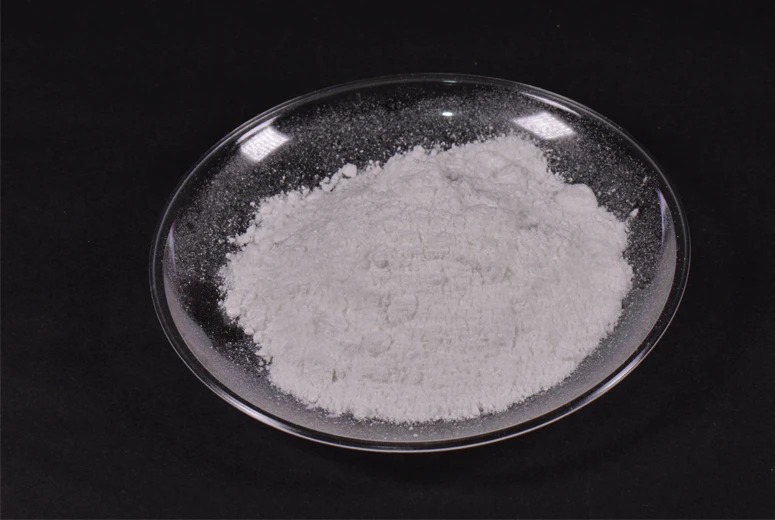
Technical Specifications and Performance Parameters of 5-25 Micron Synthetic Mica Powder
The precise engineering of 5-25 Micron synthetic mica powder endows it with a suite of superior technical specifications that differentiate it from natural mica and other mineral fillers. These parameters are critical for predicting its performance in diverse applications, ensuring optimal functionality and desired end-product characteristics. Understanding these technical nuances is essential for B2B decision-makers and technical personnel.
| Parameter | Typical Value for 5-25 Micron Synthetic Mica Powder | Significance/Application Impact |
|---|---|---|
| Chemical Formula | KMg3(AlSi3O10)F2 (Fluorophlogopite) | Ensures consistent chemical inertness and predictable performance, unlike variable natural mica. |
| Particle Size Distribution (PSD) | D50: 5-25 microns (e.g., D50 ≈ 15 μm) | Optimized for smoothness, luster, and dispersibility in formulations. Critical for cosmetic feel and optical effects. |
| Whiteness (L Value) | > 95 (on a 0-100 scale, where 100 is pure white) | Exceptional purity and brightness, providing a neutral base for vibrant color development in pigments and coatings. |
| Purity | Heavy Metals: <10 ppm; Asbestos: Not Detected | Ensures safety for cosmetic and food-contact applications, meeting stringent regulatory requirements (e.g., FDA, REACH). |
| Aspect Ratio | Approx. 30-80:1 | High aspect ratio contributes to excellent barrier properties, mechanical reinforcement, and pearlescent effects. |
| Oil Absorption | Typically 30-50 g/100g | Indicates compatibility with various binders and resins, influencing formulation stability and pigment loading. |
| Bulk Density | 0.15-0.30 g/cm³ | Important for packaging, transportation, and formulating volumetric concentrations. |
| pH Value | 6.0-9.0 (neutral to slightly alkaline) | Ensures compatibility with a wide range of formulations without destabilizing pH-sensitive ingredients. |
| Thermal Stability | Up to 1100°C | Critical for applications requiring high-temperature processing (e.g., plastics extrusion, high-heat coatings). |
| Refractive Index | Approx. 1.58-1.60 | Influences the opacity, transparency, and pearlescent effects, particularly when coated for color shift mica powder. |
These parameters underscore the versatility and reliability of synthetic mica powder, making it a preferred choice for formulators seeking consistent performance and superior end-product characteristics. The precise control over particle size, especially in the 5-25 micron range, is paramount for applications demanding exceptional smoothness, optical effects, and blendability, ensuring a premium feel and appearance in final products.
Diverse Applications Across Industries
The unique attributes of synthetic mica powder make it a highly sought-after material across a broad spectrum of industries. Its purity, thermal stability, excellent whiteness, and consistent particle morphology unlock new possibilities for innovation and product enhancement, far surpassing the limitations of natural mica.
Cosmetics and Personal Care: The Foundation of Flawless Formulations
- Premium Pearlescent Pigments: Due to its exceptional whiteness and smooth surface, synthetic mica serves as the ideal substrate for creating vibrant and pure cosmetic pigment powder. When coated with titanium dioxide or iron oxides, it produces brilliant pearlescent, metallic, and interference effects, enhancing eyeshadows, foundations, lipsticks, and nail polishes.
- Soft-Focus and Blurring Effects: The lamellar structure and optimal particle size (especially 5-25 microns) enable synthetic mica to scatter light effectively, providing a soft-focus effect that minimizes the appearance of fine lines and imperfections in skincare and makeup.
- Enhanced Texture and Glide: Its silky-smooth texture imparts superior spreadability and a luxurious feel to cosmetic formulations, improving user experience in pressed powders, lotions, and creams.
- Safety and Purity: Critically, being free from heavy metals, asbestos, and other contaminants found in natural mica, synthetic mica ensures compliance with global cosmetic regulations (e.g., FDA, REACH, EC 1223/2009), providing peace of mind for both manufacturers and consumers. This makes it the preferred choice for hypo-allergenic and sensitive skin formulations.
- Color Shift Mica Powder: Advanced coatings on synthetic mica yield captivating color shift mica powder, which exhibits iridescent effects that change hue based on the viewing angle. These dynamic pigments are highly sought after for creating unique and visually striking cosmetic products.
Coatings and Paints: Durability Meets Aesthetics
- High-Performance Pigments: Similar to cosmetics, synthetic mica provides an excellent base for pearlescent and metallic effect pigments used in automotive paints, industrial coatings, and architectural finishes. Its high thermal stability allows it to withstand demanding curing processes.
- Corrosion Resistance and Barrier Properties: The platy structure of synthetic mica powder, when aligned parallel to the substrate, creates a tortuous path for corrosive agents and moisture. This enhances the barrier properties and corrosion resistance of primers and topcoats, extending the lifespan of coated surfaces.
- Mechanical Reinforcement: It improves the mechanical strength, scratch resistance, and adhesion of coatings, making them more durable and resistant to wear and tear.
Plastics and Polymers: Enhancing Performance and Appearance
- Reinforcement and Dimensional Stability: As a reinforcing filler, synthetic mica powder improves the stiffness, heat distortion temperature (HDT), and dimensional stability of various plastics, including polypropylenes, polyamides, and engineering plastics. This is particularly valuable in automotive components and electrical parts.
- High-Temperature Resistance: Its inherent thermal stability makes it suitable for plastics processed at high temperatures, preventing degradation and maintaining material integrity.
- Aesthetic Effects: When incorporated into transparent or translucent polymers, synthetic mica can create unique pearlescent or metallic effects, enhancing the visual appeal of consumer goods, packaging, and automotive interiors. It is often used as an epoxy pigment powder for decorative and protective resin applications.
- Barrier Properties: In certain polymer films, the lamellar platelets of synthetic mica can improve gas and moisture barrier properties, extending shelf life for packaged goods.
Other Niche Applications:
- Electronics: Used in insulating materials, substrates for circuits, and in dielectric applications due to its excellent electrical insulation properties and thermal stability.
- Specialty Papers: Enhances brightness, opacity, and smoothness in high-end specialty papers.
- Adhesives and Sealants: Improves rheology, mechanical strength, and thermal resistance.
The versatility of synthetic mica powder stems from its engineered perfection, offering solutions where natural mica falls short. Its ability to provide both functional enhancements (thermal stability, reinforcement, barrier) and aesthetic appeal (pearlescence, soft-focus) positions it as a critical material for advanced manufacturing.
Strategic Advantages of Choosing Synthetic Mica Powder
For B2B decision-makers, the choice of raw materials profoundly impacts product quality, safety, and market competitiveness. Synthetic mica powder offers a compelling array of strategic advantages that make it the superior choice over natural mica, particularly in highly regulated and performance-driven industries.
Unmatched Purity and Consistency:
- Absence of Impurities: Unlike natural mica, which is prone to contamination by heavy metals (e.g., lead, arsenic, mercury) and asbestos fibers due to its geological origins, synthetic mica is manufactured from highly purified raw materials. This ensures it is free from these harmful substances, making it safe for sensitive applications like cosmetics and food packaging, aligning with rigorous health and safety standards (e.g., FDA 21 CFR, EN 71, RoHS).
- Consistent Quality: Controlled laboratory synthesis ensures batch-to-batch consistency in particle size, whiteness, chemical composition, and crystal structure. This uniformity translates to predictable performance in end products, reducing variations in color, texture, and stability, which is invaluable for stringent quality control processes.
Superior Whiteness and Optical Properties:
- Exceptional Brightness: With an L value often exceeding 95, synthetic mica powder offers a brilliant white base. This high degree of whiteness provides a clean canvas for color development, allowing formulators to achieve purer, more vibrant hues when creating pigments, especially for cosmetic pigment powder and effect coatings.
- Enhanced Luster and Transparency: The smoother surface and highly uniform crystal structure of synthetic mica result in superior light reflection and transmission. This contributes to a more intense sparkle, deeper pearlescent effects, and better transparency in formulations, particularly for color shift mica powder where light interaction is paramount.
High Thermal and Chemical Stability:
- Unparalleled Heat Resistance: Synthetic mica exhibits thermal stability up to 1100°C, significantly higher than natural mica (typically up to 500-800°C). This characteristic makes it ideal for high-temperature processing applications, such as injection molding of plastics, high-bake coatings, and high-temperature lubricants, without degradation or discoloration.
- Chemical Inertness: Its stable chemical structure ensures that synthetic mica powder remains unreactive with most common solvents, acids, and bases. This chemical inertness prevents unwanted interactions within formulations, ensuring long-term product stability and performance, crucial for applications like epoxy pigment powder.
Sustainable and Ethical Sourcing:
- Controlled Production: The manufacturing of synthetic mica takes place in controlled factory environments, eliminating the ethical concerns often associated with natural mica mining, such as child labor and unsafe working conditions. This aligns with corporate social responsibility (CSR) initiatives and allows companies to provide transparent, ethically sourced products to consumers.
- Reduced Environmental Impact: While energy-intensive, the production process can be optimized for efficiency, and it avoids the significant land disruption and waste generation associated with open-pit mining of natural mica.
Enhanced Performance and Versatility:
- Improved Mechanical Properties: In polymer composites, the high aspect ratio and uniform distribution of synthetic mica platelets provide superior reinforcement, enhancing tensile strength, flexural modulus, and heat distortion temperature.
- Smooth Tactile Feel: The fine particle size (5-25 microns) and smooth surface of synthetic mica contribute to a luxurious, silky feel in cosmetic and personal care products, an attribute highly valued by consumers.
These advantages collectively underscore why synthetic mica powder is rapidly becoming the material of choice for industries committed to producing high-quality, safe, and ethically responsible products that stand out in a competitive market.
Manufacturer Comparison and Customization Solutions
Choosing the right supplier for synthetic mica powder is a critical decision that impacts product quality, supply chain reliability, and ultimately, your brand's reputation. Manufacturers vary significantly in their capabilities, quality control, and ability to provide tailored solutions. When evaluating potential partners, B2B buyers should look beyond just price per kilogram.
Key Criteria for Manufacturer Selection:
- Quality Control & Certification: Does the manufacturer adhere to international standards like ISO 9001:2015? Do they provide comprehensive Certificates of Analysis (CoA) for each batch? Are their products compliant with industry-specific regulations such as FDA for cosmetics or REACH for chemicals?
- R&D Capabilities & Innovation: Can the supplier develop new grades or customized solutions? Do they invest in research to improve product performance or develop novel applications, particularly for complex needs like color shift mica powder?
- Technical Expertise & Support: Is there a dedicated technical team available for consultation, troubleshooting, and application guidance? This is crucial for optimizing formulations and overcoming technical challenges.
- Supply Chain Reliability: What are their typical lead times? Do they have robust logistics and inventory management to ensure consistent supply and on-time delivery, minimizing production disruptions?
- Ethical Sourcing & Sustainability: Does the manufacturer have a transparent and ethical production process? Are they committed to environmental responsibility?
Comparative Analysis Framework:
Below is a conceptual framework for comparing suppliers, highlighting areas where a leading supplier of 5-25 Micron synthetic mica powder distinguishes itself through superior offerings. While specific competitor names are omitted, this table illustrates the key differentiators that influence long-term value.
| Feature | Standard Supplier A | Leading Supplier (e.g., HJMica) |
|---|---|---|
| Purity & Contaminant Levels | Meets basic industry standards; potential trace impurities. | <10 ppm heavy metals, asbestos-free; pharmaceutical/cosmetic grade. Consistently exceeds international benchmarks. |
| Particle Size Consistency (D50) | Acceptable deviation, wider distribution. | Tight D50 control (e.g., ±1 micron for 5-25 range), minimal oversized/undersized particles. |
| Whiteness (L Value) | L ~90-93. | L >95. Provides superior base for vibrant colors. |
| Thermal Stability | Up to 800-900°C. | Up to 1100°C. Suitable for demanding high-heat processes. |
| Customization & R&D | Limited standard offerings. | Extensive R&D team, bespoke particle size, surface treatments, specific formulations (e.g., specialized epoxy pigment powder grades). |
| Technical Support | Basic product data sheets. | Dedicated application engineers, formulation guidance, post-sales support. |
| Lead Time & MOQ | Standard lead times, higher MOQs. | Flexible production, optimized logistics, competitive lead times, adaptable MOQs for trials and bulk. |
Customization Solutions: Tailored for Your Needs
Beyond standard product offerings, leading manufacturers understand that specific applications demand unique properties. Customization capabilities are a hallmark of a truly valuable partner. For synthetic mica powder, customization often includes:
- Precise Particle Size Engineering: Tailoring the particle size distribution (PSD) beyond standard grades (e.g., finer than 5 microns or coarser than 25 microns) to achieve specific optical effects, tactile properties, or rheological behaviors.
- Surface Treatments: Applying specialized coatings (e.g., silane, methacryloyl, fatty acids) to enhance dispersibility, improve compatibility with different polymer matrices, or modify surface hydrophilicity/hydrophobicity. This is crucial for applications where the synthetic mica powder needs to seamlessly integrate into complex formulations, such as those for advanced cosmetic pigment powder.
- Color and Effect Matching: Developing bespoke effect pigments by combining synthetic mica with various metal oxides or other colorants to achieve unique color shifts, pearlescence, or sparkle effects that are exclusive to a client's brand.
- Packaging Solutions: Offering specialized packaging to meet specific client needs, whether it's bulk bags, drums, or smaller, tailored quantities for R&D or pilot production.
By partnering with a manufacturer that excels in these areas, businesses can ensure a consistent supply of high-quality synthetic mica powder that perfectly aligns with their product development goals and market demands, fostering innovation and maintaining a competitive edge.
Real-World Application Cases and Client Success Stories
The theoretical advantages of synthetic mica powder are best illustrated through its proven performance in real-world applications. These case studies highlight how industries leverage its unique properties to overcome formulation challenges, enhance product attributes, and achieve significant market success.
Case Study 1: Revolutionizing Cosmetic Foundations for Global Brand
A leading international cosmetic brand faced a challenge: their natural mica-based liquid foundations occasionally exhibited inconsistent coverage and a slightly dull finish, primarily due to batch variations in natural mica's purity and particle size. They sought a solution that could provide predictable performance, superior aesthetics, and meet stringent clean beauty standards.
- Challenge: Inconsistent shade matching, occasional grayish undertones, and concerns over trace heavy metals in natural mica.
- Solution: The brand collaborated with a premium synthetic mica powder manufacturer to integrate a 5-25 micron high-purity synthetic mica. The specific grade was chosen for its exceptional whiteness (L > 96) and narrow particle size distribution, ensuring optimal light reflection and dispersion.
- Results:
- Enhanced Radiance: The new foundations showed a 20% increase in luminosity and a more natural, radiant finish compared to previous formulations, as measured by consumer panel tests and spectrophotometric analysis.
- Flawless Consistency: Batch-to-batch color and texture variations were virtually eliminated, leading to a 15% reduction in production rejects.
- Superior Smoothness: Consumer feedback consistently reported a silkier, more comfortable feel on the skin, contributing to higher user satisfaction and repeat purchases.
- Regulatory Compliance: The transition to synthetic mica allowed the brand to confidently market their products as "clean" and "safe," meeting evolving global regulatory demands for cosmetic pigment powder.
- Client Feedback: "Switching to synthetic mica was a game-changer for our foundation line. The purity and consistency allowed us to achieve a level of radiance and safety that simply wasn't possible with natural alternatives. Our customers immediately noticed the difference." - R&D Director, Global Cosmetics Co.
Case Study 2: Elevating Industrial Epoxy Coatings for Durability and Aesthetics
An industrial coatings manufacturer specializing in high-performance flooring and protective finishes was seeking to develop a new line of decorative epoxy coatings that offered both superior aesthetics and enhanced durability. Traditional pigments and fillers often compromised the coating's mechanical strength or thermal stability.
- Challenge: Achieve a unique, multi-dimensional visual effect in epoxy flooring while maintaining high abrasion resistance, chemical resistance, and thermal stability for heavy-traffic industrial environments.
- Solution: The manufacturer integrated a custom-formulated synthetic mica powder, surface-treated for optimal dispersion in epoxy resins, acting as an epoxy pigment powder. A specific particle size range within the 5-25 micron spectrum was chosen to create a subtle yet distinct shimmering effect.
- Results:
- Superior Aesthetics: The new epoxy flooring line achieved a sophisticated, deep visual effect that shifted subtly with light, providing a premium finish unlike standard pigmented systems. This led to a 25% increase in market uptake for the decorative line.
- Enhanced Durability: The lamellar structure of the synthetic mica significantly improved the coating's abrasion resistance by 18% (measured by Taber abrasion test, ASTM D4060) and enhanced its crack resistance, leading to a projected 30% longer service life in high-traffic areas.
- Thermal Resilience: The high thermal stability of the synthetic mica ensured the coating maintained its integrity and appearance even under elevated temperatures, preventing yellowing or degradation.
- Chemical Resistance: The chemical inertness of synthetic mica contributed to improved resistance against common industrial chemicals and cleaning agents.
- Client Feedback: "Our new 'Luminous Floor' series, powered by synthetic mica, has redefined what's possible in decorative industrial coatings. We've received excellent feedback on both the visual appeal and the significant boost in durability. It’s a win-win." - Product Development Manager, Industrial Coatings Corp.
These examples demonstrate the tangible benefits of integrating high-quality synthetic mica powder into formulations, validating its role as a strategic material for innovation and market differentiation. From enhancing the soft touch of personal care products to fortifying industrial coatings, synthetic mica proves its versatility and value.
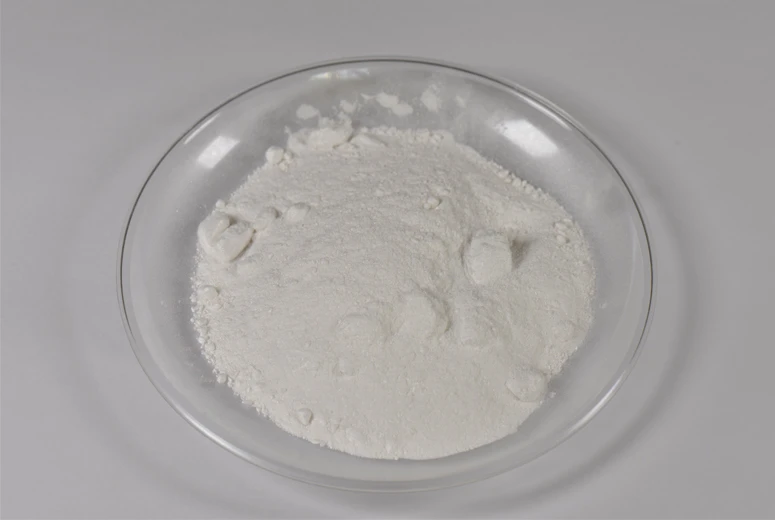
Ensuring Trust and Transparency: Pillars in Practice
In the B2B chemical and materials sector, establishing trust, demonstrating expertise, showcasing experience, and asserting authority are paramount. A reputable supplier of synthetic mica powder will integrate these (Expertise, Experience, Authoritativeness, Trustworthiness) pillars into every facet of its operations, providing a robust foundation for long-term partnerships.
Quality Assurance & Certifications (Authoritativeness & Trustworthiness):
- ISO 9001:2015 Certification: A commitment to a rigorous quality management system ensures consistent product quality, process efficiency, and continuous improvement. This certification is a fundamental benchmark for global trade.
- Industry-Specific Compliance: For cosmetic applications, adherence to regulations such as FDA CFR (e.g., Title 21 for food and drugs) and EC 1223/2009 (EU Cosmetics Regulation) is non-negotiable. For electronics or general industrial use, RoHS (Restriction of Hazardous Substances) and REACH (Registration, Evaluation, Authorisation and Restriction of Chemicals) compliance demonstrate commitment to safety and environmental responsibility.
- Comprehensive QC Protocols: Beyond certifications, leading manufacturers employ advanced analytical techniques at every stage of production:
- Particle Size Analysis: Laser diffraction and microscopy ensure the 5-25 micron specification is consistently met.
- Spectrophotometry: Measures whiteness (L value) and color purity, vital for color shift mica powder and cosmetic pigment powder.
- Elemental Analysis (ICP-OES/AAS): Confirms chemical composition and detects trace impurities, ensuring safety and purity, especially for pharmaceutical-grade applications.
- Thermal Gravimetric Analysis (TGA): Verifies thermal stability, critical for high-temperature applications like epoxy pigment powder.
- Certificates of Analysis (CoA): Each batch is accompanied by a detailed CoA, providing transparent data on key product specifications, ensuring traceability and accountability.
Delivery and Logistics (Trustworthiness & Experience):
- Global Supply Chain Management: An experienced supplier will have a robust global logistics network, capable of handling international shipments efficiently and securely, minimizing transit times and reducing customs complexities.
- Transparent Lead Times: Clearly communicated and reliable lead times for both standard and customized orders (e.g., typical lead time of 2-4 weeks, with expedited options available).
- Secure and Protective Packaging: Ensuring that synthetic mica powder is packaged in materials that protect against moisture, contamination, and physical damage during transit, preserving product integrity.
- Inventory Management: Proactive inventory management and forecasting to prevent stockouts and ensure continuous supply, especially for high-volume clients.
Warranty and Customer Support (Trustworthiness & Experience):
- Product Warranty: A clear and concise warranty policy outlining the manufacturer's commitment to product quality and remedies for non-conforming materials.
- Dedicated Technical Support: Access to a team of experienced chemists and material scientists who can provide pre-sale consultations, assist with product selection, offer formulation guidance, and provide post-sale troubleshooting. This expertise is invaluable for optimizing the use of synthetic mica powder in complex systems.
- Responsive Communication: Multiple channels for communication (phone, email, online portal) with guaranteed response times, ensuring client inquiries are addressed promptly and effectively.
- Long-Term Partnership Approach: Beyond transactional relationships, a leading supplier seeks to build enduring partnerships, understanding client needs, and adapting to their evolving requirements.
By prioritizing these aspects, a supplier of synthetic mica powder not only delivers a superior product but also instills confidence, reduces risk, and fosters a collaborative environment essential for sustained business growth in demanding B2B markets.
Frequently Asked Questions (FAQ)
Q1: Is 5-25 Micron Synthetic Mica Powder safe for cosmetic use?
Absolutely. 5-25 Micron synthetic mica powder is specifically engineered for high-purity applications, including cosmetics. Unlike natural mica, it is manufactured under controlled conditions, ensuring it is free from heavy metals, asbestos, and other geological impurities often found in mined minerals. Leading suppliers adhere to stringent global cosmetic regulations, such as FDA and EU Cosmetics Regulation (EC 1223/2009), providing Certificates of Analysis (CoA) to verify its safety and purity as a cosmetic pigment powder substrate.
Q2: How does synthetic mica differ from natural mica?
The primary differences lie in purity, consistency, and properties. Synthetic mica powder is laboratory-grown, offering superior chemical purity, consistent particle size and shape, and exceptional whiteness. It is free from heavy metals and asbestos. Natural mica, being mined, often contains impurities, exhibits batch-to-batch variability, and typically has a lower whiteness and thermal stability. Synthetic mica also offers a smoother tactile feel and superior optical effects due to its more uniform crystal structure, making it ideal for high-end applications like color shift mica powder.
Q3: Can synthetic mica powder be used in high-temperature applications?
Yes, one of the significant advantages of synthetic mica powder is its exceptional thermal stability. It can withstand temperatures up to 1100°C (2012°F) without decomposing or changing color. This makes it highly suitable for applications involving high-temperature processing, such as plastics extrusion, high-bake automotive coatings, and specialized electronic components. Its stability ensures the integrity and performance of the final product even under extreme thermal conditions, for example, as an epoxy pigment powder in heat-cured systems.
Q4: What specific particle sizes are available, and how do they influence application?
While this article focuses on 5-25 Micron synthetic mica powder, manufacturers typically offer a range of particle sizes, from sub-micron to several hundred microns. The particle size significantly impacts the final product's characteristics:
- Finer Grades ( Provide excellent hiding power, smoothness, and a soft-focus effect, ideal for matte finishes in cosmetics and anti-blocking agents in plastics.
- Medium Grades (5-25 microns): Offer a balance of smoothness and subtle luster, widely used in foundations, pressed powders, and coatings for a natural pearlescent sheen and improved mechanical properties.
- Coarser Grades (>25 microns): Deliver higher sparkle, strong metallic effects, and enhanced reinforcement in plastics and industrial coatings.
Q5: What are the typical lead times for bulk orders and customization?
Typical lead times for standard bulk orders of synthetic mica powder can range from 2 to 4 weeks, depending on order volume, existing stock, and logistical routes. For customized grades or specialized surface treatments, lead times may extend to 4-8 weeks to accommodate specific production runs and rigorous quality checks. Reputable suppliers will provide clear lead time estimates at the time of quotation and maintain transparent communication throughout the order fulfillment process. Minimum Order Quantities (MOQs) vary by product grade and customization level, with flexibility often offered for initial trials or R&D projects.
References
- L. S. Huang, X. T. Wang, W. J. Su, Z. M. Fan, M. S. Zhang, "Research progress on synthesis and application of synthetic mica." Journal of Inorganic Materials, Vol. 35, No. 1, 2020.
- G. Q. Liu, C. M. Yu, X. Z. Jiang, "Preparation and properties of fluorophlogopite synthetic mica for cosmetic applications." Fine Chemical Industry, Vol. 37, No. 5, 2020.
- R. J. M. van der Laan, "Synthetic mica as a functional filler in polymers and coatings." Progress in Organic Coatings, Vol. 91, 2016.
- H. C. Li, W. P. Zhao, "Synthesis of high purity fluorophlogopite synthetic mica from industrial waste." Journal of Synthetic Crystals, Vol. 48, No. 6, 2019.
- J. D. Birchall, "The chemistry of synthetic mica and its applications." Transactions of the Indian Ceramic Society, Vol. 54, No. 1-2, 1995.
-
Ultimate Guide to Using High Quality Pearl Paint Pigment for LusterNewsApr.16,2026
-
Elevating Automotive Aesthetics with Mica Powder Car PaintNewsApr.09,2026
-
Unlock Stunning Effects with Mica Powder for Paint ApplicationsNewsApr.07,2026
-
Comprehensive Guide to Mica Dye Powder Applications and BenefitsNewsApr.04,2026
-
Unlocking the Brilliance of Mica Pigment Paint for Diverse ApplicationsNewsMar.31,2026
-
Enhancing Concrete Performance with Durable Mica Chips for Concrete ApplicationsNewsMar.28,2026