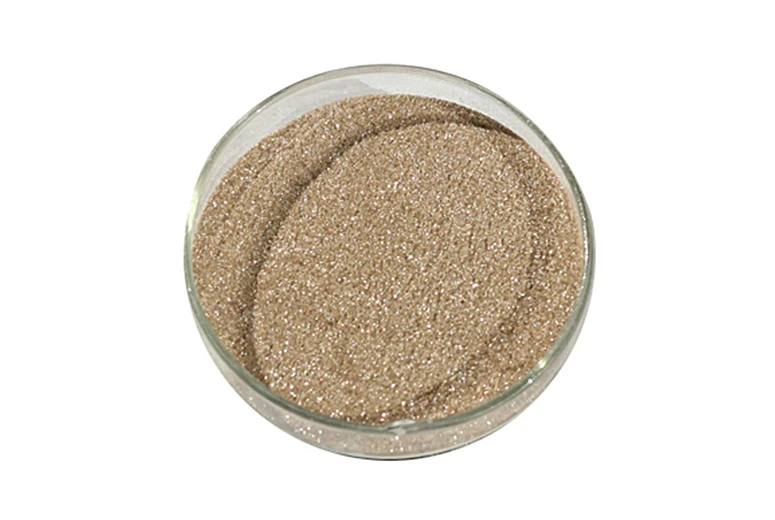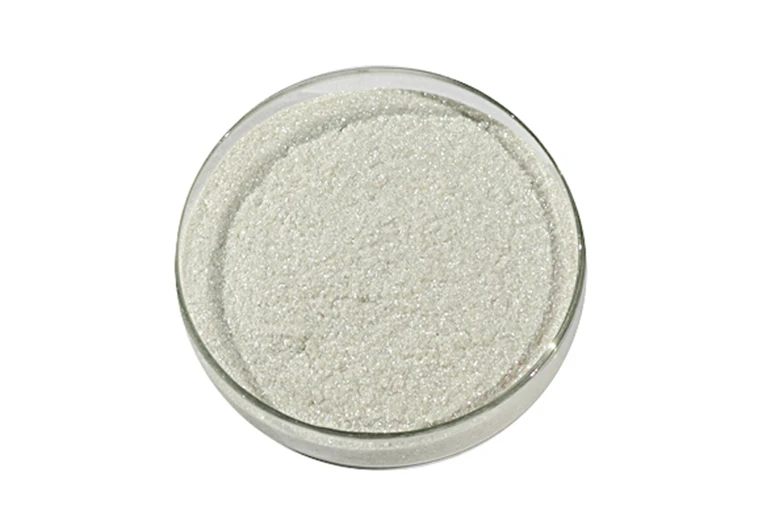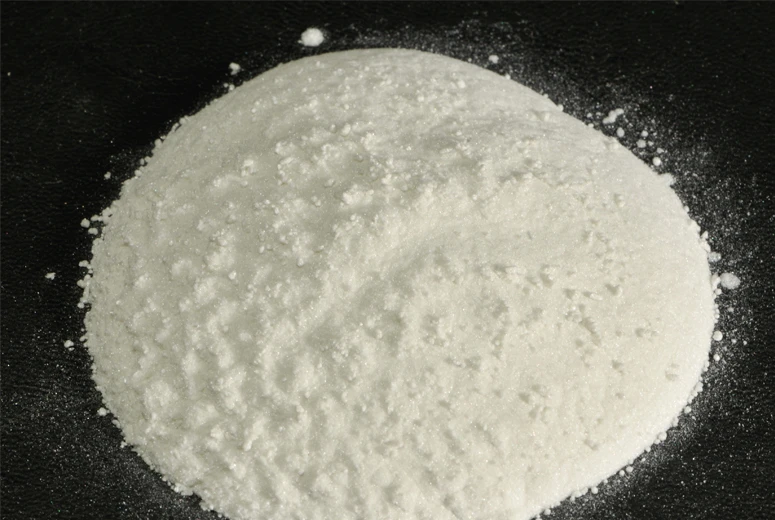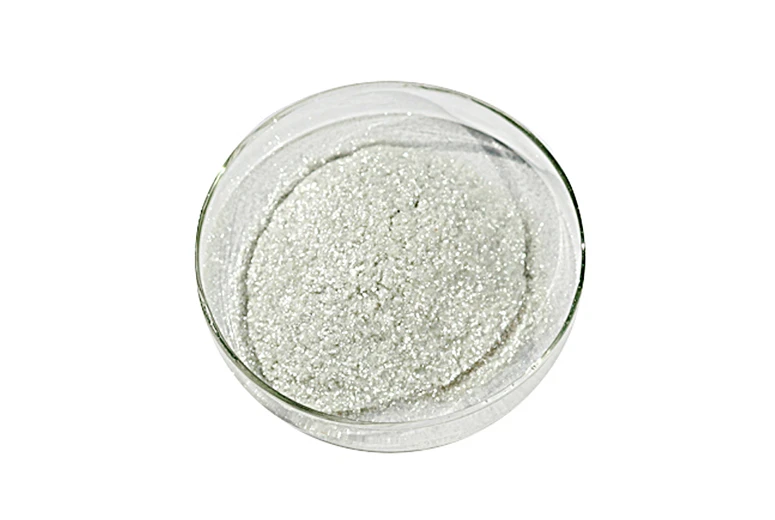

Premium Synthetic Mica Powder | Color Shift & Cosmetic Grade
Unveiling the Superiority of synthetic mica powder: A Deep Dive into Advanced Material Solutions
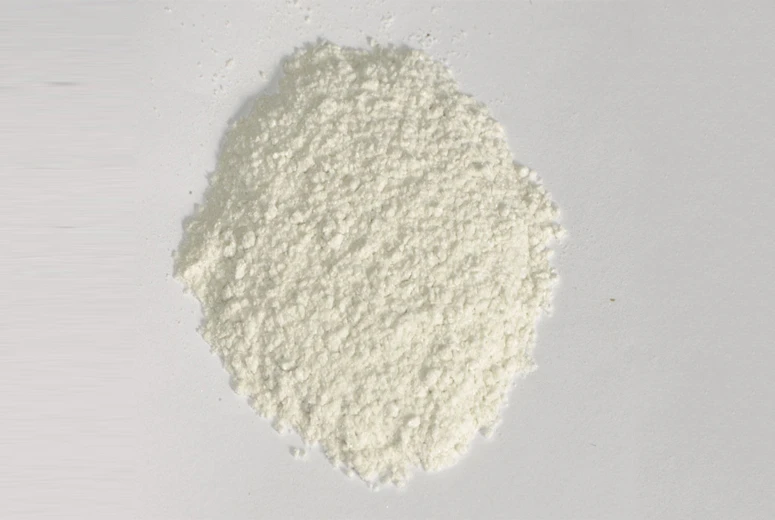
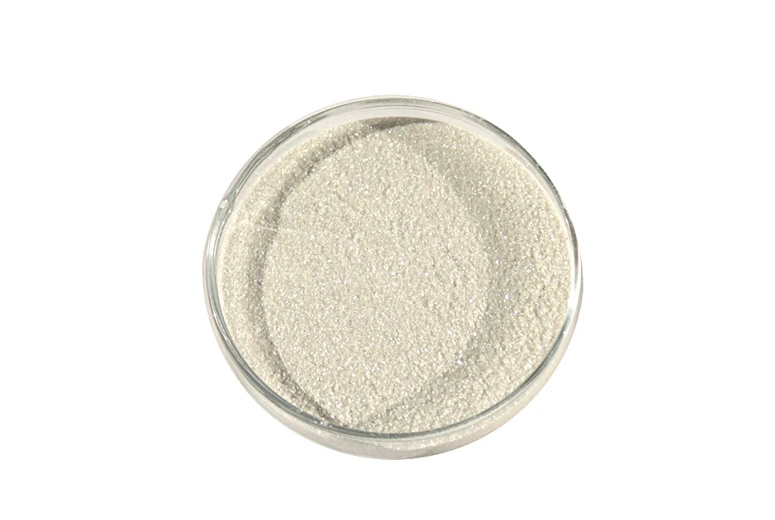
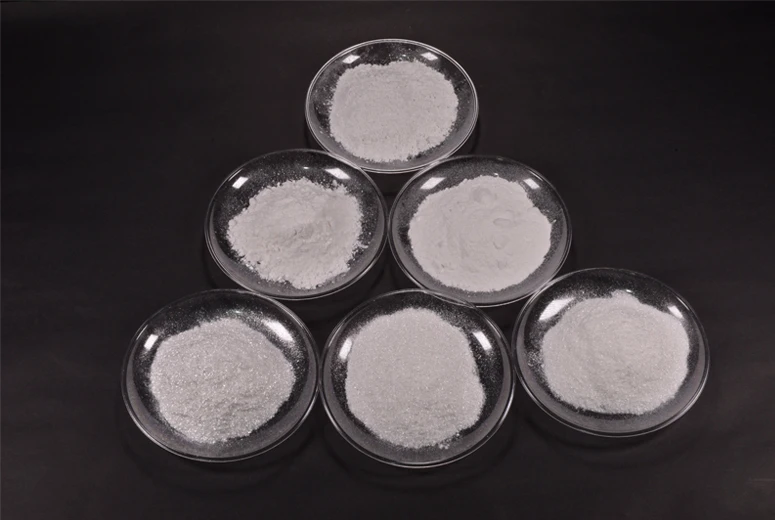
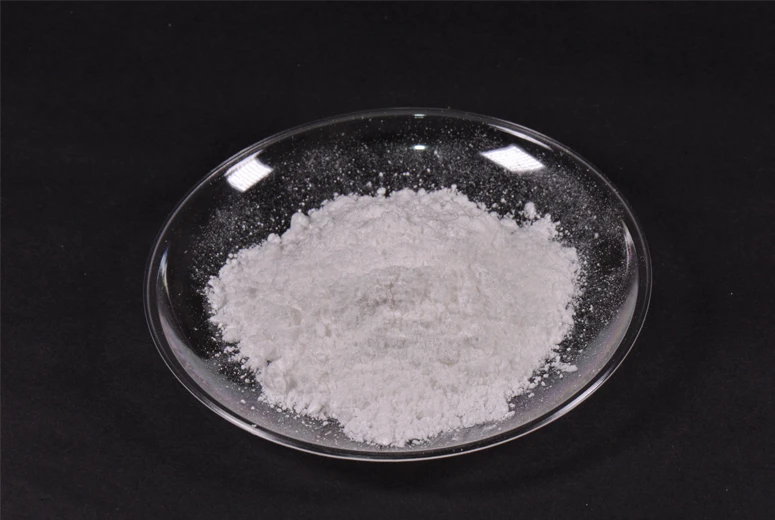
In the dynamic landscape of industrial and cosmetic applications, the demand for high-performance, consistent, and environmentally responsible raw materials has never been more pronounced. At the forefront of this evolution stands synthetic mica powder, a groundbreaking engineered material that transcends the limitations of its natural counterpart. Unlike natural mica, which is prone to impurities, inconsistent particle size, and ethical concerns related to mining practices, synthetic mica is meticulously produced under controlled laboratory conditions, yielding a product of unparalleled purity, whiteness, and thermal stability. This engineered precision allows for custom-tailored properties, making it an indispensable component across a multitude of high-tech sectors, including advanced coatings, high-end cosmetics, and specialized plastics. The journey of synthetic mica from raw material to a finely tuned powder involves sophisticated chemical synthesis and rigorous quality control, ensuring that each batch consistently meets the exacting standards required for critical applications. This commitment to precision not only elevates product performance but also aligns with the growing industry emphasis on sustainable and traceable material sourcing. The superior optical clarity and chemical inertness of synthetic mica contribute significantly to the longevity and aesthetic appeal of end products, offering a distinct competitive advantage in demanding markets. As industries increasingly pivot towards innovation and sustainability, the adoption of synthetic mica powder represents a strategic investment in future-proof material solutions that promise both enhanced functionality and environmental stewardship. The engineered nature of this material allows for fine-tuning of parameters such as particle size distribution and aspect ratio, critical factors for optimal performance in various formulations. This level of control is simply unachievable with naturally occurring minerals, positioning synthetic mica as the preferred choice for applications where consistency and high performance are paramount.
The Precision Engineering Behind 5-25 Micron Synthetic Mica Powder Production
The manufacturing of synthetic mica powder is a highly advanced chemical synthesis process, distinctly different from traditional mechanical processing methods like casting or forging. It begins with the precise selection and mixing of high-purity raw materials, including potassium carbonate, magnesium oxide, aluminum oxide, silicon dioxide, and fluoride compounds. These precursor materials are carefully weighed and blended to achieve the exact stoichiometric ratio required for forming the desired phlogopite or fluorphlogopite crystal structure. The mixture is then subjected to a high-temperature melt crystallization process, typically in specialized furnaces operating at temperatures exceeding 1300°C. During this stage, the raw materials melt and then slowly cool under precisely controlled conditions, allowing the individual mica crystals to grow with a uniform lamellar structure. This controlled crystallization is critical for achieving the desired particle morphology, aspect ratio, and optical properties unique to synthetic mica. Following crystallization, the resulting mica "ingots" or "blocks" undergo a meticulous crushing and grinding process, often involving multi-stage pulverization to achieve the target particle size distribution, such as the 5-25 micron range for our specific product. This is followed by advanced air classification or sieving techniques to ensure a precise particle size distribution and remove any oversized or undersized particles, guaranteeing the consistency crucial for applications like cosmetic pigment powder and epoxy pigment powder. Rigorous quality control measures are integrated throughout the entire process, including raw material inspection, in-process monitoring of temperature and cooling rates, and final product analysis. Each batch of synthetic mica powder undergoes comprehensive testing against international standards such as ISO 9001 for quality management and specific industry benchmarks for purity, whiteness, heavy metal content, and particle size distribution. This stringent adherence to manufacturing protocols ensures a product with exceptional thermal stability, chemical inertness, and brilliant optical properties, making it ideal for demanding applications where consistency and performance are paramount. The engineered nature of this material ensures a consistent supply of a superior product, free from the variability and impurities often found in natural mica sources. The meticulous process guarantees the long-term integrity and performance of products where it is incorporated.
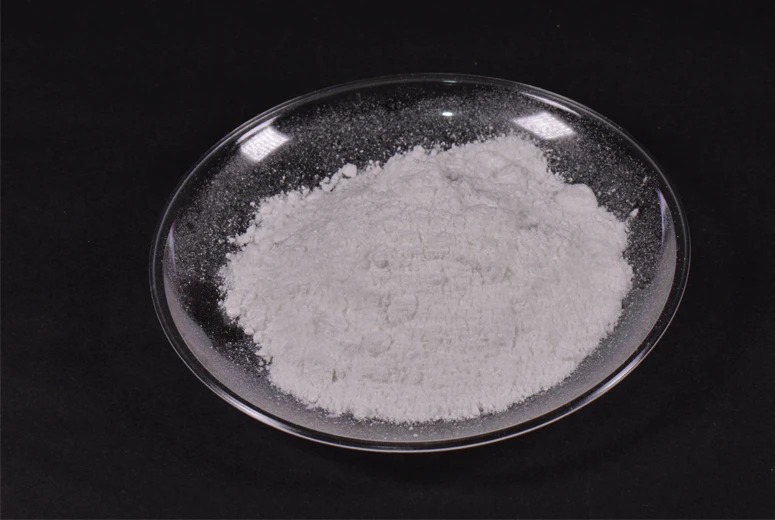
Comprehensive Technical Specifications of 5-25 Micron Synthetic Mica Powder
Our 5-25 Micron Synthetic Mica Powder is meticulously engineered to meet the highest industry standards, offering a range of superior technical parameters that distinguish it from natural mica and competitive synthetic alternatives. The precise control over its manufacturing process ensures unparalleled purity, consistency, and performance across diverse applications. Key to its exceptional performance is its narrow particle size distribution (PSD), specifically controlled to 5-25 microns, which guarantees uniform dispersion and optimal optical effects in end products. This precise sizing prevents agglomeration and allows for seamless integration into various formulations, critical for achieving smooth textures in cosmetics and consistent film formation in coatings. The aspect ratio, a measure of flake diameter to thickness, is carefully optimized to maximize coverage and enhance pearlescent or color shift mica powder effects, particularly important in decorative coatings and high-end cosmetics. Furthermore, the synthetic nature ensures an extremely low heavy metal content, often undetectable, far surpassing the safety and purity profiles of natural mica, which can frequently contain trace amounts of lead, arsenic, and mercury. This makes it particularly suitable for FDA-compliant cosmetic applications. Our product boasts exceptional thermal stability, with a decomposition temperature exceeding 1100°C, making it ideal for high-temperature processing environments such as those encountered in plastics extrusion or high-heat coatings. Its high refractive index (typically 1.58-1.62) contributes to brilliant luster and opacity, while its chemical inertness ensures long-term stability and compatibility with a wide range of chemical formulations, resisting degradation from acids, alkalis, and UV radiation. The oil absorption is optimized to ensure efficient binding in formulations without compromising the flow properties or requiring excessive amounts of binder, a crucial factor for cost-effectiveness and performance in both cosmetic pigment powder and industrial coatings. These combined properties make our 5-25 micron synthetic mica an indispensable material for achieving superior product quality and performance.
| Parameter | Value | Test Method/Standard |
|---|---|---|
| Chemical Formula | KMg₃(AlSi₃O₁₀)F₂ | Theoretical Composition |
| Average Particle Size (D50) | 12 ± 3 microns | Laser Diffraction (ISO 13320) |
| Particle Size Range | 5-25 microns | Sieve Analysis / Laser Diffraction |
| Purity (SiO₂ + Al₂O₃ + MgO + K₂O + F) | > 99.5% | XRF Analysis |
| Whiteness (L Value) | > 95 | Colorimeter (CIE Lab) |
| Specific Gravity | 2.8-2.9 g/cm³ | ASTM D153 |
| Refractive Index | 1.58-1.62 | Abbe Refractometer |
| Thermal Stability | Stable up to 1100°C | TGA Analysis |
| Oil Absorption | 40-50 g/100g | ASTM D281 |
| Heavy Metal Content | < 10 ppm (e.g., Pb, As, Hg) | ICP-OES |
Diverse Applications and Key Advantages of Synthetic Mica Powder
The exceptional purity and tailor-made properties of synthetic mica powder position it as a critical ingredient across a wide array of advanced applications, offering distinct advantages over traditional materials. In the cosmetics industry, it is a preferred base for high-quality cosmetic pigment powder and effect pigments, foundations, and skin care products due to its ultra-high purity, lack of heavy metals, and unparalleled whiteness. This purity ensures that the mica itself does not contribute to discoloration or adverse reactions on the skin, a significant advantage for sensitive skin formulations. Its smooth, silky texture provides excellent slip and spreadability, enhancing the sensory experience of cosmetic formulations. Furthermore, its optical properties contribute to a natural, luminous finish, making it superior for creating pearlescent and sparkling effects in eyeshadows, lipsticks, and nail polishes, including sophisticated color shift mica powder varieties. Beyond cosmetics, synthetic mica finds extensive use in coatings and plastics. In the automotive industry, it is integrated into high-performance clear coats and base coats to achieve deep luster, improved scratch resistance, and excellent weathering properties, mimicking the luxurious look of high-end finishes. Its thermal stability is particularly beneficial in powder coatings and high-temperature industrial paints. For plastics, especially in masterbatches and films, it acts as a functional filler, enhancing mechanical properties such as stiffness and dimensional stability, while also providing unique optical effects. The integration of epoxy pigment powder and similar synthetic mica-based formulations allows for the creation of intricate designs and durable surfaces in flooring, countertops, and decorative art, leveraging the material’s chemical inertness and resistance to environmental factors. The consistent particle size and high aspect ratio ensure uniform distribution within polymer matrices, leading to predictable performance and aesthetic outcomes. The advantages extend to electrical insulation, where its high dielectric strength and heat resistance make it an ideal filler for electronic components and high-voltage applications. Unlike natural mica, which can have inherent defects and impurities that compromise electrical performance, synthetic mica offers a uniform, defect-free structure crucial for reliability in sensitive electronic devices.
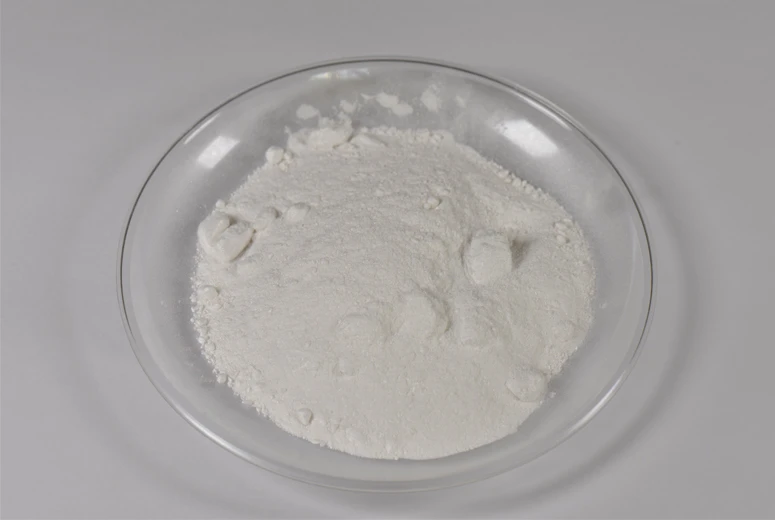
Comparative Analysis: Synthetic Mica vs. Natural Mica and Manufacturer Excellence
When evaluating advanced material solutions, a direct comparison between synthetic mica powder and its natural counterpart reveals significant disparities in performance, purity, and consistency, crucial factors for B2B decision-makers. Natural mica, derived from mining operations, inherently contains impurities such as heavy metals (e.g., lead, arsenic, mercury), iron oxides, and other mineral contaminants, which can affect its optical properties, chemical stability, and safety profile. Its particle size and morphology also vary considerably, leading to inconsistencies between batches. In stark contrast, synthetic mica is manufactured under controlled, high-purity conditions, resulting in a product with virtually no heavy metals, superior whiteness, and a highly consistent particle size distribution. This engineered consistency ensures predictable performance in end products, reducing formulation complexities and enhancing manufacturing efficiency. Furthermore, synthetic mica exhibits higher thermal stability and greater chemical inertness, making it suitable for more demanding applications where natural mica might degrade or react. For instance, in high-temperature coatings or specific epoxy pigment powder formulations, the superior heat resistance of synthetic mica ensures long-term integrity and color stability. While natural mica is often perceived as more cost-effective upfront, the long-term benefits of synthetic mica – including reduced waste, fewer quality control issues, and enhanced product performance – often lead to a lower total cost of ownership. The reliability and enhanced performance of synthetic mica mitigate risks associated with material variability, a critical concern in high-volume production environments. Choosing a reliable manufacturer for synthetic mica powder is equally paramount. A leading manufacturer distinguishes itself through stringent quality control, a robust R&D pipeline for custom solutions, and comprehensive technical support. This includes possessing certifications like ISO 9001 for quality management systems, demonstrating a commitment to consistent product quality and process improvement. Furthermore, adherence to industry-specific regulations such as FDA compliance for cosmetic-grade materials underscores a manufacturer's dedication to safety and excellence. Our long-standing service in the advanced materials sector, coupled with our proprietary manufacturing processes, has garnered trust from global leaders across cosmetics, automotive, and electronics industries. Our commitment extends beyond product delivery to providing deep technical expertise, assisting clients in optimizing their formulations and achieving superior end-product performance.
| Feature | 5-25 Micron Synthetic Mica | Natural Mica (Typical) |
|---|---|---|
| Purity & Consistency | Ultra-high purity (>99.5%), consistent batches, no heavy metals. | Varies by source, often contains impurities (heavy metals, iron), inconsistent. |
| Whiteness/Brightness | Exceptional L > 95, brilliant optical effects. | Lower L values, yellowish/grayish tint, less brilliant. |
| Thermal Stability | Stable up to 1100°C, ideal for high-temp processing. | Decomposes around 500-800°C depending on type. |
| Chemical Inertness | Highly resistant to acids, alkalis, UV, excellent compatibility. | Can be less resistant, especially to strong acids. |
| Particle Size Control | Precisely controlled PSD (e.g., 5-25 microns), uniform morphology. | Wider PSD, irregular shapes, more fines or coarse particles. |
| Regulatory Compliance | Easily meets global cosmetic (FDA, ECOCERT) & industrial standards. | Challenges with heavy metal limits, ethical sourcing concerns. |
Customized Solutions and Real-World Application Case Studies
Understanding that specific industry needs often require bespoke material properties, we excel in developing customized synthetic mica powder solutions tailored to unique application demands. Our technical team works closely with clients to fine-tune particle size distribution, surface treatments, and chemical compositions to achieve optimal performance characteristics. For instance, a leading automotive paint manufacturer recently approached us requiring a color shift mica powder variant for their next-generation luxury vehicle finishes. The challenge was to achieve a specific interference color effect with enhanced UV stability and superior dispersion in a water-borne acrylic system. Through iterative development, we engineered a specific particle size cut of synthetic mica, coupled with a proprietary surface treatment, that not only delivered the desired optical effect but also dramatically improved the long-term weatherability and adhesion within the client's paint matrix. This customized 5-25 micron synthetic mica solution resulted in a 15% improvement in gloss retention and a 20% reduction in color fade after accelerated weathering tests, exceeding the client's stringent performance benchmarks and leading to its adoption in their flagship product line. Another significant case involved a high-end cosmetic brand seeking an ultra-pure, silky-smooth base for a new line of mineral foundations and pressed powders. Their existing natural mica supplier struggled with batch-to-batch consistency in whiteness and heavy metal contamination, causing production delays and quality concerns. We provided a specifically processed 5-25 micron cosmetic pigment powder with audited heavy metal levels below detection limits, coupled with an L value of over 98, ensuring unparalleled whiteness and transparency. The consistent particle morphology allowed for seamless blending and pressing, significantly reducing breakage rates during manufacturing and enhancing the finished product's texture and natural radiance. The client reported a 25% increase in consumer satisfaction due to the improved feel and appearance of the foundation, cementing a long-term partnership with our company. These case studies exemplify our capability to not just supply a product, but to partner with clients in developing innovative material solutions that directly address their specific challenges and contribute to their market success. Our deep understanding of material science and application requirements allows us to translate complex needs into tangible, high-performance synthetic mica powder products that drive industry advancement.
Commitment to Quality, Reliability, and Customer Support
Our unwavering commitment to quality, reliability, and unparalleled customer support forms the cornerstone of our operations, ensuring that clients receive not just superior 5-25 Micron Synthetic Mica Powder but also a seamless and trustworthy partnership. We adhere strictly to ISO 9001:2015 certified quality management systems, which govern every aspect of our manufacturing process, from raw material procurement and in-process control to final product testing and packaging. This rigorous framework guarantees batch-to-batch consistency and traceability, providing our clients with the confidence that every shipment will meet their exact specifications. Our state-of-the-art analytical laboratory is equipped with advanced instrumentation, including laser diffraction particle size analyzers, X-ray fluorescence (XRF) spectrometers for elemental analysis, and colorimeters, enabling us to conduct comprehensive quality checks and provide detailed certificates of analysis (COA) with every order. This level of transparency ensures full compliance with international standards and client-specific requirements, particularly crucial for sensitive applications like cosmetic pigment powder. Our standard delivery cycle typically ranges from 2 to 4 weeks for established products, with expedited options available for urgent requirements, ensuring that supply chain disruptions are minimized. For customized solutions or larger volumes, a detailed production and delivery schedule is provided upfront, maintaining full transparency. We stand behind the quality of our synthetic mica powder with a robust quality assurance program and a comprehensive warranty against manufacturing defects. Our dedicated customer support team and technical specialists are always available to provide expert guidance, troubleshoot application challenges, and offer pre-sales and post-sales assistance, reflecting our philosophy of being a true partner in our clients' success. This proactive approach to service extends to helping clients optimize their formulations when incorporating our epoxy pigment powder or color shift mica powder, ensuring they maximize the benefits of our advanced materials. We understand that reliable supply and technical expertise are as critical as product quality in the B2B landscape, and our operations are designed to deliver on all fronts consistently.
Frequently Asked Questions (FAQ)
Q: What makes synthetic mica superior to natural mica for high-end applications?
A: Synthetic mica powder boasts superior purity, consistent particle size and morphology, higher thermal stability (up to 1100°C), excellent whiteness, and is free from heavy metal contaminants commonly found in natural mica. These attributes ensure predictable performance, enhanced safety, and brilliant optical effects in demanding applications like cosmetics and automotive coatings. The controlled manufacturing process eliminates batch-to-batch variability, which is a common challenge with natural mineral sources, allowing for much greater reliability in sensitive formulations. Its chemical inertness also makes it highly compatible with a broader range of chemical systems, preventing undesirable reactions and ensuring product longevity.
Q: Can 5-25 Micron Synthetic Mica Powder be customized for specific product requirements?
A: Absolutely. We offer comprehensive customization capabilities for our synthetic mica powder. This includes fine-tuning the particle size distribution beyond the standard 5-25 micron range, applying various surface treatments to enhance compatibility with specific resins or solvents (e.g., for epoxy pigment powder or color shift mica powder applications), and even modifying the chemical composition to achieve desired optical or physical properties. Our R&D team works in close collaboration with clients to develop tailored solutions that meet their unique performance and application needs. This bespoke approach ensures that the mica integrates seamlessly into your product formulation, delivering optimal results and contributing to a competitive edge in your market.
Q: What are the typical lead times for orders, and what kind of support do you provide?
A: Standard lead times for our 5-25 Micron Synthetic Mica Powder are generally 2-4 weeks, depending on order volume and specific product specifications. For customized orders or large-scale projects, we provide a detailed production schedule. Our commitment to support is holistic, encompassing pre-sales consultation, technical assistance during product integration, and robust after-sales service. We provide comprehensive technical data sheets, safety data sheets, and certificates of analysis with every shipment. Our team of experts is readily available to address any technical queries, offer formulation advice, and ensure smooth integration into your manufacturing processes, aiming for a long-term partnership built on trust and mutual success.
Authoritative References
- Nishino, R., & Takamatsu, Y. (2018). Synthesis of fluorophlogopite mica from igneous rock and its properties. Journal of the European Ceramic Society, 38(10), 3843-3850.
- Ma, X., Lu, D., Zeng, X., Yu, J., & Li, C. (2019). Progress in the application of synthetic mica in high-performance coatings. Coatings, 9(4), 256.
- Gupta, A., & Gupta, P. (2020). Synthetic mica: A review on synthesis, properties, and applications. Materials Science and Engineering: B, 251, 114389.
- International Organization for Standardization (ISO). (2015). ISO 9001:2015 Quality management systems — Requirements.
- U.S. Food and Drug Administration (FDA). (2023). Cosmetic Ingredient Review (CIR) - Safety assessment of mica.
-
Ultimate Guide to Using High Quality Pearl Paint Pigment for LusterNewsApr.16,2026
-
Elevating Automotive Aesthetics with Mica Powder Car PaintNewsApr.09,2026
-
Unlock Stunning Effects with Mica Powder for Paint ApplicationsNewsApr.07,2026
-
Comprehensive Guide to Mica Dye Powder Applications and BenefitsNewsApr.04,2026
-
Unlocking the Brilliance of Mica Pigment Paint for Diverse ApplicationsNewsMar.31,2026
-
Enhancing Concrete Performance with Durable Mica Chips for Concrete ApplicationsNewsMar.28,2026