
Synthetic Mica Powder: Bright, Safe Pigments for Cosmetics & Epoxy
Unlocking Advanced Performance with synthetic mica powder
In the realm of advanced materials, synthetic mica powder stands as a cornerstone for innovation across diverse industries. Engineered for superior performance, this material transcends the limitations of natural mica by offering unparalleled purity, consistency, and thermal stability. Its unique lamellar structure and optical properties make it indispensable for applications demanding exceptional aesthetics and technical resilience, from high-end cosmetics to sophisticated industrial coatings.
This article delves into the intricate world of synthetic mica powder, exploring its manufacturing process, critical technical specifications, myriad application scenarios, and the compelling advantages it offers. We will also examine industry trends, provide a comparative analysis, discuss customization potential, and highlight real-world case studies to underscore its transformative impact.
Industry Trends and Market Dynamics
The global market for advanced functional pigments and fillers is experiencing robust growth, driven by increasing demand for high-performance, sustainable, and aesthetically superior materials. Synthetic mica powder is at the forefront of this trend, largely due to its purity and consistent lamellar particle morphology. Key drivers include:
- Rising Demand in Cosmetics: Consumers are increasingly seeking premium cosmetic pigment powder products that offer intense color, superior skin feel, and exceptional shimmer without compromising on safety or ethical sourcing. Synthetic mica, being free from heavy metals and contaminants often found in natural mica, perfectly aligns with these demands.
- Growth in Automotive and Coatings: The automotive sector's shift towards electric vehicles and lightweight materials necessitates advanced coatings with enhanced durability, scratch resistance, and unique aesthetic effects, including captivating color shift mica powder finishes.
- Technological Advancements in Electronics: For applications requiring high dielectric strength and thermal management, synthetic mica serves as an excellent filler in specialized plastics and composites.
- Expansion in Plastics and Epoxy Resins: As an epoxy pigment powder, synthetic mica delivers vibrant, consistent coloration and pearlescent effects, widely used in flooring, casting, and protective coatings.
Regulatory pressures regarding ethical sourcing and heavy metal content also favor synthetic alternatives, positioning synthetic mica powder as a preferred material for manufacturers worldwide.
Detailed Process Flow: Manufacturing Synthetic Mica Powder
The production of synthetic mica powder is a sophisticated industrial process designed to yield a material with precise properties and exceptional purity. Unlike natural mica, which is mined, synthetic mica (fluorphlogopite) is grown in controlled environments. The primary materials involved are high-purity oxides and fluorides, meticulously selected to achieve the desired chemical composition and crystal structure.
Manufacturing Process Steps:
- Raw Material Preparation: High-purity silica (SiO₂), alumina (Al₂O₃), magnesia (MgO), potassium carbonate (K₂CO₃), and fluorides (e.g., K₂SiF₆, AlF₃) are precisely weighed and mixed. The purity of these raw materials is paramount to ensure the final product's quality and absence of heavy metals.
- Melting and Crystallization: The blended raw materials are loaded into a high-temperature furnace and heated to extreme temperatures, typically exceeding 1400°C, to form a homogeneous melt. Controlled cooling then initiates the crystallization process, where fluorphlogopite crystals grow into a lamellar structure. This stage is critical for developing the characteristic platelet morphology.
- Crushing and Grinding: Once crystallized and cooled, the synthetic mica block is carefully crushed into smaller fragments. These fragments then undergo precise grinding in specialized mills (e.g., jet mills, ball mills) to reduce particle size to the desired micron range (e.g., 5-25 microns). The grinding process is carefully monitored to maintain particle integrity and aspect ratio.
- Classification and Sieving: Advanced air classification and sieving techniques are employed to separate particles by size, ensuring a narrow particle size distribution (PSD) and consistency. This step is crucial for achieving specific optical effects and smooth texture in end applications.
- Surface Treatment (Optional): For specific applications, synthetic mica platelets may undergo surface treatment with various coupling agents (e.g., silanes) or metal oxides (e.g., titanium dioxide, iron oxides) to enhance dispersion, adhesion, or to create pearlescent and color shift mica powder effects. This is particularly relevant for cosmetic pigment powder and epoxy pigment powder.
- Quality Control and Packaging: Throughout the entire process, rigorous quality control measures are implemented. This includes particle size analysis (e.g., laser diffraction), chemical purity analysis (e.g., ICP-OES), whiteness, brightness, and optical property assessments. Products are then packaged in moisture-resistant container111s according to international standards.
Testing Standards and Target Industries:
All products adhere to stringent international testing standards such as ISO 9001 for quality management, ISO 14001 for environmental management, and often meet specific industry standards like FDA regulations for cosmetic applications or REACH compliance for chemical safety. The long service life and stability of synthetic mica powder make it ideal for a multitude of target industries, including:
- Cosmetics & Personal Care: Providing unparalleled luster, transparency, and a silky skin feel in foundations, eye shadows, lipsticks, and skin care products.
- Coatings & Paints: Enhancing pearlescent effects, barrier properties, and weatherability in automotive, industrial, and decorative coatings.
- Plastics & Rubber: Used as a functional filler to improve mechanical strength, dimensional stability, and thermal resistance, particularly for epoxy pigment powder applications.
- Electronics: Employed in insulating materials, high-frequency substrates, and thermal management composites due to its excellent dielectric properties and thermal stability.
- Automotive: For aesthetic finishes and lightweight composite components.
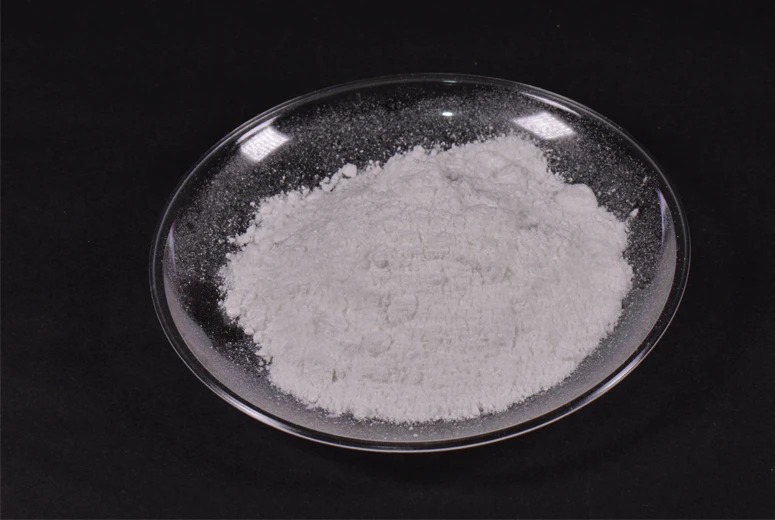
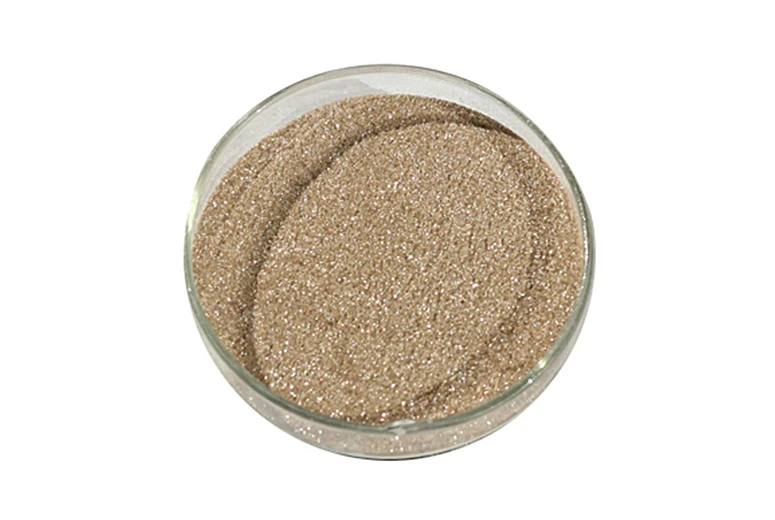
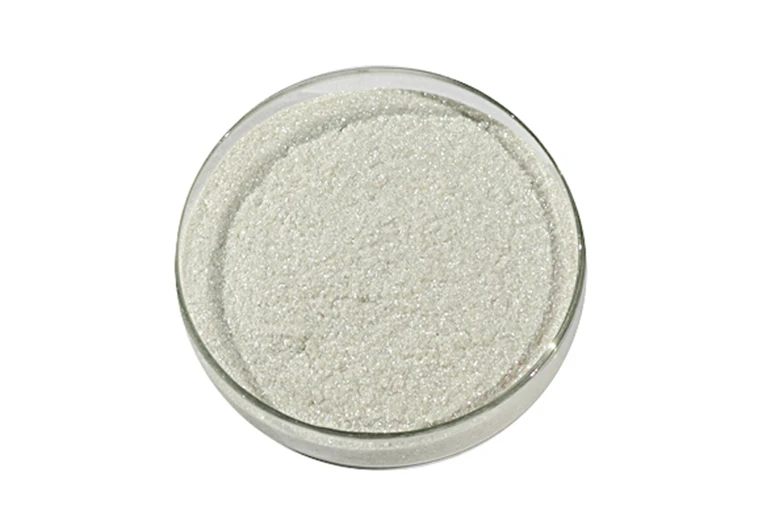
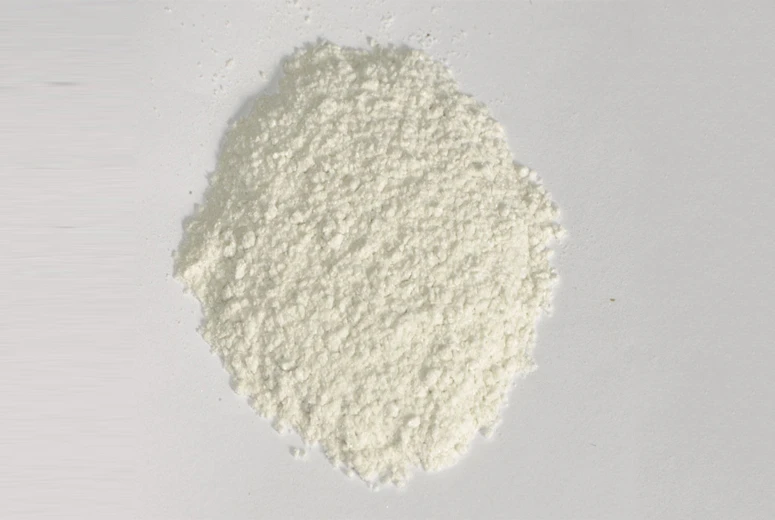
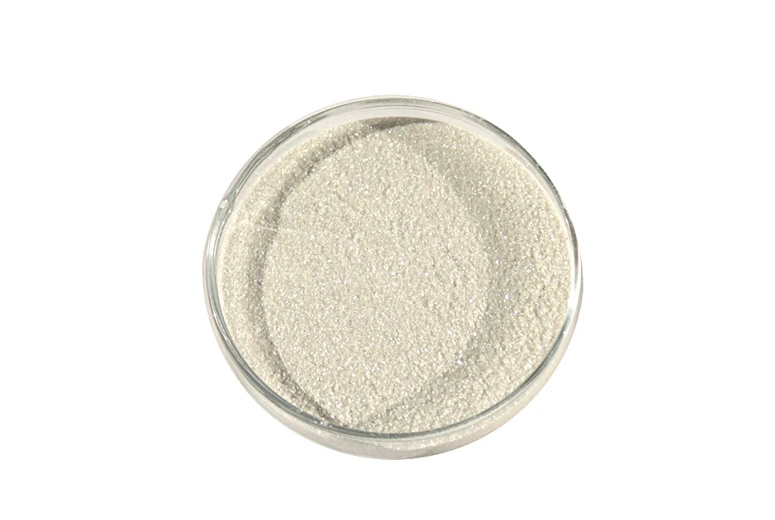
Figure 1: Microscopic view of high-purity synthetic mica powder platelets.
In these scenarios, synthetic mica powder demonstrates key advantages such as superior thermal resistance (up to 1200°C), excellent chemical inertness, and precise optical control, which are critical for energy-saving solutions in high-temperature applications and corrosion resistance in harsh chemical environments.
Technical Specifications: 5-25 Micron Synthetic Mica Powder
The 5-25 micron grade of synthetic mica powder is engineered for a balance of excellent coverage, smooth texture, and vibrant optical effects, making it highly versatile for a wide range of sophisticated applications. Below are the typical specifications for this product.
Product Specification Table: 5-25 Micron Synthetic Mica Powder
| Parameter | Typical Value | Testing Method/Standard |
|---|---|---|
| Chemical Formula | KMg₃(AlSi₃O₁₀)F₂ | Theoretical |
| Particle Size (D50) | 15-20 µm | Laser Diffraction (ISO 13320) |
| Particle Size Range | 5-25 µm | Sieve Analysis / Laser Diffraction |
| Specific Gravity | 2.80 g/cm³ | ASTM D153 |
| Refractive Index | ~1.54 - 1.57 | ASTM D542 |
| Aspect Ratio | 40:1 to 80:1 | Image Analysis |
| Whiteness (L) | >90 | HunterLab D65/10° |
| Loss on Ignition (LOI) | <0.5% (at 1000°C) | ASTM C114 |
| pH Value (10% Slurry) | 7.0-9.0 | ISO 787-9 |
| Oil Absorption | 40-60 g/100g | ASTM D281 |
| Thermal Stability | Up to 1200°C | TGA |
These specifications highlight the material's suitability for high-performance applications where purity, thermal resistance, and precise optical characteristics are paramount. The narrow particle size distribution ensures consistent performance and avoids undesirable scattering effects.
Application Scenarios and Technical Advantages
Synthetic mica powder's unique properties enable its use in a diverse array of advanced applications:
- Cosmetics and Personal Care: As a premium cosmetic pigment powder, synthetic mica offers exceptional whiteness, clarity, and luster, serving as an ideal base for pearlescent pigments. Its smooth texture enhances skin feel, while its purity ensures safety, especially for sensitive skin. It provides a superior shimmering effect compared to natural mica, free from sharp edges that can irritate.
- High-Performance Coatings: In automotive paints and industrial coatings, synthetic mica powder is crucial for creating vivid, durable finishes. When treated, it forms the basis of color shift mica powder pigments, providing multi-tonal effects that are highly sought after in premium finishes. Its barrier properties also contribute to improved corrosion resistance and UV stability.
- Plastics and Resins: As an epoxy pigment powder or filler in thermoplastics and thermosets, synthetic mica enhances mechanical properties such as tensile strength and flexural modulus. It also improves heat distortion temperature (HDT) and provides excellent dimensional stability, reducing warpage. Its chemical inertness ensures compatibility with various polymer matrices.
- Electronics and Electrical Insulation: The high dielectric strength and thermal stability of synthetic mica powder make it an excellent material for insulation in capacitors, circuit boards, and other electronic components, where consistent performance under extreme conditions is vital.
- Specialty Inks and Art Supplies: Providing sparkling effects and depth, synthetic mica is used in specialty printing inks and artistic mediums, enhancing visual appeal.
Key Technical Advantages:
- Superior Purity & Consistency: Manufactured under controlled conditions, synthetic mica powder is free from heavy metals, asbestos, and other contaminants typically found in natural mica, ensuring product safety and consistent performance batch after batch.
- Exceptional Thermal Stability: With a decomposition temperature exceeding 1200°C, it outperforms natural mica, making it suitable for high-temperature applications.
- High Transparency & Luster: Its perfect layered structure and high refractive index contribute to a brilliant pearlescent effect and excellent color purity, especially beneficial for creating vivid color shift mica powder.
- Chemical Inertness: Resistant to acids, alkalis, and solvents, ensuring long-term stability and durability in various chemical environments.
- Excellent Barrier Properties: The platelet structure creates a tortuous path for gases and liquids, improving the barrier properties of coatings and films.
- Smooth Texture: Unlike natural mica, synthetic mica flakes have smoother edges, contributing to a more pleasant feel in cosmetic formulations and reducing wear on processing equipment.
Vendor Comparison and Competitive Edge
When selecting a supplier for synthetic mica powder, several factors differentiate market leaders. Beyond basic product specifications, aspects such as R&D capabilities, quality control protocols, customization options, and global logistical support are paramount. A comparative overview reveals key competitive advantages:
Comparison: Leading Synthetic Mica Suppliers
| Feature | Supplier A (HJMica) | Competitor B | Competitor C |
|---|---|---|---|
| Purity & Consistency | Exceptional (99.5%+) | High (99.0%+) | Good (98.5%+) |
| Particle Size Range | Very Precise (e.g., 5-25µm) | Standard (e.g., 10-60µm) | Broad (e.g., 5-100µm) |
| Customization Options | Extensive (Particle Size, Surface Tx) | Limited to Standard Tx | Minimal |
| Technical Support | Proactive & Collaborative R&D | Responsive Standard Support | Basic Product Information |
| Certifications | ISO, REACH, FDA-compliant | ISO, REACH | ISO |
| Application Expertise | Deep, Multi-Industry | Specific Industry Focus | General |
Our commitment to stringent quality control, continuous R&D, and deep application knowledge ensures that our synthetic mica powder consistently exceeds industry expectations, providing clients with a competitive edge in their respective markets. We prioritize not just supplying a product, but delivering a solution optimized for specific performance requirements.
Customized Solutions and Collaborative Development
Recognizing that standard products may not always meet the nuanced demands of cutting-edge applications, we offer comprehensive customized solutions for synthetic mica powder. Our technical team works closely with clients, from concept to commercialization, to develop materials tailored to precise performance criteria.
Customization options include:
- Particle Size and Distribution: Precision control over D50, D90, and D10 values to optimize optical effects, rheology, and film formation.
- Surface Treatments: Tailoring surface chemistry to enhance compatibility with specific polymer matrices, solvents, or to create unique hydrophobic/hydrophilic properties for cosmetic pigment powder and epoxy pigment powder.
- Color and Effect Pigmentation: Developing custom pre-coated synthetic mica pigments to achieve specific color shifts, iridescence, or metallic effects.
- Purity and Trace Element Control: Meeting ultra-high purity requirements for sensitive applications in electronics or medical devices.
Our collaborative approach leverages decades of expertise in materials science and pigment technology, ensuring that clients receive a synthetic mica powder solution perfectly aligned with their technical and commercial objectives.
Application Case Studies
Here are examples illustrating the impact of synthetic mica powder in real-world applications:
Case Study 1: High-End Automotive Coating for EV Manufacturer
A leading electric vehicle manufacturer sought a unique, high-durability finish that offered a striking, multi-dimensional pearlescent effect. Traditional natural mica pigments were prone to inconsistencies and lacked the desired brilliance. Our team developed a specialized color shift mica powder using our 5-25 micron synthetic mica base, coated with carefully optimized layers of titanium dioxide and iron oxides. The result was a deep, lustrous finish that exhibited a dynamic color shift depending on the viewing angle, enhancing the vehicle's premium aesthetic. This solution also provided superior UV resistance and scratch hardness, exceeding the manufacturer's stringent performance benchmarks.
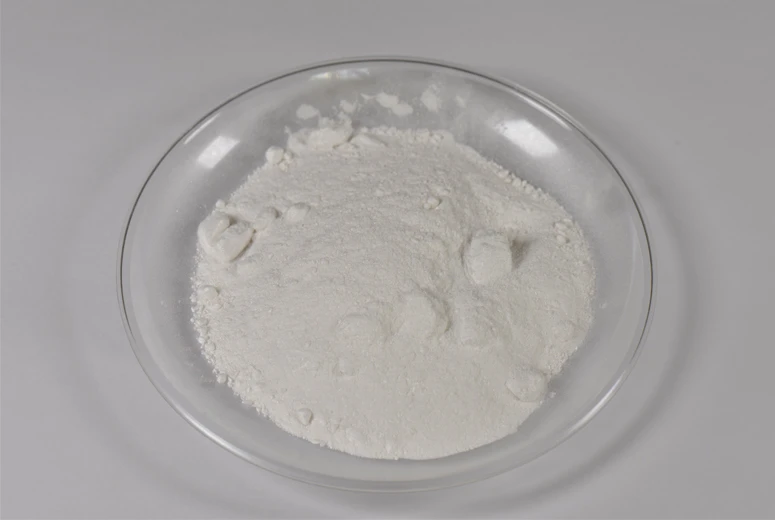
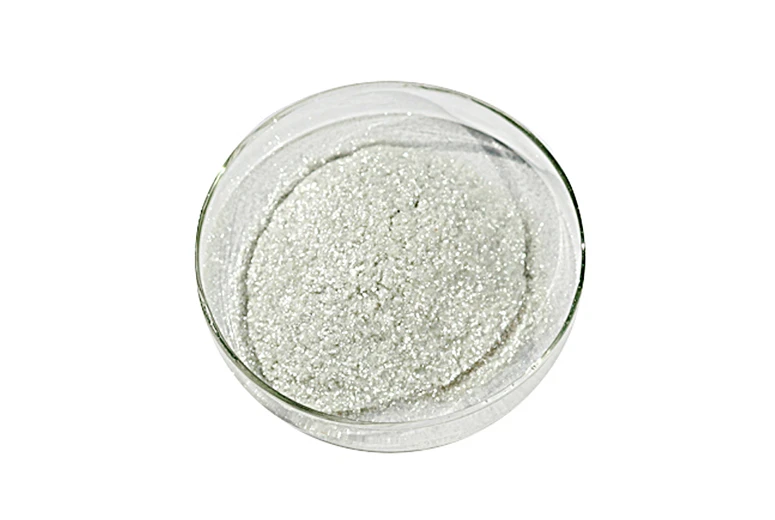
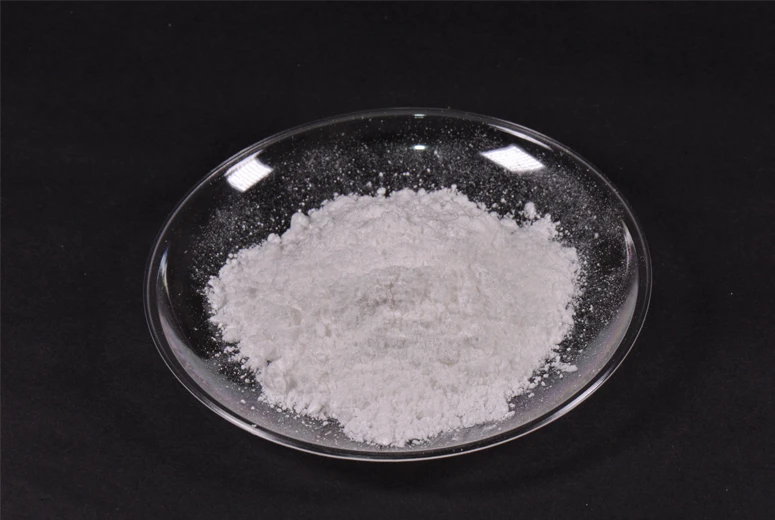
Figure 2: Example of a pearlescent effect achieved with synthetic mica powder.
Case Study 2: Performance Enhancement in Industrial Epoxy Flooring
An industrial flooring company faced challenges with standard epoxy pigment powder systems, particularly regarding consistent color dispersion and achieving a robust, chemically resistant finish in heavy-traffic environments. By incorporating our specific grade of 5-25 micron synthetic mica powder, they were able to enhance the epoxy's abrasion resistance and chemical stability. The material's smooth platelet structure also improved the flow and leveling characteristics of the epoxy, leading to a more uniform and durable finish. The resulting floors demonstrated superior longevity and reduced maintenance costs, proving the technical advantage of synthetic mica beyond mere aesthetics.
Case Study 3: Advanced Cosmetic Pigment Powder for Luxury Brand
A luxury cosmetics brand required an exceptionally pure and luminous base for their new line of high-impact eye shadows and highlighters. Contaminants and inconsistent particle size in natural mica led to duller finishes and occasional skin irritation complaints. Transitioning to our 5-25 micron synthetic mica powder as the primary cosmetic pigment powder base allowed them to achieve unparalleled transparency, brightness, and a silky-smooth application. The superior purity of the synthetic mica also eliminated concerns about heavy metals and ensured FDA compliance, reinforcing the brand's commitment to safety and premium quality.
Trustworthiness: FAQ, Lead Time, Warranty, and Support
Frequently Asked Questions (FAQ)
- Q1: What makes synthetic mica powder superior to natural mica?
- A1: Synthetic mica powder offers higher purity, devoid of heavy metals and contaminants often found in natural mica. It also provides greater thermal stability, more uniform particle size distribution, and a smoother texture, resulting in brighter, cleaner colors and superior performance in demanding applications.
- Q2: Is your synthetic mica powder safe for cosmetic applications?
- A2: Absolutely. Our synthetic mica powder is manufactured to the highest purity standards and is free from impurities like asbestos and heavy metals, making it an excellent and safe choice for cosmetic pigment powder applications. It complies with relevant international cosmetic regulations, including FDA guidelines.
- Q3: Can synthetic mica powder be used to create color shift mica powder pigments?
- A3: Yes, its high transparency and purity make it an ideal substrate for producing vibrant color shift mica powder and other effect pigments. Through precise multi-layer coatings of metal oxides, a wide range of interference colors and dynamic effects can be achieved.
- Q4: What is the lead time for customized orders?
- A4: Lead times for customized synthetic mica powder solutions typically range from 4 to 8 weeks, depending on the complexity of the customization and order volume. We provide a detailed project timeline upon order confirmation.
Lead Time & Fulfillment
For standard 5-25 micron synthetic mica powder, typical lead times for orders under 5 metric tons are 2-3 weeks, with express options available upon request. For larger volumes or specialized grades, lead times will be confirmed at the time of order placement. Our robust supply chain and efficient logistics ensure timely and reliable delivery worldwide.
Warranty Commitments
We stand by the quality of our synthetic mica powder with a comprehensive product warranty. All materials are guaranteed to meet the agreed-upon technical specifications and are free from manufacturing defects. Our warranty period is 12 months from the date of shipment, provided the material is stored and handled according to our recommendations.
Customer Support Information
Our dedicated customer support and technical service teams are available to assist with product selection, application guidance, troubleshooting, and customized solution development. Please reach out via our website's contact form, email, or direct phone line during business hours for expert assistance. We are committed to fostering long-term partnerships through unparalleled support.
References
- Schwartz, S. A. "Synthetic Mica: A Review of its Properties, Production, and Applications." Journal of Materials Science, vol. 45, no. 18, 2010, pp. 4821-4835.
- "Fluorphlogopite Mica: Structure, Synthesis, and Industrial Uses." Advanced Materials Research, vol. 78-79, 2009, pp. 315-320.
- United States Food and Drug Administration (FDA) – Cosmetic Ingredients and Colors. Accessed via fda.gov.
- ISO 9001:2015 Quality Management Systems – Requirements. International Organization for Standardization.
-
Ultimate Guide to Using High Quality Pearl Paint Pigment for LusterNewsApr.16,2026
-
Elevating Automotive Aesthetics with Mica Powder Car PaintNewsApr.09,2026
-
Unlock Stunning Effects with Mica Powder for Paint ApplicationsNewsApr.07,2026
-
Comprehensive Guide to Mica Dye Powder Applications and BenefitsNewsApr.04,2026
-
Unlocking the Brilliance of Mica Pigment Paint for Diverse ApplicationsNewsMar.31,2026
-
Enhancing Concrete Performance with Durable Mica Chips for Concrete ApplicationsNewsMar.28,2026