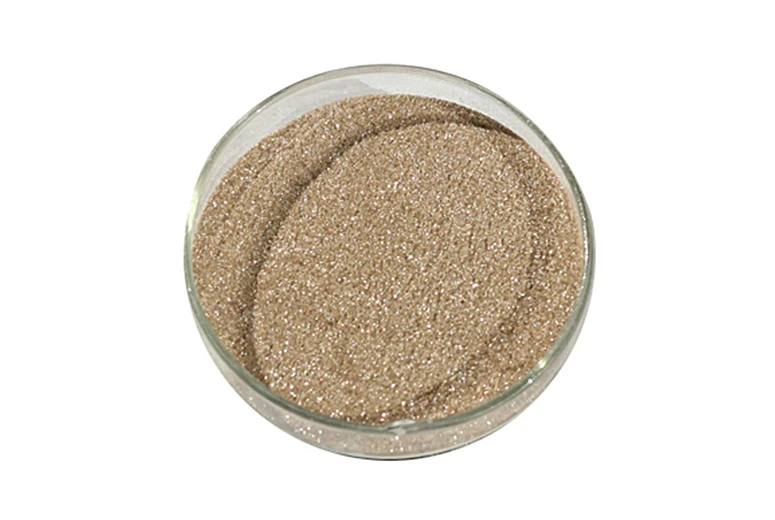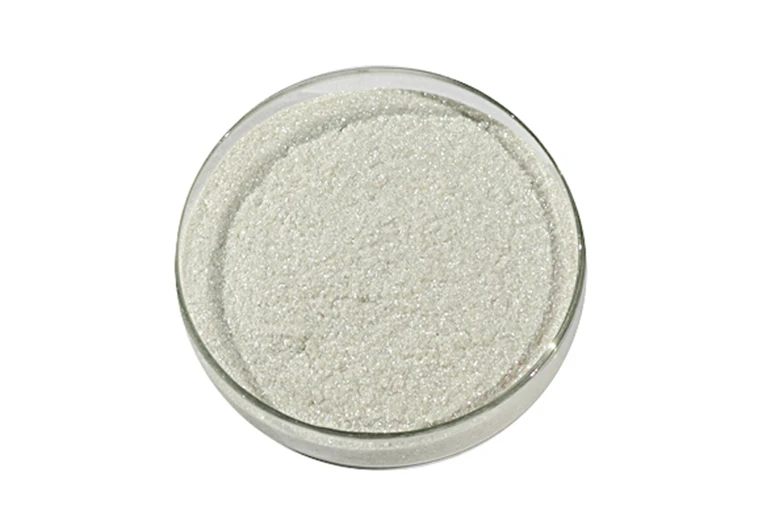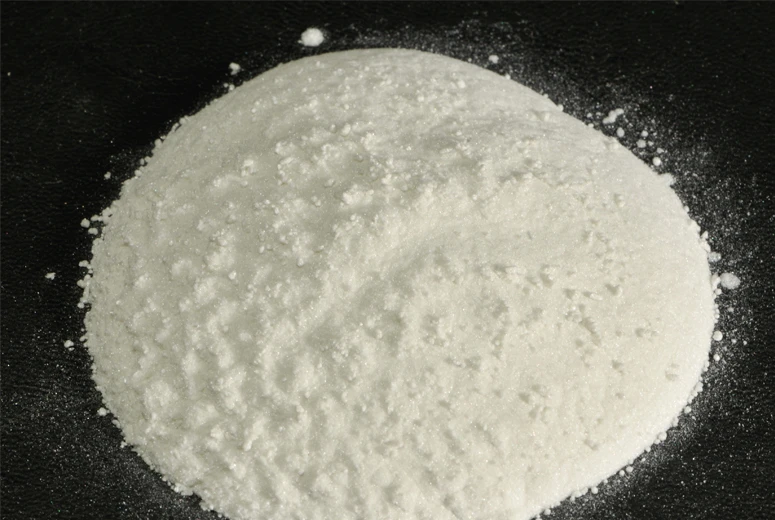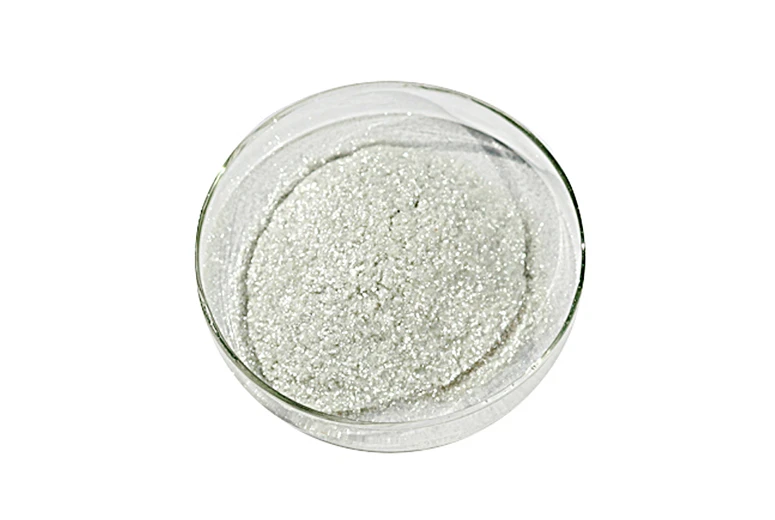

Synthetic Mica Cosmetics: Superior Purity for Radiant Makeup
Introduction to Synthetic Mica in High-Performance Cosmetics
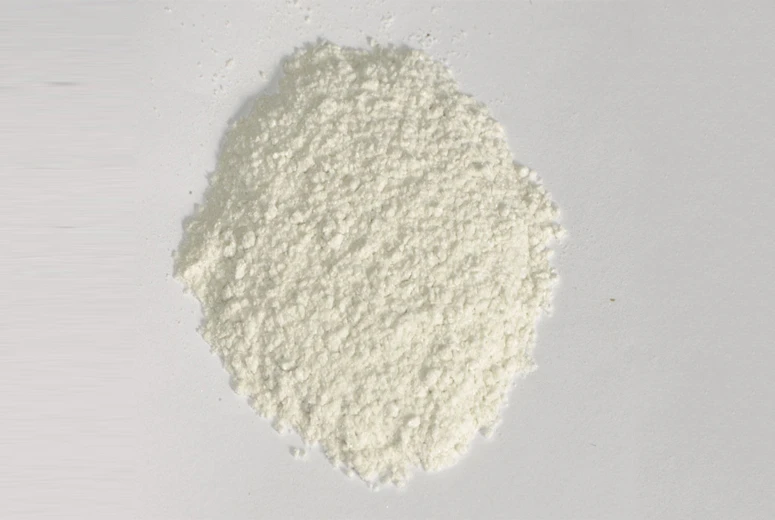
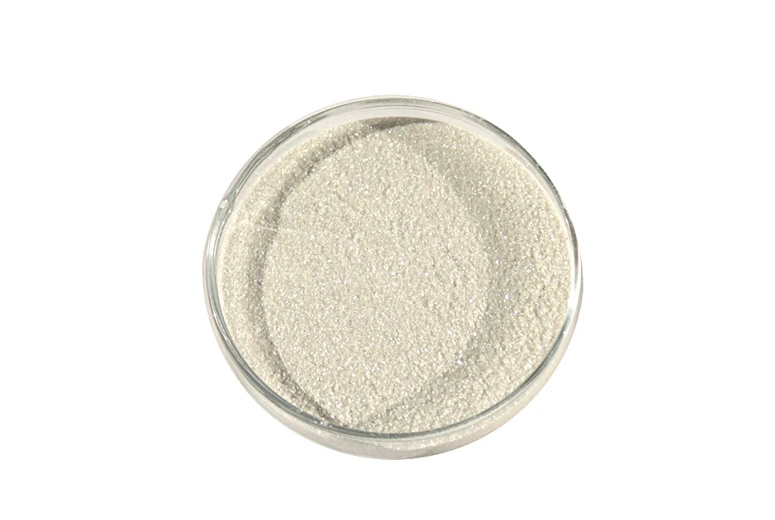
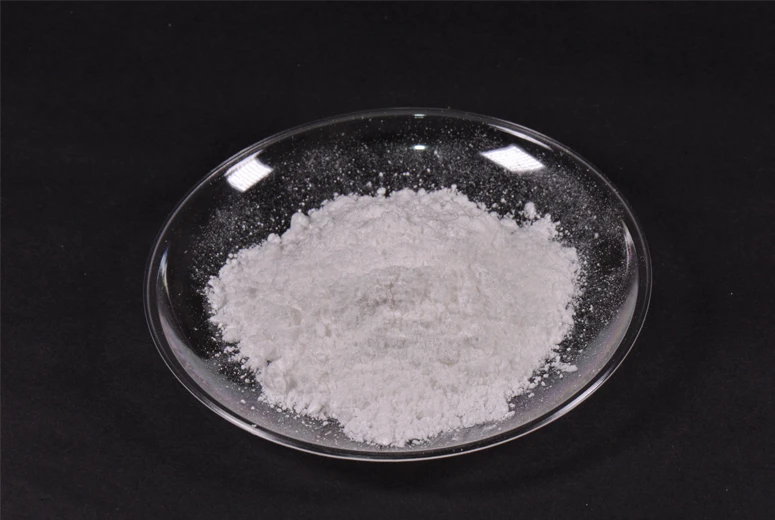
In the rapidly evolving cosmetic industry, the demand for high-performance, ethically sourced, and consistent raw materials is paramount. synthetic mica cosmetics represent a pinnacle of innovation, offering superior optical properties and purity compared to their natural counterparts. As a key ingredient in modern formulations, synthetic mica provides unparalleled brightness, color purity, and a luxurious skin feel, addressing critical concerns regarding heavy metal contamination and inconsistent supply associated with natural mica. Our HC40 Synthetic Mica, specifically engineered for cosmetic applications, exemplifies this advancement, delivering exceptional performance for a diverse range of beauty products. This article delves into the technical aspects, market impact, and strategic advantages of integrating synthetic mica into sophisticated cosmetic lines.
The global market for cosmetic ingredients is increasingly prioritizing safety, sustainability, and high-tech solutions. This shift positions synthetic alternatives, particularly those in the realm of optical fillers and pigments, as essential components for manufacturers aiming to meet stringent regulatory standards and consumer expectations for premium products. The controlled synthesis process of synthetic mica ensures a level of purity and consistency that is difficult to achieve with mined materials, making it an indispensable element in advanced cosmetic formulations.
Process Flow: Manufacturing of Synthetic Mica
The manufacturing of synthetic mica cosmetics involves a sophisticated high-temperature fusion and crystallization process, meticulously controlled to yield a material with precise structural and optical characteristics. Unlike natural mica, which is mined, synthetic mica (specifically fluorophlogopite, KMg₃(AlSi₃O₁₀)F₂) is produced under laboratory conditions, ensuring exceptional purity and consistency. This process is crucial for achieving the superior performance required in cosmetic applications.
Key Stages of Synthetic Mica Production:
1. Raw Material Preparation
High-purity raw materials such as potassium carbonate (K₂CO₃), magnesium fluoride (MgF₂), silicon dioxide (SiO₂), and aluminum oxide (Al₂O₃) are precisely weighed and blended. The purity of these precursors is critical, as it directly impacts the final product's quality and heavy metal profile. This stage involves strict quality control checks to meet industrial standards for the cosmetic industry.
2. High-Temperature Melting (Fusion)
The blended raw materials are melted in a high-temperature furnace at temperatures typically exceeding 1400°C. This fusion process creates a homogeneous melt, ensuring uniform distribution of constituent elements. The controlled atmosphere within the furnace is crucial to prevent contamination and side reactions, a standard practice also seen in metallurgy for high-purity alloy production.
3. Controlled Crystallization
The molten material is then cooled very slowly under precisely controlled conditions. This annealing process allows for the growth of large, high-aspect-ratio synthetic mica crystals. The rate of cooling and the temperature gradient are meticulously managed to achieve the desired crystal size, shape, and lamellar structure, optimizing its optical properties for cosmetic application.
4. Milling and Classification
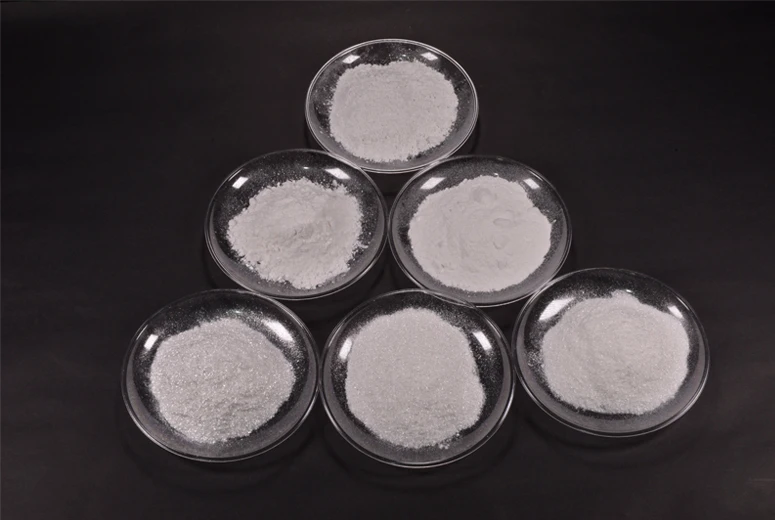
The crystallized synthetic mica is then mechanically milled into fine platelets. Advanced grinding technologies are employed to preserve the lamellar structure and high aspect ratio. Subsequent classification, typically through air jet milling or sieving, separates the particles into precise size ranges (e.g., 5-25µm, 10-60µm), critical for specific cosmetic functionalities such as smooth spreadability and pearlescent effects.
5. Surface Treatment (Optional)
Depending on the final application, the synthetic mica may undergo surface treatment. This can involve coating with metal oxides (e.g., titanium dioxide, iron oxides) to create interference pigments or with organic compounds to improve dispersibility in various cosmetic bases (e.g., oil-based, water-based formulations). This step is crucial for producing vibrant synthetic mica pigments.
6. Quality Assurance and Testing
Each batch undergoes rigorous testing to ensure compliance with cosmetic standards. This includes particle size analysis (laser diffraction), heavy metal content analysis (ICP-MS), colorimetric measurements (Lab values), and microbiological testing. Our processes adhere to international standards such as ISO 9001 for quality management and ISO 22716 (GMP for Cosmetics) for product safety and traceability. This ensures a consistent, safe, and high-performance material for cosmetic formulations, preventing issues like corrosion or degradation that might affect product longevity.
The controlled environment of synthetic production offers significant advantages, including guaranteed purity, batch-to-batch consistency, and superior optical performance. This meticulous process ensures a reliable supply chain for high-quality cosmetic ingredients, fostering innovation and consumer trust.
Industry Trends and Market Dynamics for Synthetic Mica
The cosmetic industry is experiencing a profound shift towards greater transparency, ethical sourcing, and enhanced product performance. This paradigm favors advanced materials like synthetic mica. The market for synthetic alternatives is expanding rapidly, driven by several key trends:
- Ethical Sourcing & Sustainability: Growing consumer awareness and regulatory pressure regarding child labor and environmental impact associated with natural mica mining have spurred a significant demand for ethically produced alternatives. Synthetic mica offers a responsible solution, ensuring a clean and consistent supply chain.
- Purity and Safety: Natural mica often contains varying levels of heavy metals (e.g., lead, arsenic, mercury) which are tightly regulated in cosmetics globally. Synthetic mica, being laboratory-grown from purified raw materials, has a significantly lower heavy metal profile, enhancing product safety and compliance with stringent international standards (e.g., FDA, EU Cosmetics Regulation 1223/2009).
- Superior Optical Performance: Formulators seek ingredients that deliver intense color, superior pearlescence, and cleaner undertones. The consistent platelet size and smooth surface of synthetic mica provide brighter, more vivid colors and a more refined shimmer compared to the often duller, grayer tones of natural mica. This is particularly crucial for premium synthetic mica pigments.
- Batch-to-Batch Consistency: Natural variations in mined mica can lead to inconsistencies in color, particle size, and overall performance. Synthetic mica's controlled manufacturing process guarantees uniform quality, reducing formulation challenges and ensuring consistent end-product aesthetics.
- Technological Advancements: Ongoing R&D in surface treatment technologies allows for greater versatility in synthetic mica applications, enabling diverse optical effects and improved compatibility with various cosmetic bases. This expands the possibilities for innovative product development, particularly in high-end makeup with synthetic mica.
Market analysis indicates a robust growth trajectory for synthetic cosmetic ingredients. Reports suggest the global cosmetic pigments market, including synthetic alternatives, is projected to reach over $1.5 billion by 2027, with synthetic options capturing an increasing share due to their superior purity and performance attributes. This growth underscores the strategic importance of investing in high-quality synthetic mica for competitive product development.
Technical Specifications and Product Parameters: HC40 Synthetic Mica
Our HC40 Synthetic Mica is specifically engineered to meet the stringent demands of high-performance cosmetic formulations. Its unique structural and chemical properties ensure exceptional optical effects, superior skin feel, and maximum safety. Below are the key technical specifications for HC40 Synthetic Mica:
| Parameter | Specification | Method/Standard |
|---|---|---|
| Chemical Formula | KMg₃(AlSi₃O₁₀)F₂ (Fluorophlogopite) | Chemical Analysis |
| Purity | > 99.5% | ICP-OES |
| Particle Size (D50) | 5-25 µm (Standard Grade), Customizable | Laser Diffraction (ISO 13320) |
| Aspect Ratio | > 80:1 | SEM Analysis |
| Refractive Index | ~1.57 | Immersion Method |
| Specific Gravity | 2.80-2.85 g/cm³ | Pycnometer Method |
| Oil Absorption | 30-45 g/100g | ASTM D281 |
| pH Value (10% aqueous suspension) | 7.0-9.0 | pH Meter (ISO 787-9) |
| Heavy Metal Content (e.g., Pb, As, Cd, Hg) | Below Detection Limits (Cosmetic Grade) | ICP-MS (EU Regulation 1223/2009) |
| Heat Resistance | Stable up to 1000°C | Thermogravimetric Analysis |
| Surface Area (BET) | 1.0-3.0 m²/g | BET N₂ Adsorption |
These specifications highlight the premium quality and controlled characteristics of HC40 Synthetic Mica, making it an ideal choice for formulators seeking reliability and high performance. The exceptional aspect ratio contributes to its superior coverage and smooth application, while its thermal stability ensures product integrity even under challenging conditions. Our rigorous testing protocols ensure that every batch of HC40 adheres to these precise parameters, providing consistent results for our clients.
Application Scenarios in High-End Cosmetics
The versatility and superior performance of HC40 synthetic mica make it an invaluable component across a broad spectrum of cosmetic applications, particularly in formulations where exceptional clarity, brilliance, and skin feel are paramount. Its consistent particle size and high purity ensure flawless integration and predictable results.
- Foundations and Concealers: Synthetic mica provides a silky-smooth texture, excellent spreadability, and a natural, luminous finish. It helps to blur imperfections without appearing heavy, contributing to the "second skin" effect highly sought after in premium bases.
- Eyeshadows and Eyeliners: The high refractive index and smooth surface of synthetic mica enable the creation of vibrant, intense, and long-lasting eye makeup. It enhances color payoff and delivers unparalleled shimmer and pearlescence, crucial for captivating eye looks. Many innovative brands specifically formulate their makeup with synthetic mica to achieve a distinct luminous quality.
- Lipsticks and Lip Glosses: In lip products, synthetic mica imparts a desirable sheen and enhances color vibrancy, offering a comfortable wear without a gritty feel. It can create both subtle luminosity and bold, metallic finishes, contributing to luxurious lip experiences.
- Highlighters and Illuminators: Due to its exceptional brilliance and clean reflect, synthetic mica is a preferred choice for highlighting products. It creates a natural, radiant glow that mimics healthy skin, without the dullness or grey undertones sometimes associated with natural mica.
- Nail Polishes: Incorporated into nail lacquers, synthetic mica provides brilliant sparkle and sophisticated pearlescent effects, allowing for a wide range of aesthetic finishes, from subtle sheen to intense glitter.
- Skincare and Sunscreen: Beyond color cosmetics, the inert and pure nature of synthetic mica makes it suitable for advanced skincare formulations, where it can act as a texture enhancer, provide a soft-focus effect, or improve the feel of mineral sunscreens.
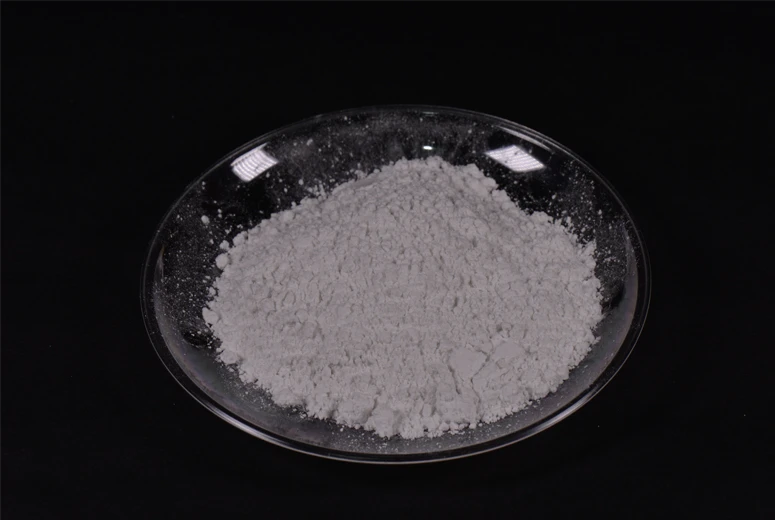
Figure 1: Versatile applications of synthetic mica enhancing various cosmetic products.
Our HC40 Synthetic Mica ensures superior performance across these diverse applications, empowering formulators to create innovative products that meet consumer demands for both aesthetic excellence and ethical integrity. Its consistent quality simplifies formulation and reduces batch variation, a critical advantage for large-scale cosmetic production.
Technical Advantages of Synthetic Mica Over Natural Mica
The transition from natural to synthetic mica in cosmetic formulations is driven by a compelling array of technical and ethical advantages. While natural mica has historically been used, synthetic alternatives offer a superior profile that aligns with modern cosmetic industry standards and consumer expectations.
Key Advantages:
- Unmatched Purity: Synthetic mica is free from the heavy metals (e.g., lead, arsenic, mercury, cadmium) and other naturally occurring impurities often found in mined natural mica. This ensures compliance with global cosmetic regulations and enhances product safety.
- Superior Optical Properties: With a smoother surface and more uniform crystal structure, synthetic mica exhibits higher transparency, brighter color, and a more intense pearlescent luster. It avoids the dull, grayish undertones sometimes associated with natural mica, allowing for cleaner and more vibrant color formulations, especially for synthetic mica pigments.
- Consistent Quality: Produced under controlled laboratory conditions, synthetic mica offers exceptional batch-to-batch consistency in particle size, shape, and optical performance. This eliminates the variability inherent in natural resources, simplifying formulation and ensuring reliable product aesthetics.
- Enhanced Skin Feel: The uniform, smooth platelets of synthetic mica contribute to a luxurious, silky texture in cosmetic products, promoting effortless application and comfortable wear without a gritty sensation. This is a crucial factor for high-end makeup with synthetic mica.
- Ethical Sourcing & Sustainability: Synthetic mica alleviates concerns regarding child labor and exploitative mining practices often associated with natural mica supply chains. Its controlled manufacturing process offers a transparent and ethical sourcing solution.
- Thermal & Chemical Stability: Synthetic fluorophlogopite mica possesses superior thermal and chemical stability, maintaining its integrity and optical properties under a wider range of processing conditions and pH levels in cosmetic formulations.
| Feature | Synthetic Mica (e.g., HC40) | Natural Mica |
|---|---|---|
| Purity & Heavy Metals | Extremely high purity; virtually free of heavy metals (below detection limits) | Varies significantly; often contains trace to regulated levels of heavy metals |
| Optical Clarity & Brilliance | Superior, transparent, clean, intense pearlescence; vivid colors | Good, but often less transparent, may have grayish undertones; color can be duller |
| Batch Consistency | Excellent; highly consistent particle size, shape, and optical properties | Variable; natural variations in raw material lead to inconsistencies |
| Texture & Skin Feel | Smooth, silky, luxurious; easy to spread | Can sometimes be gritty or less refined due to irregular particle shapes |
| Ethical Sourcing | Fully traceable, ethically produced in controlled environments | Often associated with ethical concerns (e.g., child labor, poor working conditions) |
| Formulation Flexibility | High; versatile for diverse color and texture effects due to controlled properties | Moderate; limitations due to inherent inconsistencies and impurity levels |
These demonstrable advantages solidify synthetic mica's position as the preferred choice for cosmetic manufacturers committed to product excellence, safety, and ethical responsibility. Choosing synthetic mica is a strategic decision that enhances brand reputation and consumer trust.
Vendor Comparison and Selection Criteria for Synthetic Mica
Selecting the right supplier for synthetic mica is a critical decision that impacts product quality, supply chain reliability, and brand reputation. B2B decision-makers and R&D teams must evaluate potential vendors based on a comprehensive set of criteria to ensure optimal partnership and sustained product excellence.
Key Evaluation Criteria:
- Quality Control & Certifications: A reputable vendor will adhere to rigorous quality management systems (e.g., ISO 9001) and Good Manufacturing Practices (GMP for Cosmetics, ISO 22716). Request detailed Certificates of Analysis (CoA) for heavy metals, particle size distribution, and microbial purity.
- R&D Capabilities & Innovation: Assess the vendor's commitment to research and development. A strong R&D team can offer customized solutions, develop new grades, and provide technical support for complex formulation challenges, particularly for novel synthetic mica pigments.
- Supply Chain Reliability: Evaluate the vendor's production capacity, lead times, and logistical efficiency. A robust supply chain minimizes risks of delays and ensures consistent material availability, which is paramount for continuous production lines.
- Technical Support & Expertise: The ability to provide in-depth technical assistance, formulation guidance, and troubleshooting support is invaluable. This demonstrates the vendor's expertise and commitment to customer success.
- Customization Options: Look for vendors who can offer tailor-made solutions, such as specific particle size ranges, surface treatments, or pigment coatings, to precisely match your unique product requirements.
- Ethical & Environmental Commitment: Verify the vendor's commitment to ethical production practices and environmental stewardship. Transparency in raw material sourcing and manufacturing processes is increasingly important for brand integrity.
- Pricing & Value Proposition: While cost is a factor, prioritize the overall value proposition, balancing price with quality, technical support, and reliability. Investing in a high-quality supplier can prevent costly formulation issues and product recalls.
Our company prides itself on exceeding these benchmarks, offering HC40 Synthetic Mica with verifiable quality, comprehensive technical support, and a transparent, ethical supply chain, making us a trusted partner for leading cosmetic brands globally. We have served the specialty chemical industry for over 20 years, establishing a reputation for reliability and innovation.
Customized Solutions and R&D Partnerships
Recognizing that standard products do not always meet every unique formulation challenge, we offer comprehensive customized solutions for synthetic mica. Our R&D team collaborates closely with clients to develop tailored materials that perfectly align with specific performance, aesthetic, and processing requirements.
Areas of Customization:
- Particle Size Optimization: We can fine-tune the particle size distribution of HC40 Synthetic Mica to achieve specific optical effects (e.g., subtle sheen vs. high glitter) and improve sensorial properties (e.g., enhanced smoothness, reduced grittiness) for various cosmetic bases.
- Surface Treatments: Custom surface coatings, such as hydrophobic treatments (silanes) or hydrophilic modifiers, can enhance dispersibility in different cosmetic vehicles (e.g., oil-in-water emulsions, anhydrous formulations) and improve adhesion to skin or other substrates. This is vital for specialized synthetic mica pigments.
- Color and Effect Enhancement: For pigmented applications, we can collaborate on developing custom color-coated synthetic mica, integrating specific metal oxides or other effect pigments to achieve unique shades, interference effects, or enhanced color intensity.
- Functional Integration: Beyond optical effects, synthetic mica can be modified for specific functional benefits, such as oil absorption, soft-focus properties, or improved binding in pressed powders.
Our dedicated R&D laboratory, equipped with state-of-the-art analytical tools (SEM, ICP-MS, Laser Diffraction, Colorimeters), works as an extension of your development team. We provide rapid prototyping and rigorous testing to ensure that custom materials meet all technical and regulatory specifications. This partnership approach ensures that your innovative cosmetic products stand out in a competitive market, delivering unique benefits and superior consumer experience.
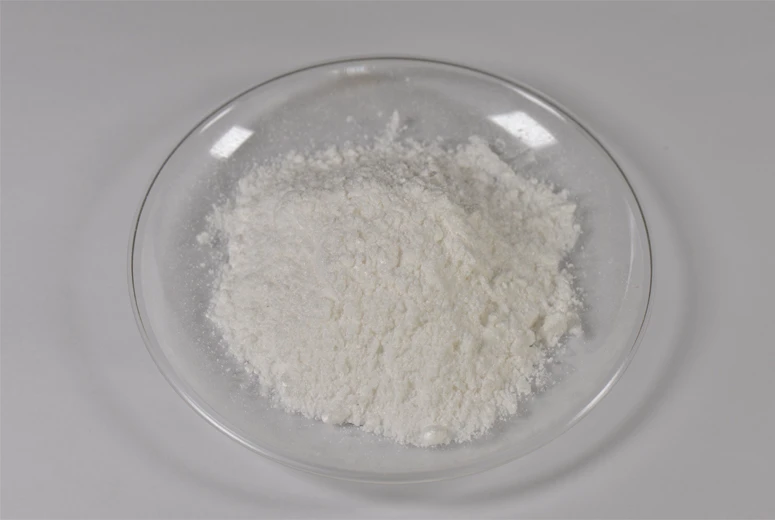
Figure 2: Advanced R&D facilities supporting custom synthetic mica solutions.
By engaging in R&D partnerships, clients gain access to cutting-edge material science expertise, accelerating their product development cycles and enabling the creation of truly differentiated products featuring superior makeup with synthetic mica.
Application Case Studies and Customer Success
Our HC40 synthetic mica has been instrumental in the success of numerous cosmetic product launches for leading global brands. These case studies highlight the tangible benefits and superior performance achieved through its integration.
Case Study 1: Premium Liquid Foundation
A luxury cosmetic brand sought to reformulate its best-selling liquid foundation to achieve a more luminous finish and improved skin feel, while ensuring absolute heavy metal purity. By replacing natural mica with HC40 Synthetic Mica (D50: 10µm), they observed a significant improvement in product transparency and a brighter, more refined radiance. Consumer feedback consistently praised the "silkier texture" and "natural, healthy glow" provided by the new formulation. The brand was able to market the foundation with a "clean beauty" claim, leveraging the verifiable purity of synthetic mica.
Case Study 2: High-Performance Eyeshadow Palette
A niche makeup brand specializing in highly pigmented eyeshadows aimed to enhance color intensity and shimmer effect while eliminating ethical sourcing concerns. We partnered with them to develop custom-coated HC40 synthetic mica pigments. The result was an eyeshadow palette with unprecedented color payoff, vibrant pearlescence, and superior blendability. The uniform particle size contributed to smoother application and reduced fallout, translating into enthusiastic reviews from professional makeup artists and a significant boost in sales. The brand highlighted the "ethically sourced, high-definition pigments" as a core selling point.
Customer Testimonial:
"Transitioning to HC40 Synthetic Mica was a game-changer for our entire cosmetic line. The consistency in quality and the remarkable purity allowed us to elevate our formulations, confidently meet global regulatory standards, and gain an edge in the clean beauty market. Our customers consistently comment on the enhanced luminosity and luxurious feel of our products since making the switch. This material has truly helped us redefine premium makeup with synthetic mica."
These examples underscore the tangible benefits of utilizing HC40 Synthetic Mica, validating its role as a premium, reliable, and ethically sound ingredient for advanced cosmetic formulations.
Frequently Asked Questions (FAQ) about Synthetic Mica
Q1: Is synthetic mica safe for all cosmetic applications?
A1: Yes, synthetic mica is considered extremely safe for a wide range of cosmetic applications. Its high purity, controlled manufacturing process, and absence of heavy metals ensure it meets stringent global safety standards, including those set by the FDA and EU Cosmetics Regulation. We provide comprehensive safety data sheets and regulatory compliance documentation for HC40 Synthetic Mica.
Q2: How does the performance of synthetic mica cosmetics compare to those using natural mica?
A2: Synthetic mica generally offers superior performance. It provides higher transparency, brighter color, and a cleaner, more intense pearlescence. Its consistent particle size and smooth surface contribute to a silkier skin feel and better blendability, avoiding the grayish undertones and potential grittiness sometimes found with natural mica. This leads to more vibrant and luxurious end products.
Q3: Can synthetic mica be used in vegan and cruelty-free formulations?
A3: Absolutely. Synthetic mica is a mineral-derived material, produced synthetically, and contains no animal by-products. Its manufacturing process does not involve animal testing. This makes it an ideal ingredient for vegan and cruelty-free cosmetic certifications, aligning with modern ethical consumer demands.
Q4: What customization options are available for HC40 Synthetic Mica?
A4: We offer extensive customization, including tailored particle size distributions (e.g., from ultra-fine to larger glitters), various surface treatments (hydrophobic, hydrophilic), and custom color-coating for specific synthetic mica pigments. Our R&D team works directly with clients to meet unique formulation needs and aesthetic goals.
Q5: What certifications does your synthetic mica product hold?
A5: Our HC40 Synthetic Mica is manufactured under strict quality control, adhering to ISO 9001 standards. We also comply with ISO 22716 (GMP for Cosmetics) to ensure the highest levels of product safety and traceability. Our products meet the regulatory requirements for heavy metal content as outlined by global cosmetic legislations (e.g., EU Cosmetics Regulation, FDA).
Logistics, Warranty, and After-Sales Support
Lead Time and Fulfillment:
We maintain robust inventory levels and efficient production cycles to ensure timely delivery. Standard orders for HC40 Synthetic Mica typically have a lead time of 2-4 weeks from order confirmation to shipment, depending on volume and customization requirements. Expedited options are available upon request. Our logistics team works with trusted global carriers to ensure secure and efficient delivery worldwide.
Warranty Commitments:
All HC40 Synthetic Mica products are backed by a 1-year warranty against manufacturing defects, guaranteeing that the material will meet the specified technical parameters and quality standards outlined in our Certificate of Analysis. Our commitment to quality ensures reliability and performance consistent with the highest industry benchmarks.
Customer Support and Technical Assistance:
Our dedicated customer support and technical assistance teams are available to provide comprehensive post-purchase support. This includes:
- Technical Consultation: Expert advice on formulation, processing, and application challenges related to synthetic mica.
- Sample Requests: Provision of samples for R&D and pilot testing.
- Regulatory Documentation: Assistance with regulatory compliance and provision of necessary certifications.
- Troubleshooting: Prompt response and resolution for any product-related inquiries or issues.
We are committed to building long-term partnerships through exceptional product quality and unparalleled customer service, ensuring your success in leveraging the full potential of synthetic mica cosmetics.
References
- European Chemicals Agency (ECHA). (2023). Registration Dossier for Mica. Retrieved from ECHA's InfoCard database.
- Cosmetics Europe. (2022). The European Cosmetics Industry: Data and Trends. Retrieved from Cosmetics Europe publications.
- International Organization for Standardization (ISO). (2018). ISO 22716:2007 Cosmetics — Good Manufacturing Practices (GMP) — Guidelines on Good Manufacturing Practices. ISO, Geneva.
- United States Food and Drug Administration (FDA). (2021). Cosmetics Ingredients and Colors. Retrieved from FDA.gov.
- Grand View Research. (2022). Cosmetic Pigments Market Size, Share & Trends Analysis Report. Retrieved from Grand View Research reports.
-
Ultimate Guide to Using High Quality Pearl Paint Pigment for LusterNewsApr.16,2026
-
Elevating Automotive Aesthetics with Mica Powder Car PaintNewsApr.09,2026
-
Unlock Stunning Effects with Mica Powder for Paint ApplicationsNewsApr.07,2026
-
Comprehensive Guide to Mica Dye Powder Applications and BenefitsNewsApr.04,2026
-
Unlocking the Brilliance of Mica Pigment Paint for Diverse ApplicationsNewsMar.31,2026
-
Enhancing Concrete Performance with Durable Mica Chips for Concrete ApplicationsNewsMar.28,2026